
Wikipedia
Television drama has produced some of the most ambitious, morally complex, and artistically daring storytelling in the history of fiction. From Tony Soprano's panic attacks to Walter White's slow-burn transformation, these ten series didn't just raise the bar for TV — they demolished it entirely. Ranked by critical consensus, Emmy hauls, audience impact, and lasting cultural influence, this is prestige television at its absolute peak.
Community rankings for this Show
Curated by our entertainment editors. Built from critical consensus and community vote.

David Chase's mob epic ran on HBO from 1999 to 2007 and is widely credited with launching the "Golden Age of Television" by proving that serialised drama could achieve the moral complexity and narrative ambition of literary fiction. James Gandolfini's Tony Soprano — New Jersey mob boss, loving father, and therapy patient — became the definitive anti-hero of the era. The Sopranos won 21 Emmy Awards, was ranked the greatest TV drama of all time by the Writers Guild of America, and its ambiguous series finale remains the most debated ending in television history.
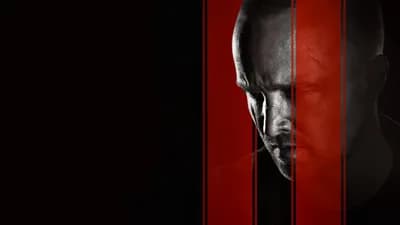
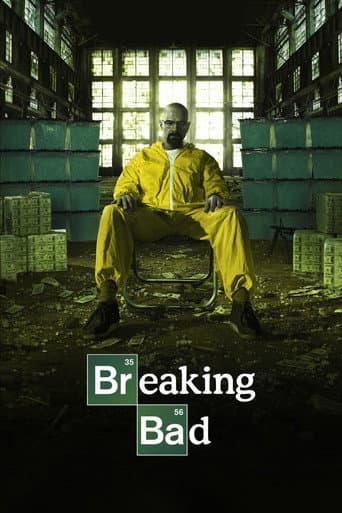
Vince Gilligan's AMC drama ran from 2008 to 2013 and holds a Metacritic score of 99 out of 100 — the highest ever recorded for any television series. Bryan Cranston's Walter White, a terminally ill chemistry teacher who becomes a drug kingpin to secure his family's future, is one of fiction's most perfectly constructed character arcs: a five-season transformation from victim to monster executed with almost mathematical precision. Breaking Bad won 16 Emmy Awards, including four consecutive Outstanding Drama Series, and is consistently cited by critics as the greatest single season run (Season 4) in television history.
David Simon's HBO drama aired from 2002 to 2008 across 60 episodes and is consistently described by critics, academics, and fellow showrunners as the greatest television series ever made. Set in Baltimore and structured as a institutional autopsy — each season examining a different facet of American urban failure (drug trade, docks, city government, schools, press) — The Wire was largely ignored at Emmy time but has since been dissected in university courses worldwide. Time magazine named it "the greatest TV show ever made," and Barack Obama called it his favourite TV programme, singling out Omar Little as the best character in television history.

HBO's fantasy epic ran from 2011 to 2019 and became the most watched drama in the network's history, with the final season drawing over 19 million viewers per episode in the United States alone. Adapted from George R.R. Martin's A Song of Ice and Fire novels, the series spent $10 million per episode in its later seasons, produced 73 episodes across eight years, and won 59 Emmy Awards — the most of any drama series in history. At its peak it was watched by an estimated 44 million people per episode globally, making it a genuine worldwide cultural phenomenon.

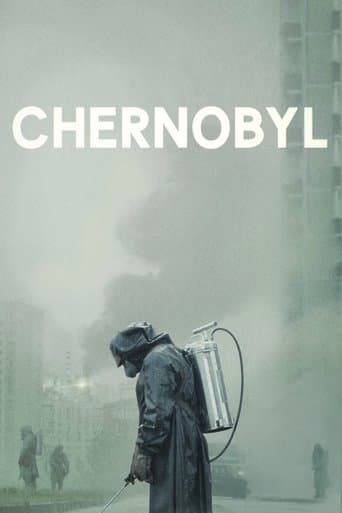
Craig Mazin's five-episode HBO miniseries aired in 2019 and achieved a 9.4 out of 10 rating on IMDB — the highest ever recorded for any television programme — based on over 260,000 user ratings. A forensically detailed reconstruction of the April 1986 Soviet nuclear disaster and its cover-up, Chernobyl won 10 Emmy Awards including Outstanding Limited Series, and was praised by nuclear safety experts, historians, and former Soviet officials for its accuracy. It also generated a 30-fold increase in tourism to Chernobyl and Pripyat in the year following broadcast.
Matthew Weiner's period drama aired on AMC from 2007 to 2015 and won the Outstanding Drama Series Emmy four consecutive years (2008-2011), establishing AMC as a prestige television destination alongside HBO. Set in a 1960s Manhattan advertising agency, Mad Men used the era's surface elegance to dissect American identity, masculinity, and the mythology of the self-made man through Jon Hamm's Don Draper — a figure of devastating contradictions. The show won 16 Emmy Awards in total and is credited with triggering a decade-long fascination with mid-century modernist design and fashion.

Jesse Armstrong's HBO corporate satire ran from 2018 to 2023 and won the Outstanding Drama Series Emmy in its final three eligible seasons — the only drama ever to achieve that feat in consecutive years. A razor-sharp, Shakespearean examination of a Murdoch-style media dynasty tearing itself apart over succession, the show redefined ensemble performance on television and produced some of the most quoted dialogue of the streaming era. Brian Cox's Logan Roy stands alongside Tony Soprano and Walter White as one of the defining television patriarchs of the 21st century.

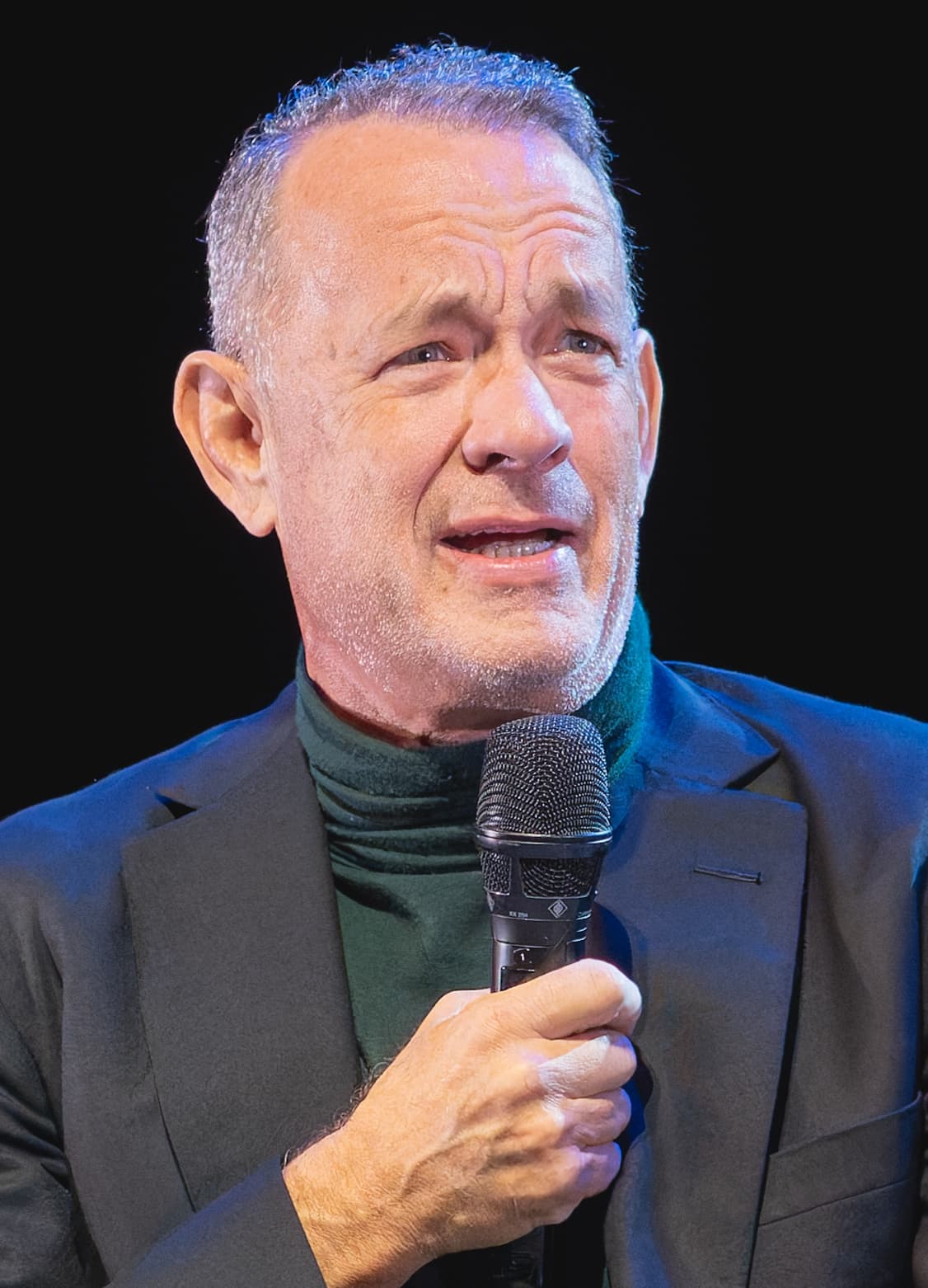
Steven Spielberg and Tom Hanks's 10-episode HBO miniseries aired in 2001 and followed Easy Company, 506th Parachute Infantry Regiment from their D-Day jump into Normandy to the liberation of Hitler's Eagles Nest. Shot on a $125 million budget — the largest ever committed to a TV production at the time — it received 19 Emmy nominations and won six, including Outstanding Miniseries. Band of Brothers is consistently ranked among the greatest war dramas ever made and remains the gold standard for ensemble period television more than two decades after its broadcast.

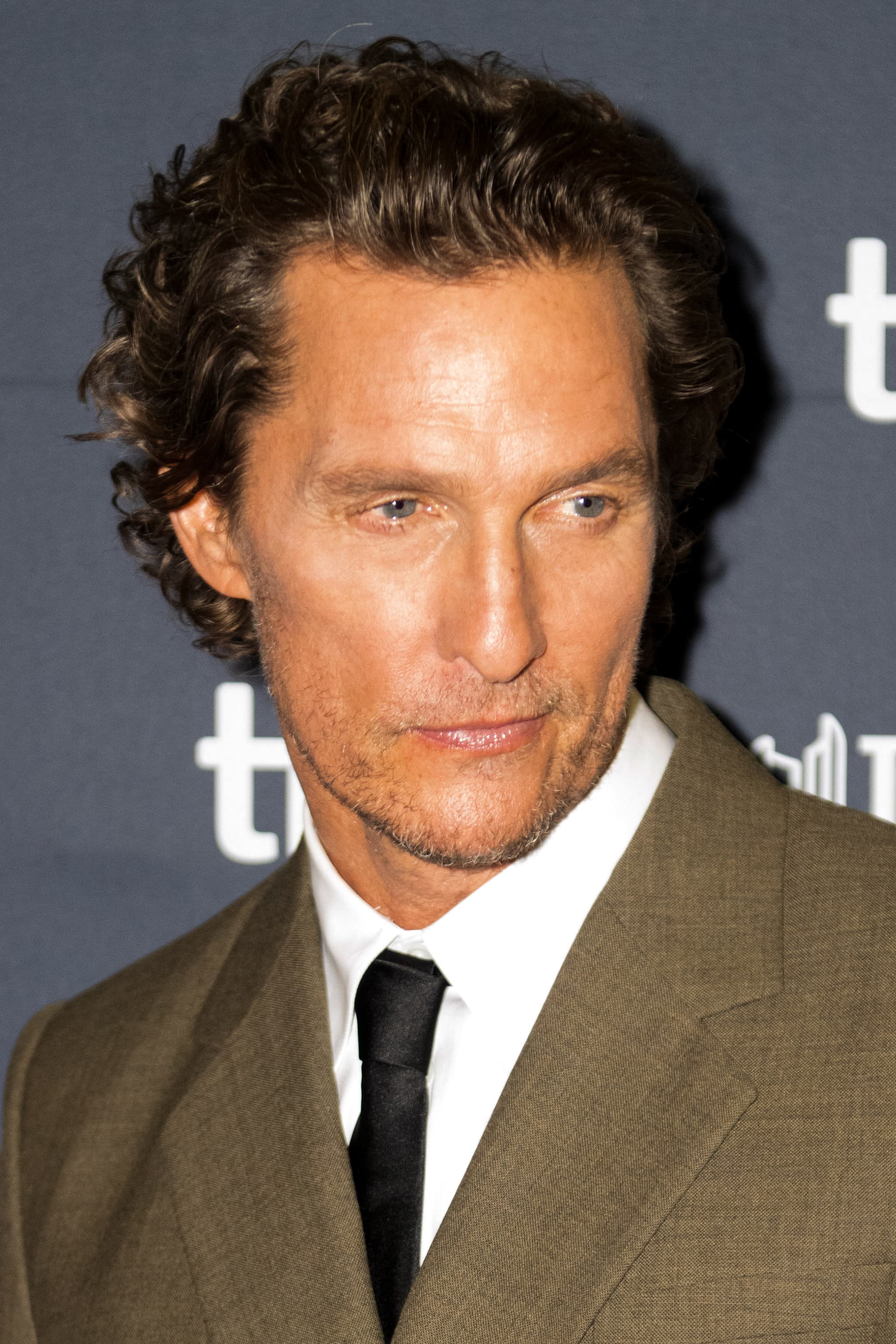
Nic Pizzolatto's debut season of True Detective aired on HBO in 2014 and paired Matthew McConaughey and Woody Harrelson as Louisiana detectives pursuing a occult serial killer across 17 years — a structure that allowed the show to function simultaneously as pulp thriller, philosophical meditation, and Southern Gothic atmosphere piece. McConaughey's Rust Cohle became an instant cultural icon, his nihilistic monologues spawning genuine academic debate about the show's philosophical underpinnings. The season received 12 Emmy nominations and is considered one of the finest pieces of limited television ever produced.
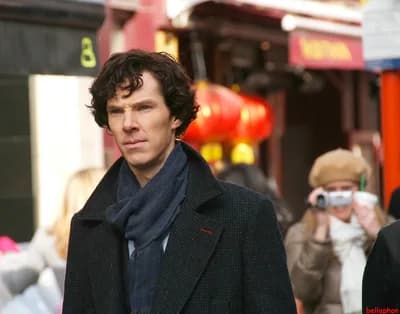
Steven Moffat and Mark Gatiss's BBC modernisation of Arthur Conan Doyle's detective launched in 2010 with Benedict Cumberbatch as a 21st-century Sherlock Holmes and Martin Freeman as a war-veteran Watson, reinventing the world's most adapted fictional character for the social media age. The series attracted over 1.2 billion online views globally, sparked "Cumberbatch mania" as an international pop-culture phenomenon, and won 9 BAFTA Awards across its four series. Its feature-length episode format and labyrinthine plotting set a new template for event television that dozens of subsequent series have attempted to replicate.
The most-voted lists across every category — curated weekly. Join the early readers.
No spam. One email per week. Unsubscribe anytime.
Create a free account or sign in to join the discussion.
Sign in to join the conversation
Top 10 Netflix Shows to Watch in 2026
Most Popular TV Shows on Netflix (May 2026)
Top 10 Bad Bunny Albums RankedExplore more Entertainment rankings on Top10Grid

David Chase's mob epic ran on HBO from 1999 to 2007 and is widely credited with launching the "Golden Age of Television" by proving that serialised drama could achieve the moral complexity and narrative ambition of literary fiction. James Gandolfini's Tony Soprano — New Jersey mob boss, loving father, and therapy patient — became the definitive anti-hero of the era. The Sopranos won 21 Emmy Awards, was ranked the greatest TV drama of all time by the Writers Guild of America, and its ambiguous series finale remains the most debated ending in television history.
Vince Gilligan's AMC drama ran from 2008 to 2013 and holds a Metacritic score of 99 out of 100 — the highest ever recorded for any television series. Bryan Cranston's Walter White, a terminally ill chemistry teacher who becomes a drug kingpin to secure his family's future, is one of fiction's most perfectly constructed character arcs: a five-season transformation from victim to monster executed with almost mathematical precision. Breaking Bad won 16 Emmy Awards, including four consecutive Outstanding Drama Series, and is consistently cited by critics as the greatest single season run (Season 4) in television history.
David Simon's HBO drama aired from 2002 to 2008 across 60 episodes and is consistently described by critics, academics, and fellow showrunners as the greatest television series ever made. Set in Baltimore and structured as a institutional autopsy — each season examining a different facet of American urban failure (drug trade, docks, city government, schools, press) — The Wire was largely ignored at Emmy time but has since been dissected in university courses worldwide. Time magazine named it "the greatest TV show ever made," and Barack Obama called it his favourite TV programme, singling out Omar Little as the best character in television history.

HBO's fantasy epic ran from 2011 to 2019 and became the most watched drama in the network's history, with the final season drawing over 19 million viewers per episode in the United States alone. Adapted from George R.R. Martin's A Song of Ice and Fire novels, the series spent $10 million per episode in its later seasons, produced 73 episodes across eight years, and won 59 Emmy Awards — the most of any drama series in history. At its peak it was watched by an estimated 44 million people per episode globally, making it a genuine worldwide cultural phenomenon.

Craig Mazin's five-episode HBO miniseries aired in 2019 and achieved a 9.4 out of 10 rating on IMDB — the highest ever recorded for any television programme — based on over 260,000 user ratings. A forensically detailed reconstruction of the April 1986 Soviet nuclear disaster and its cover-up, Chernobyl won 10 Emmy Awards including Outstanding Limited Series, and was praised by nuclear safety experts, historians, and former Soviet officials for its accuracy. It also generated a 30-fold increase in tourism to Chernobyl and Pripyat in the year following broadcast.
Matthew Weiner's period drama aired on AMC from 2007 to 2015 and won the Outstanding Drama Series Emmy four consecutive years (2008-2011), establishing AMC as a prestige television destination alongside HBO. Set in a 1960s Manhattan advertising agency, Mad Men used the era's surface elegance to dissect American identity, masculinity, and the mythology of the self-made man through Jon Hamm's Don Draper — a figure of devastating contradictions. The show won 16 Emmy Awards in total and is credited with triggering a decade-long fascination with mid-century modernist design and fashion.

Jesse Armstrong's HBO corporate satire ran from 2018 to 2023 and won the Outstanding Drama Series Emmy in its final three eligible seasons — the only drama ever to achieve that feat in consecutive years. A razor-sharp, Shakespearean examination of a Murdoch-style media dynasty tearing itself apart over succession, the show redefined ensemble performance on television and produced some of the most quoted dialogue of the streaming era. Brian Cox's Logan Roy stands alongside Tony Soprano and Walter White as one of the defining television patriarchs of the 21st century.

Steven Spielberg and Tom Hanks's 10-episode HBO miniseries aired in 2001 and followed Easy Company, 506th Parachute Infantry Regiment from their D-Day jump into Normandy to the liberation of Hitler's Eagles Nest. Shot on a $125 million budget — the largest ever committed to a TV production at the time — it received 19 Emmy nominations and won six, including Outstanding Miniseries. Band of Brothers is consistently ranked among the greatest war dramas ever made and remains the gold standard for ensemble period television more than two decades after its broadcast.

Nic Pizzolatto's debut season of True Detective aired on HBO in 2014 and paired Matthew McConaughey and Woody Harrelson as Louisiana detectives pursuing a occult serial killer across 17 years — a structure that allowed the show to function simultaneously as pulp thriller, philosophical meditation, and Southern Gothic atmosphere piece. McConaughey's Rust Cohle became an instant cultural icon, his nihilistic monologues spawning genuine academic debate about the show's philosophical underpinnings. The season received 12 Emmy nominations and is considered one of the finest pieces of limited television ever produced.
Steven Moffat and Mark Gatiss's BBC modernisation of Arthur Conan Doyle's detective launched in 2010 with Benedict Cumberbatch as a 21st-century Sherlock Holmes and Martin Freeman as a war-veteran Watson, reinventing the world's most adapted fictional character for the social media age. The series attracted over 1.2 billion online views globally, sparked "Cumberbatch mania" as an international pop-culture phenomenon, and won 9 BAFTA Awards across its four series. Its feature-length episode format and labyrinthine plotting set a new template for event television that dozens of subsequent series have attempted to replicate.

Top 10 Epic Fantasy TV Series
169 views · @admin

Top 10 Most Watched Netflix Shows of All Time — The Numbers Netflix Had to Share
99 views · @admin

Top 10 Most Popular TV Shows Streaming Right Now
75 views · @admin

Top 10 Most Influential TV Shows of All Time
63 views · @admin

Top 10 Best TV Comedies of All Time
47 views · @admin
Top 10 Celebrity Chefs Who Built Empires Worth More Than Their TV Shows
35 views · @admin
Because you're viewing Entertainment

Top 10 Netflix Shows to Watch in 2026
6,372 views · 0 votes
Top 10 Best Movies of All Time
709 views · 0 votes

Most Popular TV Shows on Netflix (May 2026)
344 views · 1 votes

Top 10 Bad Bunny Albums Ranked
339 views · 0 votes

Top 10 Google Trends — Daily (GB) — May 5, 2026
331 views · 1 votes

Top 10 Google Trends — Daily (GB) — March 15, 2026
192 views · 1 votes
If you liked this, you might love these


Top 10 Most Influential TV Shows of All Time
10 items

Top 10 TV Shows of All Time
10 items

The Drama Masterclass: TV's Highest-Rated Drama Series
10 items

Top 10 Binge-Worthy Limited Series Under 10 Episodes
10 items

Top 10 Best Reality TV Shows of 2025
10 items

Top 10 Greatest TV Series of All Time
10 items