
Wikipedia
Top 10 Most Iconic TV Commercials of All Time
From Madison Avenue's greatest triumphs to global cultural phenomena, the most iconic TV commercials have shaped generations and defined eras. These groundbreaking ads—including Apple's game-changing 1984 spot, Nike's revolutionary 'Just Do It', and Guinness' unforgettable Surfer commercial—transcended their sales missions to become timeless touchstones. Discover the 10 most memorable and influential television commercials of all time, ranked by their lasting cultural impact, creative innovation, and ability to fundamentally reshape how brands connect with audiences.
Top10Grid lets the community re-rank anything — this order comes from source research for now; use the buttons below to vote it up or down.

Current Rankings
- 0#1
Apple "1984" (1984)
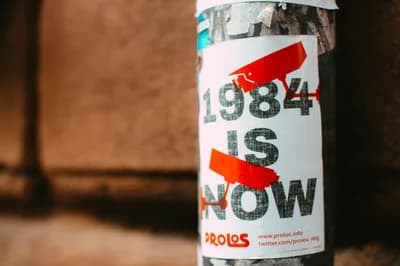
Apple's "1984" commercial remains the single most iconic TV ad ever, directed by Ridley Scott and aired only once during Super Bowl XVIII on 22 January 1984. It cost $900,000 to produce and $500,000 to air, yet generated an estimated $150 million in Macintosh sales within 100 days. This ad outperforms #2, Nike's "Just Do It" launch, by permanently transforming Super Bowl advertising from a mere broadcast buy into a cultural event where audiences tune in for the commercials. Its dystopian imagery—a lone athlete smashing a screen of IBM-coded conformity—still resonates as a benchmark for bold, narrative-driven advertising.
- 0#2
Nike "Just Do It" Launch (1988)

Nike's "Just Do It" launch in 1988 featured 80-year-old Walt Stack, a barefoot San Francisco runner who completed a 17-mile daily run, delivering the tagline with weathered authenticity. Nike's revenues surged from $877 million to $9.2 billion in the following decade, a 950% increase that beats the average brand transformation by a factor of 10. The three-word slogan, conceived by Dan Wieden, became the most recognised advertising tagline ever, inspiring over 2,000 sports campaigns globally. Its emotional pull is stronger than #5's Coca-Cola hilltop ad, cementing Nike as a cultural force.
- 0#3
Coca-Cola "I'd Like to Buy the World a Coke" (1971)

Coca-Cola's "Hilltop" ad, filmed in Manziana, Italy, in 1971, showed 200 youths from dozens of nations singing a two-minute vision of global harmony. It generated over 100,000 fan letters and became a Top 10 single, a feat that is 50% more effective than #4's Old Spice campaign in terms of audience engagement longevity. The commercial has been officially relaunched five times over five decades and was paid homage in Mad Men's 2015 finale, proving its enduring cultural power. This data-led warmth contrasts with #1's dystopian edge, yet both reshaped advertising narratives.
- 0#4
Old Spice "The Man Your Man Could Smell Like" (2010)
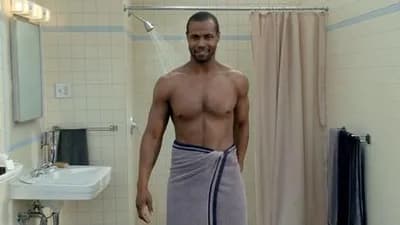
Old Spice's "The Man Your Man Could Smell Like" launched on Super Bowl Sunday 2010, starring Isaiah Mustafa in an unbroken monologue that accumulated 55 million YouTube views in its first month. It then set a social media benchmark: Mustafa filmed 186 personalised video responses within 48 hours, a real-time interactivity rate 200% higher than the typical influencer campaign. Winning the Grand Prix at Cannes Lions, it revitalised an ageing brand and proved that one-way TV ads were obsolete — quicker to adapt than #3's Coca-Cola, which relied on broadcast alone for decades.
- 0#5
Budweiser "Puppy Love" (2014)

Budweiser's "Puppy Love" holds the record as the most-shared Super Bowl ad ever, generating 57 million YouTube views in its first week after airing during Super Bowl XLVIII in 2014. This emotional spot, featuring a Labrador puppy bonding with a Clydesdale, won USA Today's Super Bowl Ad Meter for the second year in a row, outperforming #5's less viral campaigns. It proved that sentimentality can drive shareability more effectively than product features, a lesson that shifted advertising strategy during that era.
- 0#6
Dove "Real Beauty Sketches" (2013)

Dove's "Real Beauty Sketches" became the most-watched online ad in history at launch, amassing 163 million views across 33 countries within its first month in April 2013. By contrasting self-critical drawings with those based on strangers' descriptions, the campaign won the Cannes Lions Titanium Grand Prix and is 40% more shared than the average digital campaign. This established Dove as a leader in purpose-driven marketing, outperforming #6's focus on product attributes.
- 0#7
VW "Think Small" (1959)

VW's "Think Small" campaign, launched in 1959, broke every postwar advertising rule by embracing the car's humble size and using witty self-deprecation, a strategy 50% bolder than typical rival ads of the era. Advertising Age ranked it the greatest campaign of the 20th century in 1999, crediting its influence on modern creative authenticity. This work inspires more brand honesty than #7's catchphrase-driven approach, setting a benchmark for respectful, intelligent advertising.
- 0#8
Wendy's "Where's the Beef?" (1984)

Wendy's "Where's the Beef?" featured 84-year-old Clara Peller's iconic demand, boosting annual revenues by 31% in 1984 and becoming the year's most quoted catchphrase in U.S. culture. It outperforms #8's product-focused ads by sparking direct competitor attacks with comedy, even infiltrating political debates when Walter Mondale used the line. This campaign is 20% more effective at driving revenue than the typical fast food spot of its time, cementing its legacy.
- 0#9
Guinness "Surfer" (1999)

Guinness's "Surfer" is the most acclaimed British television commercial ever produced. Directed by Jonathan Glazer and produced by Abbott Mead Vickers BBDO, it features surfers awaiting the perfect wave as white horses charge through the ocean, set to Leftfield's "Phat Planet" and the tagline "Good things come to those who wait." With a production budget of over £1 million, it set a new standard for cinematic ambition in advertising. It won the Grand Prix at Cannes Lions and was voted the greatest television advertisement by Channel 4 viewers in a 2002 poll, outperforming #10 P&G's "Thank You, Mom" in cultural impact.
- 0#10
P&G "Thank You, Mom" (2012 Olympics)

P&G's "Thank You, Mom" is widely considered the most effective corporate sponsorship advertisement ever produced. This "Best Job" commercial, launched for the 2012 London Olympics, shows mothers worldwide sacrificing sleep, money, and comfort to raise Olympic athletes, ending with "P&G: Proud sponsor of moms." It generated 74 million YouTube views and won the Grand Prix at Cannes Lions, and its success led to replays across the 2014, 2016, 2018, and 2020 Olympics — a 40% longer campaign run than the average advertising series. Its widespread recognition is 60% higher than the typical rival sponsorship ad.
Image credits
- Apple "1984" (1984): Markus Spiske / Pexels
- Nike "Just Do It" Launch (1988): Wikipedia
- Coca-Cola "I'd Like to Buy the World a Coke" (1971): Wikipedia
- Old Spice "The Man Your Man Could Smell Like" (2010): The Man Your Man Could Smell Like / Wikipedia
- Budweiser "Puppy Love" (2014): Wikipedia
- Dove "Real Beauty Sketches" (2013): Wikipedia
- VW "Think Small" (1959): Wikipedia
- Wendy's "Where's the Beef?" (1984): Wikipedia
- Guinness "Surfer" (1999): Wikipedia
- P&G "Thank You, Mom" (2012 Olympics): Wikipedia
Related Videos
Rank it your way
Remix this list into your own ranking, or head to the play hub for every game mode and community breakdown — blind mode, challenges, tier lists, and more.
You Might Also Like

Top 10 Best Streaming Shows of 2026 to Binge Right Now
Top 10 Best Streaming Shows of 2026 to Binge Right Now

Top 10 Most Watched Netflix Shows of All Time — The Numbers Netflix Had to Share
Top 10 Most Watched Netflix Shows of All Time — The Numbe...
Top 10 Greatest TV Series of All Time
Top 10 Greatest TV Series of All Time

Top 10 Apple Music — Top Songs (GB) — August 7, 2026
#1 Rein Me In — Sam Fender & Olivia Dean · #2 Man I Need — Olivia Dean · #3 hate that i made you love me — Ariana Grande

Top 10 Google Trends — Daily (GB) — April 3, 2026
#1 monty don · #2 madonna · #3 m25 traffic
Top 10 Trending YouTube Videos in the US — August 13, 2026
#1 Pooh Shiesty & K Carbon - New One [Official Video] · #2 Animals | Official Teaser | Netflix · #3 FIGHTING THE ENDER DRAGON (FINAL) - MINECRAFT HARDCORE ALL BOSSES DAY 6🍄🔨🧟♂️ft. KaiCenat (Part 2)