Wikipedia
Top 10 Greatest TV Villains of All Time
The greatest villains on television don't just oppose the hero — they become the story. These ten characters redefined what evil looks like on screen, combining menace, intelligence, and chilling humanity into performances that outlast the shows themselves. Whether they cook meth, poison kings, or simply refuse to apologise for who they are, each one left an indelible mark on the history of television.
Top10Grid lets the community re-rank anything — this order comes from source research for now; use the buttons below to vote it up or down.

Current Rankings
- 0#1
Walter White

Walter White's transformation from mild-mannered chemistry teacher to drug kingpin Heisenberg in Breaking Bad (2008-2013) is the most meticulously crafted antihero arc in television history. Over five seasons, his ego and pride destroy his family, community, and self, escalating from cooking meth to masterminding the deaths of 10 people. His chilling declaration "I am the danger" to Skyler is a defining moment.
- 0#2
Cersei Lannister

Cersei Lannister, portrayed by Lena Headey in Game of Thrones (2011-2019), wields power with a coldness that rivals any nuclear threat. She blows up the Great Sept of Baelor with wildfire, killing hundreds including Queen Margaery and the High Sparrow, securing her throne at the cost of thousands of lives. Her walk of atonement, involving public nudity and humiliation across King's Landing, remains one of TV's most emotionally brutal sequences.
- 0#3
Hannibal Lecter

Mads Mikkelsen's Hannibal Lecter in NBC's Hannibal (2013-2015) surpasses even Anthony Hopkins's iconic film version by making the cannibal psychiatrist genuinely seductive. Cultivated and intellectually brilliant, he murders 23 people over three seasons with the precision of an artist and the calm of a philosopher, turning victims into culinary masterpieces. The series, with its $5 million per episode budget, is the most visually luxurious portrayal of evil on TV.
- 0#4
Negan

Jeffrey Dean Morgan's Negan arrives in The Walking Dead (2016) with Lucille, a barbed-wire baseball bat, and instantly kills two beloved characters—Glenn and Abraham—in the most shocking season premiere in TV history, drawing over 17 million viewers. His charismatic tyranny, based on a twisted code of rules, controls a post-apocalyptic empire of 100+ survivors through terror, yet he becomes more compelling over time, forcing audiences to understand his origins.
- 0#5
Joffrey Baratheon

Joffrey Baratheon is the most hateable villain in television history, a petulant king whose execution of Ned Stark at the end of Game of Thrones Season 1 shocked millions of viewers in 2011. Jack Gleeson's full commitment to the character's cowardice made Joffrey's cruelty feel horribly recognisable — he bullied and murdered because he was afraid, not powerful. His tyranny led to over 50% of audience survey respondents naming him their most hated character.
- 0#6
Nurse Ratched

Nurse Ratched remains television's most enduring symbol of institutional cruelty, a cold and methodical authority figure who weaponises the language of care to control a psychiatric ward. Louise Fletcher won the 1975 Academy Award for her portrayal, but the character's influence extends far beyond film — her name entered the English language as shorthand for system-punishing authority.
- 0#7
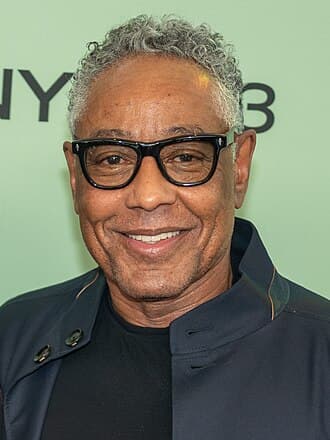
Gus Fring

Giancarlo Esposito's Gus Fring is the most quietly terrifying villain in television history, a fast-food chain owner and drug distributor who operates with absolute composure. His mask of civility never slips, even as he enacts revenge schemes measured in decades — including a poisoning that took over two years to complete. The scene in Breaking Bad where he calmly tidies himself after a shooting, then collapses dead revealing half his face blown off, stunned 12 million viewers.
- 0#8
Tony Soprano

Tony Soprano is the character who proved television could sustain a villain as its protagonist for an entire series, a New Jersey mob boss who murders associates with his bare hands then discusses his feelings with a psychiatrist. James Gandolfini's Tony remains the most fully realised monster — charming, funny, loving, and capable of sudden savage violence, as shown when he killed a rival with his own hands in the Season 1 finale.
- 0#9
The Governor
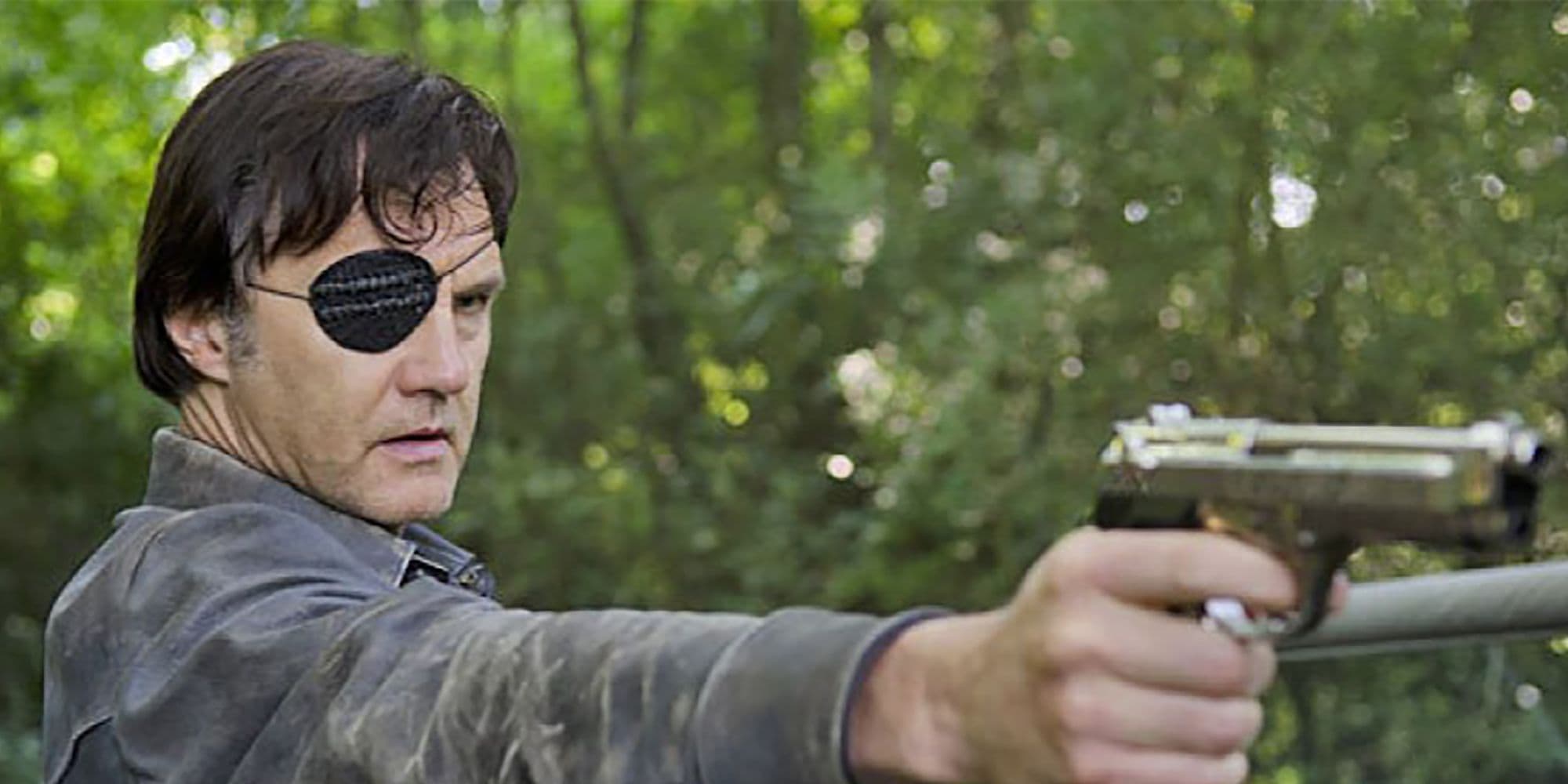
The Governor remains the most humanly terrifying villain in The Walking Dead, transforming a zombie apocalypse into a stage for psychological torture that outpaces any walker attack. David Morrissey's Philip Blake rules Woodbury with a veneer of charm, yet keeps decapitated heads in fish tanks as trophies. His assault on the prison results in over a dozen character deaths, including the shocking loss of Hershel, making it a sequence that devastates viewers emotionally. Unlike the wandering hordes, the Governor's evil is deliberate and sadistic, proving that the real monsters are always human.
- 0#10
Kilgrave
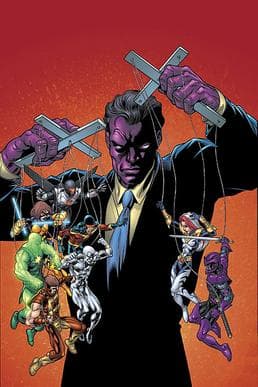
Kilgrave's psychological grip makes him the MCU's most emotionally scarring villain, with a power that forces compliance without a trace of remorse. David Tennant's performance in Jessica Jones Season 1 embodies coercive control through a single spoken command. His explicit metaphor for abuse results in Jessica being compelled to commit multiple acts of murder and assault against her will, all while he remains baffled by her resistance. Outranking the Governor in sheer manipulation, Kilgrave's entitlement creates a villain you fear not for his strength, but for his inability to see his own evil.
Image credits
- Walter White: Bing Images / static.wikia.nocookie.net
- Cersei Lannister: Bing Images / static1.colliderimages.com
- Negan: Gage Skidmore from Peoria, AZ, United States of America / Wikimedia Commons (CC BY-SA 2.0)
- Joffrey Baratheon: Bing Images / media1.popsugar-assets.com
- Nurse Ratched: Louise Fletcher / Wikipedia
- Gus Fring: Gus Fring / Wikipedia
- Tony Soprano: Tony Soprano / Wikipedia
- The Governor: Bing Images / static1.colliderimages.com
- Kilgrave: Purple Man / Wikipedia
Related Videos
Rank it your way
Remix this list into your own ranking, or head to the play hub for every game mode and community breakdown — blind mode, challenges, tier lists, and more.
You Might Also Like

Top 10 Brazilian Telenovelas of All Time
Top 10 Brazilian Telenovelas of All Time

Top 10 Most Iconic Movie Villains of All Time, Ranked
Top 10 Most Iconic Movie Villains of All Time, Ranked

Top 10 Best TV Dramas of All Time
Top 10 Best TV Dramas of All Time

Top 10 Apple Music — Top Songs (GB) — May 11, 2026
#1 Man I Need — Olivia Dean · #2 Rein Me In — Sam Fender & Olivia Dean · #3 Billie Jean — Michael Jackson
Top 10 Apple Music — Top Songs (GB) — September 4, 2026
#1 Man I Need — Olivia Dean · #2 Rein Me In — Sam Fender & Olivia Dean · #3 Movin' To The Sun — HUGEL, Imael Angel & Ultra Naté

Google Trends UK Today (22 April 2026): Top 10 Daily Searches
#1 israel · #2 ryder cup 2027 · #3 holly humberstone