
Sinbad (comedian) / Wikipedia
Top 10 Greatest Stand-Up Comedians of All Time
From Lenny Bruce's 1950s obscenity trials to Dave Chappelle's Netflix specials, these 10 stand-up comedians reshaped comedy, challenged censorship, and transformed the art form into a vehicle for social commentary, with their landmark albums and specials collectively selling tens of millions of copies and influencing every comedian who came after.
Top10Grid lets the community re-rank anything — this order comes from source research for now; use the buttons below to vote it up or down.

Current Rankings
- 0

Richard Pryor is widely regarded as one of the greatest stand-up comedians of all time, a reputation cemented by his 1979 film *Richard Pryor: Live in Concert*, a landmark of the stand-up concert film genre, inducted into the National Film Registry in 2021. His raw, autobiographical storytelling on race and addiction shattered comedy norms, earning him 5 Grammy Awards for Best Comedy Album and the inaugural Kennedy Center Mark Twain Prize in 1998. His 1975 album *...Is It Something I Said?* was a genuine chart hit, a rare feat for a comedy record.
- 0

George Carlin's "Seven Words You Can Never Say on Television" routine got him arrested in 1972, and the resulting case — FCC v. Pacifica Foundation — went all the way to the Supreme Court in 1978, where it became the ruling that still shapes what broadcast television can and can't say. That's an unusual legacy for a comedy bit: most jokes don't get cited in law school. He also delivered the first-ever HBO stand-up special, in 1977, and won the Kennedy Center's Mark Twain Prize in 2008. What made him great wasn't the controversy so much as the precision underneath it — he took language apart word by word until the absurdity was undeniable.
- 0
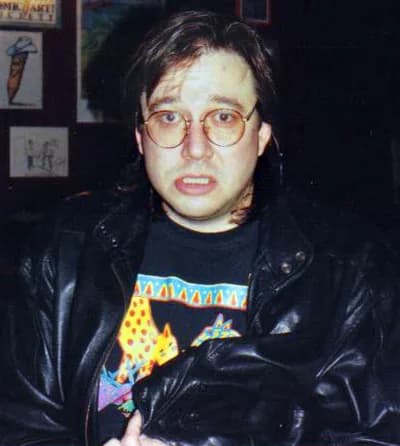
Bill Hicks died of pancreatic cancer in 1994, at 32, having never had the mainstream career his material deserved — and then became more influential after death than most comedians manage while alive. Relentless (1991) and Revelations (1993) turned observational comedy into something closer to philosophy: rants on advertising, consumerism, and politics delivered with real anger underneath the jokes. Comedians who came up afterward, Joe Rogan among the most vocal, still cite him as a formative influence. He's the answer to "who's the comedian's comedian" more often than anyone else on this list.
- 0

Eddie Murphy's 1983 HBO special *Delirious* and 1987's *Raw* remain two of the most successful stand-up recordings ever made, with *Raw* grossing over $50 million at the box office — still the highest-grossing stand-up concert film of all time as of 2024. His energetic, character-driven comedy won him a Grammy for Best Comedy Album in 1984, and he's routinely ranked among the greatest stand-up comedians by entertainment critics. *Delirious*'s popularity was strong enough to pave the way for *Raw*'s wide theatrical release four years later.
- 0

Robin Williams didn't so much perform stand-up as detonate it — an improvisational speed and range that made every other comedian on this list look composed by comparison. Reality... What a Concept (1979) captured him early, manic and already inventing characters mid-sentence faster than the audience could track; Live on Broadway (2002) caught him older and, if anything, still accelerating. He won a Grammy Award for Best Comedy Album for Reality... What a Concept, but awards were never really the point with Williams — the point was that no two performances of the same bit ever came out the same way twice.
Sourcesen.wikipedia.org - 0
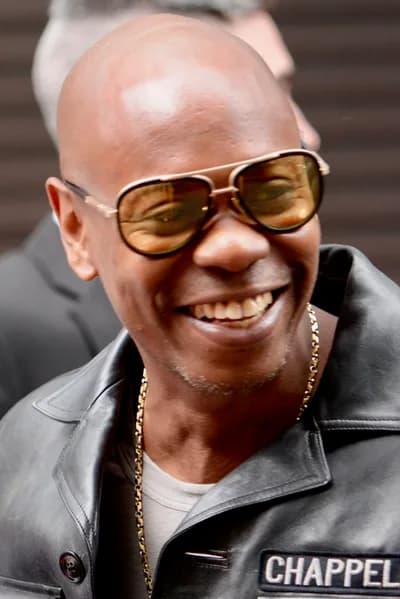
Dave Chappelle's return after a 12-year hiatus with 2017's *The Age of Spin* and *Deep in the Heart of Texas* earned him 3 consecutive Grammy Awards for Best Comedy Album (2018–2020). His *Chappelle's Show* (2003–2006) became one of Comedy Central's highest-rated series, and its Season 1 DVD was the best-selling TV series set of its era, selling over two million copies. Chappelle received the Mark Twain Prize in 2019. His specials are consistently praised by critics and audiences alike for their sharp, unflinching social commentary.
- 0

Bring the Pain (1996) is the special people mean when they talk about a comedian arriving fully formed — sharp racial and political material delivered with a controlled anger that hadn't really been on HBO before, and it won Emmys for it. Bigger and Blacker (1999) proved it wasn't a one-off. Chris Rock's real skill was pacing: he could build a bit for three full minutes of escalating tension and land it exactly when the room couldn't take any more. Almost every comedian doing pointed political material since owes him something.
- 0

Joan Rivers broke into late night before almost any other woman got the chance, hosting Fox's The Late Show starting in 1986 — a move that cost her her relationship with Johnny Carson and nearly her career, and she kept working anyway. That's the throughline for her whole life in comedy: relentless, self-deprecating, often savage material delivered by someone who refused to be sidelined by an industry that kept trying to sideline her. She was still releasing new stand-up and winning new awards well into her 80s, decades after most careers would have quietly ended.
- 0
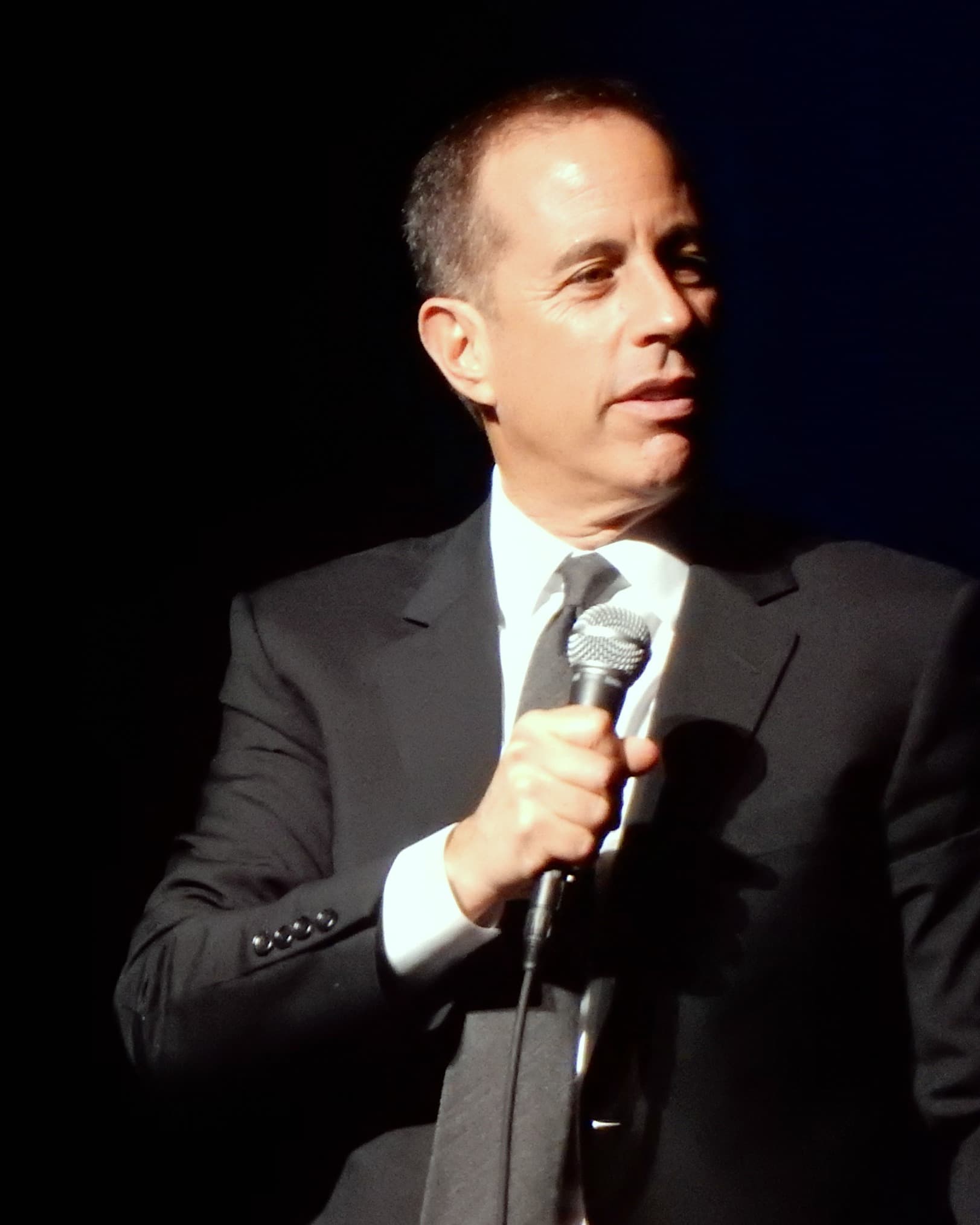
Jerry Seinfeld's clean, observational stand-up helped make Seinfeld a syndication phenomenon that has generated well over $1 billion in revenue, proving his mass appeal. His 1998 special 'I'm Telling You for the Last Time' was a major home-video success, and he continues to tour extensively today. In 2017, Forbes ranked him the highest-paid comedian at $69 million, and his material remains widely regarded as timeless across generations.
Sourcesen.wikipedia.org - 0#10

Lenny Bruce revolutionized stand-up with fearless social commentary, facing four obscenity arrests between 1961 and 1964 that led nearly every nightclub in the country to blacklist him, ultimately cutting his career short. He received a posthumous pardon from New York Governor George Pataki in 2003. His early-1960s albums, including *Interviews of Our Times*, remain landmark recordings of the era despite the censorship battles surrounding them.
Sourcesen.wikipedia.org
Watch the ranking video
Why This List Skews American, Post-War, and Mostly Male
It's worth naming what this ranking actually is: a list of English-language, overwhelmingly American stand-up, drawn almost entirely from the era after recorded comedy albums and televised specials became the way reputations were made — roughly the 1960s onward. Joan Rivers is the only woman here, which says less about the ten choices individually and more about how narrow the pipeline to 'greatest of all time' status has historically been for stand-up, a genre that grew up in American comedy clubs, HBO specials, and late-night television. Comedians working in other languages, other countries, or outside that specific recorded-media pipeline are essentially invisible to a list built this way, not because they didn't matter, but because the list format itself has a blind spot.
From Vinyl Album to Streaming Special: A Format That Kept Changing Underneath the Art Form
Part of what separates the comedians on this list is the format their reputations were actually built on, and that format changed dramatically across the decades represented here. Lenny Bruce and Richard Pryor built their earliest reputations on live club performances and vinyl comedy albums, a format with no visual component at all. George Carlin and Joan Rivers straddled that era and the rise of the televised special. By the time of Chris Rock's Bring the Pain and Dave Chappelle's Netflix run, the special itself — filmed, edited, and distributed to a mass audience in one sitting — had become the primary unit of a comedian's reputation, closer to a feature film release than a club set. A comedian's material didn't just get funnier over these decades; the entire mechanism by which an audience encountered it changed underneath them.
Image credits
- Richard Pryor: Wikimedia Commons
- George Carlin: Kevin Armstrong / Wikimedia Commons (CC BY-SA 3.0)
- Bill Hicks: Bill Hicks at the Laff Stop in Austin, Texas, 1991 (2) cropped.jpg / Wikimedia Commons
- Eddie Murphy: David Shankbone / Wikimedia Commons (Public domain)
- Robin Williams: John J. Kruzel / American Forces Press Service / Wikimedia Commons (Public domain)
- Dave Chappelle: Dave Chappelle (42791297960) (cropped).jpg / Wikimedia Commons
- Chris Rock: Wikimedia Commons
- Joan Rivers: Joan Rivers / Wikipedia
- Jerry Seinfeld: Wikimedia Commons
- Lenny Bruce: Wikimedia Commons
Related Videos
Rank it your way
Remix this list into your own ranking, or head to the play hub for every game mode and community breakdown — blind mode, challenges, tier lists, and more.
You Might Also Like

Top 10 Richest Actors in the World
Top 10 Richest Actors in the World

Top 10 Greatest Stand-Up Comedy Specials of All Time
Top 10 Greatest Stand-Up Comedy Specials of All Time

Top 10 Greatest Pop Stars of All Time
Top 10 Greatest Pop Stars of All Time
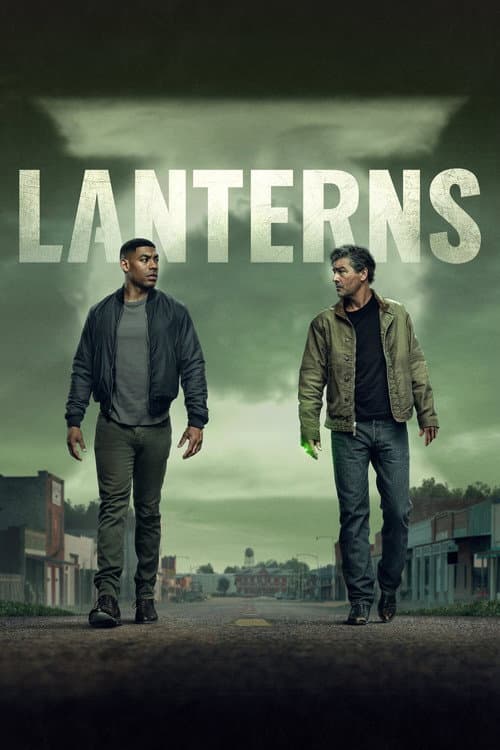
Top 10 Trending TV Shows Worldwide on TMDB — Week of Sep 7–13, 2026
#1 Lanterns · #2 Silo · #3 The Gentlemen
Top 10 Apple Podcasts — Top Shows (US) — April 23, 2026
#1 The Daily · #2 Crime Junkie · #3 Dateline NBC
Top 10 Google Trends — Daily (GB) — September 10, 2026
#1 pharmacy first migraine · #2 benjamin šeško · #3 nepal