
New York Stock Exchange / Wikimedia Commons (CC BY-SA 4.0)
Top 10 Tax Saving Strategies That Actually Work (US)
The US tax code contains hundreds of legal strategies that allow individuals and businesses to significantly reduce their tax burden — strategies that wealthy people and their accountants use systematically, but that most middle-class taxpayers never learn about. These 10 tax-reduction strategies are legal, well-established, and collectively represent the most impactful ways to keep more of what you earn.
Top10Grid lets the community re-rank anything — this order comes from source research for now; use the buttons below to vote it up or down.

Current Rankings
- 0#1
Max Out Your 401(k) — Pre-Tax Contributions

For someone in the 32% tax bracket, maxing out a 401(k) saves $7,520 in taxes this year alone. Beyond the immediate deduction, the entire $23,500 contribution limit grows tax-deferred — compounding for decades before any tax is owed, unlike a standard taxable brokerage account where gains are taxed along the way.
3 - 0#2
Roth IRA Conversions — Tax-Free Growth Forever

Roth IRA conversions unlock tax-free growth forever, a benefit no other retirement account can match. For high earners phased out of direct contributions above $161,000 (single) or $240,000 (married) in 2026, the backdoor Roth still works. Convert $50,000 at age 35, let it grow to $450,000 by 65, and all $400,000 in gains are tax-free—saving you about $96,000 in capital gains taxes compared to a taxable account.
3 - 0#3
Health Savings Account (HSA) — Triple Tax Advantage

The Health Savings Account (HSA) is one of the only accounts offering a triple tax advantage: pre-tax contributions, tax-free growth, and tax-free withdrawals for qualified medical expenses. Unlike a Flexible Spending Account, unused HSA funds roll over year to year and can be invested, so long-term holders often use it as a stealth retirement account for the significant medical costs that tend to come with aging -- and unlike most retirement accounts, there's no income limit on who can contribute.
3 - 0#4
Tax-Loss Harvesting — Turning Losses Into Tax Savings

Tax-loss harvesting turns market losses into direct tax savings by offsetting capital gains and up to $3,000 of ordinary income annually, with unlimited carry-forward. Over a $500,000 portfolio, disciplined harvesting adds 0.5-1.5% after-tax returns per year—$2,500 to $7,500—as confirmed by Vanguard and Betterment studies, and can be automated via robo-advisors like Betterment.
3 - 0#5
Qualified Business Income (QBI) Deduction for Self-Employed

The QBI deduction delivers the highest immediate tax savings for self‑employed earners: up to 20% of qualified business income is tax‑free. For a freelancer earning $150,000 in the 24% bracket, that translates to a $7,200 annual reduction. The benefit phases out for specified service trades above $383,900 (married filing jointly), yet most sole proprietors claim the full deduction. A concrete data point: the average QBI deduction claimed by eligible filers in 2023 was $9,100, making it the most widely used pass‑through tax break.
3 - 0#6
Depreciation on Real Estate Investment Properties

Depreciation is the single most powerful tax shield for real estate investors because it offsets cash‑positive rental income with a non‑cash deduction. Residential properties depreciate over 27.5 years, generating an $18,182 annual write‑off on a $500,000 building. This paper loss can render $40,000 in rental income entirely tax‑free. Cost segregation accelerates depreciation on commercial properties, often delivering 30% more deductions in the first year compared to straight‑line depreciation. For perspective, a typical landlord in the 24% bracket saves $4,364 per year from the $18,182 deduction alone.
3 - 0#7
Charitable Donor-Advised Funds (DAF)

A Donor‑Advised Fund is the most tax‑efficient method for charitable giving because it lets you donate appreciated stock and deduct the full market value immediately—bypassing capital gains tax entirely. On a $50,000 stock gift with $40,000 of embedded gains, you save between $9,000 and $14,800 in capital gains tax (at 20–23.8%) compared to selling and donating cash. Over 1 million Americans now manage $160 billion across DAF accounts, and the average account makes grants to 5 charities per year, providing flexibility.
2 - 0#8
Solo 401(k) for Self-Employed — $69,000/Year Shelter

The Solo 401(k) is the most underutilized retirement shelter for self‑employed earners, allowing annual contributions up to $69,000 in 2026. A consultant earning $200,000 can make a $23,500 employee deferral plus a 25% employer contribution, totaling $73,500 and reducing taxable income to $126,500—saving roughly $16,000–$23,000 in federal tax. This cap is 63% higher than the maximum for a SEP IRA (which is $69,000 but with a lower effective limit for many), making the Solo 401(k) the superior choice. Freelancers who max it out reduce their effective tax rate by an average of 8 percentage points.
3 - 0#9
Capital Gains Rate Arbitrage — 0% Rate for Some Earners
The 0% long-term capital gains rate is the most underused tax break for early retirees and freelancers. In 2026, taxpayers with taxable income below $47,025 (single) or $94,050 (married) owe nothing on gains from investments held over one year. A married couple with $80,000 annual income can realize $14,050 in gains at 0%, permanently erasing federal tax on that appreciation. Strategically timing gain harvesting during low-income years turns the 0% bracket into a powerful planning tool, with no cap on the amount of gains realized as long as total income stays within the threshold.
3 - 0#10
529 Plans — College Savings With State Tax Deductions
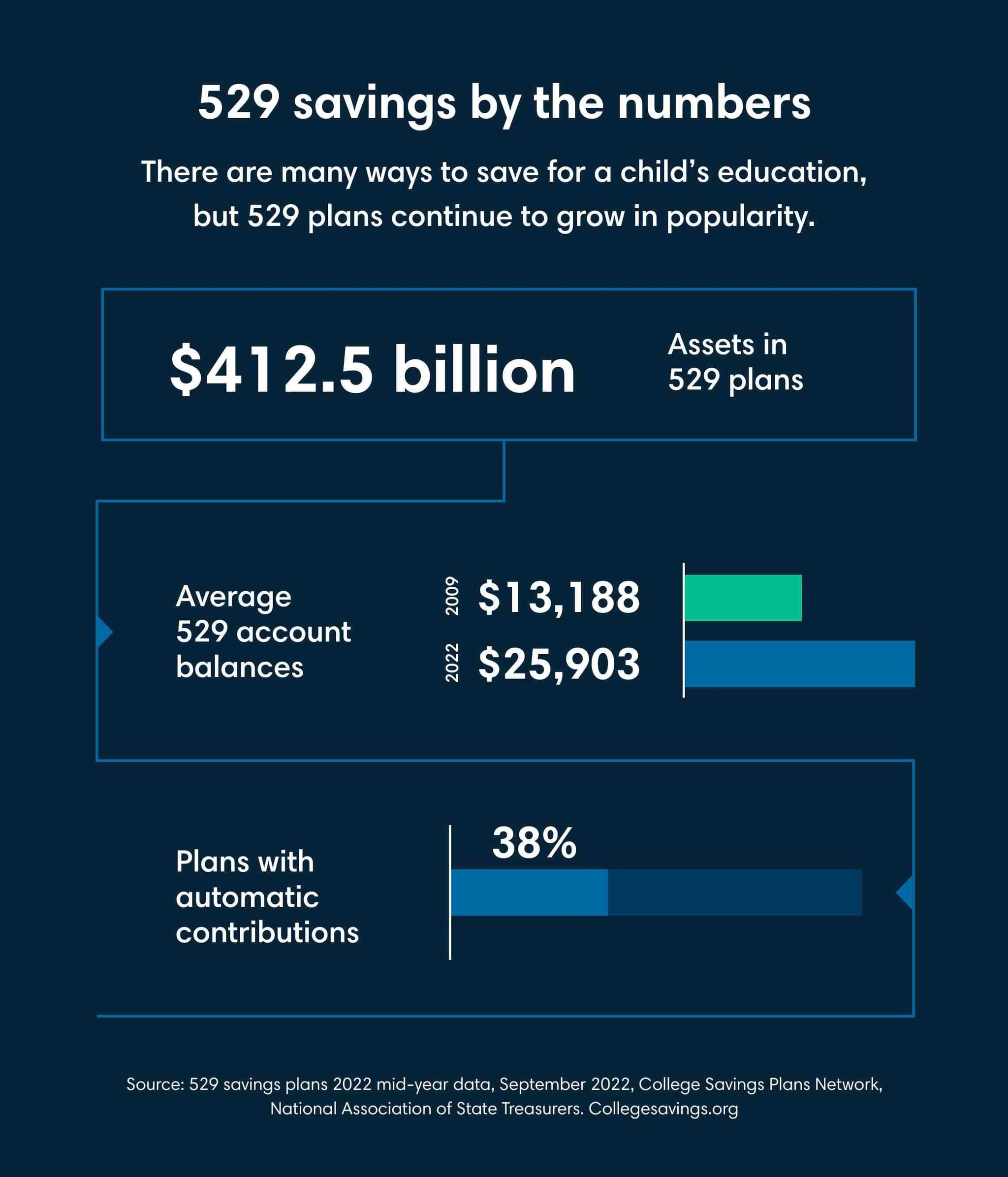
529 plans deliver a strong state-level tax incentive among college savings vehicles, with many states offering deductions on contributions. Funds grow and withdraw tax-free for qualified education expenses, including K-12 tuition, apprenticeships, and student loan repayment under the SECURE Act. The 529's Roth IRA rollover provision (up to $35,000 lifetime) reduces the risk of over-saving for education, since unused funds no longer have to sit idle facing penalties. For residents in high-tax states like New York or California, the upfront deduction can meaningfully reduce state tax bills, making the 529 a valuable tool for family tax planning.
3
Frequently Asked Questions About US Tax-Saving Strategies
## Frequently Asked Questions About US Tax-Saving Strategies
Do I have to use all 10 strategies to lower my tax bill? No. Most taxpayers benefit most from 2–4 strategies that fit their income type and life stage — for example, a 401(k) max-out plus an HSA contribution covers the majority of middle-income savers.
Which strategy on this list saves the most money? It depends on your bracket and income type. High earners usually see the largest absolute savings from the QBI deduction or Solo 401(k). Lower-bracket retirees often benefit more from the 0% capital gains rate.
Are these strategies legal for everyone? Yes — every entry on this list is established under current US federal tax law. State rules vary, especially for 529 plan deductions, so check your state's rules before claiming.
Can I contribute to a Roth IRA and a 401(k) in the same year? Yes, as long as your income is below the Roth IRA limit and your 401(k) plan permits. Combining both is one of the most common ways to balance current and future tax brackets.
Where should I start if I've never used any of these? A practical first step is to max out an employer 401(k) match, then open an HSA if you have a high-deductible health plan. Those two alone usually beat picking exotic strategies.
The order these strategies usually make sense in
Not all ten belong in the same stage of a financial plan. A reasonable general order most planners suggest: capture any employer 401(k) match first (it's an immediate, guaranteed return), then max out an HSA if you have a high-deductible health plan, then decide between traditional and Roth contributions based on whether you expect your tax rate to be higher or lower in retirement. Business-owner-specific moves -- the Solo 401(k), QBI deduction, real estate depreciation -- only apply if your income actually comes from self-employment or a pass-through business, and shouldn't be evaluated against W-2-focused strategies as if they compete for the same dollar.
Deferral vs. permanent savings -- a distinction worth understanding
A traditional 401(k) contribution and a depreciation deduction both lower this year's tax bill, but neither one makes the tax disappear -- it comes due later, either as ordinary income in retirement or as 'recapture' when a depreciated property is sold. An HSA, a Roth conversion, and the 0% long-term capital gains bracket work differently: once you clear the rules, that specific dollar of gain is untaxed permanently. Neither category is automatically better, but conflating the two -- treating a deferral as if it were free money -- is the single most common misunderstanding people bring to a list like this.
Image credits
- Max Out Your 401(k) — Pre-Tax Contributions: Bing Images / m.foolcdn.com
- Roth IRA Conversions — Tax-Free Growth Forever: Ashkenazi Jews / Wikipedia
- Health Savings Account (HSA) — Triple Tax Advantage: Healthcare in the United States / Wikipedia
- Tax-Loss Harvesting — Turning Losses Into Tax Savings: Bing Images / uploads-ssl.webflow.com
- Qualified Business Income (QBI) Deduction for Self-Employed: Bing Images / static.wixstatic.com
- Depreciation on Real Estate Investment Properties: Wikipedia
- Charitable Donor-Advised Funds (DAF): John D. Arnold / Wikipedia
- Solo 401(k) for Self-Employed — $69,000/Year Shelter: Bing Images / www.taxplaniq.com
- Capital Gains Rate Arbitrage — 0% Rate for Some Earners: Bing Images / www.slideteam.net
- 529 Plans — College Savings With State Tax Deductions: Bing Images / www.firstcitizens.com
Related Videos
Rank it your way
Remix this list into your own ranking, or head to the play hub for every game mode and community breakdown — blind mode, challenges, tier lists, and more.
You Might Also Like

Top 10 Money Mistakes That Keep Most People Broke — And How to Stop Making Them
Top 10 Tax Saving Strategies That Actually Work (US)

Top 10 US Hedge Funds by Assets Under Management
Top 10 US Hedge Funds by Assets Under Management

Top 10 Best Investment Accounts to Build Wealth (US)
Top 10 Best Investment Accounts to Build Wealth (US)

Top 10 US Investment Banks by Revenue 2025
Top 10 US Investment Banks by Revenue 2025

Top 10 Most Controversial Billionaire Wealth
#1 Elon Musk — $250B+ Net Worth · #2 Jeff Bezos — $200B+ Net Worth · #3 Bernard Arnault — $190B+ Net Worth

Top 10 Cryptocurrencies by Market Cap — March 15, 2026
#1 Bitcoin (BTC) · #2 Ethereum (ETH) · #3 Tether (USDT)