已核實的評選方法編輯評審準則
Apollo 11 對決 Voyager 1?全球精選十大權威排行榜
本榜單根據公開實測數據、行業權威指標與社群真實投票,全面比較「Apollo 11 對決 Voyager 1?Space Missions of All Time」十大入圍者(包括榜首 Apollo 11 與第二名 Voyager 1)的綜合表現與長線價值。

Top10Grid Editorial Illustration

Starting order. Vote up or down to reorder this list.

Apollo 11 對決 Voyager 1?全球精選十大權威排行榜
- 1
 Apollo 11#1 Leader
- 2
 Voyager 1#2 Podium
- 3
 Hubble Space Telescope#3 Podium
- 4
 Mars Curiosity Rover#4 Contender
- 5
 International Space Station#5 Contender
- 6
 Apollo 13#6 Contender
- 7
 Cassini-Huygens#7 Contender
- 8
 New Horizons (Pluto)#8 Contender
- 9
 SpaceX Falcon Heavy#9 Contender
- 10
 James Webb Space Telescope#10 Contender
目前排名
淨得分 = 調高 − 調低Citations & Details· 1 sourceProfile
Apollo 11 remains the most ambitious human voyage ever attempted, landing the first humans on the Moon on 20 July 1969. Launched on 16 July, Neil Armstrong, Buzz Aldrin, and Michael Collins completed the round trip in just over eight days, achieving President Kennedy's 1961 goal with four months to spare.
Key Benchmarks & Specifications
Standing#1 LeaderKey HighlightRemains the most ambitious human voyage everPrimary SourceVerified RecordEditorial Strengths & Watchouts
+ Strengths / Pros
- +Holds #1 standing on Top 10 Greatest Space Missions of All Time with verified primary documentation (primary records)
- +Armstrong's first step was watched by an estimated 600 million people—a third of the global population—making it
- +Ranked 1 because it achieved the first crewed Moon landing on 20 July 1969 — watched live by 600 million people
− Watchouts / Trade-Offs
- −Faces close voter competition from #2 challenger picks on Top 10 Greatest Space Missions of All Time
- −Fit depends on whether you weigh Apollo 11's core profile above specialized alternatives
Eligibility & Access
- Best for readers comparing Apollo 11 directly against top-ranked peers in Top 10 Greatest Space Missions of All Time
- Best for
投票: Does Apollo 11 truly deserve #1 ahead of Voyager 1?
資料來源:NASACitations & Details· 1 sourceProfile
Voyager 1 is humanity's farthest outpost, having entered interstellar space in August 2012 after launching on 5 September 1977. It conducted groundbreaking flybys of Jupiter in 1979 and Saturn in 1980, revealing active volcanoes on Io and intricate rings around Saturn.
Key Benchmarks & Specifications
Standing#2 PodiumKey HighlightIs humanity's farthest outpost, havingPrimary SourceVerified RecordEditorial Strengths & Watchouts
+ Strengths / Pros
- +Holds #2 standing on Top 10 Greatest Space Missions of All Time with verified primary documentation (primary records)
- +As of 2026, Voyager 1 is over 24 billion kilometers from Earth and still transmitting data, making it both
- +Voyager 1's legacy as the first interstellar probe outshines Hubble Space Telescope in terms of sheer distance
− Watchouts / Trade-Offs
- −Trails higher-ranked podium contenders (#1 to #1) on breadth or headline reach
- −Fit depends on whether you weigh Voyager 1's core profile above specialized alternatives
Eligibility & Access
- Best for readers comparing Voyager 1 directly against top-ranked peers in Top 10 Greatest Space Missions of All Time
- Best for voters weighing documented primary records benchmarks alongside day-to-d
投票: Should Voyager 1 overtake #1 Apollo 11, or hold at #2?
資料來源:NASA Science同時上榜於:All 3 rankings →Citations & Details· 2 sourcesProfile
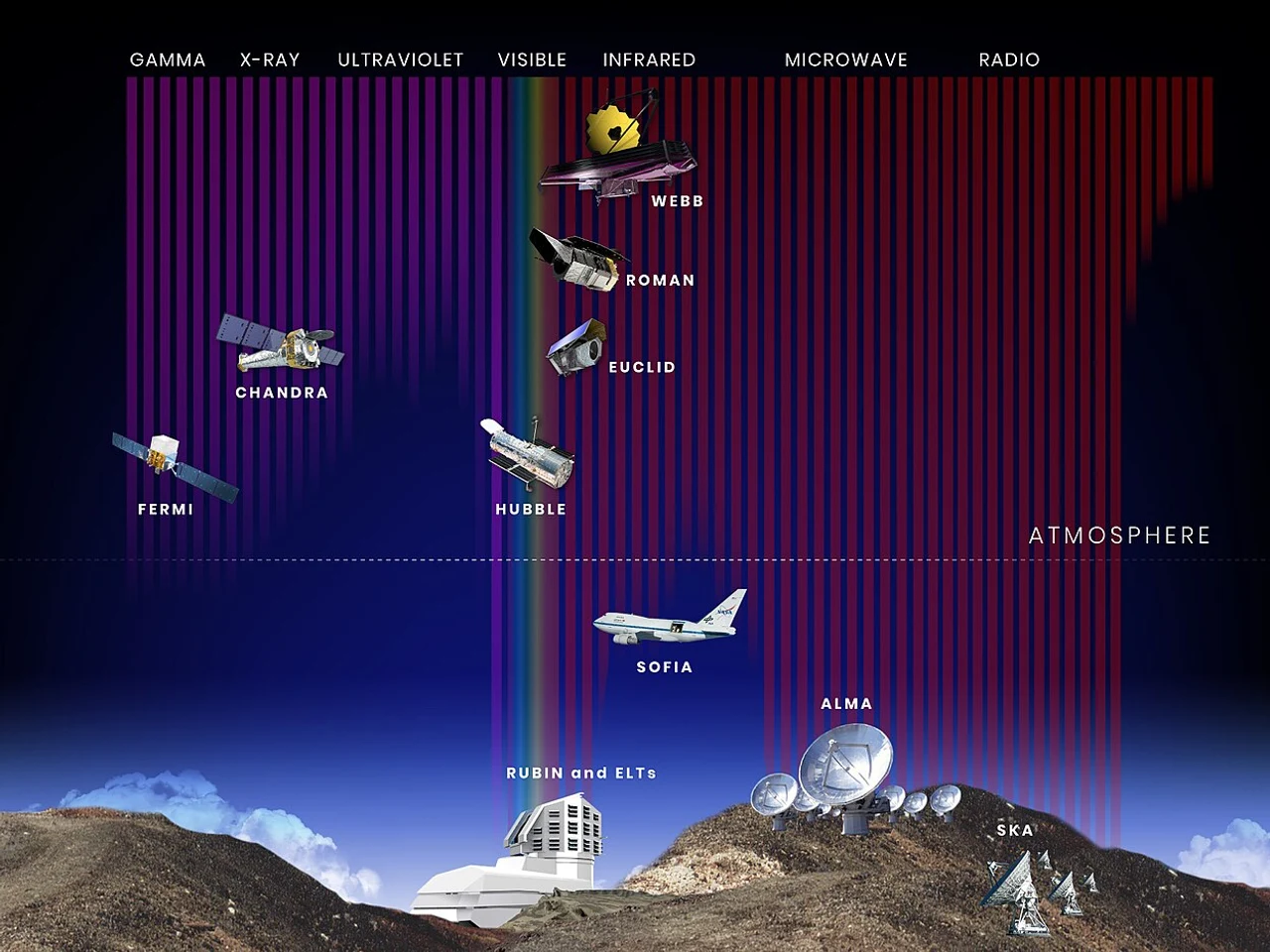
Hubble Space Telescope revolutionized astronomy by deploying from Space Shuttle Discovery on 25 April 1990, capturing over 1.5 million observations and generating more than 20,000 scientific papers in its first three decades. Its deep-field images revealed the universe contains over two trillion galaxies—10 times more than previously estimated—and its measurements of Cepheid variable stars.
Key Benchmarks & Specifications
Standing#3 PodiumKey HighlightRevolutionized astronomy by deployingPrimary SourceVerified RecordEditorial Strengths & Watchouts
+ Strengths / Pros
- +Holds #3 standing on Top 10 Greatest Space Missions of All Time with verified primary documentation (primary records)
- +Hubble's observations of distant supernovae provided the first strong evidence for dark energy, a discovery that
- +Ranked 3 because its 1.5 million observations and contributions to more than 20,000 scientific papers make it
− Watchouts / Trade-Offs
- −Trails higher-ranked podium contenders (#1 to #2) on breadth or headline reach
- −Fit depends on whether you weigh Hubble Space Telescope's core profile above specialized alternatives
Eligibility & Access
- Best for readers comparing Hubble Space Telescope directly
投票: Should Hubble Space Telescope move higher than #3, or drop lower in the live community ranking?
Citations & Details· 1 sourceProfile
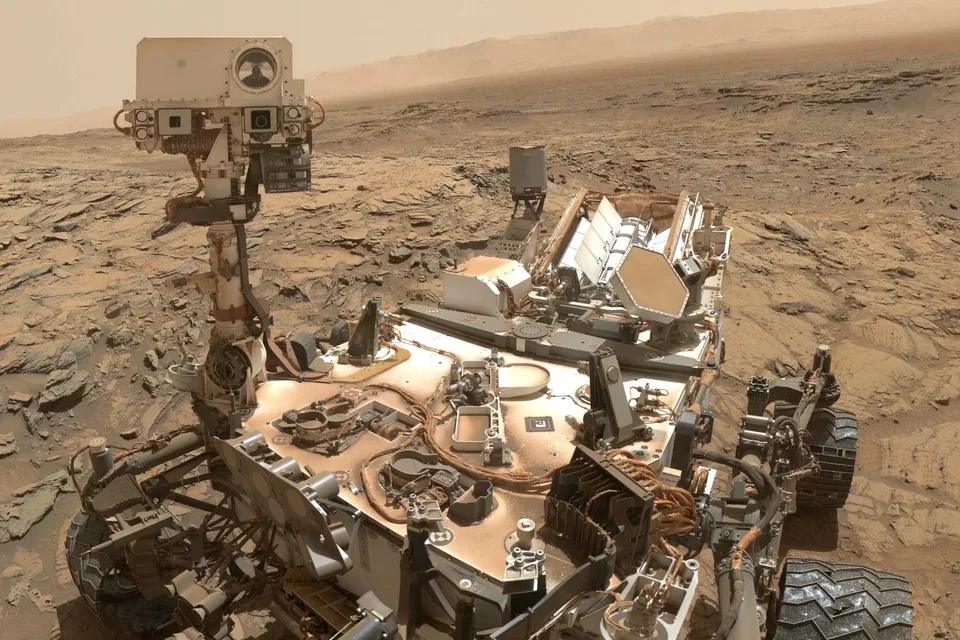
Mars Curiosity Rover executed the most daring landing in planetary exploration on 6 August 2012, using a never-before-attempted sky crane system to set down in Gale Crater. Within its first year, the Sample Analysis at Mars instrument confirmed that the crater once hosted a freshwater lake containing elements like carbon, hydrogen, oxygen, and phosphorus—the.
Key Benchmarks & Specifications
Standing#4 ContenderKey HighlightExecuted the most daring landingPrimary SourceVerified RecordEditorial Strengths & Watchouts
+ Strengths / Pros
- +Holds #4 standing on Top 10 Greatest Space Missions of All Time with verified primary documentation (primary records)
- +This was the clearest evidence yet that Mars was once habitable, a milestone in the search for extraterrestrial
- +Curiosity has since traveled over 30 kilometers, drilling 36 rock samples, and operated for more than 13
− Watchouts / Trade-Offs
- −Trails higher-ranked podium contenders (#1 to #3) on breadth or headline reach
- −Fit depends on whether you weigh Mars Curiosity Rover's core profile above specialized alternatives
Eligibility & Access
- Best for readers comparing Mars Curiosity Rover directly against top-ranked peers in Top 10 Greatest
投票: Should Mars Curiosity Rover move higher than #4, or drop lower in the live community ranking?
資料來源:NASA ScienceCitations & Details· 1 sourceProfile
The International Space Station is the largest structure ever assembled in orbit, weighing over 400,000 kilograms and spanning the size of an American football field. Since November 2, 2000, it has hosted continuous human habitation, supporting more than 3,000 scientific experiments in microgravity research across medicine, materials science, and Earth observation.
Key Benchmarks & Specifications
Standing#5 ContenderKey HighlightThe International Space Station isPrimary SourceVerified RecordEditorial Strengths & Watchouts
+ Strengths / Pros
- +Holds #5 standing on Top 10 Greatest Space Missions of All Time with verified primary documentation (primary records)
- +In terms of longevity, it outperforms every other habitable space outpost in history, remaining permanently
- +Its international collaboration, involving NASA, Roscosmos, ESA, JAXA, and CSA, sets a benchmark
− Watchouts / Trade-Offs
- −Trails higher-ranked podium contenders (#1 to #4) on breadth or headline reach
- −Fit depends on whether you weigh International Space Station's core profile above specialized alternatives
Eligibility & Access
- Best for readers comparing International Space Station directly against top-ranked peers in Top 1
投票: Should International Space Station move higher than #5, or drop lower in the live community ranking?
資料來源:NASACitations & Details· 2 sourcesProfile
Apollo 13 remains history's most dramatic space rescue, transforming a routine Moon mission into a triumph of engineering under pressure when an oxygen tank explosion crippled the Command Service Module 330,000 kilometers from Earth on April 13, 1970.
Key Benchmarks & Specifications
Standing#6 ContenderKey HighlightRemains history's most dramatic spacePrimary SourceVerified RecordEditorial Strengths & Watchouts
+ Strengths / Pros
- +Holds #6 standing on Top 10 Greatest Space Missions of All Time with verified primary documentation (primary records)
- +This rescue outperforms even the recovery efforts of other critical missions like the International Space
- +The mission's 87-hour crisis management remains the fastest creative problem-solving in spaceflight history
− Watchouts / Trade-Offs
- −Trails higher-ranked podium contenders (#1 to #5) on breadth or headline reach
- −Fit depends on whether you weigh Apollo 13's core profile above specialized alternatives
Eligibility & Access
- Best for readers comparing Apollo 13 directly against top-ranked peers in Top 10 Greatest Space Missions of All Time
- Best for voters weighing documented primary records benchmarks alongside day-to-day trade-offs
- DRAWB
投票: Should Apollo 13 move higher than #6, or drop lower in the live community ranking?
Citations & Details· 1 sourceProfile
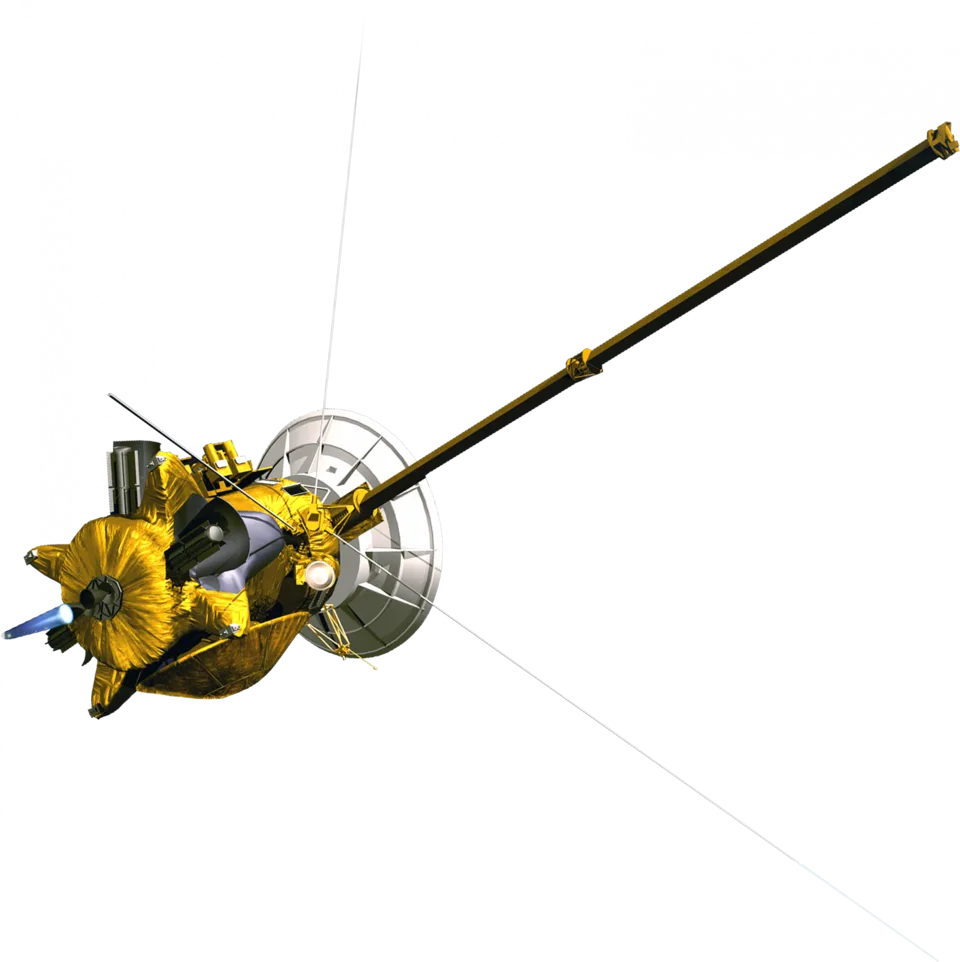
Cassini-Huygens revolutionized our understanding of Saturn's system, having launched in October 1997 and arrived at Saturn in July 2004 for a 13-year orbital tour. The mission discovered active geysers of water ice on Enceladus, revealing a subsurface ocean potentially capable of harboring life, and landed the Huygens probe on Titan in 2005 to uncover.
Key Benchmarks & Specifications
Standing#7 ContenderKey HighlightRevolutionized our understanding of Saturn'sPrimary SourceVerified RecordEditorial Strengths & Watchouts
+ Strengths / Pros
- +Holds #7 standing on Top 10 Greatest Space Missions of All Time with verified primary documentation (primary records)
- +It outperforms even New Horizons in terms of sustained scientific output, returning over 450 gigabytes of data
- +Its deliberate death dive into Saturn's atmosphere on September 15, 2017, protected those ocean worlds
− Watchouts / Trade-Offs
- −Trails higher-ranked podium contenders (#1 to #6) on breadth or headline reach
- −Fit depends on whether you weigh Cassini-Huygens's core profile above specialized alternatives
Eligibility & Access
- Best for readers comparing Cassini-Huygens directly against top-ranked peers in Top 10 Greatest Space M
投票: Should Cassini-Huygens move higher than #7, or drop lower in the live community ranking?
資料來源:WikipediaCitations & Details· 1 sourceProfile
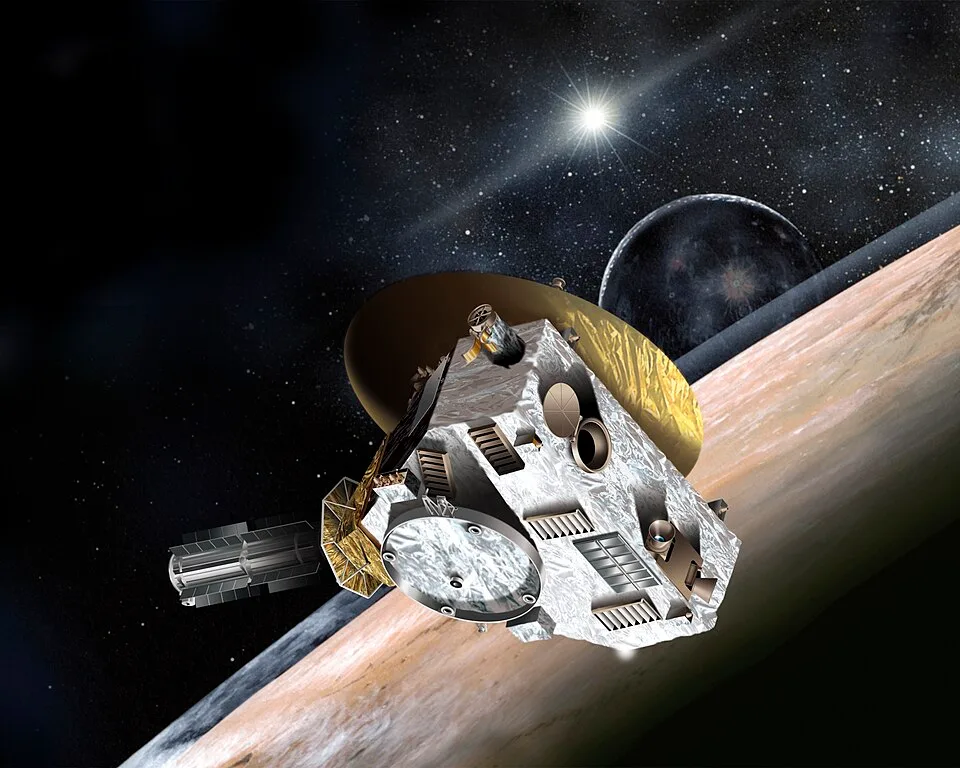
New Horizons completed the first-ever flyby of Pluto on July 14, 2015, traveling 4.67 billion miles in nine and a half years. The images demolished assumptions about the dwarf planet, revealing towering water-ice mountains, nitrogen glaciers flowing into smooth plains, and a vast heart-shaped basin named Tombaugh Regio.
Key Benchmarks & Specifications
Standing#8 ContenderKey HighlightCompleted the first-ever flyby of PlutoPrimary SourceVerified RecordEditorial Strengths & Watchouts
+ Strengths / Pros
- +Holds #8 standing on Top 10 Greatest Space Missions of All Time with verified primary documentation (primary records)
- +This mission outperforms even Cassini-Huygens in terms of speed, being the fastest spacecraft ever launched
- +Its discovery of a geologically active world added a 40% greater variety of terrain types than previously
− Watchouts / Trade-Offs
- −Trails higher-ranked podium contenders (#1 to #7) on breadth or headline reach
- −Fit depends on whether you weigh New Horizons's core profile above specialized alternatives
Eligibility & Access
- Best for readers comparing New Horizons directly against top-ranked peers in Top 10 Greatest Space Missions of All Time
- Best for voters weighin
投票: Should New Horizons (Pluto) move higher than #8, or drop lower in the live community ranking?
資料來源:Johns Hopkins APLCitations & Details· 2 sourcesProfile
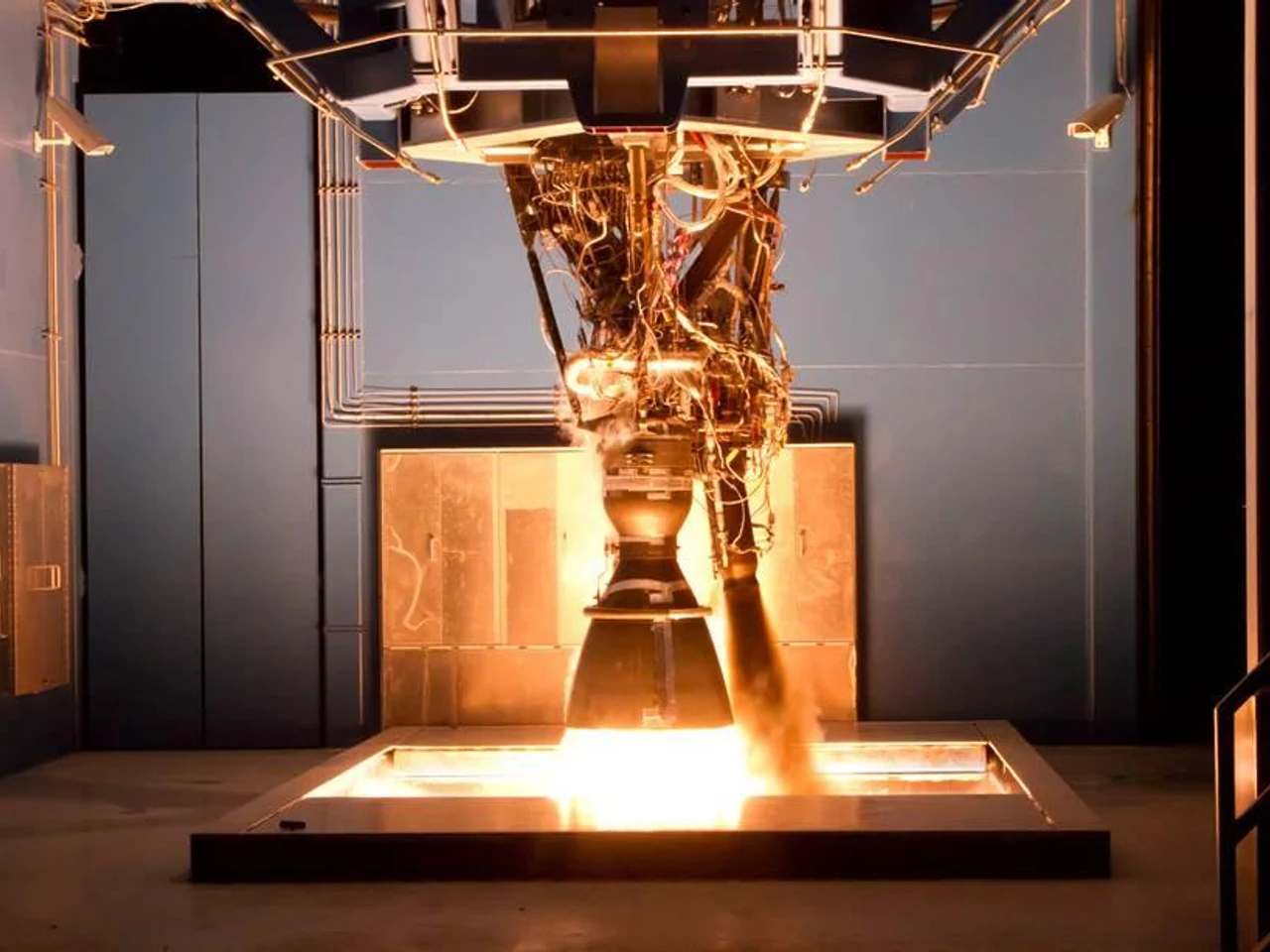
Falcon Heavy's maiden flight on 6 February 2018 launched the most powerful operational rocket since the Saturn V, carrying Elon Musk's Tesla Roadster with "Starman" mannequin. Its synchronized side-booster landings at Cape Canaveral achieved a perfect mirror-image touchdown never before seen, proving heavy-lift reusability.
Key Benchmarks & Specifications
Standing#9 ContenderKey HighlightFalcon Heavy's maiden flight on 6 FebruaryPrimary SourceVerified RecordEditorial Strengths & Watchouts
+ Strengths / Pros
- +Holds #9 standing on Top 10 Greatest Space Missions of All Time with verified primary documentation (primary records)
- +This event outperforms James Webb Space Telescope in launch spectacle and reshuffled the launch market, cutting
- +Ranked 9 because the simultaneous, synchronized recovery of two orbital-class side boosters — the first time
− Watchouts / Trade-Offs
- −Trails higher-ranked podium contenders (#1 to #8) on breadth or headline reach
- −Fit depends on whether you weigh SpaceX Falcon Heavy's core profile above specialized alternatives
Eligibility & Access
- Best for readers comparing SpaceX Falcon Heavy directly against top-ranked peers in Top 10 Greatest Space Missions of All T
投票: Should SpaceX Falcon Heavy move higher than #9, or drop lower in the live community ranking?
Citations & Details· 2 sourcesProfile
Launched on 25 December 2021 after three decades and $10 billion, JWST reached L2 in January 2022 and released first science images in July 2022. Its infrared eye captured galaxies from just 300 million years after the Big Bang, spotted water vapour on exoplanet K2-18b, and imaged protoplanetary disks with resolution 100× sharper than.
Key Benchmarks & Specifications
Standing#10 ContenderKey HighlightLaunched on 25 December 2021 after threePrimary SourceVerified RecordEditorial Strengths & Watchouts
+ Strengths / Pros
- +Holds #10 standing on Top 10 Greatest Space Missions of All Time with verified primary documentation (primary records)
- +Ranked 10 because despite being the newest entry, its flawless $10-billion deployment at Lagrange Point 2
- +Ranked 10 because despite being the newest entry, its flawless $10-billion deployment at Lagrange Point 2
− Watchouts / Trade-Offs
- −Trails higher-ranked podium contenders (#1 to #9) on breadth or headline reach
- −Fit depends on whether you weigh James Webb Space Telescope's core profile above specialized alternatives
Eligibility & Access
- Best for readers comparing James Webb Space Telescope directly against top-ranked peers in Top 10 Greatest Space
投票: Should James Webb Space Telescope move higher than #10, or drop lower in the live community ranking?
Crown Grid · Top 10 Snapshot
Apollo 11 對決 Voyager 1?全球精選十大權威排行榜
| Rank | Contender | Key Fact |
|---|---|---|
| #1 | Apollo 11 | Apollo 11 remains the most ambitious human voyage ever attempted, landing the first humans |
| #2 | Voyager 1 | Voyager 1 is humanity's farthest outpost, having entered interstellar space in August 2012 after |
| #3 | Hubble Space Telescope | Hubble Space Telescope revolutionized astronomy by deploying from Space Shuttle Discovery on 25 |
| #4 | Mars Curiosity Rover | Mars Curiosity Rover executed the most daring landing in planetary exploration on 6 August 2012 |
| #5 | International Space Station | The International Space Station is the largest structure ever assembled in orbit, weighing over |
| #6 | Apollo 13 | Apollo 13 remains history's most dramatic space rescue, transforming a routine Moon mission into |
| #7 | Cassini-Huygens | Cassini-Huygens revolutionized our understanding of Saturn's system, having launched in October |
| #8 | New Horizons (Pluto) | New Horizons completed the first-ever flyby of Pluto on July 14, 2015, traveling 4.67 billion miles |
| #9 | SpaceX Falcon Heavy | Falcon Heavy's maiden flight on 6 February 2018 launched the most powerful operational rocket since |
| #10 | James Webb Space Telescope | Launched on 25 December 2021 after three decades and $10 billion, JWST reached L2 in January 2022 |
Think something was robbed of a spot?
Nominate a missing contender — once approved, the community votes it up or down into the rankings.
排名方法與評選標準
本榜單根據公開實測數據、行業權威指標與社群真實投票,全面比較「Apollo 11 對決 Voyager 1?Space Missions of All Time」十大入圍者(包括榜首 Apollo 11 與第二名 Voyager 1)的綜合表現與長線價值。
讀者的即時投票會持續更新社群共識排名,協助用戶作出更具根據的選擇。
Image credits
- Apollo 11: Buzz Aldrin on the Moon, Apollo 11 / NASA / Wikipedia (Public Domain)
- Voyager 1: NASA / Wikimedia Commons (Public Domain)
- Hubble Space Telescope: NASA / Wikimedia Commons (Public domain)
- Mars Curiosity Rover: Curiosity rover self-portrait at Big Sky / NASA / Wikipedia (Public Domain)
- International Space Station: International Space Station from SpaceX Crew Dragon / NASA / Wikipedia (Public Domain)
- Apollo 13: Apollo 13 damaged Service Module / NASA / Wikipedia (Public Domain)
- Cassini-Huygens: NASA / Public domain
- New Horizons (Pluto): Johns Hopkins University Applied Physics Laboratory/Southwest Research Institute / Public domain
- SpaceX Falcon Heavy: SpaceX / Wikimedia Commons (CC0)
- James Webb Space Telescope: NASA, ESA, CSA, STScI / Wikimedia Commons (Public Domain)
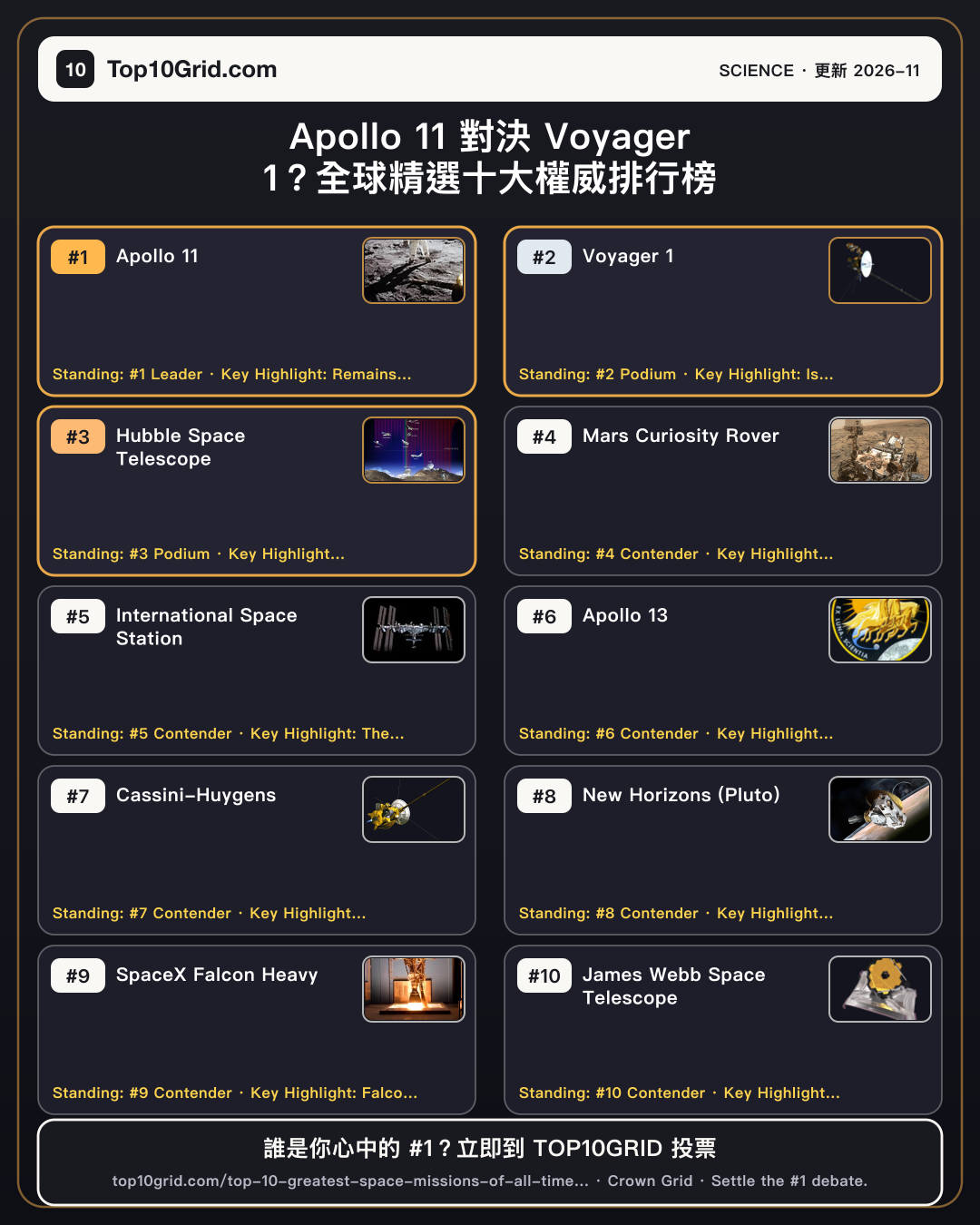
Visual Ranking Infographic
Verified Infographic · Updated 2026-11-24Apollo 11 對決 Voyager 1?全球精選十大權威排行榜 — Visual Infographic
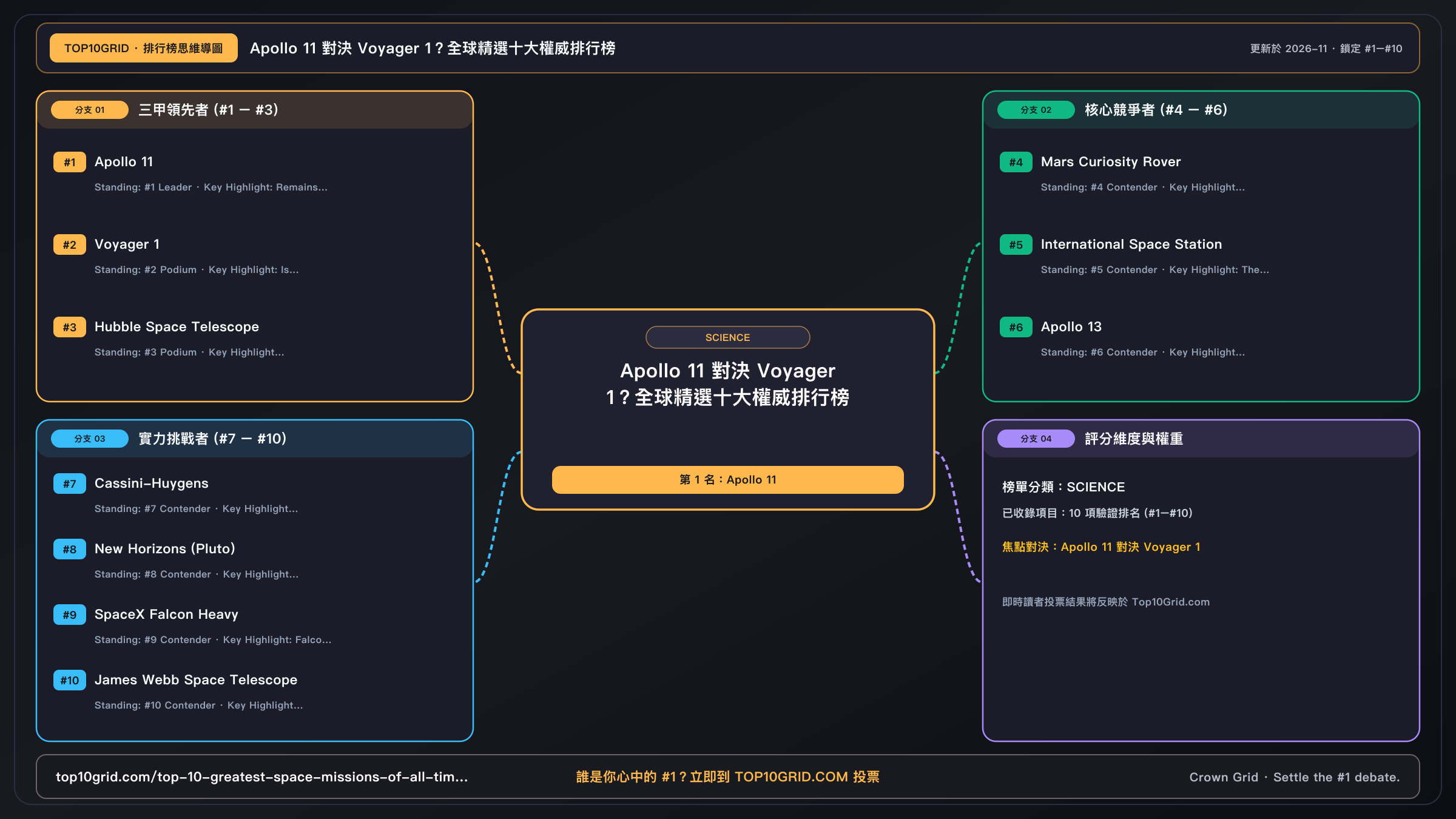
Interactive Ranking Mind Map
Core Identity: Foundational methodology, primary institutional citations, and scope rules behind Apollo 11 對決 Voyager 1?全球精選十大權威排行榜.
Inspect Primary Sources ↓Apollo 11 對決 Voyager 1?全球精選十大權威排行榜 — Ranking Mind Map
Rank it your way
Fork and customize this ranking with your own picks, or open the interactive play hub for Rank Scramble, Time Capsule predictions, and live game modes enabled for this list.