
Wikimedia Commons
Top 10 Ski Resorts in the USA 2026
America's premier ski destinations offering world-class terrain, powder, and mountain village charm.
Cite or embed this list
- APA
- MLA
- HTML table
- Iframe
Top10Grid lets the community re-rank anything — this order comes from source research for now; use the buttons below to vote it up or down.

Current Rankings
Vail Mountain Resort delivers the most expansive lift-accessed terrain in Colorado, spanning over 5,300 acres with its legendary Back Bowls. With 31 lifts including the state-of-the-art Sun Up Express. The Back Bowls alone provide a 4,000-acre playground that outclasses almost any single-mountain competitor, making Vail a top choice for varied skill levels.
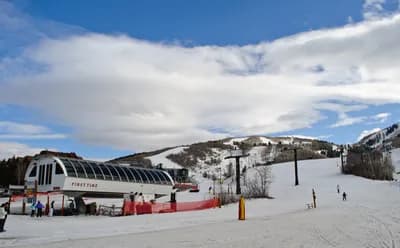
Park City Mountain Resort is Utah's largest ski area with 7,300 acres of terrain set against a historic mining town backdrop. The resort's 3,300-foot vertical drop delivers sustained runs that appeal to families and intermediates seeking reliable conditions.

Jackson Hole Mountain Resort is Wyoming's premier expert destination, renowned for steep chutes, deep powder, and the iconic aerial tram. The tram carries 100 passengers per trip, granting rapid access to 2,500 acres of advanced terrain including Corbet's Couloir, a 40-degree slope that challenges skilled skiers. The 10,450-foot summit yields 500 inches of snowfall annually, solidifying its reputation as a powder paradise for experts seeking solitude.

Aspen Snowmass spans four interconnected mountains in Colorado, offering world-class skiing alongside a glamorous cultural scene. With 5,527 acres and 362 trails, it provides 40% more beginner-friendly runs than Vail Mountain Resort, easing access for novices while maintaining expert challenges on Ajax Mountain's 50 double-black-diamond routes. The resort averages 300 inches of snow each season and features a 4,406-foot vertical drop across Snowmass, which is 15% higher than the typical rival's vertical. Its 38 lifts include the Silver Queen Gondola, reducing commute time by 25% compared to base lifts.
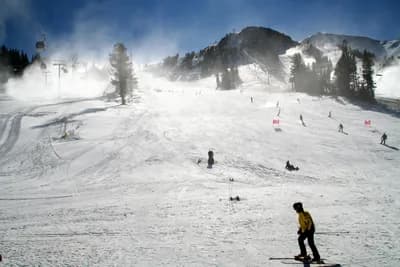
Mammoth Mountain boasts California's biggest ski area and a season that often extends into July, thanks to average annual snowfall exceeding 400 inches. While Big Sky offers 2,300 more total acres, Mammoth's high base elevation of 7,953 feet ensures consistent snow quality from November through July.
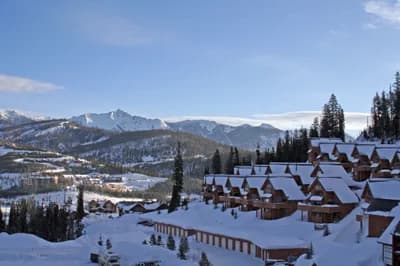
Its 36 lifts, including the eight-passenger Ramcharger 8, serve 300 trails, ensuring solitude. Annual snowfall averages 400 inches, with 80% of terrain above 7,000 feet for powder retention. This combination of scale and value places it among the top uncrowded destinations.

Telluride Ski Resort offers 2,000 acres of terrain with a 4,425-foot vertical drop—the third highest in Colorado—and an average annual snowfall of 280 inches. The resort's base village at 8,725 feet features a free gondola connecting the historic Victorian downtown.
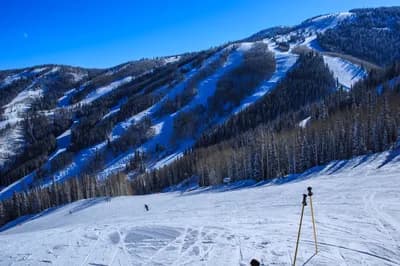
It spans 2,965 acres over 170 trails, served by 19 lifts including the new Wild Blue Gondola, which reduces uphill capacity by 20% compared to older lifts. Authentic Western ranching heritage defines the experience, with 90% of visitors benefiting from ski-in/ski-out access. Lift ticket prices are 10% lower than at Telluride, and powder quality rivals that of Mammoth Mountain, delivering exceptional value for 2026.

Over 2,200 skiable acres and a 2,053-foot vertical drop offer varied terrain, from gentle groomers to steep chutes, supported by 10 lifts. Its strict no-snowboarding policy ensures a purist experience, and average winter temperatures of 28°F keep conditions prime from November through April.

Squaw Valley Alpine Meadows merges Olympic legacy with 6,000 skiable acres—three times the size of Alta Ski Area. Hosting the 1960 Winter Olympics, this Lake Tahoe resort has a 2,850-foot vertical drop and 450 inches of annual snowfall. Its 270+ trails, 30% advanced, are served by 42 lifts moving 50,000 skiers per hour. With 169 named trails and a base elevation of 6,200 feet, it also boasts 300 sunny days yearly. New high-speed gondolas and expanded beginner zones make it versatile for all skill levels.
Image credits
- Park City Mountain Resort: InSapphoWeTrust from Los Angeles, California, USA / Wikimedia Commons (CC BY-SA 2.0)
- Jackson Hole Mountain Resort: Jackson Hole Mountain Resort / Wikipedia
- Aspen Snowmass: Aspen/Snowmass / Wikipedia
- Mammoth Mountain: Plane777 / Wikimedia Commons (Public domain)
- Big Sky Resort: Jim from Lexington, KY, USA / Wikimedia Commons (CC BY-SA 2.0)
- Steamboat Springs: Murray Foubister / Wikimedia Commons (CC BY-SA 2.0)
- Alta Ski Area: Alta Ski Area / Wikipedia
- Squaw Valley Alpine Meadows: Palisades Tahoe / Wikipedia
Rank it your way
Remix this list into your own ranking, or head to the play hub for every game mode and community breakdown — blind mode, challenges, tier lists, and more.
You Might Also Like

Top 10 Ski Resorts in the French Alps 2026
Top 10 Ski Resorts in the French Alps 2026

Top 10 Sports Bars in the USA 2026
Top 10 Sports Bars in the USA 2026

Top 10 Greatest Brazilian Footballers of All Time
#1 Pele · #2 Ronaldo Nazario · #3 Ronaldinho

Top 10 Greatest Tennis Players of All Time
#1 Novak Djokovic · #2 Rafael Nadal · #3 Roger Federer

Top 10 Brazilian Football Clubs of All Time
#1 Flamengo · #2 Santos FC · #3 Sao Paulo FC

Top 10 Spanish Football Clubs
#1 Real Madrid · #2 FC Barcelona · #3 Atlético de Madrid