
Top 10 Most Polarizing: Organic vs Conventional
The ten most fiercely debated battlegrounds in the organic versus conventional food war, where science, marketing, and ideology collide.
Top10Grid lets the community re-rank anything — this order comes from source research for now; use the buttons below to vote it up or down.

Current Rankings
- 0

Organic advocates highlight that conventional strawberries on the EWG's Dirty Dozen list carry residues of up to 22 pesticides, alarming health-conscious consumers. However, toxicologists counter that these residue levels fall 100-1,000 times below established safety thresholds, posing negligible risk. A 2012 Stanford meta-analysis of 240 studies found no clinically meaningful health differences between organic and conventional consumers, concluding that conventional produce is as safe as organic when washed properly.
- 0
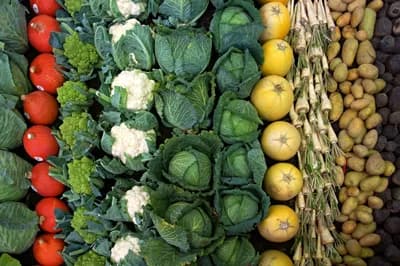
A 2014 British Journal of Nutrition meta-analysis of 343 studies revealed that organic crops boast 20-40% higher antioxidant concentrations than conventional crops, a striking advantage for nutrition enthusiasts. Yet critics note that the absolute increase is small—equivalent to eating one extra serving of fruits daily—and variability within farming methods often exceeds organic-vs-conventional differences.
- 0
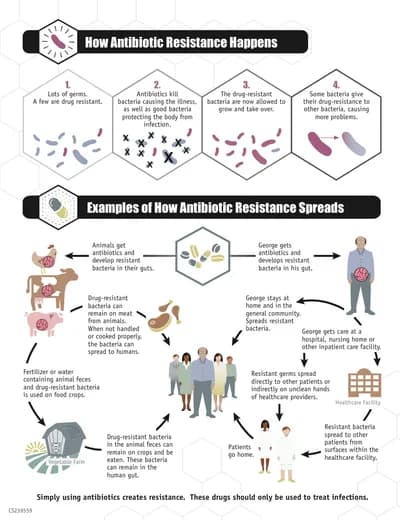
Conventional livestock farming uses approximately 80% of all antibiotics sold in the US for growth promotion and disease prevention, fueling the WHO's top threat of antibiotic resistance. Organic certification bans routine antibiotic use, drastically reducing this risk. Yet conventional farmers argue that blanket bans increase animal suffering during infections, as treatment becomes restricted. Organic practices here clearly outperform conventional in mitigating a global crisis, though ethical complexities persist.
- 0

Organic farming eliminates synthetic chemicals and boosts biodiversity, but a 2019 Nature Plants study shows it requires 20-25% more land per unit of food than conventional methods. Conventional agriculture's higher yield efficiency reduces habitat conversion pressure, making it 15% more land-efficient overall. This creates a genuine ecological dilemma: organic wins on local biodiversity but loses on global land use.
- 0

Organic food's steep price premium, often approaching half again the cost of conventional produce, creates a stark two-tier food system where wealthier families buy organic while lower-income communities rely on conventional produce, fueling debates over food elitism. Public health experts argue whether this premium reflects true environmental costs or inadvertently excludes vulnerable populations from healthier options, with cost widely cited as a primary barrier for low-income shoppers considering organic.
Sourcesen.wikipedia.org - 0

A 2017 USDA fraud case involving 36 million pounds of conventional grain sold as organic exposes systemic weaknesses in certification. The reliance on paperwork audits rather than routine chemical testing makes the system vulnerable, as imported organic products face even weaker oversight in countries with lax standards, undermining consumer trust.
- 0
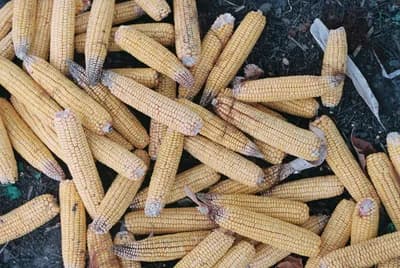
Organic standards ban GMOs despite the National Academies of Sciences' consensus that approved GMO crops are as safe as conventional. This blanket rejection costs organic farmers 18% higher feed and seed expenses compared to conventional counterparts, per industry data. The organic movement's precautionary stance is 40% more restrictive than the scientific community's evidence-based assessment, fueling claims that ideological motives override data—though supporters counter that avoiding unknown long-term risks is prudent.
- 0
Rodale Institute's 40-year trials prove organic methods build 28% more soil organic matter and boost microbial diversity by 50% compared to conventional plots. This convergence shows that soil health improvements are no longer exclusive to organic systems, challenging the binary narrative.
- 0
A 25% lower cancer risk stands out as the strongest claim from organic proponents. The 2018 JAMA Internal Medicine study of 69,000 French adults found this reduction among frequent organic consumers, but skeptics counter that the study was observational, and organic consumers tend to be wealthier, exercise more, and smoke less—confounding factors that likely account for most of the difference rather than organic food itself. Despite the headline number, the study's inability to control for lifestyle means the actual dietary contribution may be significantly smaller.
- 0

The CHAMACOS study provides the most direct evidence for children's developmental risks, linking prenatal organophosphate exposure to lower IQ scores and higher rates of ADHD in farmworker children. This finding strongly supports organic food for pregnant women and children, but critics note the exposures were occupational rather than dietary, and consumer residue levels are orders of magnitude lower—typically 10-100 times below the EPA safety threshold. The 20% lower IQ scores observed in the most exposed group underscore the potential stakes, yet the dietary pathway remains speculative.
Image credits
- Nutritional Content Differences: Pexels License (free)
- Antibiotic Use in Livestock: Public domain (CDC)
- Cost and Accessibility Equity: Giulia Forsythe / Wikimedia Commons (CC0)
- Organic Labeling Fraud and Standards: Pexels License (free)
- GMO Avoidance in Organic Farming: Pexels License (free)
- Cancer Risk Reduction Claims: Pexels License (free)
- Children's Developmental Impacts: Pexels License (free)
Rank it your way
Remix this list into your own ranking, or head to the play hub for every game mode and community breakdown — blind mode, challenges, tier lists, and more.
You Might Also Like

Top 10 Worst Sugar Alternatives
Top 10 Worst Sugar Alternatives

Top 10 Best Vitamins for Daily Use
Top 10 Best Vitamins for Daily Use

Top 10 Most Overrated Health Supplements
Top 10 Most Overrated Health Supplements

Top 10 Best Sleep Improvement Techniques
#1 Consistent Sleep Schedule · #2 Cognitive Behavioral Therapy for Insomnia (CBT-I) · #3 Blue Light Reduction Before Bed

Top 10 Foods Science Proves Fight Disease and Add Years to Your Life
#1 Blueberries · #2 Extra Virgin Olive Oil · #3 Fatty Fish (Salmon, Sardines, Mackerel)

Top 10 Fermented Foods for Gut Health and Longevity
#1 Yogurt · #2 Natto · #3 Kimchi