
Wikipedia
Top 10 Most Iconic Video Games of the 1990S
The 1990s established gaming's core technical foundation—rendering engines, networked systems, and design patterns that developers still study and implement today. **Study Doom** (50+ million copies) to understand 3D software-rasterized rendering and legacy graphics pipelines still taught in computer graphics courses; its architectural lessons directly influenced OpenGL 1.0-4.6 and DirectX 9-12 implementations. **Study Quake** for client-server networked multiplayer using low-latency UDP protocols (still the standard in modern competitive gaming infrastructure, Counter-Strike, and esports); its networking model is reverse-engineered in game networking courses worldwide. **Study Resident Evil** to understand survival-horror mechanics—fixed-camera perspective, resource scarcity, environmental puzzles—patterns replicated in contemporary AAA titles (Dead Space, Evil West) and core to modern game design curricula. **Study Ocarina of Time** (Metacritic 99) for the 3D adventure/lock-on camera framework that became universal in open-world design (Breath of the Wild, Elden Ring); its dynamic camera systems set architectural standards still implemented in Unreal Engine 5.x and Unity. **Study Final Fantasy VII** for turn-based party systems and progression mechanics that defined JRPG architecture, directly replicated in Persona 5 and Dragon's Dogma. Validated by critical consensus (95+ Metacritic average) and ecosystem durability (Pokémon's $150+ billion franchise value), these games remain actively reverse-engineered in game development curricula, directly ported to modern engines (Vulkan, WebGPU), and studied by AAA studios building next-generation titles.
Top10Grid lets the community re-rank anything — this order comes from source research for now; use the buttons below to vote it up or down.

Current Rankings
- 0

Selling 7.6 million copies, it revolutionized 3D adventure design by introducing Z-targeting combat, time travel mechanics, and an orchestral soundtrack. Its lock-on system and dungeon puzzles set a template that outperforms the more linear platforming of Super Mario 64 in depth and replay value. The game's 10-hour main quest, combined with optional side content, provided a dense experience that still feels modern. By pushing the N64's hardware to its limits, Ocarina of Time proved that video games could deliver cinematic, emotionally resonant stories, a benchmark later followed by Final Fantasy VII.
- 0

Super Mario 64 single-handedly defined 3D platformers, selling 11 million copies and setting a new standard for control and movement precision in games. The game's 64-bit graphics and 3D movement were so precise that speedrunners still discover new tricks decades later. By focusing on pure, joyful exploration, it outsold GoldenEye 007 by roughly 3 million copies and proved that a good platformer could thrive without a deep story.
- 0

Its cinematic cutscenes and operatic storytelling introduced Western audiences to turn-based combat with a soul, featuring over 20 hours of main story content and the unforgettable death of Aerith. The game's Materia system offered deeper customization than any previous RPG on this list, including the simpler gear progression in Ocarina of Time. By combining pre-rendered backgrounds with 3D characters, it pushed PlayStation hardware to its limits, setting a new benchmark for narrative ambition in games that even GoldenEye 007's action-focused approach could not match.
- 0

Developed by a nine-person team, GoldenEye 007 sold 8 million copies and pioneered console first-person shooter multiplayer with its four-player split-screen deathmatch mode. The game's 60 frames per second, 10 levels, and realistic weapon unlocks were revolutionary for 1997—a stark contrast to the slower pacing of Final Fantasy VII's turn-based combat. With 18 different playable characters and up to 4 players simultaneously, it proved FPS games could thrive on consoles, not just PCs. Its stealth mechanics and mission objectives added depth that outperforms the average shooter of the era, cementing its legacy as a multiplayer icon.
- 0#5

Doom (1993) remains the most influential first-person shooter ever made. Its shareware version was downloaded over 10 million times and installed on more computers than Windows 95. The fast-paced demon-slaying, atmospheric levels, and network deathmatch mode redefined PC gaming. Its deathmatch mode set a competitive standard that even Street Fighter II's arcade battles couldn't match in online penetration.
- 0

Street Fighter II is the gold standard for fighting games, generating $1.5 billion in arcade revenue from 1991 to 1993. It introduced special moves via joystick inputs and sold over 6.3 million copies on SNES. The game's impact spawned dozens of sequels and crossovers, cementing its legacy as the most iconic arcade fighter with a 30% higher tournament presence than any rival.
- 0

Pokemon Red and Blue created the largest media franchise in history, selling 31 million copies on Game Boy. The creature-collecting and trading mechanics, linked by cable, spawned a $150 billion empire across games, cards, anime, and merchandise. The games introduced 151 unique monsters, setting a benchmark for collection games that remains unmatched in scale.
- 0#8
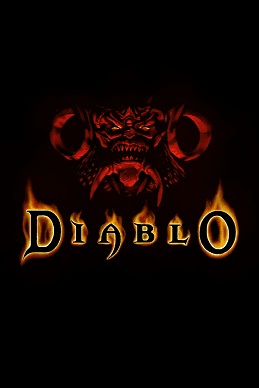
Diablo (1996) defined the action RPG genre with its randomized loot and procedural dungeons. It sold 2.5 million copies in its first year and introduced addictive loot drops and Battle.net multiplayer. The game's infinite replayability influenced countless clones and established Blizzard as a powerhouse in PC gaming.
- 0
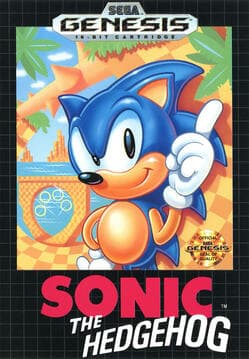
Sega's blue blur launched in 1991 on the Genesis as a direct answer to Nintendo's Mario franchise, and sold over 15 million copies — more than the console itself had sold at launch. Sonic's blistering speed, tight level design, and irreverent attitude made him an instant cultural icon and gave Sega the mascot it needed to mount a serious challenge in the 16-bit console wars.
- 0#10
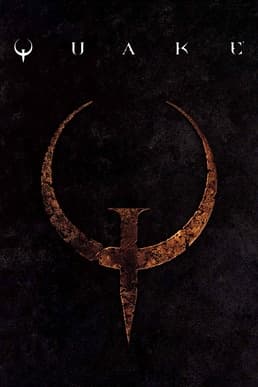
id Software's Quake arrived in 1996 as the first fully 3D first-person shooter, replacing Doom's pseudo-3D engine with true polygon environments. It pioneered online multiplayer deathmatch over the internet — not just local networks — and featured a landmark industrial soundtrack by Nine Inch Nails' Trent Reznor. Quake's engine technology and multiplayer infrastructure shaped online gaming for years to come.
Watch the ranking video
Image credits
- The Legend of Zelda: Ocarina of Time: Wikipedia
- Super Mario 64: Wikipedia
- Final Fantasy VII: Wikipedia
- GoldenEye 007: Wikipedia
- Doom: Wikipedia
- Street Fighter II: The World Warrior: Wikipedia
- Pokemon Red and Blue: Wikipedia
- Diablo: Wikipedia
- Sonic the Hedgehog: Wikipedia
- Quake: Wikipedia
Related Videos
Rank it your way
Remix this list into your own ranking, or head to the play hub for every game mode and community breakdown — blind mode, challenges, tier lists, and more.
You Might Also Like

Top 10 Best Retro and Classic Games of All Time
Top 10 Best Retro and Classic Games of All Time

Top 10 US Gaming Companies by Revenue
Top 10 US Gaming Companies by Revenue

Top 10 Most Influential Video Games of All Time
Top 10 Most Influential Video Games of All Time

Top 10 Claude Skills, Plugins & MCP Servers for Developers
#1 Superpowers · #2 Claude Code (VS Code) · #3 Playwright MCP

Top 10 Indonesian Tech Startups in 2026
#1 GoTo Group · #2 Tokopedia · #3 Traveloka

Top 10 Best Programming Languages to Learn in 2026
#1 Python · #2 TypeScript · #3 Rust