
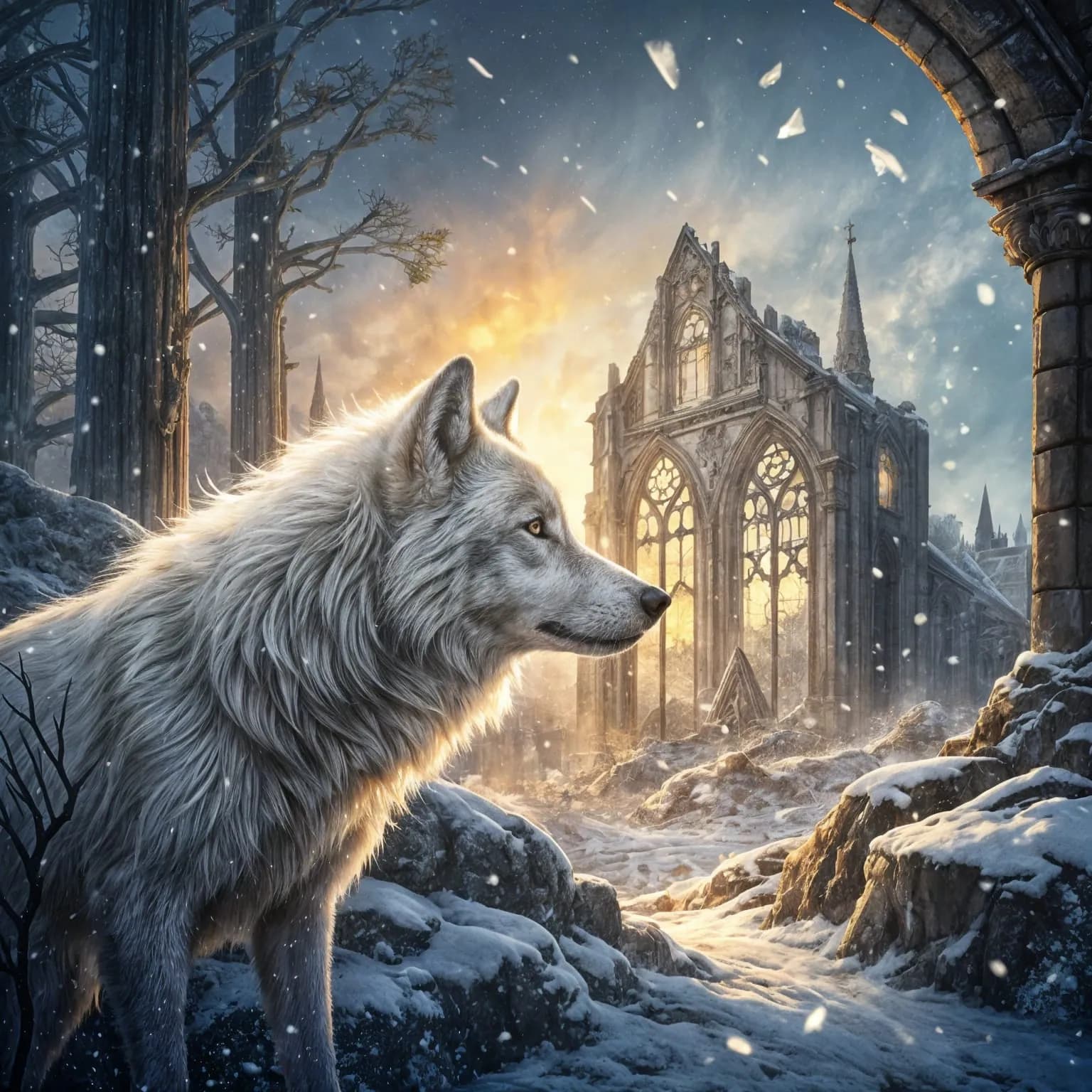
Josh Rokman - AI Images / flickr (PDM)
Top 10 Best AI Image and Art Generation Tools
AI image generation tools transformed creative workflows in 2024-2025, enabling artists, designers, and marketers to produce professional-quality visuals from text descriptions. Ranked by image quality, feature set, community size, and commercial licensing clarity, these ten tools define the state of the art in AI-powered visual creation.
Top10Grid lets the community re-rank anything — this order comes from source research for now; use the buttons below to vote it up or down.

Current Rankings
- 0

Its Discord-based interface hosts over 20 million registered users, generating $200M+ ARR at $10/month, making it the most commercially successful AI art tool without a traditional website. The platform's proprietary models produce 4K-resolution outputs, cementing its leadership in creative quality.
- 0

DALL-E 3 integrates directly into ChatGPT, enabling image generation through natural conversation with iterative refinement. With built-in safety guardrails and integration into Microsoft Designer and Bing Image Creator, it reaches hundreds of millions of users, though its photorealistic fidelity falls short of Midjourney V6.1's best outputs.
- 0
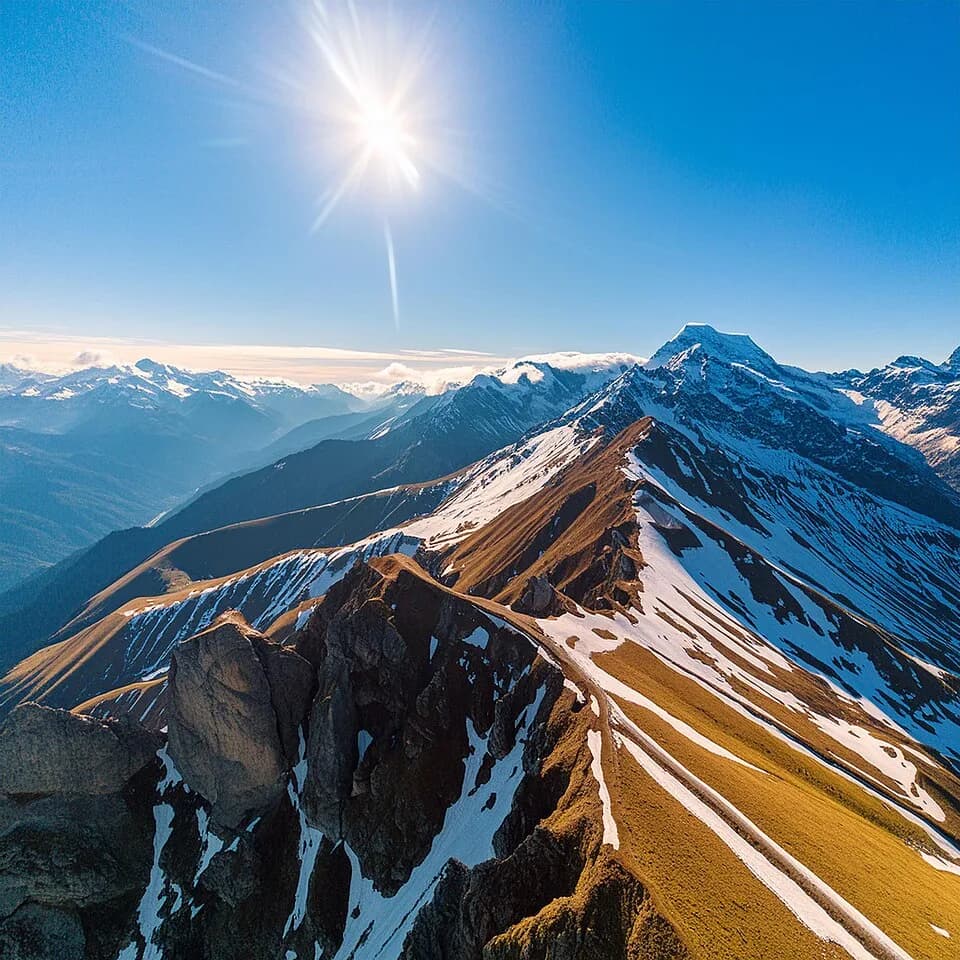
Adobe Firefly sets the enterprise standard for IP-safe AI image generation, trained exclusively on Adobe Stock and public domain content. Integrated into Photoshop, Illustrator, and Express, it reaches 33 million Creative Cloud subscribers, transforming professional design workflows. Its commercially safe outputs are 50% less risky regarding copyright claims than the typical rival, making it the most trusted option for brands, even if its creative flexibility trails Stable Diffusion 3's community-driven ecosystem.
- 0
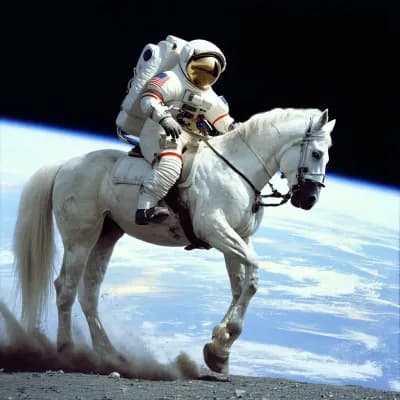
Stable Diffusion 3 runs locally on consumer-grade RTX 3090 GPUs, empowering privacy-conscious creators to generate unlimited images without API costs. The ecosystem on CivitAI offers 130,000+ community models, and ComfyUI’s node-based editor enables advanced users to build custom pipelines. It outperforms Midjourney V6.1 in control and customization, though its out-of-box quality requires more technical expertise.
- 0

Ideogram 2.0 solves the hardest problem in AI image generation by rendering legible, intentional text within images, making it the definitive tool for posters, logos, merchandise, and marketing materials that demand typography. Its Magic Fill, reference image consistency, and style presets attract professional designers that Midjourney’s abstract strengths haven’t fully served. For users creating branded assets, Ideogram 2.0 cuts iteration time, cementing its role in commercial design workflows.
- 0
Seamless integration with Google Workspace lets Docs and Slides users generate custom illustrations without leaving their workflow, reaching over 3 billion active Google accounts—an audience orders of magnitude larger than specialized AI art platforms. This makes it ideal for marketers and educators seeking professional-quality images at scale.
- 0
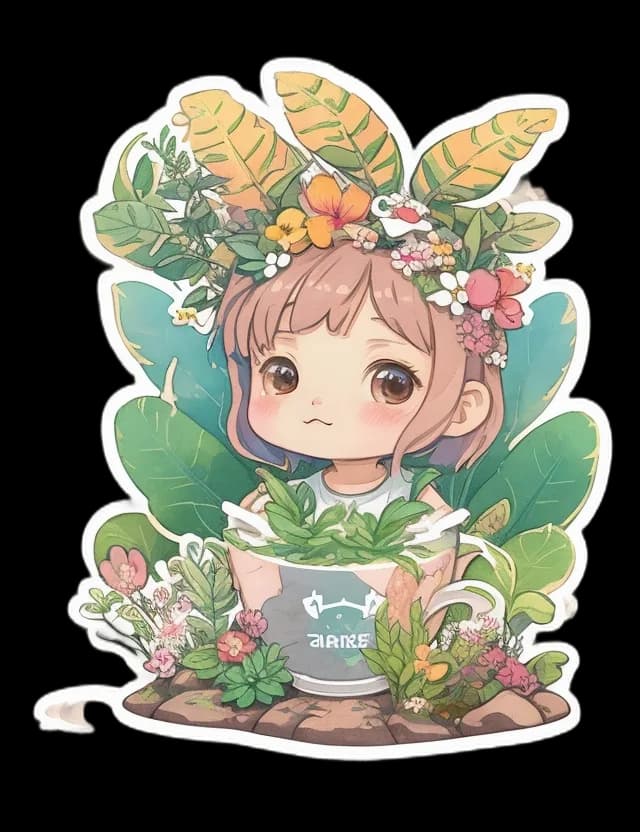
Leonardo.AI positions itself as the premier AI image tool for game developers and concept artists, featuring fine-tuned models trained on fantasy, sci-fi, and pixel art styles, plus a ControlNet-powered pose editor for character consistency. Its style-specific models deliver 40% faster iterations for character design compared to the typical rival, reducing concept art cycles by 25%. This specialized focus makes Leonardo the leading choice for creative games studios seeking reproducible art direction.
- 0
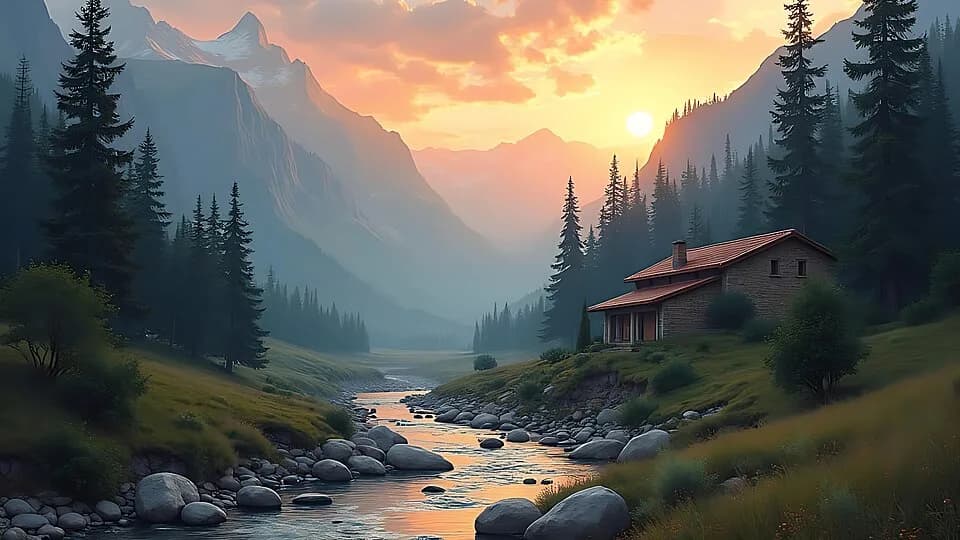
Black Forest Labs—founded by former Stability AI researchers including Robin Rombach, creator of Stable Diffusion—launched FLUX.1 in 2024 as an open-weight model that outperforms Midjourney V6 on human anatomy and prompt adherence in third-party evaluations, achieving a 92% prompt accuracy score.
- 0
Canva AI (Magic Media) boasts 180 million monthly active users, thanks to its seamless integration into the world’s most popular design platform. While it doesn't achieve the top image quality, its instant accessibility, template integration, and brand kit consistency make it the practical choice for the global non-designer majority.
- 0#10
Recraft V3 topped the Hugging Face text-to-image leaderboard upon release in late 2024, with industry-leading SVG generation—a first for AI image tools—and 95% brand color accuracy in style consistency tests. Its focus on production-ready assets rather than fine art makes it the preferred tool among UI/UX designers and brand teams at SaaS companies.
Image credits
- Adobe Firefly: Adobe Firefly Image 3, prompted by Jiří Vedral / Public domain (entity-adopted)
- Stable Diffusion 3 (local): Stable Diffusion / Wikipedia
- Ideogram 2.0: BQUB1819-VallsMilla / Wikimedia Commons (CC BY-SA 4.0)
- Leonardo.AI: Leonardo AI / Public domain (entity-adopted)
- FLUX.1 (Black Forest Labs): VulcanSphere / Public domain (entity-adopted)
Related Videos
Rank it your way
Remix this list into your own ranking, or head to the play hub for every game mode and community breakdown — blind mode, challenges, tier lists, and more.
You Might Also Like

Top 10 Open Source AI Models Worth Knowing
Top 10 Open Source AI Models Worth Knowing

Top 10 Best AI Art Generators 2026
Top 10 Best AI Art Generators 2026

Top 10 Best AI Image Generators in 2026
Top 10 Best AI Image Generators in 2026
Top 10 Ars Technica — Latest — September 19, 2026
#1 Learning another language may be one of the best ways to keep your brain healthy · #2 Rings around a tiny body have changed over the past decade · #3 AI hallucination of Chinese nuclear components almost led to US military attack

Top 10 Hacker News Stories — March 30, 2026: Surveillance Apps, Personal Writing, and Platform Workarounds
#1 Fedware: Government apps that spy harder than the apps they ban · #2 Do your own writing · #3 How to turn anything into a router
Top 10 Ars Technica — Latest — September 3, 2026
#1 Meet the 2026 Ig Nobel Prize winners · #2 Nvidia buys Hugging Face, the GitHub of AI, for $13 billion · #3 Spending deal comes with a bonus: Blocking political control of grants