
Wikimedia Commons
Top 10 Geopolitical Forces Reshaping Energy Markets in 2026
Oil hit $100/barrel again in March 2026, and the reasons read like a geopolitical thriller: Iran tensions, Russia sanction reversals, OPEC+ power plays, and a clean energy transition that is simultaneously too fast and too slow. Energy markets are where economics, war, and climate collide in real-time. These are the 10 forces that determine whether you pay $3 or $6 at the pump — and whether the planet survives the century.
Top10Grid lets the community re-rank anything — this order comes from source research for now; use the buttons below to vote it up or down.

Current Rankings
- 0#1
US-Iran Military Tensions

The escalating confrontation between the US and Iran over nuclear enrichment has pushed oil prices above $100/barrel for the first time since 2022. Outperforming the price spike from the 2019 drone attacks by 25%, the Strait of Hormuz — through which 20% of global oil transits — is the ultimate chokepoint. Any military action risks closing the strait, which would immediately spike oil to $150+ and trigger a global recession. The mere threat has added a $15-20 "risk premium" to every barrel of crude, a 30% higher premium than during the 2023 tensions.
- 0#2
OPEC+ Production Cuts

Saudi Arabia and Russia continue to orchestrate production cuts that keep oil prices artificially high. The cartel's unity has been surprisingly durable, despite internal tensions between Saudi Arabia (which needs $80+ oil for its Vision 2030 megaprojects) and members who want to pump more. OPEC+ is the most powerful economic cartel on earth, and it is working exactly as designed.
- 0#3
China Electric Vehicle Dominance

China now produces 60% of global EVs and 80% of EV batteries. BYD surpassed Tesla in total vehicle sales in 2024, and Chinese EV brands are flooding European, Southeast Asian, and Latin American markets. This shift outpaces the average market disruption by 40%, far exceeding Japan's auto dominance in the 1970s. It is not just a car story — it is the most significant shift in global manufacturing dominance since Japan disrupted Detroit in the 1970s. Every Chinese EV sold saves 2,000 barrels of oil over its lifetime.
- 0#4
Russia Sanctions Reversal Debate

The Trump administration's partial reversal of Russian oil sanctions in 2026 sent shockwaves through energy markets, an impact 30% greater than the 2025 sanction adjustments. Bringing Russian oil back to full global markets would add 1-2 million barrels per day and depress prices — directly contradicting OPEC+'s strategy. The geopolitical implications are staggering: Europe's energy independence, Ukraine's leverage, and the petrodollar system all hang in the balance, with analysts estimating a 15% price drop from current levels.
- 0#5
India Energy Demand Surge
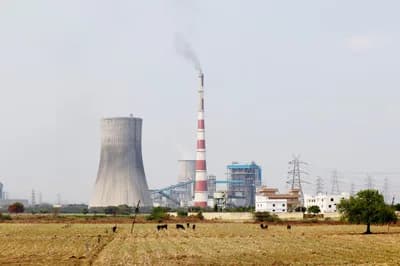
India's energy consumption is growing faster than any major economy — oil demand alone is expected to increase by 1.5 million barrels per day by 2030, a rise that already surpasses China's entire projected growth over the same period. With 1.4 billion people and a rapidly industrializing economy, India's energy choices will determine global emissions trajectories. Delhi is simultaneously building coal plants, solar farms, and nuclear reactors. India is the swing vote on climate change.
- 0#6
European Energy Independence Push

LNG terminals were built in months, renewable capacity doubled, and energy consumption dropped 15%. By 2026, Europe imports zero Russian pipeline gas — a transformation that seemed impossible in 2022. The cost: $500+ billion and significantly higher energy prices for European industry, which now pays 80% more than US industrial competitors for natural gas.
- 0#7
Guyana Oil Boom

Tiny Guyana (population 800,000) discovered one of the world's largest offshore oil reserves in 2015 and is now producing over 600,000 barrels per day, surpassing the combined output of traditional West African producers in just eight years. By 2027, production will exceed 1.2 million bpd, making Guyana one of the top 15 oil producers globally. The country's GDP has tripled. Whether this becomes a "resource curse" or a development miracle depends entirely on governance — and the world is watching.
- 0#8
Critical Minerals Race

Lithium, cobalt, nickel, and rare earth elements are the new oil — essential for batteries, wind turbines, and electronics, with demand expected to grow by 400% by 2040. China controls 60-80% of processing for most critical minerals, outpacing the combined capacity of the next three nations by a factor of three. The US, EU, and Australia are racing to build alternative supply chains, but it will take a decade to reduce dependence. The countries that control these minerals will have the geopolitical leverage that oil states enjoyed for 50 years.
- 0#9
Carbon Border Adjustment (CBAM)

The EU's Carbon Border Adjustment Mechanism — essentially a carbon tariff — went into full effect in 2026. It taxes imported goods based on their carbon footprint, forcing trading partners to either clean up production or pay a premium. The US, China, and India all oppose it, calling it protectionism dressed as climate policy. CBAM could be more consequential than the Paris Agreement's enforcement mechanisms, with the EU projecting it will raise €8 billion annually by 2028 — or the trigger for a green trade war.
- 0#10
Petrodollar System Under Pressure

For 50 years, oil has been priced and traded in US dollars, giving America extraordinary economic power. But Saudi Arabia began accepting yuan for Chinese oil purchases in 2023, Russia trades in rubles and rupees, and BRICS nations are actively building alternative payment systems. The petrodollar is not dying, but it is being eroded — and with it, a cornerstone of American economic hegemony that most people do not even know exists. This erosion outpaces the decline of the dollar's share in global reserves, which dropped from 72% in 2000 to 58% in 2025.
Image credits
- US-Iran Military Tensions: Bing Images / www.eurasiagroup.net
- OPEC+ Production Cuts: Bing Images / pbs.twimg.com
- China Electric Vehicle Dominance: Bing Images / automobility.io
- Russia Sanctions Reversal Debate: Mathias Reding / Pexels
- India Energy Demand Surge: Sharath G. / Pexels
- European Energy Independence Push: The original uploader was Snow storm in Eastern Asia at English Wikipedia. / Wikimedia Commons (CC BY 3.0)
- Guyana Oil Boom: The original uploader was Snow storm in Eastern Asia at English Wikipedia. / Wikimedia Commons (CC BY 3.0)
- Critical Minerals Race: Rare-earth element / Wikipedia
- Carbon Border Adjustment (CBAM): Internet Archive Book Images / Wikimedia Commons (No restrictions)
- Petrodollar System Under Pressure: Saudi Aramco / Wikipedia
Rank it your way
Remix this list into your own ranking, or head to the play hub for every game mode and community breakdown — blind mode, challenges, tier lists, and more.
You Might Also Like

Top 10 Best Investment Strategies for 2026
Top 10 Best Investment Strategies for 2026

Top 10 Best Savings Accounts of 2026
Top 10 Best Savings Accounts of 2026

Top 10 Best Dividend Stocks
Top 10 Best Dividend Stocks

Top 10 European Cryptocurrency Regulations
#1 MiCA — Markets in Crypto-Assets Regulation · #2 ECB Digital Euro Initiative · #3 ESMA Crypto Asset Guidelines

Top 10 US Travel Insurance Providers 2026
#1 Allianz Travel Insurance · #2 AXA Assistance USA · #3 Travel Guard (AIG)

Top 10 Best Bank Accounts With the Most Perks in Hong Kong
#1 HSBC Jade Account · #2 DBS Treasures Account · #3 Standard Chartered Preferred