Verified MethodologyDestination Quality 45% · Access & Transit 30% · Seasonal Value 25%
Kiyomizu-dera, Kinkaku-ji or Nijo Castle? Top 10 Historic Monuments of Ancient Kyoto
Kiyomizu-dera, Kinkaku-ji or Nijo Castle? Top 10 Historic Monuments of Ancient Kyoto: picked and ranked by our editors, and open to your votes. How we ranked this: Ranked by the area of the nominated property in hectares, as recorded in…
Read more
the official nomination dossier published by Japan's Agency for Cultural Affairs (Bunka.go.jp). This metric reflects the physical scale of each monument complex. Data is from the 1994 inscription dossier; all 17 components were inscribed in 1994. Top10Grid checked every figure and name against the pages cited for each entry and removed anything those pages did not support. Ranked by Nominated area (ha), highest first; ties keep the source table's order. Sources: online.bunka.go.jp, en.wikipedia.org, japannews.yomiuri.co.jp, topics.smt.docomo.ne.jp, arukikata.co.jp. — Top10Grid Travel Fan Club · Reviewed by Max Rankin
Wikimedia Commons (CC BY-SA 2.0)
Starting order. Vote up or down to reorder this list.
Current Rankings
- #1 Top RankedLeader
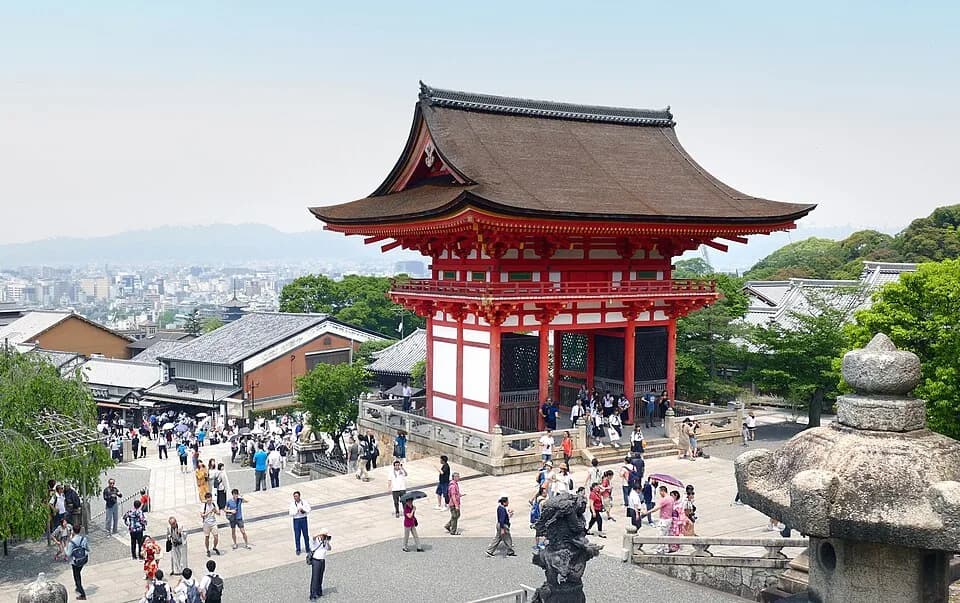
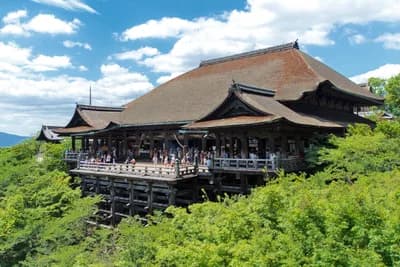
Perched dramatically on the slopes of Mount Otowa in eastern Kyoto, Kiyomizu-dera ("Pure Water Temple") is famed for its monumental wooden stage constructed entirely without a single nail. Founded in 778 CE, visitors flock to drink from the Otowa Waterfall's three streams for health, longevity, or success in studies.
Key Benchmarks & Specifications
UNESCO inscription year1994Founding date778 CE (rebuilt 1633 by Tokugawa Iemitsu)Main hall stage height13 meters (43 feet) over hillsideAdmission fee400 JPY (approx $2.75 USD)Editorial Strengths & Watchouts
+ Strengths / Pros
- +panoramic vistas over Kyoto city framed by cherry blossoms in spring and blazing maple foliage in autumn
- +iconic wooden architectural marvel built with traditional joinery without nails
- +enchanting approach through historic Ninenzaka and Sannenzaka preserved lanes
− Watchouts / Trade-Offs
- −one of the most crowded temples in Japan during daytime hours
- −steep uphill climb from bus stops
Eligibility & Access
- Best for first-time visitors to Japan, cultural photographers, and travelers seeking classic Kyoto temple vistas
Key Caveats to Verify
- Morning arrival before 8:00 AM is essential to experience the wooden veranda without shoulder-to-shoulder crowds
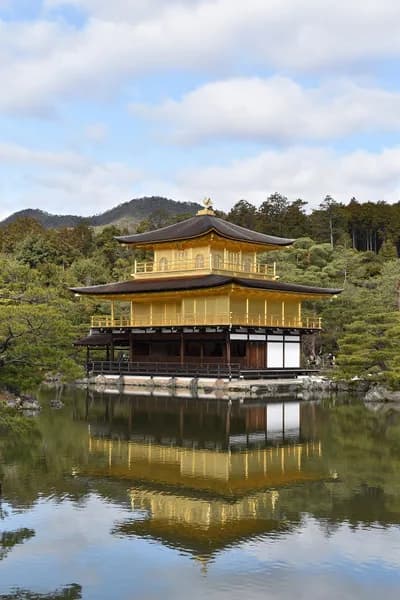
Officially named Rokuon-ji, the world-famous Golden Pavilion is a Zen Buddhist temple whose top two floors are completely covered in pure gold leaf. Overlooking the mirror-like Kyōko-chi pond, it presents one of the most recognizable and photographed architectural vistas in East Asia.
Key Benchmarks & Specifications
UNESCO inscription year1994Built by Shogun Ashikaga Yoshimitsu in1397 CEGold leaf coverage top two floors coated in real gold leafAdmission fee500 JPYEditorial Strengths & Watchouts
+ Strengths / Pros
- +breathtaking golden reflection in the surrounding pine-fringed pond
- +exquisite Muromachi-period stroll garden landscape design
- +crisp photographic contrast in all seasons, especially under winter snow
− Watchouts / Trade-Offs
- −interior of the pavilion is strictly closed to the general public
- −visitors must follow a rigid one-way walking route without lingering
Eligibility & Access
- Best for iconic sightseeing, Japanese garden lovers, and visitors seeking Kyoto's most celebrated visual landmark
Key Caveats to Verify
- Tour bus congestion is heavy
- bright midday sunlight can create harsh reflections on the gilded exterior
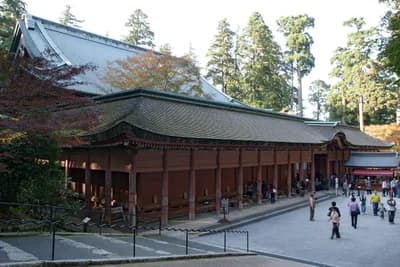
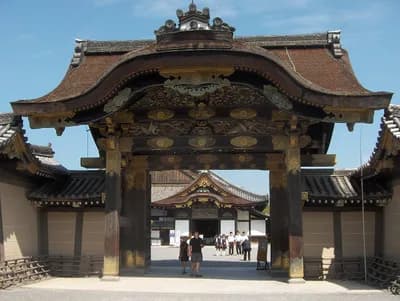
Built in 1603 by Tokugawa Ieyasu, the founder of the Tokugawa Shogunate, Nijō Castle stands as a fortified testament to feudal shogunal power over the Kyoto Imperial Court. It is celebrated for the lavish Ninomaru Palace, ornate Karamon gate, and legendary "nightingale floors" that chirp like birds when walked upon.
Key Benchmarks & Specifications
UNESCO inscription year1994Completed1603 CE by Shogun Tokugawa IeyasuTotal site area275,000 square metersAdmission fee800 JPY (1,300 JPY including Ninomaru Palace interior)Editorial Strengths & Watchouts
+ Strengths / Pros
- +walk directly across historic "nightingale" squeaking floors engineered to warn against ninja assassins
- +magnificent Kanō school painted gold-leaf screens inside Ninomaru Palace
- +extensive moats, stone defensive walls, and tranquil Ninomaru garden
− Watchouts / Trade-Offs
- −photography is strictly forbidden inside the historic palace rooms
- −shoes must be removed to enter the palace interior
Eligibility & Access
- Best for samurai and shogunate history buffs
- travelers interested in authentic feudal Japanese interior architecture
Key Caveats to Verify
- Extensive walking across gravel courtyards can be tiring on hot summer days
Built by Shogun Ashikaga Yoshimasa as a mountain retreat inspired by his grandfather's Golden Pavilion, Ginkaku-ji was never actually covered in silver leaf, embodying instead the refined Japanese aesthetic of wabi-sabi (beauty in imperfection). The temple is famous for its meticulously raked dry sand garden and mossy hillside trails.
Key Benchmarks & Specifications
UNESCO inscription year1994Founded1482 CE by Ashikaga YoshimasaArchitectural style Higashiyama culture wabi-sabiAdmission fee500 JPYEditorial Strengths & Watchouts
+ Strengths / Pros
- +sublime expression of understated wabi-sabi Zen philosophy
- +mesmerizing Kogetsudai ("Moon Viewing Platform") conical sand sculpture
- +tranquil hillside walking trail offering views over the temple roofs
− Watchouts / Trade-Offs
- −pavilion interior is closed to visitors
- −smaller scale than Kinkaku-ji may disappoint travelers expecting gilded grandeur
Eligibility & Access
- Best for fans of Zen aesthetics, Japanese moss gardens, and travelers walking the scenic Philosopher's Path
Key Caveats to Verify
- Located on Kyoto's eastern edge with slower bus transit connections than downtown sights
Belonging to the Myōshin-ji school of Rinzai Zen Buddhism, Ryōan-ji contains the world's most famous karesansui (dry landscape rock garden). Consisting of 15 moss-ringed boulders arranged in five groups across white raked gravel, the design is famously engineered so that from any vantage point, at least one stone remains hidden from sight.
Key Benchmarks & Specifications
UNESCO inscription year1994Rock garden composition15 boulders surrounded by raked white gravel within an earthen wallEra estimated late15th century (Muromachi period)Admission fee600 JPYEditorial Strengths & Watchouts
+ Strengths / Pros
- +world-renowned Zen meditation focal point inviting contemplation of void and form
- +beautiful surrounding stroll garden featuring the large Kyoyochi pond with water lilies
- +rich cultural heritage embedded in traditional Japanese aesthetics
− Watchouts / Trade-Offs
- −the viewing veranda can be crowded with chatty tour groups during peak midday hours
- −interpretation is purely abstract with no official meaning provided
Eligibility & Access
- Best for philosophy lovers, architecture students, and travelers seeking authentic Zen meditation environments
Key Caveats to Verify
- Early morning arrival is essential to experience the contemplative quietude the garden was designed to evoke
Located in western Kyoto's Arashiyama district, Tenryū-ji ("Temple of the Heavenly Dragon") is the head temple of its own Rinzai Zen branch. Its 14th-century Sogenchi garden has survived in its original design by Zen master Musō Soseki, seamlessly incorporating the surrounding Arashiyama mountains via the technique of shakkei ("borrowed scenery").
Key Benchmarks & Specifications
UNESCO inscription year1994Founded1339 CE by Ashikaga TakaujiGarden designer Zen Master Musō SosekiAdmission fee500 JPY for garden (extra 300 JPY for main hall)Editorial Strengths & Watchouts
+ Strengths / Pros
- +masterpiece borrowed-scenery garden framing the maple and bamboo-covered peaks of Arashiyama
- +north gate exits directly into the famous Arashiyama Bamboo Grove
- +magnificent Cloud Dragon painting on the ceiling of Hatto hall
− Watchouts / Trade-Offs
- −heavy tourist flow due to its location at the entrance of the crowded Arashiyama tourist hub
- −main hall entry requires an additional separate fee
Eligibility & Access
- Best for travelers exploring western Kyoto, bamboo forest visitors, and Japanese landscape design lovers
Key Caveats to Verify
- Arashiyama neighborhood crowds during autumn foliage and spring cherry blossom seasons can be overwhelming
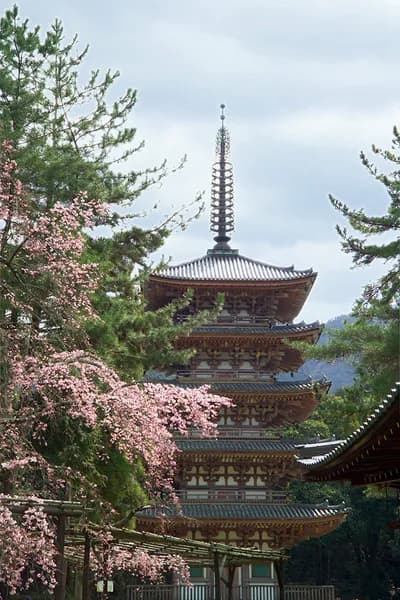
Founded in 796 CE as one of only two temples permitted in the original Heian capital, Tō-ji was later gifted to Kōbō Daishi (Kūkai), the founder of Shingon Esoteric Buddhism. Its commanding 54.8-meter five-story wooden pagoda is the tallest in Japan, serving as an enduring symbol of Kyoto's spiritual skyline.
Key Benchmarks & Specifications
UNESCO inscription year1994Pagoda height54.8 meters (180 feet) - tallest wooden pagoda in JapanFounding date796 CEMonthly event historic Kōbō-san flea market held on the21st of every monthAdmission fee500 to 1,000 JPY (seasonal)Editorial Strengths & Watchouts
+ Strengths / Pros
- +tallest historical wooden pagoda in Japan with stunning night illuminations
- +Kondo and Kodo halls house an awe-inspiring three-dimensional mandala of 21 Buddhist statues
- +legendary 21st-of-the-month antique and street food flea market
− Watchouts / Trade-Offs
- −located south of Kyoto Station away from the main eastern sightseeing clusters
- −interior of the pagoda is only open during rare special exhibition windows
Eligibility & Access
- Best for travelers interested in Shingon Esoteric Buddhism, antique flea market lovers, and photographers
Key Caveats to Verify
- Often overlooked by tourists rushing to eastern Kyoto, though very easily accessible on foot from Kyoto Station
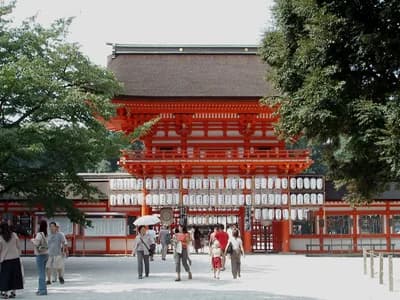
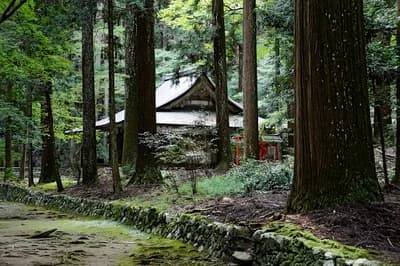
Saihō-ji, popularly known as Kokedera, is an ethereal Zen temple in southwestern Kyoto famous for its magical two-tiered garden carpeted in over 120 varieties of vibrant green moss. To preserve its delicate ecosystem, visitors must register in advance and participate in Zen Buddhist sutra copying before entering the garden.
Key Benchmarks & Specifications
UNESCO inscription year1994Garden species120+ varieties of natural living mossAdmission fee4,000 JPY (includes sutra transcription ritual)Access advance reservation online strictly requiredEditorial Strengths & Watchouts
+ Strengths / Pros
- +dreamlike, emerald-green moss carpet creating one of the most serene environments on Earth
- +strict reservation quota guarantees an uncrowded, peaceful visit
- +participation in meditative heart sutra calligraphy (shakyo) before garden walk
− Watchouts / Trade-Offs
- −highest admission price among Kyoto temples (4,000 JPY)
- −requires advance online application and rigid scheduled time slot
Eligibility & Access
- Best for contemplative travelers, botanical enthusiasts, and visitors seeking intimate spiritual respite from mass tourism
Key Caveats to Verify
- Kneeling during the sutra copying ceremony can be uncomfortable for those with joint issues (chairs available upon request)
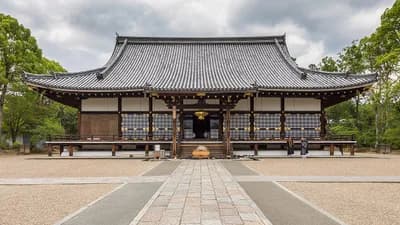
Situated at the confluence of the Kamo and Takano rivers, Shimogamo Shrine is one of the oldest Shinto shrines in Japan, dating back to at least the 6th century. Surrounded by the ancient Tadasu no Mori (Forest of Truth), a 124,000-square-meter virgin primeval woodland, it preserves ancient court ritual traditions.
Key Benchmarks & Specifications
UNESCO inscription year1994Historical antiquity dates prior to the founding of Kyoto as capital in794 CEForest area12.4 hectares of ancient virgin broadleaf forestMajor festival Aoi Matsuri (Hollyhock Festival) held annually on May15Admission fee free for shrine groundsEditorial Strengths & Watchouts
+ Strengths / Pros
- +peaceful approach through a primeval sacred forest with centuries-old trees
- +free admission to main shrine grounds
- +rich living Shinto ceremonial heritage, including the ancient Aoi Matsuri festival
− Watchouts / Trade-Offs
- −understated Shinto architectural aesthetic may feel modest compared to ornate Buddhist golden pavilions
- −located slightly north of central shopping districts
Eligibility & Access
- Best for travelers seeking authentic Shinto forest immersion, spiritual forest bathing, and ancient Japanese court history
Key Caveats to Verify
- Fewer English informational plaques compared to major tourist temples
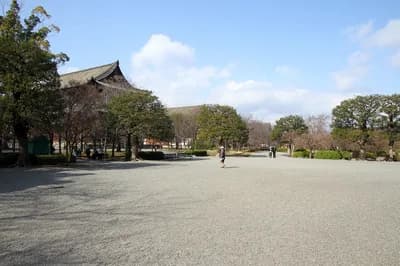
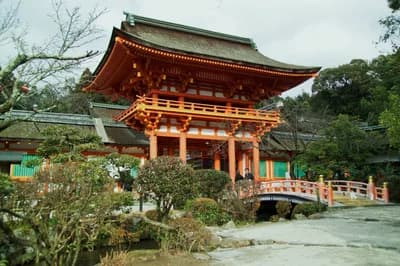
The northern twin of Shimogamo Shrine, Kamigamo Shrine honors the deity of thunder and was established to protect the ancient capital from evil directions. The shrine features two striking conical sand mounds (tatezuna) that symbolize the sacred mountains where the deity descended, predating Zen rock garden aesthetics.
Key Benchmarks & Specifications
UNESCO inscription year1994Founding antiquity7th century CE (Asuka period)Architectural treasures2 National Treasures and 34 Important Cultural PropertiesCeremonial feature Twin cone sand mounds (tatezuna)Admission fee free for grounds (special main hall viewings500 JPY)Editorial Strengths & Watchouts
+ Strengths / Pros
- +magnificent wide sacred grounds with pure streams running through the forest
- +unique cone-shaped sacred sand mounds that served as the design ancestor to Zen sand gardens
- +tranquil atmosphere largely untouched by mass foreign tour bus groups
− Watchouts / Trade-Offs
- −northernmost location among Kyoto UNESCO sites requires longer bus transit
- −special inner shrine viewings are restricted during ceremonial dates
Eligibility & Access
- Best for cultural travelers seeking quiet Shinto sacred spaces and ancient purification rituals
Key Caveats to Verify
- Limited restaurant and shopping options in the surrounding residential neighborhood
Have a list idea?
Start your own list and get help drafting entries with AI. A free account is required.
Create a list with AI →Think something was robbed of a spot?
Nominate a missing contender — once approved, the community votes it up or down into the rankings.
Rank it your way
Remix this list into your own ranking, or head to the play hub for every game mode and community breakdown — blind mode, challenges, tier lists, and more.