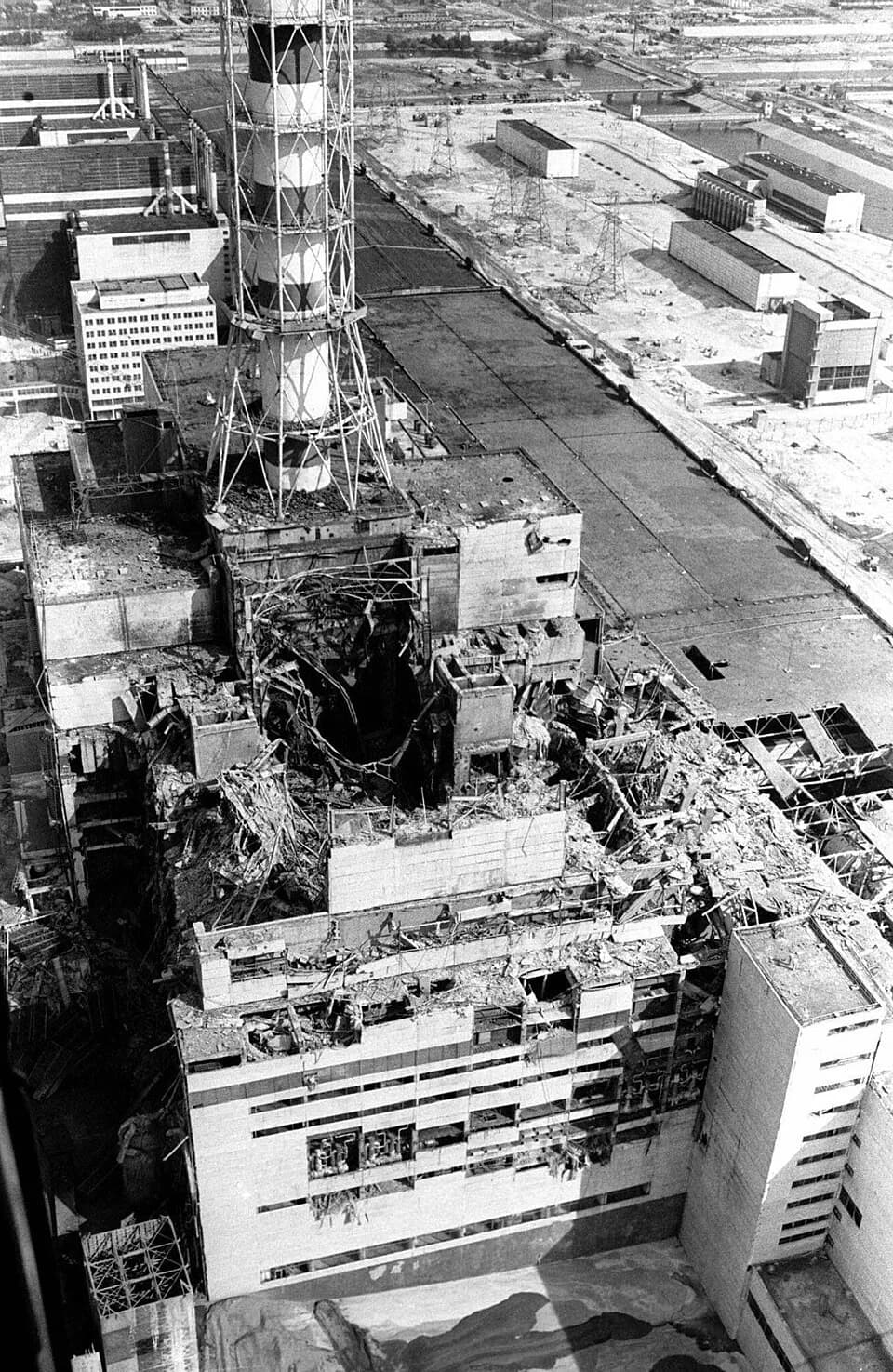
Chernobyl Disaster
Company2 list appearances
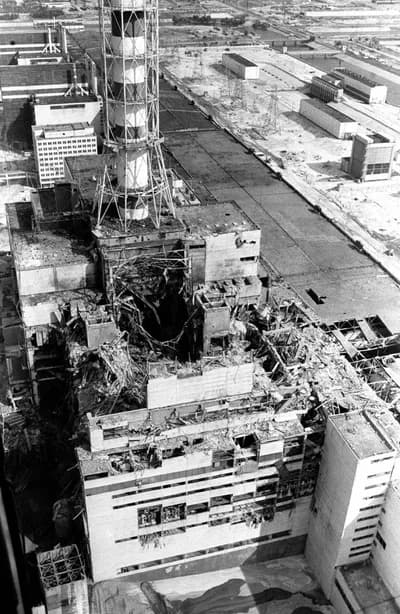
On April 26, 1986, Unit 4 at the Chernobyl nuclear power plant suffered catastrophic steam and hydrogen explosions during a turbine-rundown test, releasing at least 5% of its 192-tonne reactor core (~14 EBq total radioactivity). It remains the only accident in commercial nuclear power history where radiation-related fatalities occurred, catalyzing global nuclear safety culture and international conventions. Reactor Physics Flaw: The Soviet RBMK-1000 possessed a 'positive void coefficient' at low power and control-rod tip design flaws that caused a massive power surge when operators initiated emergency shutdown. Radiological & Evacuation Scale: Pripyat (45,000 residents) was evacuated on April 27; 116,000 people within 30 km were evacuated by May 14, and ~350,000 total were eventually evacuated or resettled across a 4,300 sq km exclusion zone. Two plant workers died in the initial explosions and 28 emergency workers/firemen died within weeks from acute radiation syndrome (ARS) out of 134 confirmed ARS cases. UNSCEAR (2018) estimated ~5,000 of ~20,000 thyroid cancer cases (1991–2015) in patients aged <=18 in 1986 were 'probably' radiation-attributable (15 fatal cases 1991–2005), while a 2021 Science study found no transgenerational genetic mutation increase.
1-Tap Primary Ranking Ballot
Overview#1 Full List
Does Chernobyl Disaster deserve the #1 spot on “Top 10 Worst Nuclear Incidents”?
#1 Chernobyl Disaster?
Verified Entity DossierRanked #1 in Top 10 Worst Nuclear Incidents
Best Rank
#1
top 3 in 2 lists
Avg Position
#1
across 2 lists
Community
#1 Pick
avg #1 overall
Strongest in Science — avg #1 across 1 list
Community Weigh-In & Debate
Should Chernobyl Disaster rank Top 3 in Worst Nuclear Incidents?
Ranked #1 on "Top 10 Worst Nuclear Incidents". Cast your vote to back or challenge this spot.
Be the first to vote on this ranking.
The Internet's Surprise Pick
“Top 10 Worst Nuclear Incidents”
Climbed to #1 — a narrowly contested win.
See the full ranking →Frequently Asked Questions
What is Chernobyl Disaster's highest community ranking?⌄
Chernobyl Disaster is ranked #1 on "Top 10 Worst Nuclear Incidents" — its best placement across 2 lists on top10grid.com.
How many top-10 lists feature Chernobyl Disaster?⌄
Chernobyl Disaster appears in 2 lists on top10grid.com, spanning categories including SCIENCE, NATURE.
What category is Chernobyl Disaster most known for on top10grid.com?⌄
Chernobyl Disaster appears most frequently in the SCIENCE category, most notably in "Top 10 Worst Nuclear Incidents".
What the internet says
Structured Facts & Specifications
Verified highlightsDate
April 26, 1986 (test preparation began April 25, 1986)
Location
Chernobyl Nuclear Power Plant, Unit 4 (RBMK-1000), near Pripyat, Ukraine (~110 km north of Kyiv)
Canonical Name
Chernobyl Disaster (1986 Chornobyl Nuclear Power Plant Accident)
Ontology Metadata
nodeType: Event
Digital Footprint & Archival Links
IAEA Chornobyl Portal, World Nuclear Association Report,