Verified MethodologyDestination Quality 45% · Access & Transit 30% · Seasonal Value 25%
Top 10 Things to Do in Okinawa in 2026
OkinawaWith three days in Okinawa, would you give your best day to Shurijo’s rebuilt royal hall, Churaumi’s whale shark, or the Kerama reefs? Okinawa’s main island rewards an…
Read more
itinerary with room for different sides of the prefecture. Start in Naha for the former Ryukyu royal capital, then choose a northern, southern or offshore day according to the kind of trip you want. This ranking is built for first-time visitors using the main island as their base. Zamami is included as a ferry day trip from Naha. Shurijo’s scheduled November 23 Seiden opening and Sefa Utaki’s temporarily shortened route both change what a late-2026 visit can include. Just missed Kouri Island. The bridge and beach make a scenic Motobu Peninsula detour, while Cape Manzamo filled the coastal-view slot with a shorter stop on the main island. Combine Shurijo and Makishi for a Naha day, then choose Motobu for Churaumi and Nakijin or head south for the Peace Memorial Museum and Nanjo. Hold the Kerama crossing for a day when the ferry timetable and conditions fit. If rain makes outdoor stops less practical, use the aquarium or Ryukyu Glass Village to keep the day focused on Okinawa.
Wikimedia Commons CC (Okinawa Photography, Vision-Verified)

Starting order. Vote up or down to reorder this list.
Current Rankings
- #1 Top RankedLeader
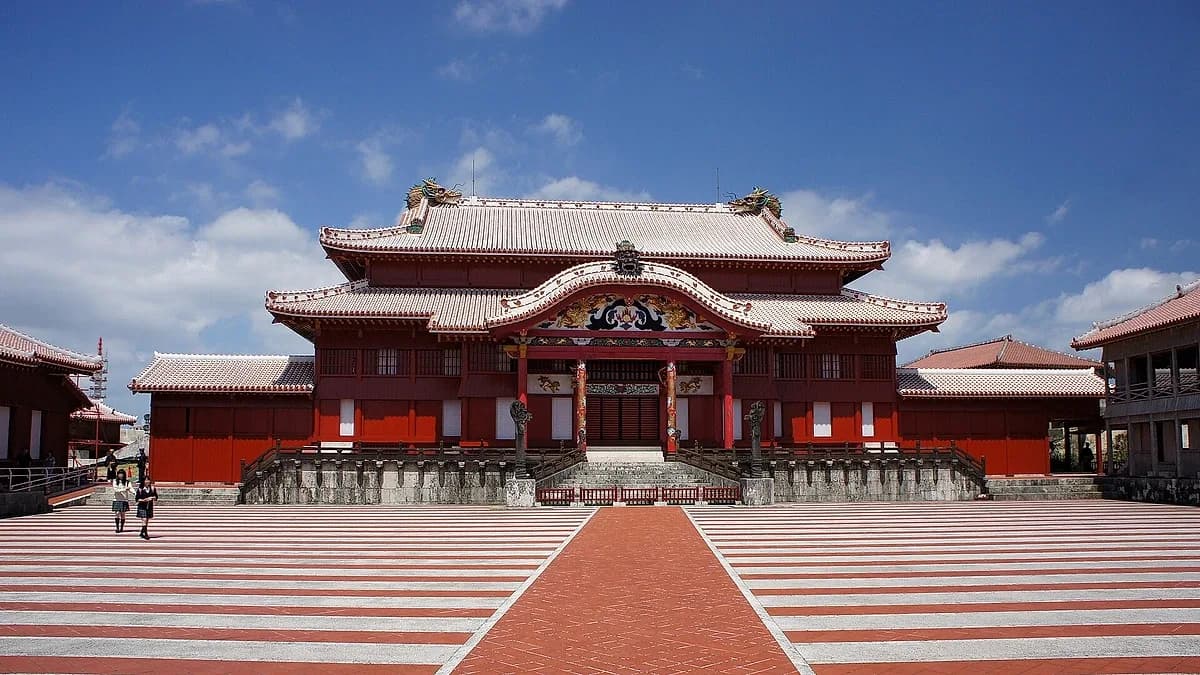
Overview Shurijo is the strongest first stop for understanding the Ryukyu Kingdom. Start with the approach through the gates, then use the paid precinct to get a sense of the royal courtyard and the rebuilt Seiden, or main hall. UNESCO’s inscription covers the historic Shuri castle site as one component of a group of Ryukyuan properties. The park schedules the reconstructed hall interior to open on November 23, 2026, making the date of your trip part of the experience.
Key metrics
- Scheduled Seiden opening: 23 Nov 2026
- Adult paid-area entry: ¥1,000 from 23 Nov
- High-school entry: ¥760 from 23 Nov
- World Heritage inscription: 2000
Pros
- The royal precinct gives context for the other gusuku sites.
- The courtyard and exterior have a paid admission option without an interior reservation.
- The operator recommends public transport during the reopening period.
Cons
- The interior needs a timed reservation.
- Reopening demand can make preferred slots hard to secure.
- The new admission tariff applies from November 23.
Best for First-time visitors, architecture enthusiasts, and anyone pairing Shuri with the wider story of the Ryukyu Kingdom.
Things to watch out for Leave a buffer between reaching Shuri and joining the viewing queue. The park uses a QR ticket at Houshinmon for reserved visits.
Why it ranks #1: The royal precinct and the 2026 Seiden opening give Shurijo a more distinctive first-visit story than Churaumi, while Naha access helps offset the timed ticket.planning_easePublic transport recommendeditinerary_flexibilityPaid exterior access availableokinawa_distinctivenessRyukyu royal site, inscribed in 2000 
Overview In Motobu’s Ocean Expo Park, the aquarium turns a visit into a descent through Okinawa’s marine habitats. Start with coral and tropical fish, then pause at the Kuroshio Sea tank and finish with the deep-sea exhibits. The large tank’s scale is the reason to travel north, but the smaller galleries explain what you are seeing. The aquarium guide estimates about two hours by expressway from Naha Airport, so pair it with Nakijin or make Motobu the base for the day.
Key metrics
- Adult admission: ¥2,180
- Elementary and junior-high entry: ¥710
- Kuroshio tank volume: 7,500 m³
- Exhibition tanks: 75 tanks
- Aquarium opened: 2002
Pros
- Indoor galleries work on wet days.
- The tank can be seen from multiple viewing positions.
- The aquarium’s interpretation follows marine habitats found around Okinawa.
Cons
- A day trip from Naha takes a significant amount of transit time.
- The adult ticket is the highest fixed site admission in this ranking.
- Animal visibility can change with care needs and exhibit operations.
Best for Families, marine-life enthusiasts, and visitors who want a reliable northern stop when open-water plans depend on conditions.
Things to watch out for Check the aquarium’s current opening hours and animal updates. Leave time for the reef galleries if the main viewing window is crowded.
Why it ranks #2: Churaumi falls just behind Shurijo on local historical distinctiveness, then beats Zamami on the reliability of a large indoor visit without a ferry timetable.planning_easeAbout 2 hours by car from Naha Airportitinerary_flexibility75 exhibit tanks in the facilityokinawa_distinctiveness7,500 m³ Kuroshio Sea tank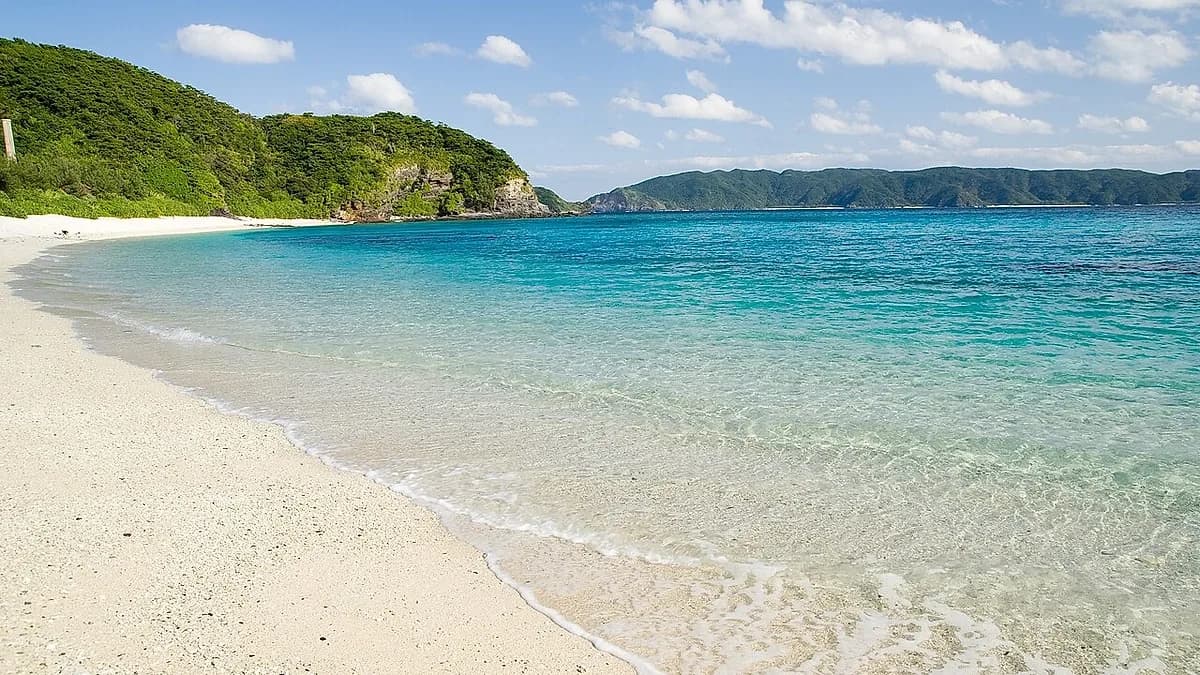
Overview Zamami is the offshore entry in this main-island-based itinerary. The environment ministry places Furuzamami Beach within Keramashoto National Park, where the marine area is far larger than the land area. Start with the return sailing when planning your day. On the island, the village operates a bus from near the visitor facility, and seasonal beach houses at Furuzamami offer rentals and other services. A quieter land-based visit can centre on the observatory if water plans change.
Key metrics
- Fast-boat journey range: 50–70 min
- Conventional ferry range: 90–120 min
- National park designation: 2014
- National park marine area: 90,475 ha
Pros
- The island offers a beach and an observation point in one day.
- High-speed and conventional vessels serve Zamami Village.
- The national park puts reefs and offshore habitats at the centre of the visit.
Cons
- Crossings depend on sea conditions.
- Ferry timetables constrain a day trip.
- Beach services are seasonal.
Best for Travelers with a flexible day in Naha who want an offshore marine landscape without adding a flight.
Things to watch out for Check the correct Tomari Port boarding area and book the return sailing. The high-speed boat uses the north quay, separate from the conventional ferry terminal.
Why it ranks #3: Zamami trails Churaumi for timetable and weather dependence, but its national-park marine landscape gives it a broader active day than the Peace Memorial Museum.planning_ease50–70 min high-speed crossingitinerary_flexibilitySeasonal beach facilitiesokinawa_distinctivenessKeramashoto National Park beach
Overview The museum in Mabuni, Itoman, tells the story of the Battle of Okinawa through the experiences of people who lived through it. Read the exhibits at your own pace and then walk to the Cornerstone of Peace, where memorial walls record names across nationalities. Okinawa Prefecture describes the memorial as a place to remember those who died and to consider what peace asks of the living. Give the visit room in the day for reading and reflection.
Key metrics
- Adult admission: ¥300
- Child admission: ¥150
- Battle of Okinawa: 1945
- Audio languages: 5 languages
- Deaths commemorated: More than 200,000
Pros
- The museum foregrounds Okinawan civilian accounts.
- The operator offers audio service in five languages.
- The memorial grounds extend the visit beyond the galleries.
Cons
- The subject and individual accounts can be emotionally difficult.
- Itoman requires a separate journey from central Naha.
- Late arrivals have limited time for the exhibitions.
Best for Visitors who want to understand modern Okinawan history and are willing to give the material their full attention.
Things to watch out for The museum lists last admission at 16:30 and a December 29–January 3 closure. Allow extra time outside if you plan to read the memorial inscriptions.
Why it ranks #4: The museum’s account of civilian experience carries more historical weight than Okinawa World’s mixed programme, while Zamami takes the higher slot for a wider range of outdoor activities.planning_ease¥300 adult ticket and multilingual audioitinerary_flexibilityLast admission 16:30okinawa_distinctivenessCivilian accounts of the 1945 battle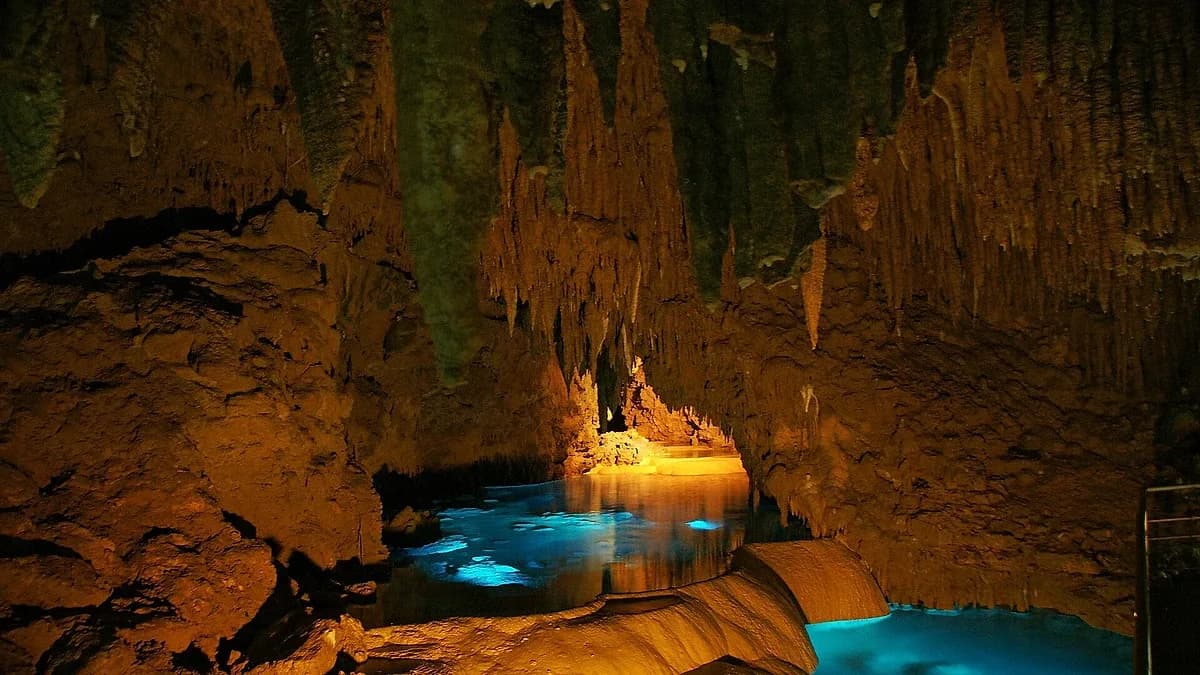
Overview The strongest reason to visit Okinawa World is Gyokusendo, a limestone cave whose public trail runs for 890 metres through a roughly five-kilometre system. Start underground, then make time above ground for eisa and craft demonstrations if their timings suit your visit. The operator reports three scheduled Super Eisa performances per day and says they normally take place under cover in rain. The cultural activities give groups with different interests a choice after the cave.
Key metrics
- Adult admission: ¥2,000
- Public cave route: 890 m
- Cave system length: About 5 km
- Super Eisa duration: About 30 min
- Scheduled eisa shows: 3 per day
Pros
- The cave route is long enough to make geology the focus.
- A dance performance adds a separate reason to stay above ground.
- The surface facilities are accessible according to the operator.
Cons
- The cave is excluded from the operator’s barrier-free facilities.
- The adult ticket covers a bundled attraction.
- Craft activities and shows have their own last-entry or start times.
Best for Families and mixed-interest groups looking for a substantial southern Okinawa stop with underground and above-ground options.
Things to watch out for Check the show timetable before descending and plan around the cave route if anyone in the group cannot manage it. The site stops accepting admission at 16:00.
Why it ranks #5: Okinawa World’s cave and performance schedule make it easier to build a half-day around than Nakijin, while the Peace Memorial Museum ranks higher for the depth of its single subject.planning_ease30–40 min drive from central Nahaitinerary_flexibilityThree scheduled eisa shows dailyokinawa_distinctiveness890 m public limestone cave route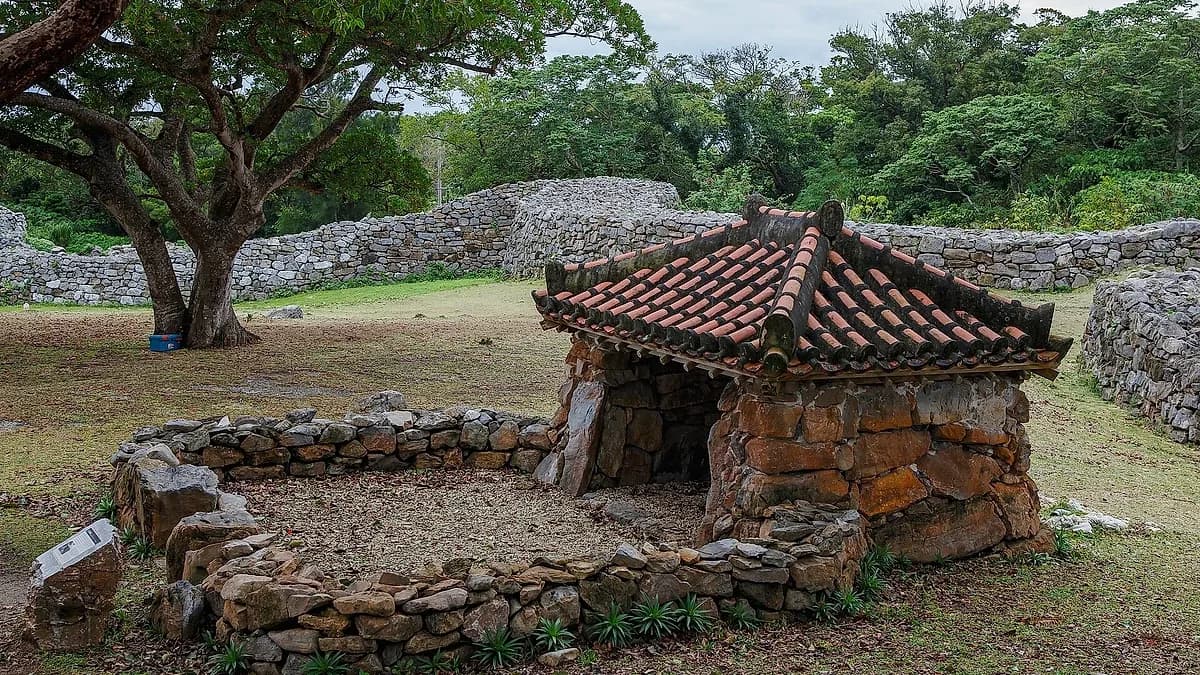
Overview At Nakijin, the remaining walls do the storytelling. Walk through the approach gate, follow the curved stonework uphill, and use the layout to see why this was a stronghold for Hokuzan. The site stands around 100 metres above sea level, with views out beyond the ruined enclosures. The nearby History and Culture Center displays finds including ceramics from the site. Visit the centre first if you are arriving late because its admissions close earlier than the grounds.
Key metrics
- Adult admission: ¥1,000
- Secondary school admission: ¥500
- Site elevation: About 100 m
- Parking capacity: About 320 spaces
Pros
- The hilltop walls show how a gusuku follows the terrain.
- The free history centre gives the stonework archaeological context.
- The site fits naturally into a Motobu Peninsula day.
Cons
- Stone stairs make the ruins difficult for wheelchairs and strollers.
- An outdoor visit is exposed to heat and rain.
- The history centre follows a separate closure schedule.
Best for Travelers who enjoy archaeological sites, hilltop views, and comparing the northern kingdom with royal Shuri.
Things to watch out for Use the operator’s current prices. It lists ¥1,000 for adults and ¥500 for junior-high and high-school students, superseding the ¥600 adult fee still found in older guides.
Why it ranks #6: Nakijin’s surviving walls give it stronger historical depth than the Makishi market, while Okinawa World’s cave and scheduled performances offer more variety for a mixed group.planning_easeApprox. 110 km from Naha Airportitinerary_flexibilityFree adjacent history centreokinawa_distinctivenessHilltop Hokuzan stronghold
Overview The First Makishi Public Market gives Naha visitors an easy way into Okinawan food culture. Walk the first floor to see what sellers have in that day, then ask whether an eligible fish or meat purchase can be prepared upstairs under the market’s mochiage system. You can also go directly to the upstairs dining floor and order from a menu. Naha City’s walking guide notes that the market reopened in March 2023, so older photos may show a different building.
Key metrics
- Market reopened: March 2023
- Fresh-food floor: 1st floor
- Dining floor: 2nd floor
- Cook-up last order: 19:45
- Dining last order: 20:00
Pros
- A single stop combines food shopping and a sit-down meal.
- Upstairs menus offer an alternative to arranging preparation downstairs.
- The market works as part of a central Naha walking day.
Cons
- Individual stalls keep their own hours.
- The cook-up service applies to eligible purchases only.
- The market normally closes on the fourth Sunday outside December.
Best for Food-minded travelers who want to see ingredients and choose a meal without setting aside a separate cross-island trip.
Things to watch out for Agree on the purchase and cooking charges before ordering. The official site lists 19:45 for the cook-up last order and 20:00 for the upstairs dining last order.
Why it ranks #7: Makishi is easier to fit into a Naha itinerary than Nakijin but offers less standalone historical depth, and its multi-stop food experience gives it an edge over Cape Manzamo’s shorter walk.planning_easeCentral Naha walking-route stopitinerary_flexibilityMarket hours 08:00–22:00, stores varyokinawa_distinctivenessFresh market and upstairs preparation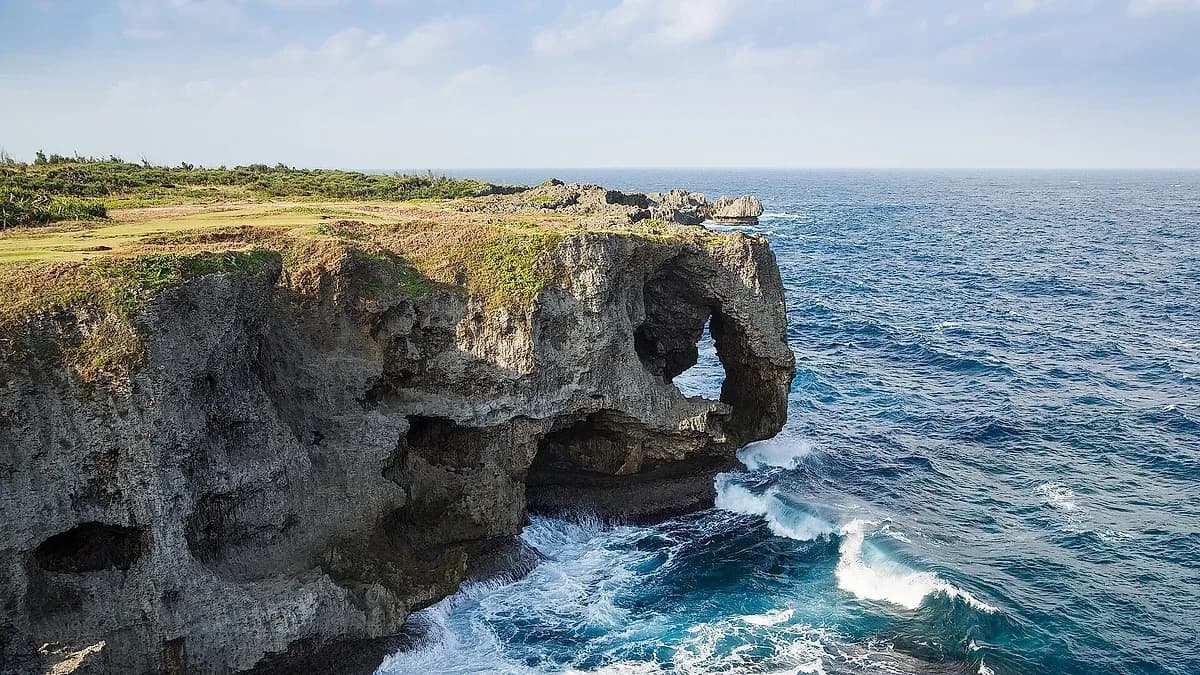
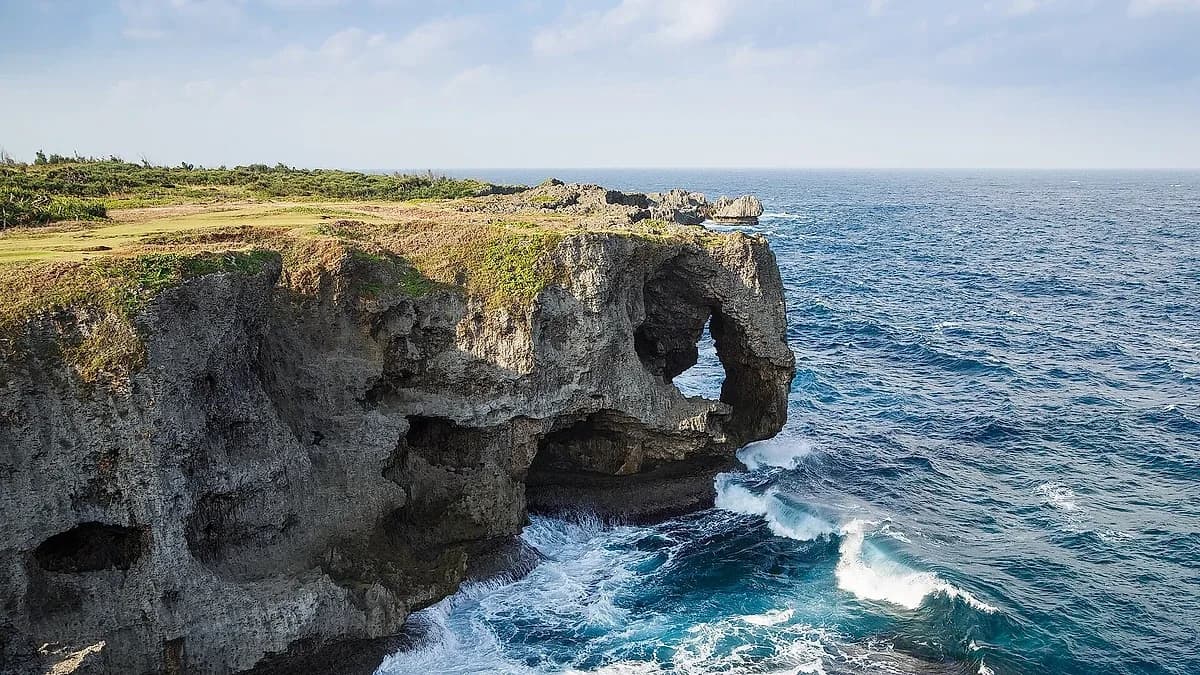
Overview Cape Manzamo is the short coastal stop to build into a longer Onna drive. The 20-metre limestone cliff and grass above it show the landscape from land and leave time for another outing along the coast. The adjacent visitor facility has shops and food. Make the path the main event, with the building as a fallback if the weather turns. The operator notes that cape viewing ends at sunset, so the facility’s published hours do not tell you when you can still walk the headland.
Key metrics
- Cliff height: 20 m
- Viewing fee: ¥100
- Visitor centre opened: 2020
- Onna coast scenic route: Route 58
Pros
- A short stop fits a longer Route 58 drive.
- The ¥100 viewing fee keeps the decision low cost.
- The visitor centre gives the group somewhere to regroup.
Cons
- Coastal visibility depends on weather.
- The lookout works better as an itinerary stop than as a whole-day destination.
- The outdoor route ends at sunset even when the building stays open later.
Best for Onna-area visitors and west-coast road trippers who want a low-commitment view over Okinawan limestone and sea.
Things to watch out for Use the operator’s current notice for weather closures. Arrive before sunset with time to walk the viewing route, especially on shorter winter days.
Why it ranks #8: The ¥100 cliff walk offers better late-2026 visitor access than restricted Sefa Utaki, while Makishi wins on the number of things to do at one stop.planning_ease¥100 viewing admissionitinerary_flexibilityCape viewing ends at sunsetokinawa_distinctiveness20 m Ryukyu limestone cliff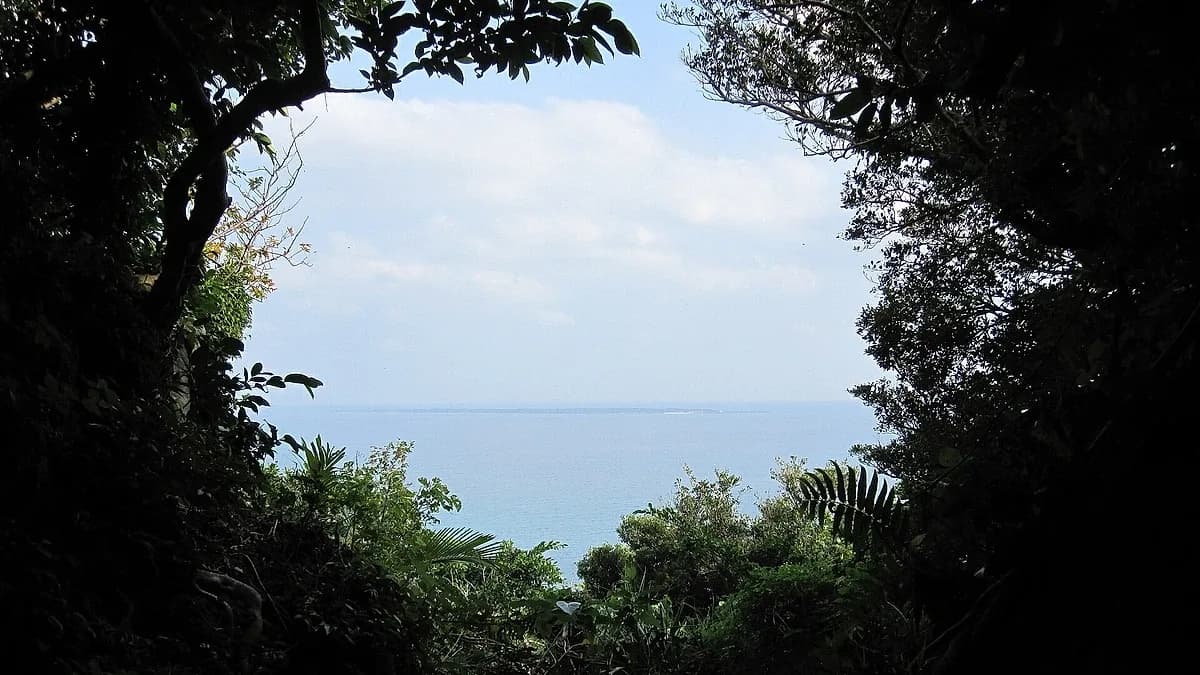
Overview Sefa Utaki provides a view into the spiritual life of the Ryukyu Kingdom. The official tourism guide describes the ties between the sanctuary, court priestesses and royal pilgrimages, which make this a useful companion to Shurijo. For late 2026, however, the operator limits visitors to Ujo-guchi and waives the fee between November 2 and January 5, 2027. Read the site interpretation before the walk, since the familiar inner rock formations are beyond the published access limit.
Key metrics
- Temporary admission: ¥0 through 5 Jan 2027
- Standard adult admission: ¥600 outside waiver
- Walk from parking: About 400 m
- Parking capacity: About 150 spaces
Pros
- The site gives context for Ryukyuan court and pilgrimage traditions.
- Free parking is available near the visitor approach.
- The current access limit has a published end date.
Cons
- Temporary restrictions substantially shorten the visit.
- The approach still requires a walk from parking.
- The stone setting is a living sacred place with visitor rules.
Best for Visitors who are already touring Nanjo and want a respectful short stop connected to the history of Shurijo.
Things to watch out for Respect the posted turnaround point and avoid touching or climbing sacred stones. Confirm current access with the operator before making a dedicated trip.
Why it ranks #9: Sefa’s royal spiritual history carries rare local distinctiveness on a southern route, while temporary Ujo-guchi access limits keep it below the open coastal path at Cape Manzamo.planning_easeApprox. 400 m walk from parkingitinerary_flexibilityLimited to Ujo-guchi through 5 Jan 2027okinawa_distinctivenessRyukyu royal pilgrimage sanctuary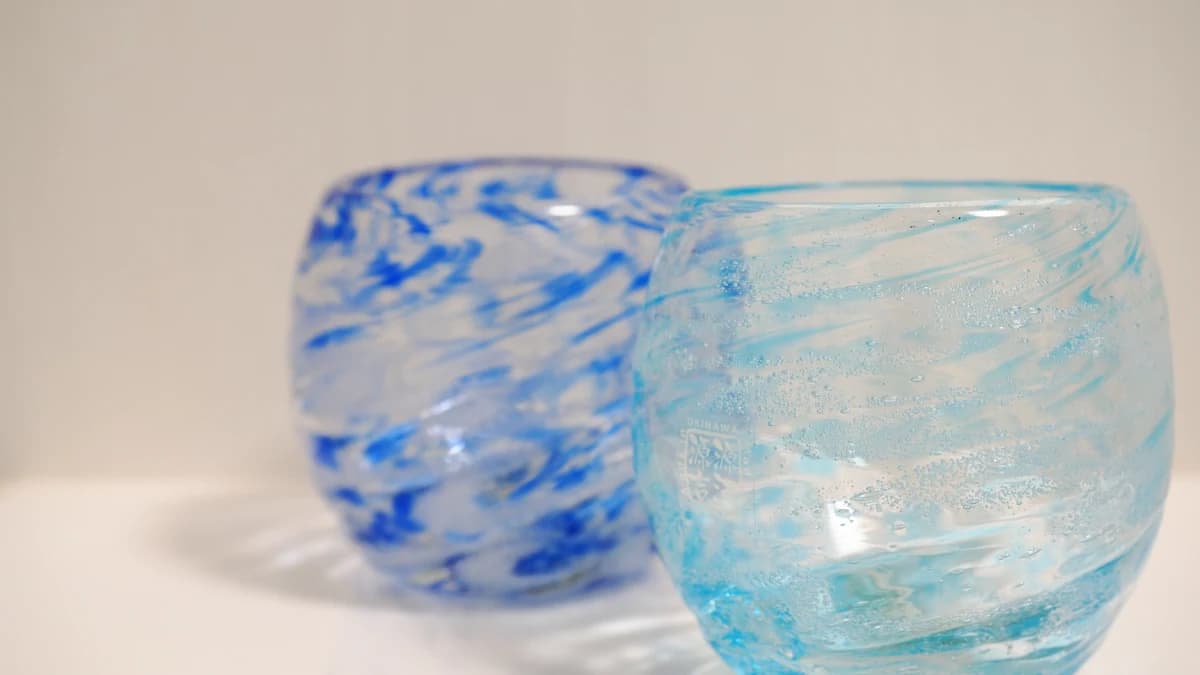
Overview Watch certified artisans gather molten glass from a 1,300°C furnace at Okinawa Prefecture’s largest hand-blown glass studio in southern Itoman, or reserve a ten-minute mold-blowing and shaping session to craft your own cup or bowl. Site admission and parking are free, and Workshop ThinkThink also runs walk-in crafts such as glass engraving, Shisa painting and gel glasses that you can carry out the same day while blown pieces cool overnight in a 600°C annealing kiln. Would you trade a traditional gallery visit in Naha for shaping your own Ryukyu glass at a live Itoman furnace?
Key metrics
- Daily hours (open 365 days): 09:30–17:30 (workshop last entry 16:00)
- Site admission and parking: ¥0 (100 cars, 4 buses)
- Reserved glassblowing base fee: ¥4,400 clear glass/bowl (ships in 2–7 days)
- Drive from Naha Airport: About 25 min via Route 331
Pros
- Free admission lets visitors watch the live furnace floor, browse the gallery and shop the Jangara-ya outlet.
- Open 365 days a year indoors, making it an easy southern pairing with Peace Memorial Park or rainy weather.
- Eight walk-in Workshop ThinkThink crafts can be taken home the same day without waiting for kiln shipping.
Cons
- Hand-blown glass requires overnight 600°C annealing and ships two to seven days later rather than leaving with you.
- Glassblowing requires advance booking (or open walk-in slots), 30-minute early check-in, and elementary-school age or above.
- Reaching the studio by public bus requires transferring at Itoman Bus Terminal onto Route 82 or 108.
Best for Southern-route road trippers and craft-focused travelers who want to watch live Okinawan glassblowing or make a custom piece.
Things to watch out for Enter Mapcode 232 336 227 or phone 098-997-4784 so car navigation does not route you to the Nishizaki sales office, avoid sandals or shorts in the hot studio, and confirm shipping options before booking glassblowing near the end of an overseas trip.
Why it ranks #10: Watching a 1,300°C Ryukyu glass furnace and shaping a piece alongside local artisans offers a more tactile Okinawan craft experience than a general gallery stop, though kiln-shipping waits and southern bus transfers keep it behind the UNESCO royal sanctuary at Sefa Utaki.Vote: Would you trade a traditional museum stop in Naha for blowing your own Ryukyu glass at Itoman’s working furnace?
planning_ease¥0 site entry, 25-min airport drive, reserve blowingitinerary_flexibilityOpen 365 days with same-day walk-in craftsokinawa_distinctivenessOkinawa’s largest hand-blown Ryukyu glass studio
Have a list idea?
Start your own list and get help drafting entries with AI. A free account is required.
Create a list with AI →Think something was robbed of a spot?
Nominate a missing contender — once approved, the community votes it up or down into the rankings.
How We Rank & Evaluation Methodology
Top10Grid ranks Top 10 Things to Do in Okinawa in 2026 by combining structured 2026 domain verification with live community ballot and pairwise head-to-head voting.
- Core Evaluation Criteria: Every contender—including top-ranked Shurijo Castle Park (#1), Okinawa Churaumi Aquarium (#2), and Zamami Island (#3)—is assessed across visitor experience quality, transit accessibility, seasonal value, local authenticity, and verified traveler demand. - Structured Contender Parity: All 10 ranked entries carry canonical entity links, verified visual assets, and side-by-side comparison attributes so readers can audit exact trade-offs before voting. - Dynamic Vote Weighting: Community votes continuously stress-test editorial placements while anti-gaming velocity guards preserve ranking integrity.
Image credits
- Shurijo Castle Park: Wikimedia Commons CC (Vision-Verified)
- Okinawa Churaumi Aquarium: Wikimedia Commons CC (Vision-Verified)
- Zamami Island: Wikimedia Commons CC (https://commons.wikimedia.org/wiki/File%3AFuruzamami_beach_Okinawa_Zamami.jpg)
- Okinawa Prefectural Peace Memorial Museum: Wikimedia Commons CC (Vision-Verified)
- Okinawa World: Wikimedia Commons CC (Vision-Verified)
- Nakijin Castle Ruins: Wikimedia Commons CC (Vision-Verified)
- Daiichi Makishi Public Market: Wikimedia Commons CC (Vision-Verified)
- Cape Manzamo: Wikimedia Commons CC (Vision-Verified)
- Sefa Utaki: Wikimedia Commons CC (Vision-Verified)
- Ryukyu Glass Village: yawning hunter / Wikimedia Commons (CC BY 2.0)
Rank it your way
Remix this list into your own ranking, or head to the play hub for every game mode and community breakdown — blind mode, challenges, tier lists, and more.