Verified MethodologyPrimary Evidence 45% · Comparative Specs 30% · Community Consensus 25%
Kyawthuite vs. Painite? Top 10 Rarest Gemstones in the World
While diamonds and commercial precious gems are mined across multiple continents in volumes reaching tens of millions of carats annually, Earth's rarest gemstones exist only through extraordinary geological anomalies. Formed where…
Read more
incompatible elements like beryllium, boron, and titanium combine under volatile hydrothermal pressure, these exotic minerals are often restricted to a single mountain range, pegmatite pocket, or isolated deposit. At the apex of planetary rarity is kyawthuite, documented from only 1 single specimen ever discovered in Myanmar, followed by painite, which long held the Guinness record as Earth's rarest mineral. From ultra-scarce collector minerals like taaffeite, poudretteite, and musgravite to single-source treasures including Utah's red beryl, California's benitoite, and Merelani's tanzanite, these crystals represent the pinnacle of gemological scarcity. This benchmark ranks the 10 rarest gemstones in the world based on documented geological supply as of 2026. Natural gemstone scarcity is determined by extraordinary geological conditions requiring incompatible chemical elements to crystallize under extreme temperature and pressure regimes. This verified mineralogical benchmark ranks the 10 rarest gemstones on Earth strictly by verified specimen scarcity and restricted single-source deposits as of 2026. Gemstones are ranked in descending order according to certified natural scarcity, evaluated by total documented crystal specimens, commercial deposit limitations, and research disclosures from the Gemological Institute of America, state geological surveys, and peer-reviewed mineralogical journals as of 2026. The evaluation prioritizes species with confirmed single-source deposits, exhausted historical mines, and museum-grade specimen counts. The comparative model assesses each gem across 3 weighted dimensions: global rarity rating (60 percent), geographic deposit scarcity (25 percent), and relative scarcity index compared to kyawthuite (15
zmescience.com

Starting order. Vote up or down to reorder this list.
Current Rankings
- #1 Top RankedLeader0
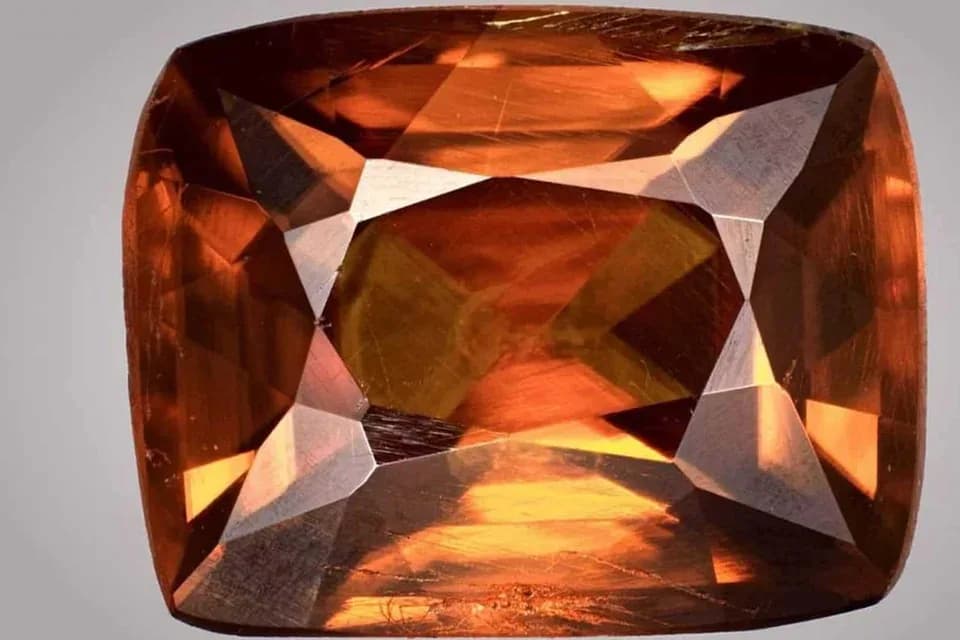
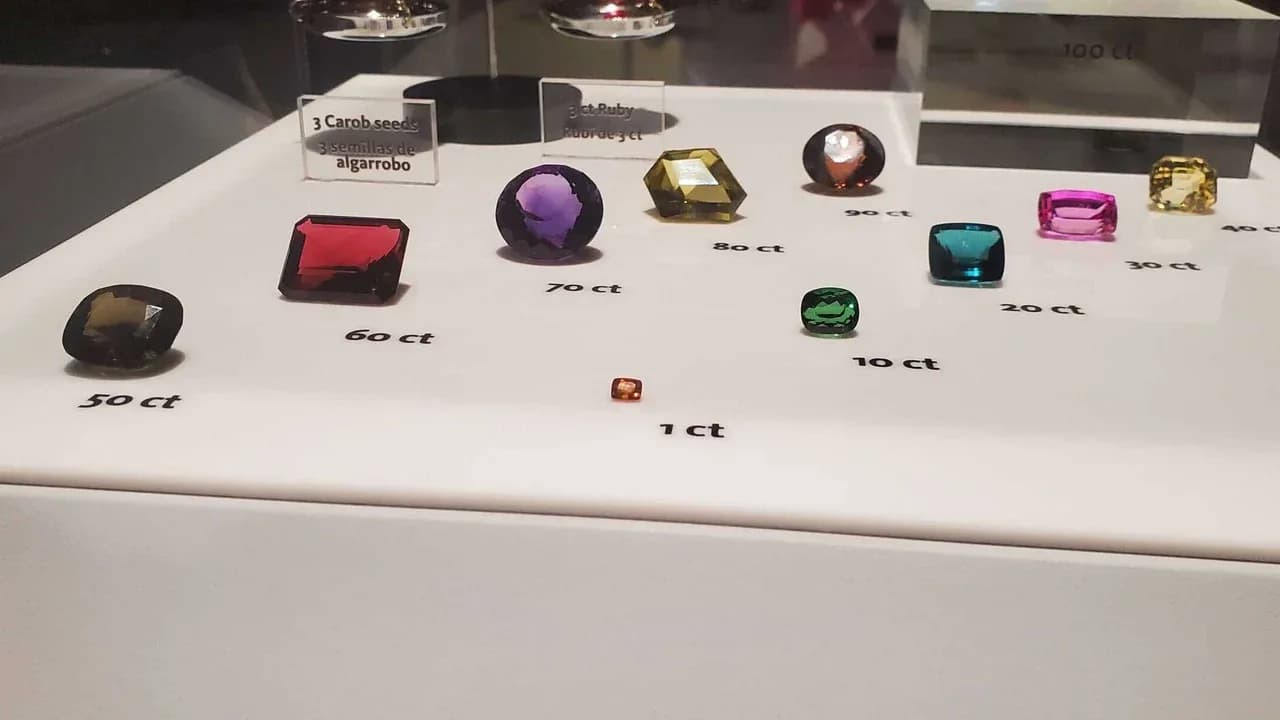
Discovered in 2010 by gem hunter Kyaw Thu in the alluvial gem gravels of Chaung-gyi near Mogok, Myanmar, kyawthuite is officially recognized as the rarest mineral and gemstone on Earth. Approved in 2015 by the International Mineralogical Association, it is a natural bismuth antimonate compound with the chemical formula Bi3+Sb5+O4.
Why it ranks #1: Ranks first globally as the rarest mineral known to science, with only 1 single natural specimen ever recovered in human history.rarity_score10.0 / 10relative_scarcity_pct100.0%source_locality_score10.0 / 10 (Single Specimen) - #20
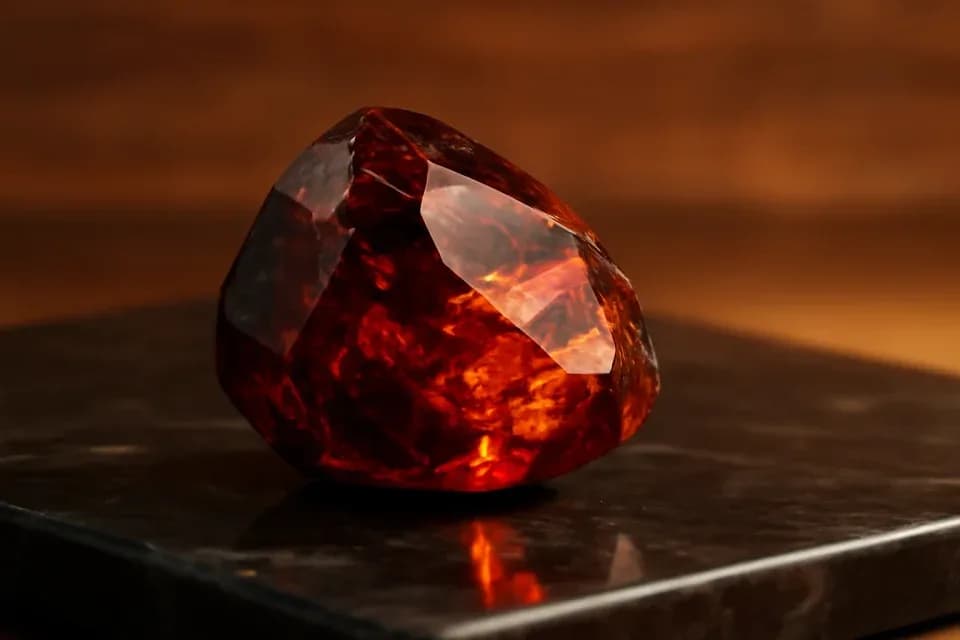
First discovered in 1957 by British gemologist Arthur C. D.
Why it ranks #2: Ranks second worldwide having held the Guinness record for rarest mineral for decades, with early global supply limited to fewer than 5 specimens.rarity_score9.5 / 10relative_scarcity_pct95.0%source_locality_score9.4 / 10 - 0
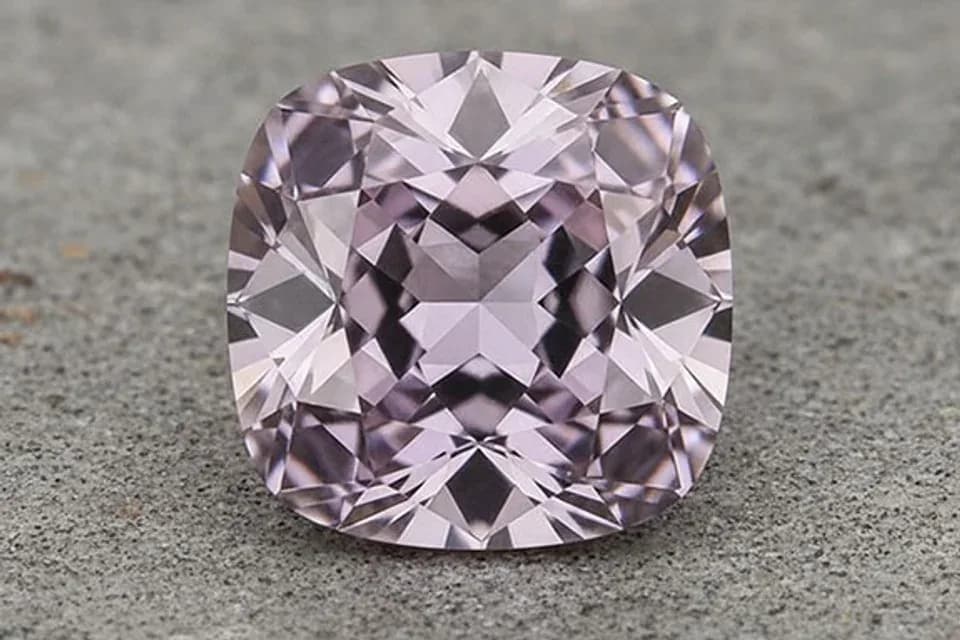
Discovered in November 1945 by Bohemian-Austrian gemologist Count Edward Charles Richard Taaffe in Dublin, Ireland, taaffeite holds a unique place in mineralogical history as the only mineral species ever discovered from an already-cut and polished gemstone. Taaffe had purchased a parcel of cut spinels from a local jeweler and noticed that 1 pale mauve 1.41-carat stone exhibited distinct double refraction (birefringence), which is physically impossible in singly refracting spinel.
Why it ranks #3: Ranks third globally due to its remarkable discovery history and extreme scarcity, with fewer than 50 verified gem-quality stones known for decades.rarity_score9.0 / 10relative_scarcity_pct90.0%source_locality_score9.0 / 10 - 0
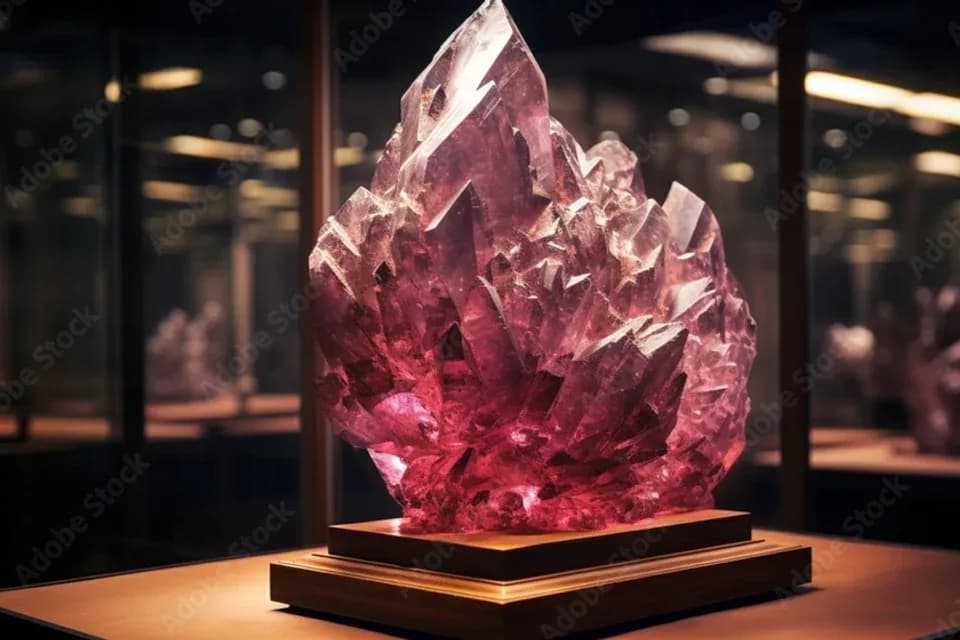
Discovered in 1965 in the Poudrette quarry at Mont Saint-Hilaire, Quebec, Canada, poudretteite was named after the Poudrette family who operated the quarry. Officially recognized by the International Mineralogical Association in 1987, it is an extremely complex borosilicate mineral with the chemical formula KNa2B3Si12O30.
Why it ranks #4: Ranks fourth globally with gem-quality faceted specimens numbering among the scarcest on Earth, highlighted by the Smithsonian 9-carat faceted crystal.rarity_score8.8 / 10relative_scarcity_pct88.0%source_locality_score8.8 / 10 - 0
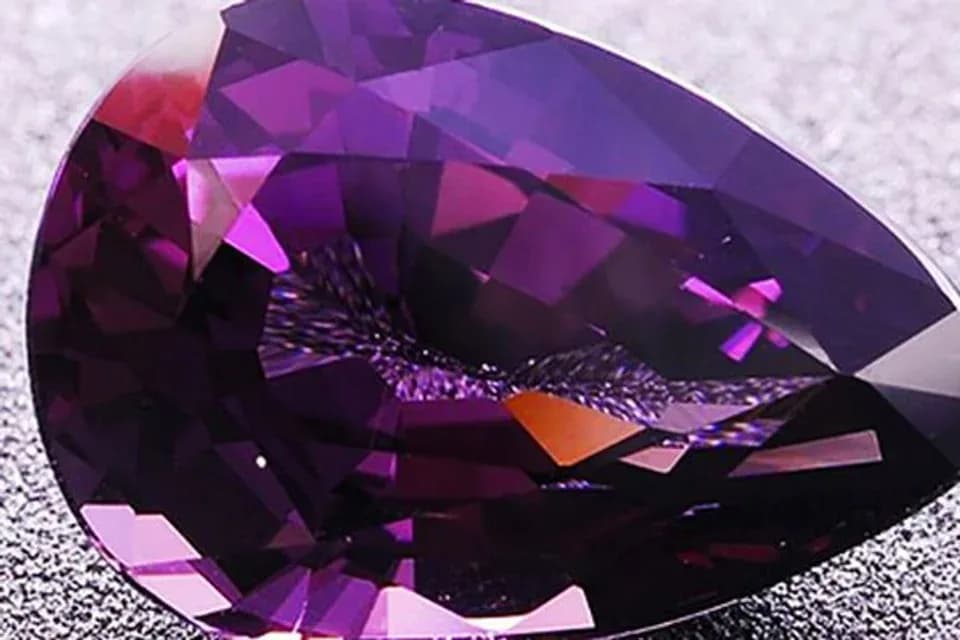
First discovered in 1967 at the Ernabella Mission in the Musgrave Ranges of South Australia, musgravite (officially designated magnesiotaaffeite-6N'3S) is a member of the taaffeite mineral group with the chemical formula Mg2BeAl6O12. Chemically and structurally similar to taaffeite, musgravite crystallizes in the trigonal crystal system rather than the hexagonal system of taaffeite, making positive identification possible only through Raman spectroscopy or quantitative electron microprobe analysis.
Why it ranks #5: Ranks fifth globally with fewer than 30 faceted museum-grade specimens documented worldwide since its discovery in 1967.rarity_score8.5 / 10relative_scarcity_pct85.0%source_locality_score8.5 / 10 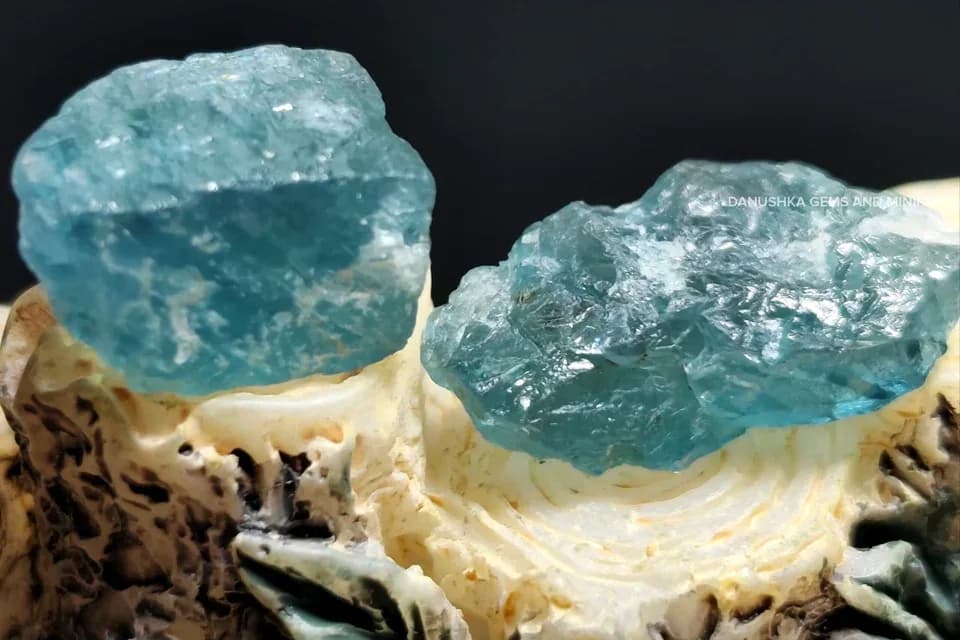
Named in honor of French naturalist and explorer Alfred Grandidier, grandidierite was first described in 1902 by French mineralogist Alfred Lacroix from samples collected at Cap Andrahomana in southern Madagascar. Composed of magnesium aluminium borosilicate with the formula (Mg,Fe)Al3(SiO4)(BO4)O2, grandidierite displays strong trichroic pleochroism, shifting between dark blue-green, colorless to light yellow, and dark green depending on the viewing angle.
Why it ranks #6: Ranks sixth globally as gem-quality transparent material is confined to a single deposit in Madagascar with fewer than 10 cut stones over 1 carat.rarity_score8.2 / 10relative_scarcity_pct82.0%source_locality_score8.2 / 10- 0
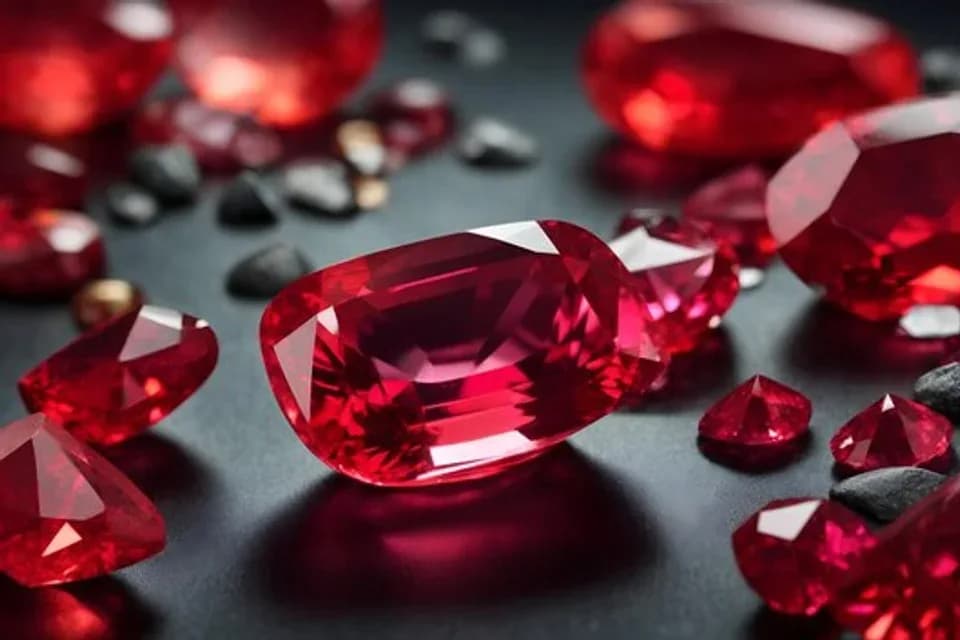
First discovered in 1904 by mineralogist Maynard Bixby in the Thomas Range of western Utah, red beryl (historically known as bixbite) is among the rarest gemstone varieties on Earth. Composed of beryllium aluminium cyclosilicate with the formula Be3Al2(SiO3)6, red beryl owes its vivid raspberry-red coloration to trace manganese ions replacing aluminium in the crystal structure under high-temperature topaz-bearing rhyolite volcanic tuff.
Why it ranks #7: Ranks seventh globally as it occurs at only 1 commercial mining deposit on Earth, yielding 1 crystal for every 150,000 gem diamonds.rarity_score8.0 / 10relative_scarcity_pct80.0%source_locality_score8.0 / 10 - 0
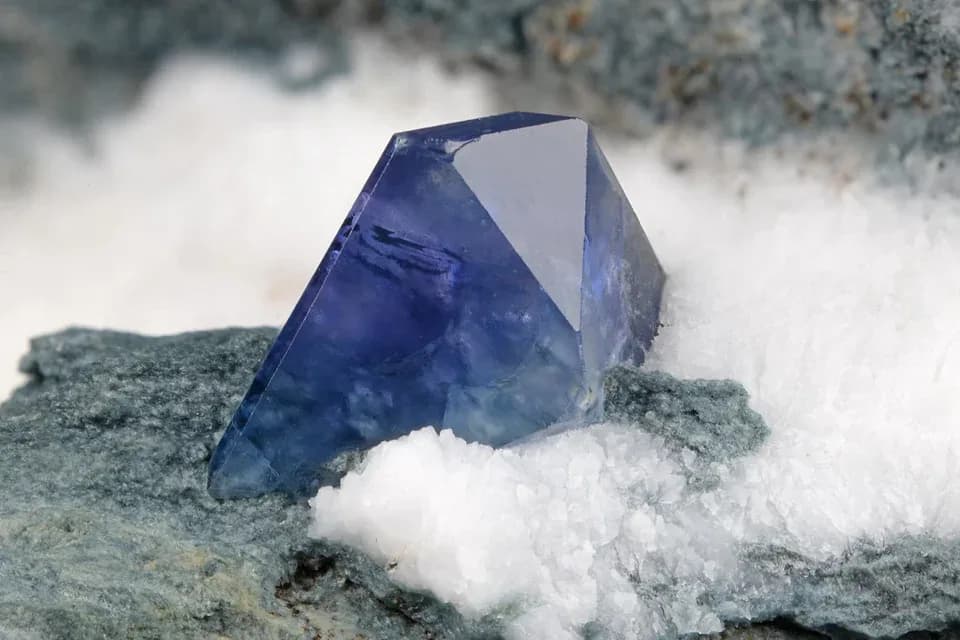
Discovered in 1907 by prospector James M. Couch in the headwaters of the San Benito River in San Benito County, California, benitoite is a barium titanium cyclosilicate mineral with the formula BaTiSi3O9.
Why it ranks #8: Ranks eighth globally having been commercially recovered from only 1 localized deposit in California with total lifetime output of roughly 5,000 carats.rarity_score7.6 / 10relative_scarcity_pct76.0%source_locality_score7.6 / 10 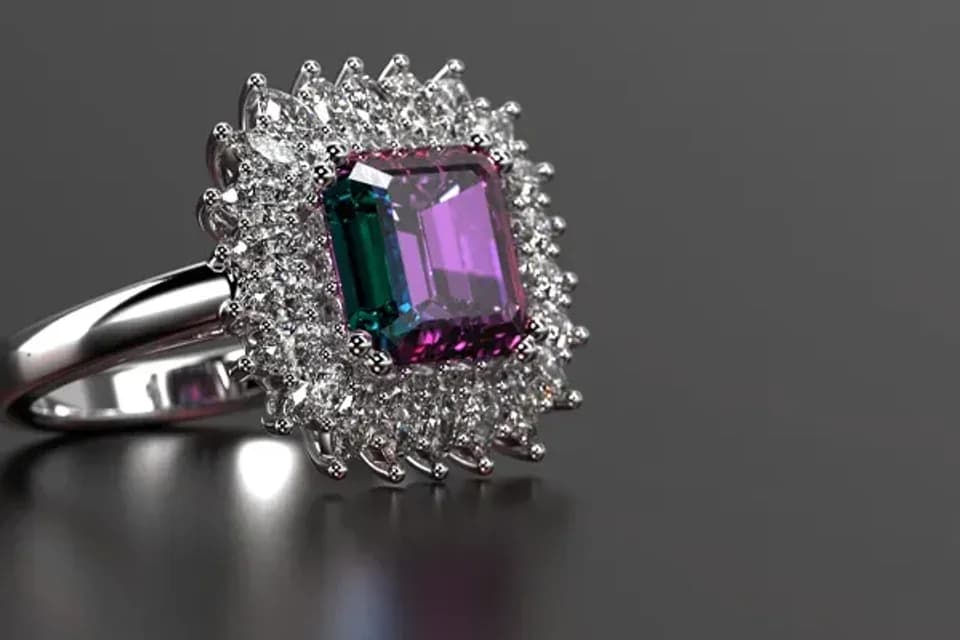
Discovered in the emerald mines along the Tokovaya River in the Ural Mountains of Russia in the early 1830s, alexandrite is a rare variety of chrysoberyl named after the future Russian Tsar Alexander II. Chemically composed of beryllium aluminium oxide with the formula BeAl2O4, alexandrite owes its optical signature to trace chromium ions replacing aluminium in the crystal lattice.
Why it ranks #9: Ranks ninth globally as original Russian underground mines closed in 1995, leaving verified Ural color-change specimens exceedingly scarce.rarity_score7.2 / 10relative_scarcity_pct72.0%source_locality_score7.2 / 10- #100
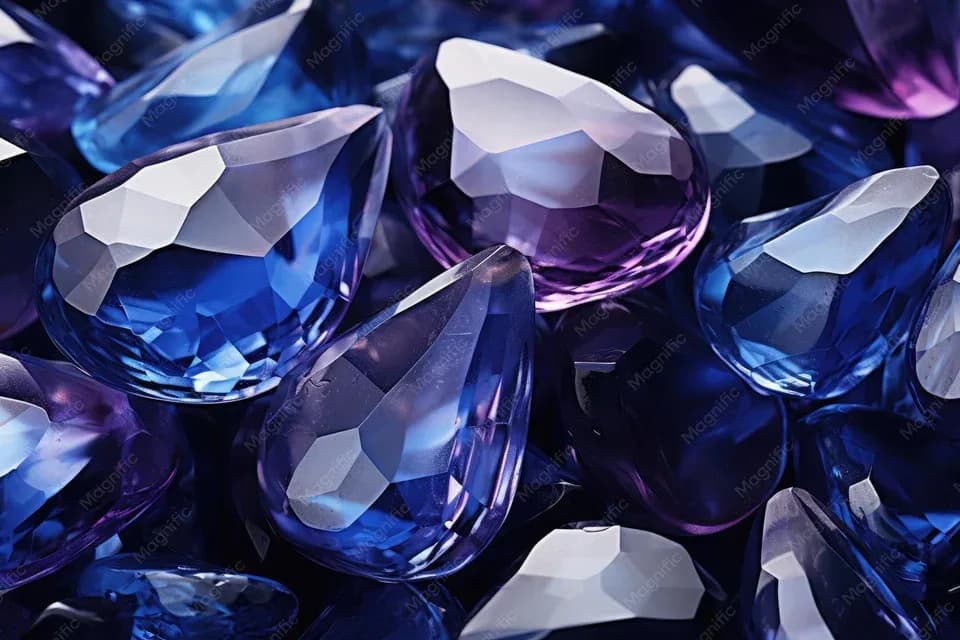
Discovered in July 1967 by Maasai tribesman Ali Juuyawatu and prospector Manuel de Souza in the foothills of Mount Kilimanjaro, tanzanite is the blue and violet gemstone variety of zoisite with the chemical formula Ca2Al3(SiO4)3(OH). Named by Tiffany & Co. to commemorate its country of origin, tanzanite is renowned for intense pleochroism, displaying blue, violet, and burgundy hues when viewed along differing crystallographic axes.
Why it ranks #10: Ranks tenth globally as it originates from only a single 7-square-kilometer geological deposit at the base of Mount Kilimanjaro.rarity_score6.5 / 10relative_scarcity_pct65.0%source_locality_score6.5 / 10
Have a list idea?
Start your own list and get help drafting entries with AI. A free account is required.
Create a list with AI →Think something was robbed of a spot?
Nominate a missing contender — once approved, the community votes it up or down into the rankings.
Image credits
- Kyawthuite: olhardigital.com.br
- Painite: pierre-citrine.com
- Taaffeite: gemheaven.org
- Poudretteite: stock.adobe.com
- Musgravite: mytour.vn
- Grandidierite: danushkagemsmining.com
- Red Beryl: freepik.com
- Benitoite: flickr.com
- Ural Alexandrite: raregemcollection.com
- Tanzanite: freepik.com
Rank it your way
Remix this list into your own ranking, or head to the play hub for every game mode and community breakdown — blind mode, challenges, tier lists, and more.