Lake Baikal
Destination1 list appearance
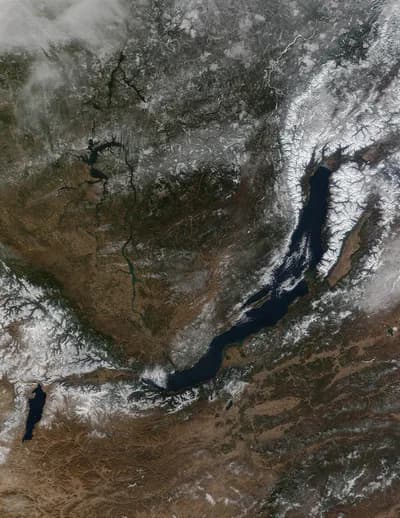
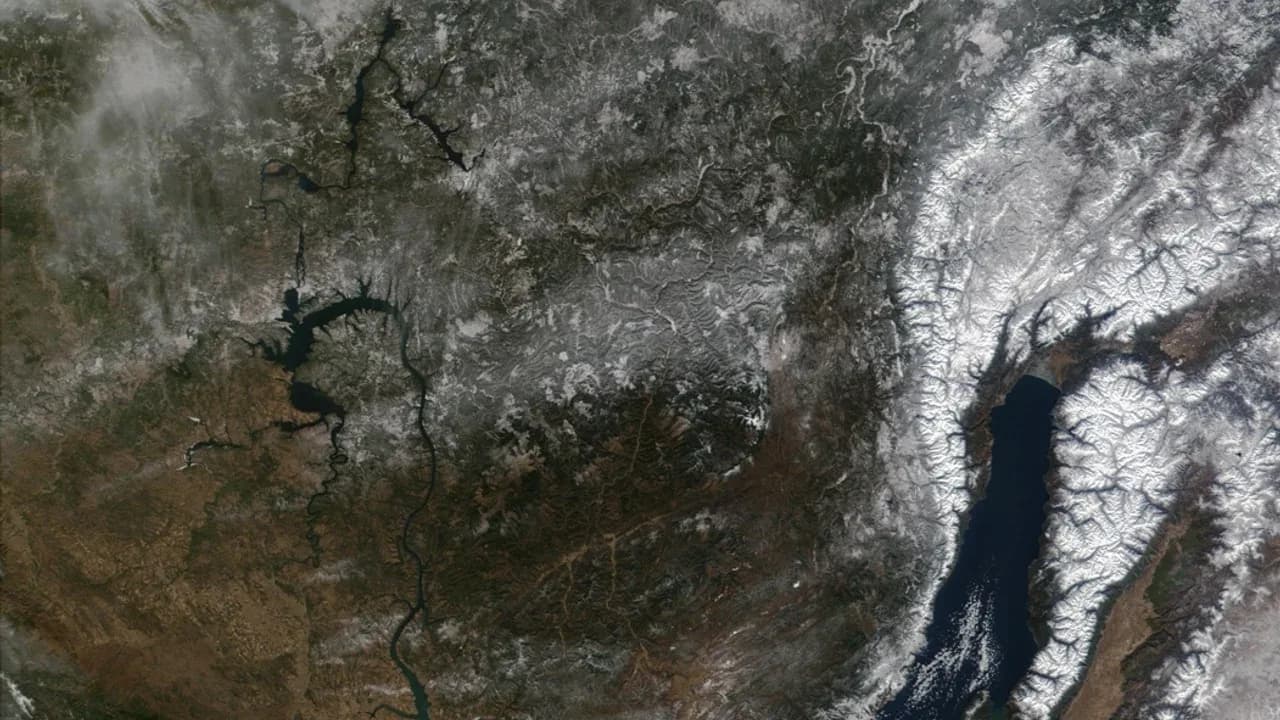
Foundational Identity: Situated in a deep tectonic rift hollow flanked by 2,000 m mountain ranges, Lake Baikal receives >330 tributaries (led by the Selenga, Upper Angara, and Barguzin) and drains solely via the Angara River Core Thesis: Lake Baikal combines unmatched limnological age, depth, and endemic biodiversity (~80% endemic flora and fauna) with modern hydro-regulation tension from the Irkutsk Hydroelectric Power Plant Hydrological Regulation: Following completion of the Irkutsk HPP in 1956 (backwater reaching the lake in 1958), average lake levels rose ~0.7–0.8 m above conditionally natural levels (456.40 m vs. 455.70 m PHS over 1960–2020) Water Clarity & Thermal Regime: Low mineralization yields 40 m (130 ft) surface visibility; the surface freezes from January to May/June while August surface waters average 10–12 °C
1-Tap Primary Ranking Ballot
Overview#1 Full List
Does Lake Baikal deserve the #1 spot on “Lake Baikal or Caspian Sea? Top 10 Deepest Lakes in the World”?
#1 Lake Baikal?
Verified Entity DossierRanked #1 in Lake Baikal or Caspian Sea? Top 10 Deepest Lakes in the World
Community Weigh-In & Debate
Should Lake Baikal rank Top 3 in Lake Baikal or Caspian Sea? Top 10 Deepest Lakes in the World?
Ranked #1 on "Lake Baikal or Caspian Sea? Top 10 Deepest Lakes in the World". Cast your vote to back or challenge this spot.
Be the first to vote on this ranking.
Structured Facts & Specifications
Verified highlightsUnesco World Heritage Inscription
Inscribed 1996 (World Heritage ID 754; criteria vii, viii, ix, x) covering 88,000 sq km
britannica.comOfficial britannica.com ↗
Location
Southern eastern Siberia, Russia (Republic of Buryatia and Irkutsk Oblast)
britannica.comOfficial britannica.com ↗
Official Website
baikalake.ruOfficial Website ↗
Age Freshwater Share
20–25 million years old (world's oldest freshwater lake), holding ~20% of Earth's unfrozen fresh surface water
britannica.comOfficial britannica.com ↗
Physical Dimensions
Length 636 km (395 mi), average width 48 km (30 mi), surface area 31,500 sq km, maximum depth 1,620 m (5,315 ft), volume ~23,000 cu km
britannica.comOfficial britannica.com ↗
Category
Ancient Rift Lake
Age & Freshwater Share
20–25 million years old (world's oldest freshwater lake), holding ~20% of Earth's unfrozen fresh surface water