Verified MethodologyPrimary Evidence 45% · Comparative Specs 30% · Community Consensus 25%
Crater Lake vs. Lake Tahoe? Top 10 Deepest Lakes in the US (2026)
Limnologists and earth scientists measure freshwater lake depths to evaluate subterranean water storage, aquatic stratification, and regional geological evolution. Across the United States, forces including volcanic eruptions, tectonic…
Read more
faulting, and continental ice sheets have carved deep aquatic basins. These deep lacustrine environments exhibit distinctive thermal profiles, exceptional water clarity, and complex benthic ecosystems that remain shielded from surface disturbances. Several of America's deepest water bodies occupy cryptodepressions, where the lake surface sits in high terrain while the benthic floor extends well below sea level. Hydrological monitoring by the United States Geological Survey and National Oceanic and Atmospheric Administration provides precise bathymetric measurements across these inland waters. From volcanic caldera chasms in the Cascade Range to glacial troughs in Alaska and the Great Lakes, this ranking benchmarks the 10 deepest lakes in the United States based on verified maximum sounding depths. The United States features remarkable freshwater reservoirs formed by volcanic calderas, tectonic shifts, and continental glacial carving. This guide ranks the 10 deepest lakes across America using standardized bathymetric survey records from the United States Geological Survey and federal environmental agencies. Rankings are established using verified maximum sounding depths documented by the United States Geological Survey, the National Park Service, and the National Oceanic and Atmospheric Administration. The evaluation model applies a 70% primary weighting to official maximum depth, supplemented by 10% allocations each to mean water depth, surface water surface area, and surface elevation above sea level. Every bathymetric dataset reflects modern acoustic sonar hydrographic surveys to ensure rigorous comparative accuracy across distinct lacustrine basins.
savoteur.com

Starting order. Vote up or down to reorder this list.
Current Rankings
- #1 Top RankedLeader
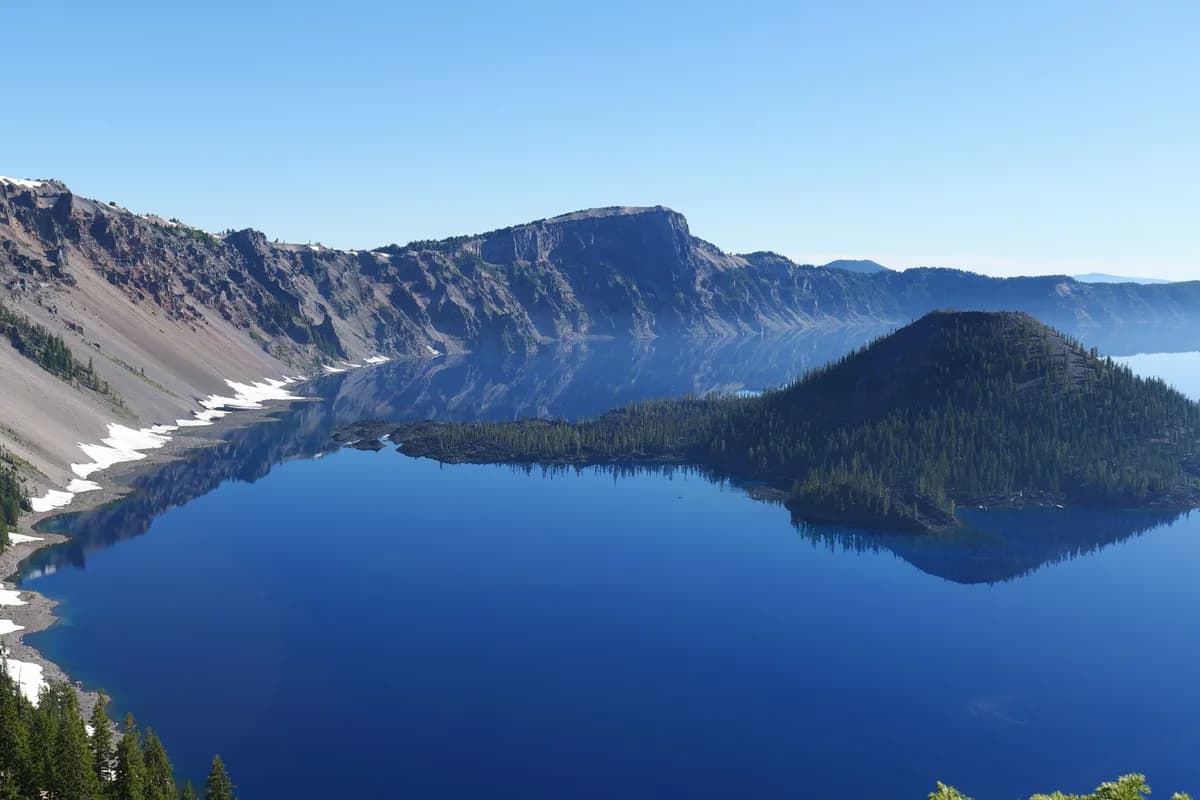
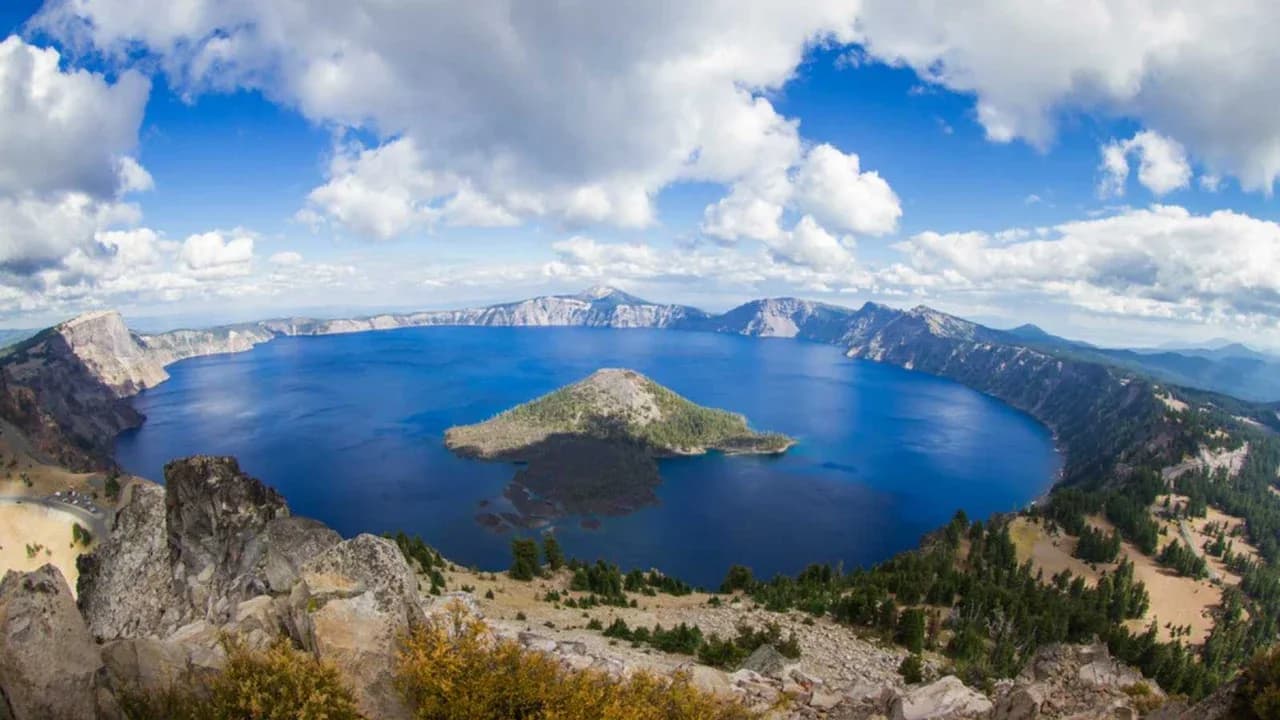
Located in south-central Oregon within the Cascade Range, Crater Lake is the deepest lake in the United States, reaching an official surveyed depth of 1,949 feet (594 meters). The lake occupies an enormous volcanic caldera formed roughly 7,700 years ago when the 12,000-foot stratovolcano Mount Mazama collapsed following a massive climatic eruption.
Why it ranks #1: Crater Lake occupies Rank 1 as America's deepest lake, descending 1,949 feet within a sheer volcanic caldera that holds exceptionally clear water.surfaceareasqmi20.6 sq miaveragedepthfeet1,148 ftmaximumdepthfeet1,949 ftsurfaceelevationfeet6,178 ft 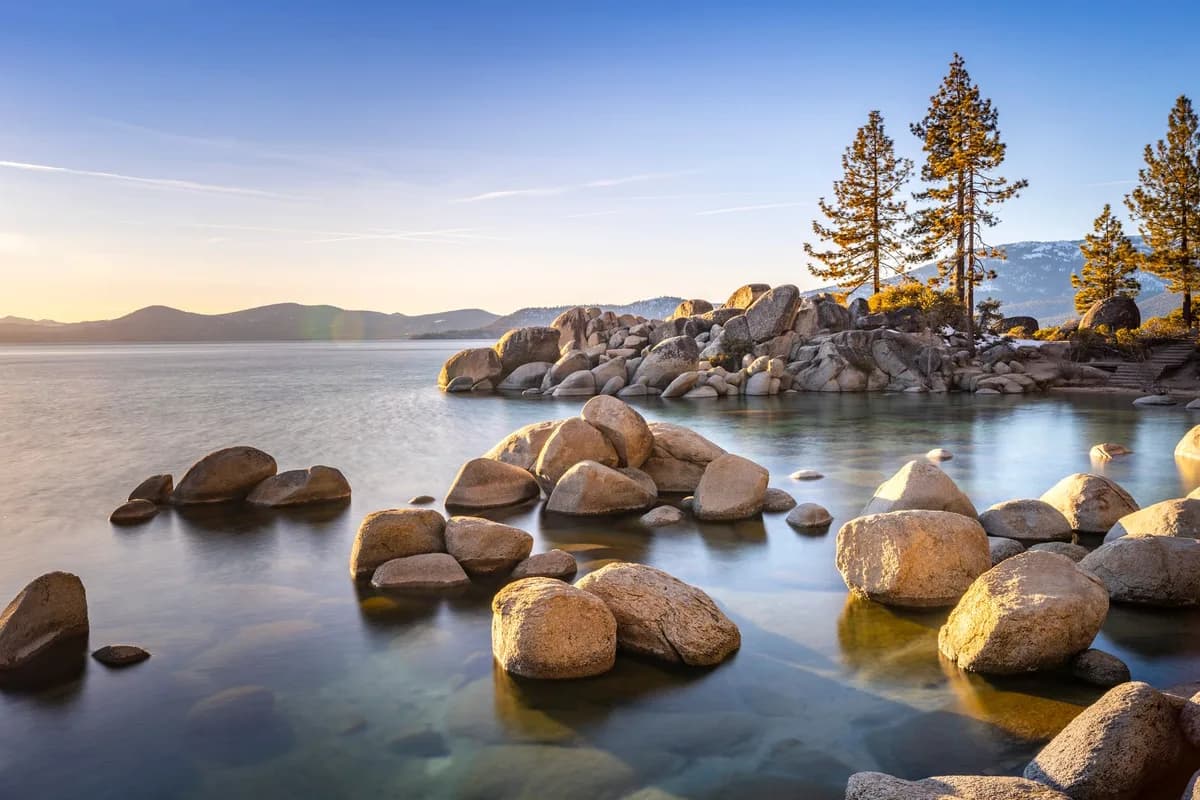
Straddling the border between California and Nevada in the northern Sierra Nevada mountains, Lake Tahoe is the second-deepest lake in the United States with a maximum sounding depth of 1,645 feet (501 meters). Situated in a fault-bounded graben basin formed by extensional tectonic forces roughly 2 million years ago, the lake was subsequently deepened and shaped by Pleistocene glaciers.
Why it ranks #2: Lake Tahoe takes Rank 2 with a maximum depth of 1,645 feet and an average depth of 1,000 feet, making it the deepest alpine lake in North America.surfaceareasqmi191 sq miaveragedepthfeet1,000 ftmaximumdepthfeet1,645 ftsurfaceelevationfeet6,225 ft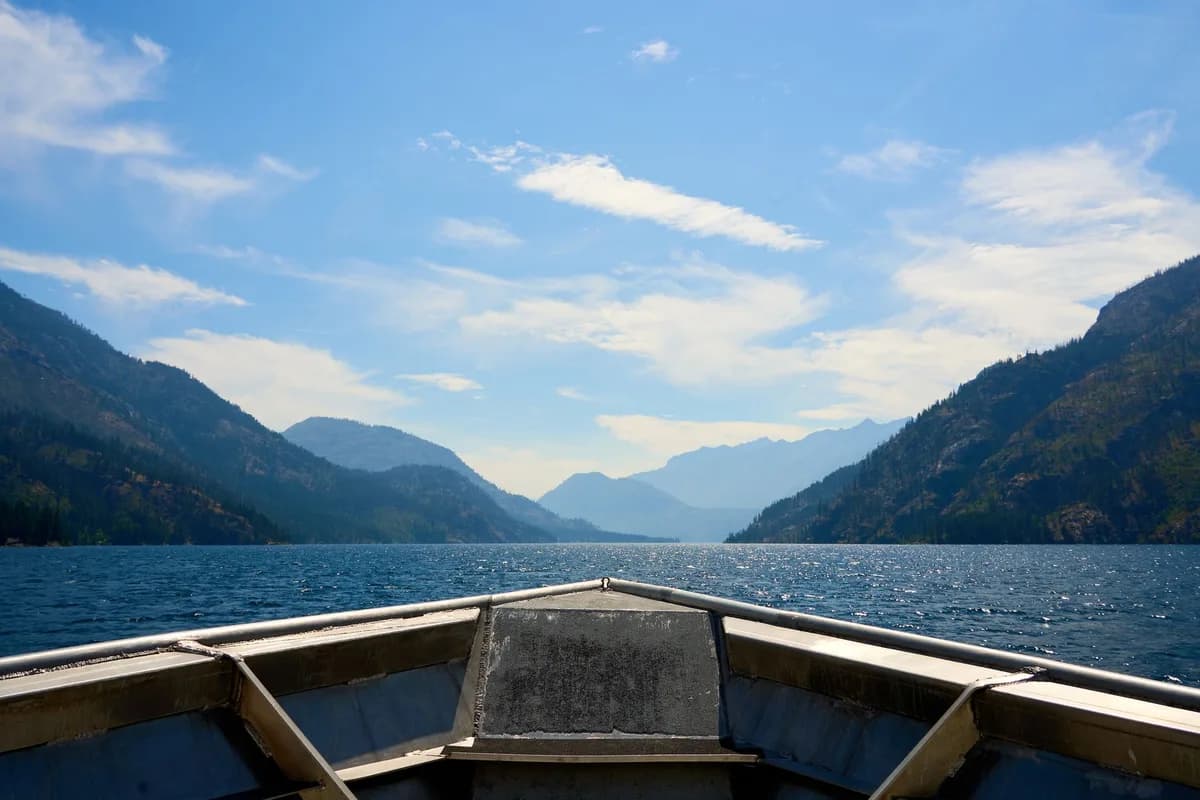
Located on the eastern slopes of the Cascade Range in north-central Washington, Lake Chelan is the third-deepest lake in the United States, descending to a maximum measured depth of 1,486 feet (453 meters). Glacial ice sheets carved this narrow, 50-mile-long fjord-like trench during the last glacial maximum, excavating bedrock far below sea level.
Why it ranks #3: Lake Chelan claims Rank 3 with a maximum depth of 1,486 feet, descending into an extraordinary glacial trough that extends hundreds of feet below sea level.surfaceareasqmi52.1 sq miaveragedepthfeet474 ftmaximumdepthfeet1,486 ftsurfaceelevationfeet1,100 ft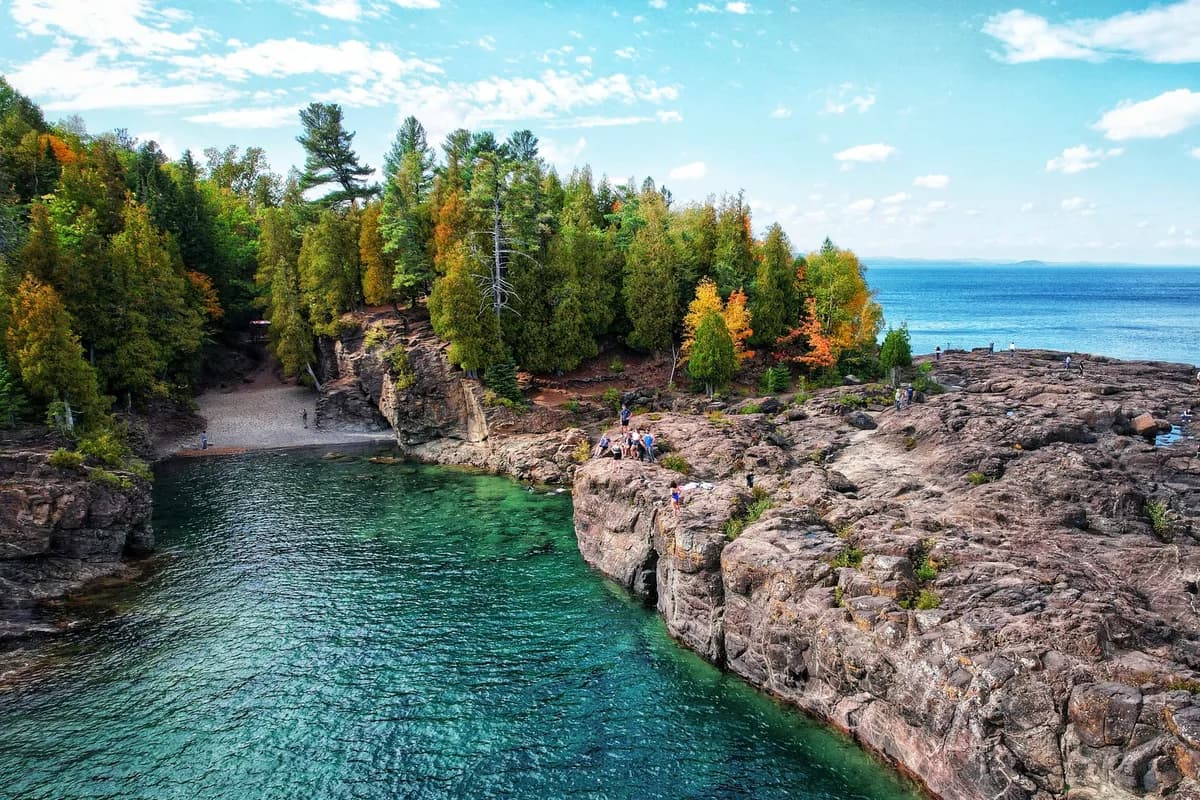
Bordered by Michigan, Minnesota, Wisconsin, and the Canadian province of Ontario, Lake Superior is the fourth-deepest lake in the United States and the deepest body of water in the Great Lakes system, reaching a maximum sounding of 1,332 feet (406 meters). By surface area, it represents the largest freshwater lake on Earth, spanning 31,700 square miles (82,103 square kilometers) and containing 2,900 cubic miles of water.
Why it ranks #4: Lake Superior occupies Rank 4 with a maximum depth of 1,332 feet and an unmatched surface area of 31,700 square miles across the upper Midwest.surfaceareasqmi31,700 sq miaveragedepthfeet483 ftmaximumdepthfeet1,332 ftsurfaceelevationfeet600 ft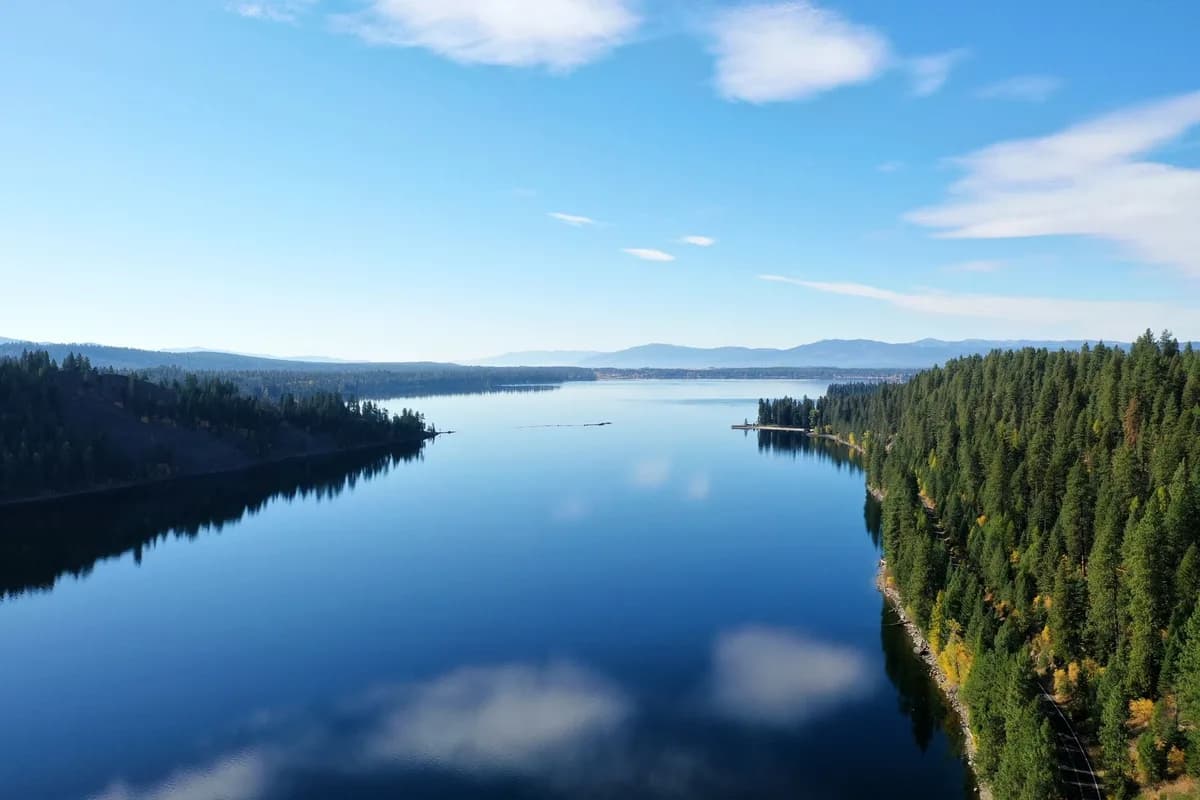
Located in the rugged panhandle of northern Idaho, Lake Pend Oreille ranks as the fifth-deepest lake in the United States, descending to an official maximum depth of 1,150 feet (350 meters). The lake was carved by massive lobes of the Cordilleran ice sheet during the last ice age, which repeatedly dammed the Clark Fork River to create prehistoric Glacial Lake Missoula before cataclysmic outburst floods swept across the region.
Why it ranks #5: Lake Pend Oreille secures Rank 5 with a maximum depth of 1,150 feet, providing deep freshwater conditions used by the US Navy for submarine acoustic research.surfaceareasqmi148 sq miaveragedepthfeet538 ftmaximumdepthfeet1,150 ftsurfaceelevationfeet2,062 ft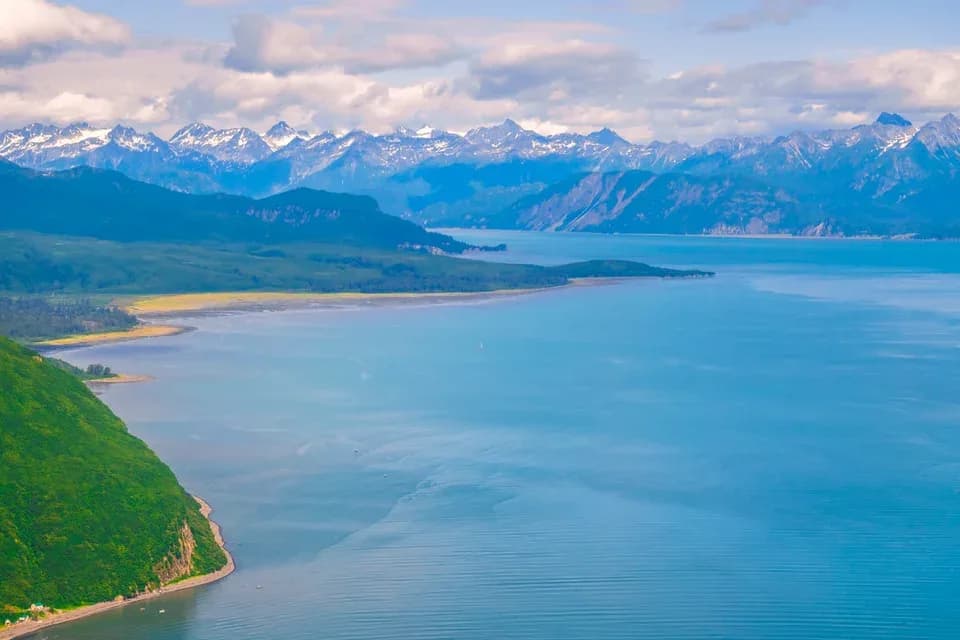
Situated in southwestern Alaska roughly 100 miles southwest of Anchorage, Lake Clark is the sixth-deepest lake in the United States, plunging to a maximum measured depth of 1,054 feet (321 meters). Encased entirely within Lake Clark National Park and Preserve, the lake stretches 42 miles through glaciated valleys where the Alaska Range meets the Aleutian Range.
Why it ranks #6: Lake Clark takes Rank 6 by descending 1,054 feet within a pristine glacial trough framed by active volcanoes in southwestern Alaska.surfaceareasqmi128 sq miaveragedepthfeet338 ftmaximumdepthfeet1,054 ftsurfaceelevationfeet220 ft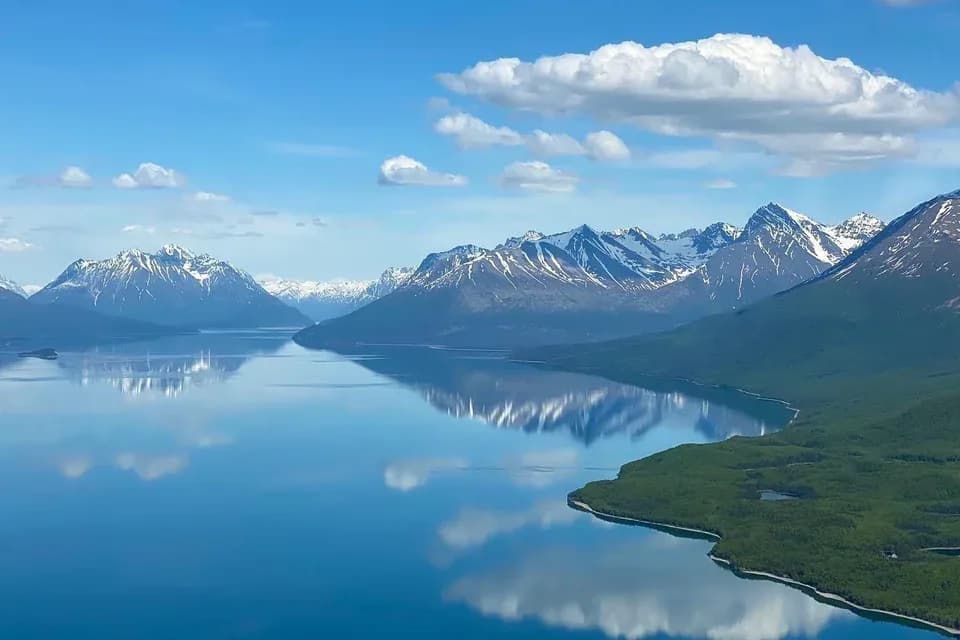
Located in the northern part of the Alaska Peninsula, Iliamna Lake is the seventh-deepest lake in the United States and the largest body of freshwater in Alaska, reaching a maximum surveyed depth of 988 feet (301 meters). Covering approximately 1,014 square miles (2,626 square kilometers), the lake spans 77 miles in length and sits just 47 feet above sea level.
Why it ranks #7: Iliamna Lake secures Rank 7 with a maximum depth of 988 feet and an expansive 1,014-square-mile surface area in southwest Alaska.surfaceareasqmi1,014 sq miaveragedepthfeet144 ftmaximumdepthfeet988 ftsurfaceelevationfeet47 ft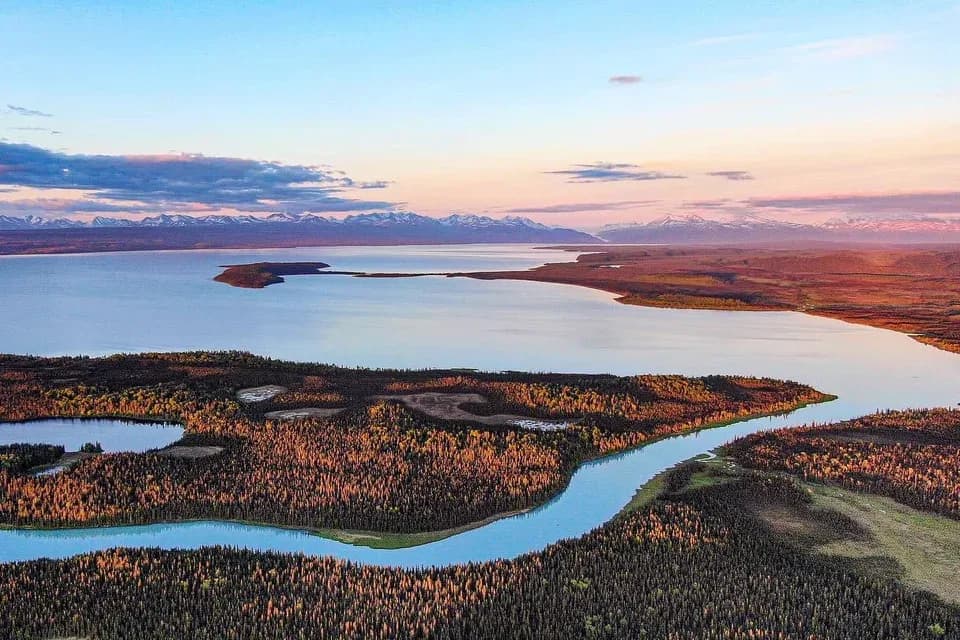
Located on the western Kenai Peninsula in south-central Alaska, Tustumena Lake ranks as the eighth-deepest lake in the United States, descending to an official maximum depth of 950 feet (290 meters). The lake spans 117 square miles, stretching 25 miles long and up to 6 miles wide entirely within the Kenai National Wildlife Refuge.
Why it ranks #8: Tustumena Lake takes Rank 8 with a maximum depth of 950 feet and an average depth of 407 feet within the Kenai National Wildlife Refuge.surfaceareasqmi117 sq miaveragedepthfeet407 ftmaximumdepthfeet950 ftsurfaceelevationfeet112 ft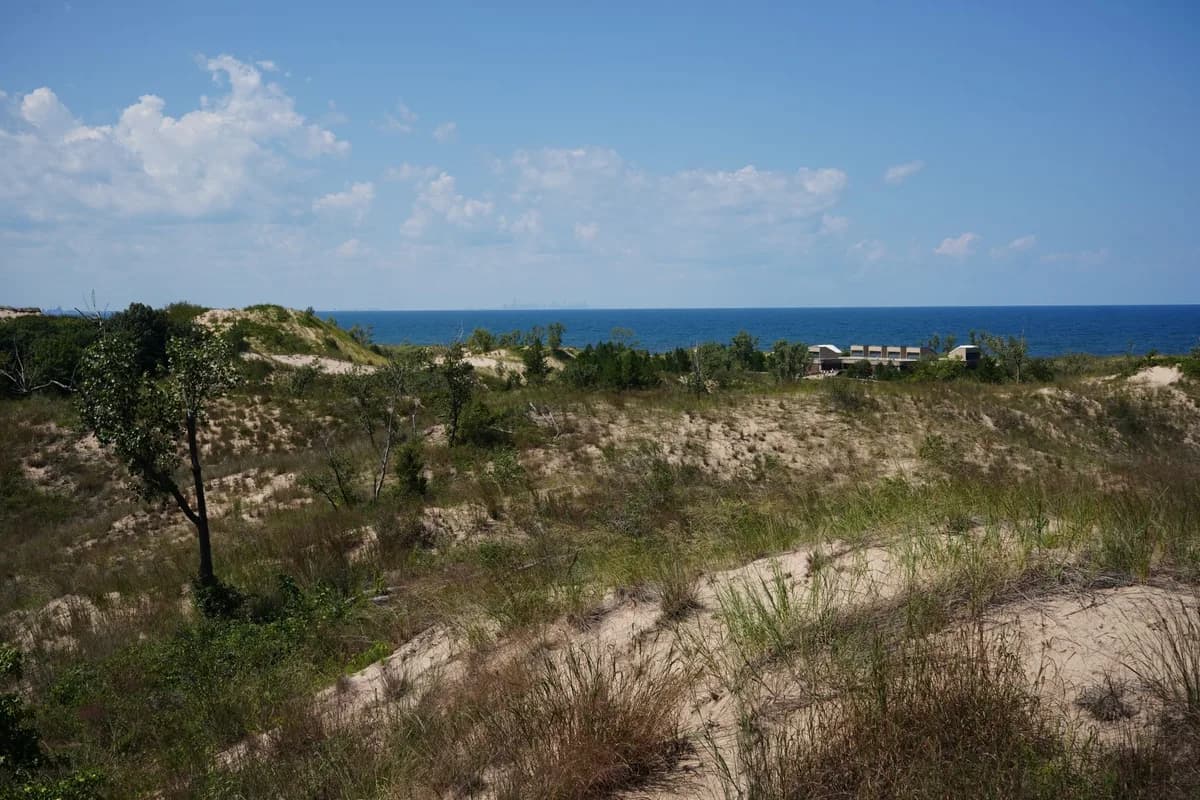
Enclosed entirely within the United States and bounded by Michigan, Wisconsin, Illinois, and Indiana, Lake Michigan is the ninth-deepest lake in the country, reaching a maximum measured depth of 923 feet (281 meters) in its northern Chippewa basin. Covering 22,404 square miles (58,030 square kilometers), it represents the second-largest Great Lake by volume and third-largest by surface area.
Why it ranks #9: Lake Michigan holds Rank 9 with a maximum depth of 923 feet, preserving America's largest inland aquatic basin by domestic surface area.surfaceareasqmi22,404 sq miaveragedepthfeet279 ftmaximumdepthfeet923 ftsurfaceelevationfeet577 ft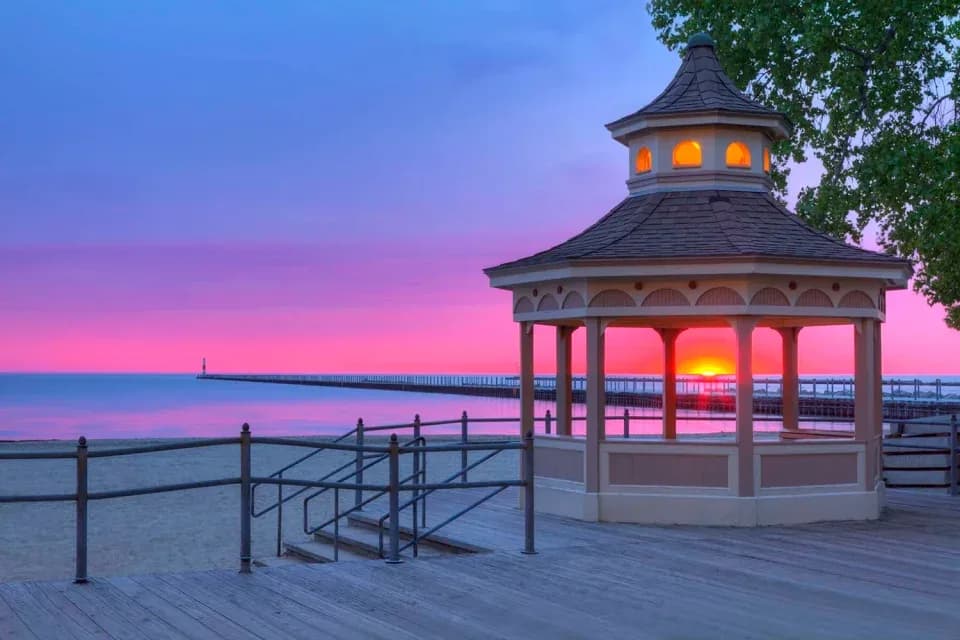
Bordered by New York state to the south and the Canadian province of Ontario to the north, Lake Ontario is the tenth-deepest lake in the United States, descending to an official maximum depth of 802 feet (244 meters). Although it possesses the smallest surface area among the Great Lakes at 7,340 square miles (19,000 square kilometers), its maximum depth exceeds that of Lake Erie and Lake Huron.
Why it ranks #10: Lake Ontario rounds out the Top 10 with a maximum depth of 802 feet, providing the vital deep-water drainage gateway for the Great Lakes.surfaceareasqmi7,340 sq miaveragedepthfeet282 ftmaximumdepthfeet802 ftsurfaceelevationfeet243 ft
Have a list idea?
Start your own list and get help drafting entries with AI. A free account is required.
Create a list with AI →Think something was robbed of a spot?
Nominate a missing contender — once approved, the community votes it up or down into the rankings.
Image credits
- Crater Lake, Oregon: Ambient Vista / Pexels
- Lake Tahoe, California & Nevada: Stephen Leonardi / Pexels
- Lake Chelan, Washington: William Croucher / Pexels
- Lake Superior, Michigan, Minnesota & Wisconsin: Taylor Hunt / Pexels
- Lake Pend Oreille, Idaho: jd garrett / Pexels
- Lake Clark, Alaska: flickr.com
- Iliamna Lake, Alaska: whiteclouds.com
- Tustumena Lake, Alaska: flavorverse.com
- Lake Michigan, Michigan, Wisconsin, Illinois & Indiana: Bruno Storchi Bergmann / Pexels
- Lake Ontario, New York: edwelchphotography.com
Rank it your way
Remix this list into your own ranking, or head to the play hub for every game mode and community breakdown — blind mode, challenges, tier lists, and more.