Verified MethodologyCivilization & Dynasty 28% · Monumental Core Footprint 26% · Stonework & Hydraulics 22%
Top 10 UNESCO Ancient Archaeological Cities and Temple (2026)
Evaluating unesco ancient archaeological cities and temple complexes requires weighing civilization & dynasty, monumental core footprint, and unesco inscription rather than single-metric claims. This 2026 comparative ranking…
Read more
cross-references 5 primary institutional, engineering, and heritage records across Angkor Wat Khmer Park, Machu Picchu Inca Ridge, and eight direct peers.

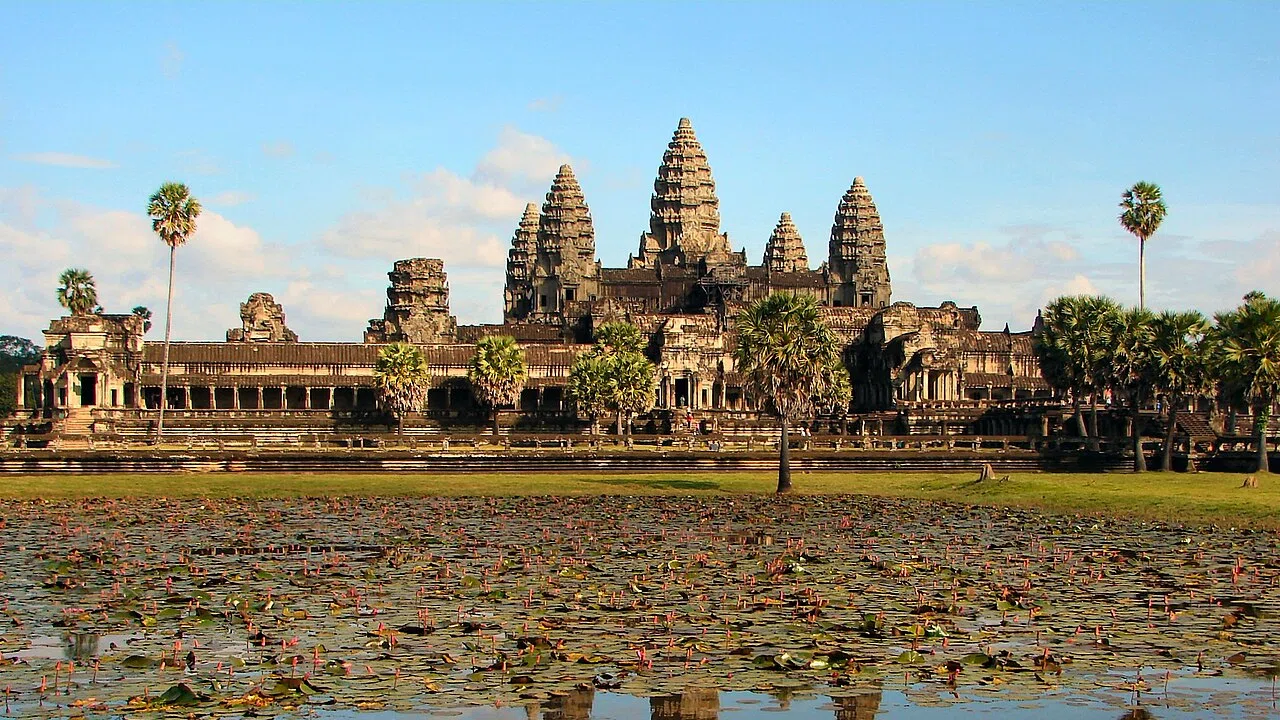
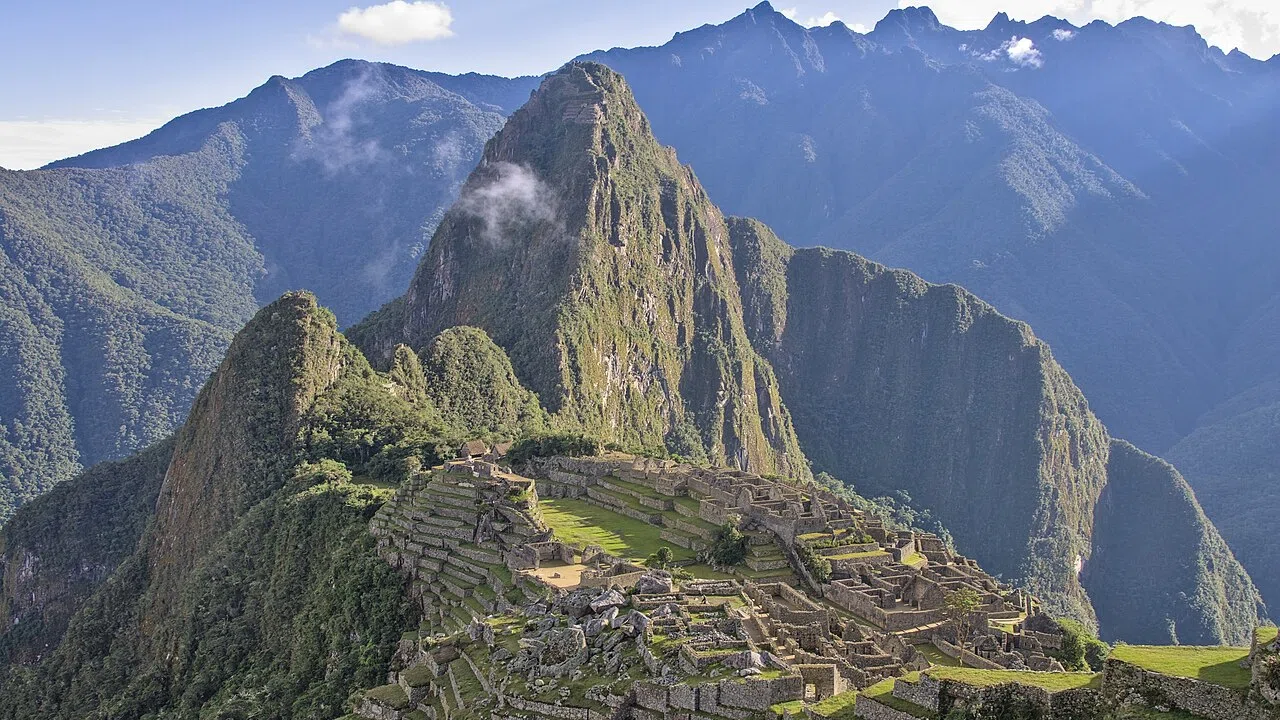
Angkor Wat Khmer Park & Machu Picchu Inca Ridge — Verified Photograph Split Cover
Starting order. Vote up or down to reorder this list.

Top 10 UNESCO Ancient Archaeological Cities and Temple (2026)
- 1
 Angkor Wat Khmer ParkUNESCO Site #668 (1992)
- 2
 Machu Picchu Inca RidgeUNESCO Site #274 (1983)
- 3
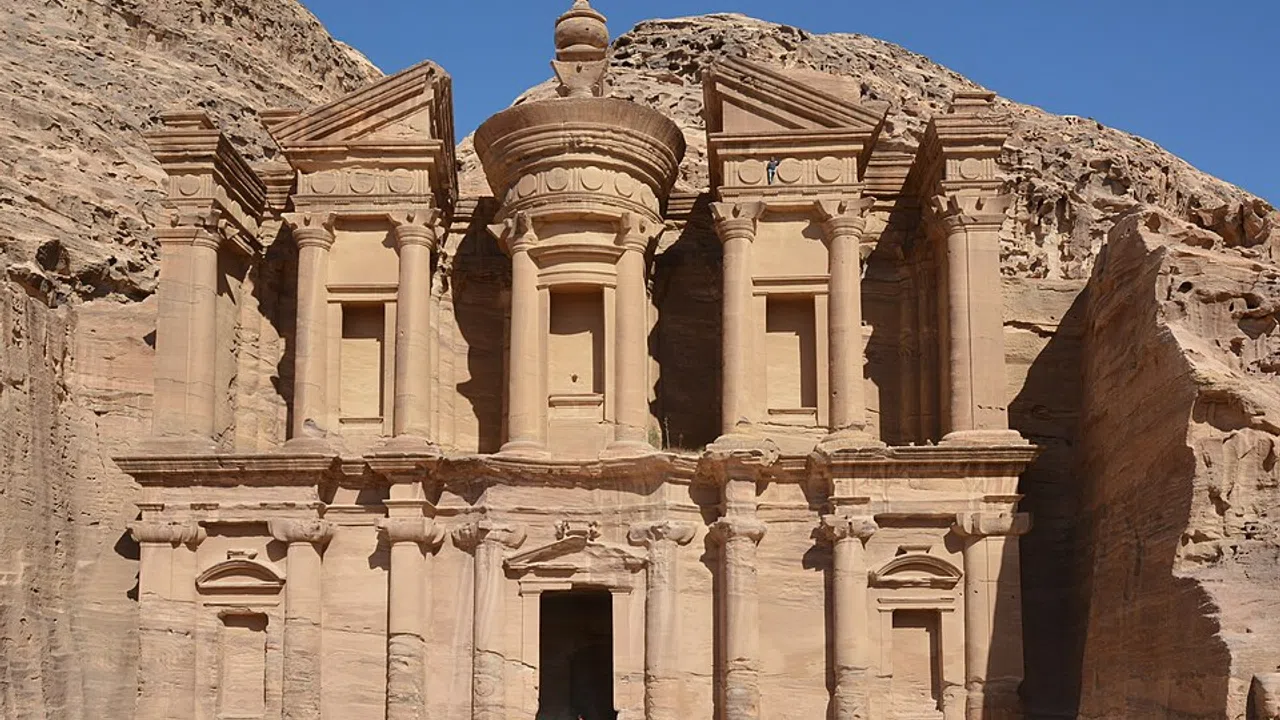
 Petra Rose-Red CanyonUNESCO Site #326 (1985)
- 4
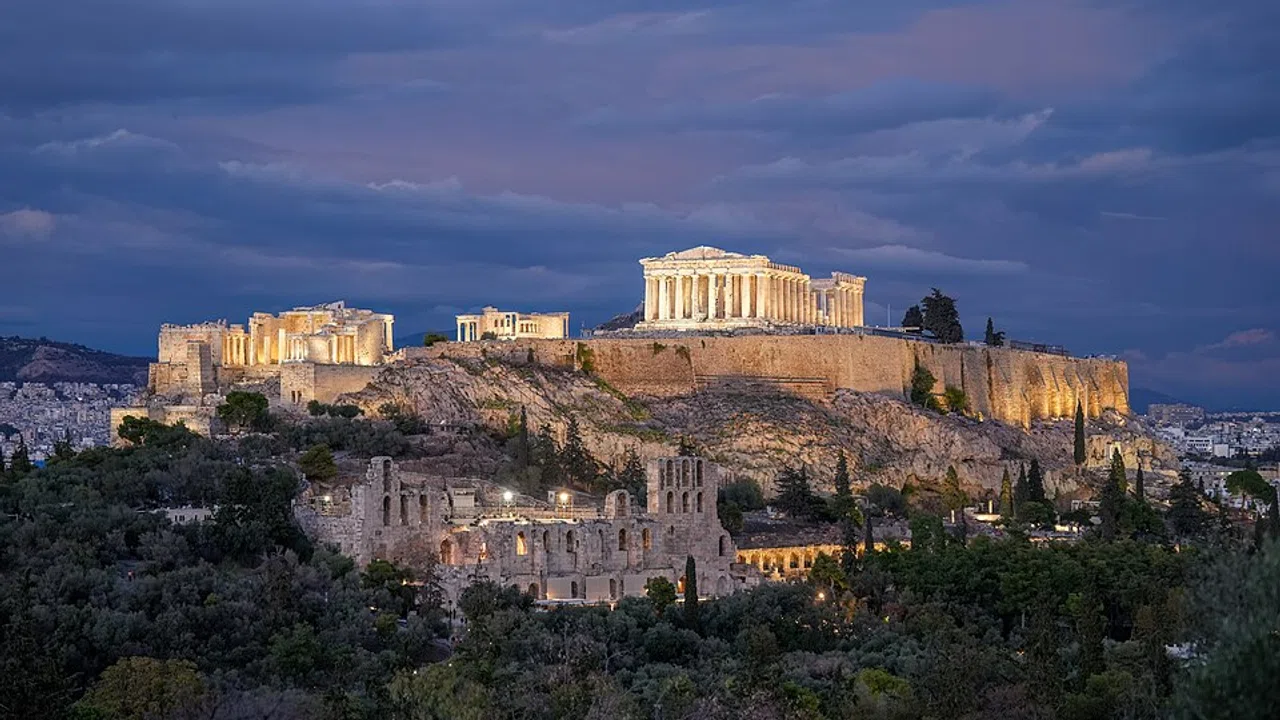
 Acropolis of AthensUNESCO Site #404 (1987)
- 5
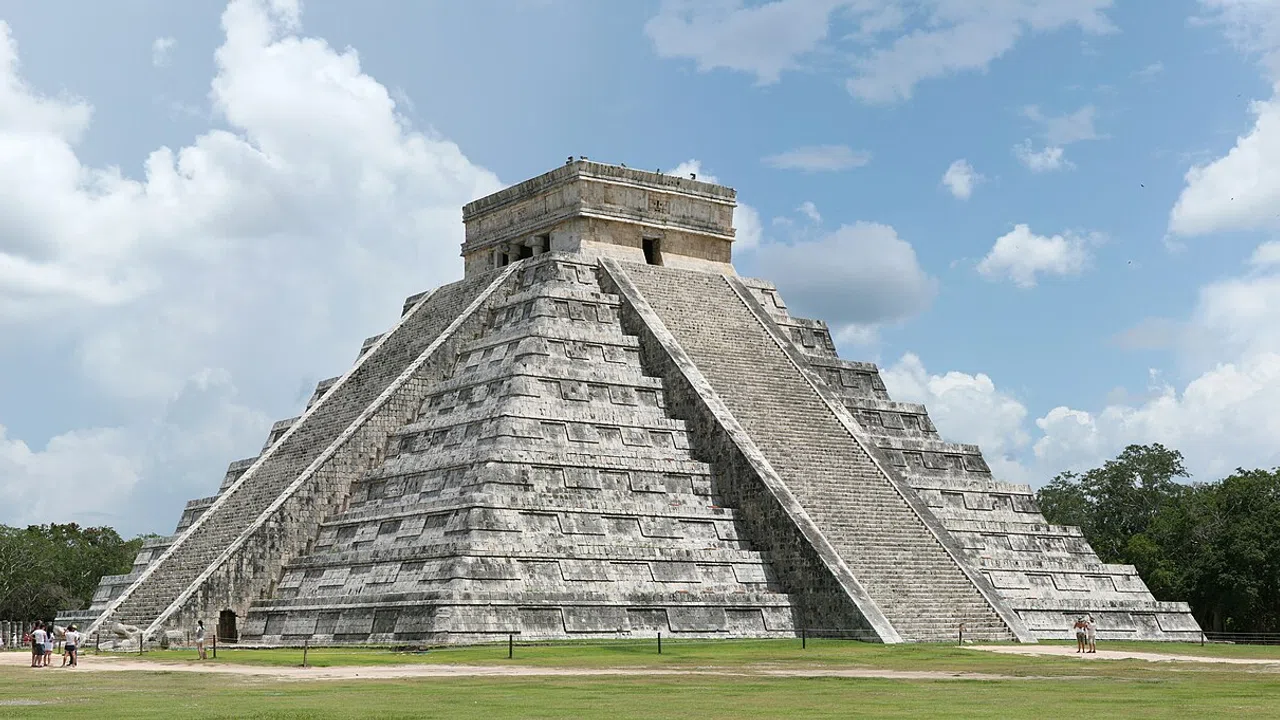
 Chichen Itza YucatanUNESCO Site #483 (1988)
- 6
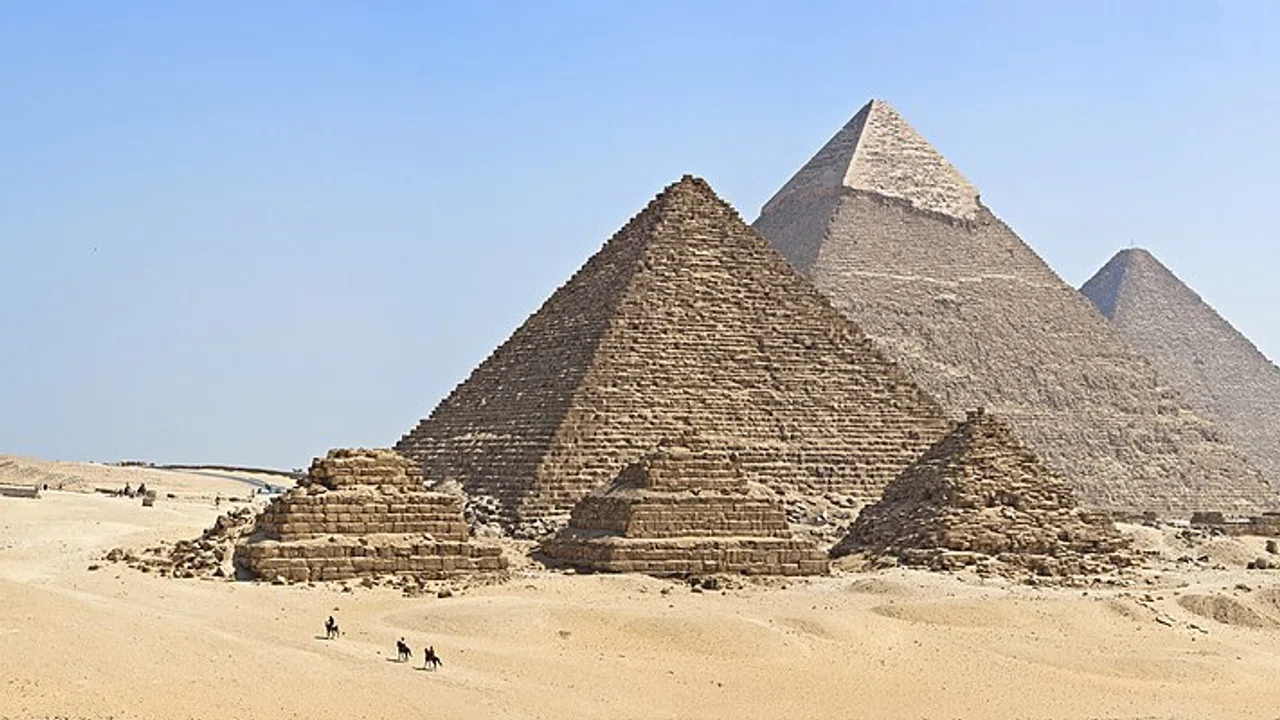
 Giza Pyramid NecropolisUNESCO Site #86 (1979)
- 7
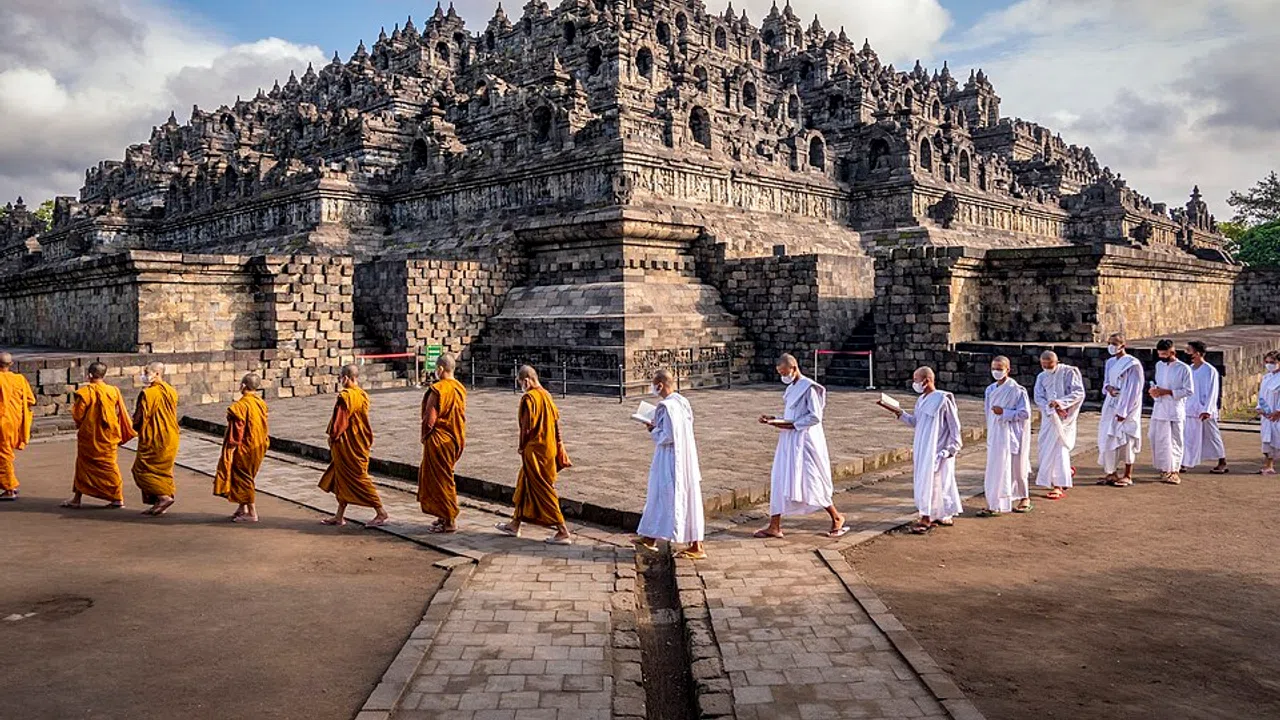
 Borobudur Mandala TempleUNESCO Site #592 (1991)
- 8
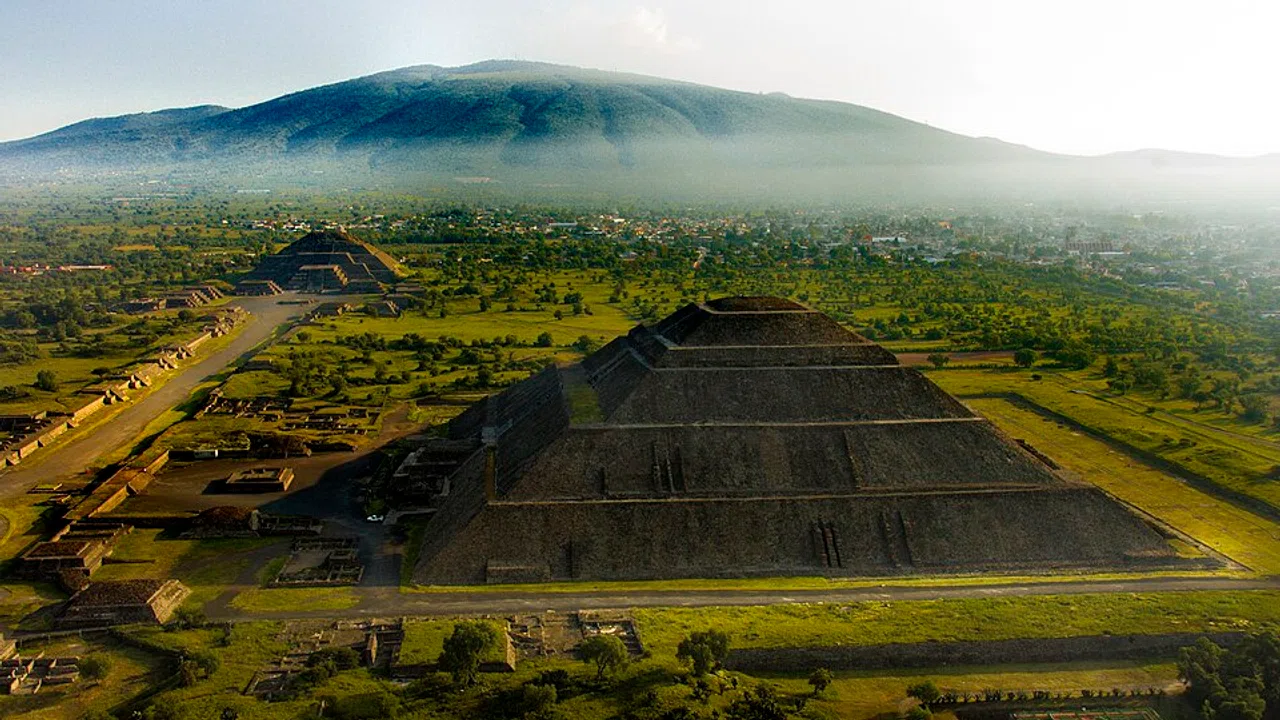
 Teotihuacan AvenueUNESCO Site #414 (1987)
- 9
 Bagan Pagan Stupa PlainUNESCO Site #1588 (2019)
- 10
 Ephesus Marble CityUNESCO Site #1018 (2015)
Current Rankings
Net score = Higher − LowerCitations & Details· 5 sourcesProfile
Angkor Wat Khmer Park stands out among unesco ancient archaeological cities and temple complexes, documented at Khmer Empire Capital for civilization & dynasty, 400 km2 Hydraulic Grid for monumental core footprint, and Sandstone Quincunx + Baray for stonework & hydraulics. Institutional records confirm UNESCO Site #668 (1992) (unesco inscription) alongside 9th–15th Century AD (peak flourishing era).
Key Benchmarks & Specifications
Civilization & DynastyKhmer Empire CapitalMonumental Core Footprint400 km2 Hydraulic GridStonework & HydraulicsSandstone Quincunx + BarayUNESCO InscriptionUNESCO Site #668 (1992)Peak Flourishing Era9th–15th Century ADEditorial Strengths & Watchouts
+ Strengths / Pros
- +Verified Civilization & Dynasty: Khmer Empire Capital
- +Documented UNESCO Inscription: UNESCO Site #668 (1992)
− Watchouts / Trade-Offs
- −Trade-off on Peak Flourishing Era (9th–15th Century AD) vs peer alternatives
Eligibility & Access
- Suited for readers comparing unesco ancient archaeological cities and temple complexes on civilization & dynasty and monumental core footprint
Key Caveats to Verify
- Check Machu Picchu Inca Ridge when prioritizing peak flourishing era
Vote: Does Angkor Wat Khmer Park truly deserve #1 ahead of Machu Picchu Inca Ridge?
Also appears in:All 4 rankings →Citations & Details· 3 sourcesProfile
Machu Picchu Inca Ridge stands out among unesco ancient archaeological cities and temple complexes, documented at Inca Royal Estate for civilization & dynasty, 2,430 m Andean Saddle for monumental core footprint, and Ashlar Dry-Stone Terraces for stonework & hydraulics. Institutional records confirm UNESCO Site #274 (1983) (unesco inscription) alongside 15th Century Pachacuti (peak flourishing era).
Key Benchmarks & Specifications
Civilization & DynastyInca Royal EstateMonumental Core Footprint2,430 m Andean SaddleStonework & HydraulicsAshlar Dry-Stone TerracesUNESCO InscriptionUNESCO Site #274 (1983)Peak Flourishing Era15th Century PachacutiEditorial Strengths & Watchouts
+ Strengths / Pros
- +Verified Civilization & Dynasty: Inca Royal Estate
- +Documented UNESCO Inscription: UNESCO Site #274 (1983)
− Watchouts / Trade-Offs
- −Trade-off on Peak Flourishing Era (15th Century Pachacuti) vs peer alternatives
Eligibility & Access
- Suited for readers comparing unesco ancient archaeological cities and temple complexes on civilization & dynasty and monumental core footprint
Key Caveats to Verify
- Check Angkor Wat Khmer Park when prioritizing peak flourishing era
Vote: Should Machu Picchu Inca Ridge overtake #1 Angkor Wat Khmer Park, or hold at #2?
Also appears in:All 4 rankings →Citations & Details· 2 sourcesProfile
Petra Rose-Red Canyon stands out among unesco ancient archaeological cities and temple complexes, documented at Nabataean Caravan Hub for civilization & dynasty, 264 km2 Rock-Cut Siq for monumental core footprint, and Al-Khazneh + Flash Conduits for stonework & hydraulics. Institutional records confirm UNESCO Site #326 (1985) (unesco inscription) alongside 4th c.
BC – 2nd c. AD (peak flourishing era).
Key Benchmarks & Specifications
Civilization & DynastyNabataean Caravan HubMonumental Core Footprint264 km2 Rock-Cut SiqStonework & HydraulicsAl-Khazneh + Flash ConduitsUNESCO InscriptionUNESCO Site #326 (1985)Peak Flourishing Era4th cBC –2nd cEditorial Strengths & Watchouts
+ Strengths / Pros
- +Verified Civilization & Dynasty: Nabataean Caravan Hub
- +Documented UNESCO Inscription: UNESCO Site #326 (1985)
− Watchouts / Trade-Offs
- −Trade-off on Peak Flourishing Era (4th c. BC – 2nd c. AD) vs peer alternatives
Eligibility & Access
- Suited for readers comparing unesco ancient archaeological cities and temple complexes on civilization & dynasty and monumental core footprint
Key Caveats to Verify
- Check Machu Picchu Inca Ridge when prioritizing peak flourishing era
Vote: Should Petra Rose-Red Canyon move higher than #3, or drop lower in the live community ranking?
Also appears in:All 4 rankings →Citations & Details· 3 sourcesProfile
Acropolis of Athens stands out among unesco ancient archaeological cities and temple complexes, documented at Classical Athenian Polis for civilization & dynasty, 3 ha Pentelic Marble Rock for monumental core footprint, and Parthenon Optical Entasis for stonework & hydraulics. Institutional records confirm UNESCO Site #404 (1987) (unesco inscription) alongside 5th Century BC Pericles (peak flourishing era).
Key Benchmarks & Specifications
Civilization & DynastyClassical Athenian PolisMonumental Core Footprint3 ha Pentelic Marble RockStonework & HydraulicsParthenon Optical EntasisUNESCO InscriptionUNESCO Site #404 (1987)Peak Flourishing Era5th Century BC PericlesEditorial Strengths & Watchouts
+ Strengths / Pros
- +Verified Civilization & Dynasty: Classical Athenian Polis
- +Documented UNESCO Inscription: UNESCO Site #404 (1987)
− Watchouts / Trade-Offs
- −Trade-off on Peak Flourishing Era (5th Century BC Pericles) vs peer alternatives
Eligibility & Access
- Suited for readers comparing unesco ancient archaeological cities and temple complexes on civilization & dynasty and monumental core footprint
Key Caveats to Verify
- Check Petra Rose-Red Canyon when prioritizing peak flourishing era
Vote: Should Acropolis of Athens move higher than #4, or drop lower in the live community ranking?
Citations & Details· 3 sourcesProfile
Chichen Itza Yucatan stands out among unesco ancient archaeological cities and temple complexes, documented at Terminal Classic Maya for civilization & dynasty, 10 km2 Cenote Sacred Core for monumental core footprint, and El Castillo Equinox Steps for stonework & hydraulics. Institutional records confirm UNESCO Site #483 (1988) (unesco inscription) alongside 600–1200 AD Maya-Toltec (peak flourishing era).
Key Benchmarks & Specifications
Civilization & DynastyTerminal Classic MayaMonumental Core Footprint10 km2 Cenote Sacred CoreStonework & HydraulicsEl Castillo Equinox StepsUNESCO InscriptionUNESCO Site #483 (1988)Peak Flourishing Era600–1200 AD Maya-ToltecEditorial Strengths & Watchouts
+ Strengths / Pros
- +Verified Civilization & Dynasty: Terminal Classic Maya
- +Documented UNESCO Inscription: UNESCO Site #483 (1988)
− Watchouts / Trade-Offs
- −Trade-off on Peak Flourishing Era (600–1200 AD Maya-Toltec) vs peer alternatives
Eligibility & Access
- Suited for readers comparing unesco ancient archaeological cities and temple complexes on civilization & dynasty and monumental core footprint
Key Caveats to Verify
- Check Acropolis of Athens when prioritizing peak flourishing era
Vote: Should Chichen Itza Yucatan move higher than #5, or drop lower in the live community ranking?
Citations & Details· 3 sourcesProfile
Giza Pyramid Necropolis stands out among unesco ancient archaeological cities and temple complexes, documented at Old Kingdom 4th Dynasty for civilization & dynasty, 146.6 m Original Khufu for monumental core footprint, and 2.3M Limestone + Granite for stonework & hydraulics. Institutional records confirm UNESCO Site #86 (1979) (unesco inscription) alongside c. 2580–2510 BC (peak flourishing era).
Key Benchmarks & Specifications
Civilization & DynastyOld Kingdom 4th DynastyMonumental Core Footprint146.6 m Original KhufuStonework & Hydraulics2.3M Limestone + GraniteUNESCO InscriptionUNESCO Site #86 (1979)Peak Flourishing Erac. 2580–2510 BCEditorial Strengths & Watchouts
+ Strengths / Pros
- +Verified Civilization & Dynasty: Old Kingdom 4th Dynasty
- +Documented UNESCO Inscription: UNESCO Site #86 (1979)
− Watchouts / Trade-Offs
- −Trade-off on Peak Flourishing Era (c. 2580–2510 BC) vs peer alternatives
Eligibility & Access
- Suited for readers comparing unesco ancient archaeological cities and temple complexes on civilization & dynasty and monumental core footprint
Key Caveats to Verify
- Check Chichen Itza Yucatan when prioritizing peak flourishing era
Vote: Should Giza Pyramid Necropolis move higher than #6, or drop lower in the live community ranking?
Citations & Details· 3 sourcesProfile
Borobudur Mandala Temple stands out among unesco ancient archaeological cities and temple complexes, documented at Sailendra Mahayana Java for civilization & dynasty, 9 Stacked Platforms + 72 for monumental core footprint, and 2,672 Andesite Reliefs for stonework & hydraulics. Institutional records confirm UNESCO Site #592 (1991) (unesco inscription) alongside 8th–9th Century AD (peak flourishing era).
Key Benchmarks & Specifications
Civilization & DynastySailendra Mahayana JavaMonumental Core Footprint9 Stacked Platforms + 72Stonework & Hydraulics2,672 Andesite ReliefsUNESCO InscriptionUNESCO Site #592 (1991)Peak Flourishing Era8th–9th Century ADEditorial Strengths & Watchouts
+ Strengths / Pros
- +Verified Civilization & Dynasty: Sailendra Mahayana Java
- +Documented UNESCO Inscription: UNESCO Site #592 (1991)
− Watchouts / Trade-Offs
- −Trade-off on Peak Flourishing Era (8th–9th Century AD) vs peer alternatives
Eligibility & Access
- Suited for readers comparing unesco ancient archaeological cities and temple complexes on civilization & dynasty and monumental core footprint
Key Caveats to Verify
- Check Giza Pyramid Necropolis when prioritizing peak flourishing era
Vote: Should Borobudur Mandala Temple move higher than #7, or drop lower in the live community ranking?
Citations & Details· 3 sourcesProfile
Teotihuacan Avenue stands out among unesco ancient archaeological cities and temple complexes, documented at Mesoamerican Metropolis for civilization & dynasty, 20 km2 Grid + Sun Pyramid for monumental core footprint, and Talud-Tablero Stone Core for stonework & hydraulics. Institutional records confirm UNESCO Site #414 (1987) (unesco inscription) alongside 100 BC – 550 AD (peak flourishing era).
Key Benchmarks & Specifications
Civilization & DynastyMesoamerican MetropolisMonumental Core Footprint20 km2 Grid + Sun PyramidStonework & HydraulicsTalud-Tablero Stone CoreUNESCO InscriptionUNESCO Site #414 (1987)Peak Flourishing Era100 BC – 550 ADEditorial Strengths & Watchouts
+ Strengths / Pros
- +Verified Civilization & Dynasty: Mesoamerican Metropolis
- +Documented UNESCO Inscription: UNESCO Site #414 (1987)
− Watchouts / Trade-Offs
- −Trade-off on Peak Flourishing Era (100 BC – 550 AD) vs peer alternatives
Eligibility & Access
- Suited for readers comparing unesco ancient archaeological cities and temple complexes on civilization & dynasty and monumental core footprint
Key Caveats to Verify
- Check Borobudur Mandala Temple when prioritizing peak flourishing era
Vote: Should Teotihuacan Avenue move higher than #8, or drop lower in the live community ranking?
Citations & Details· 3 sourcesProfile
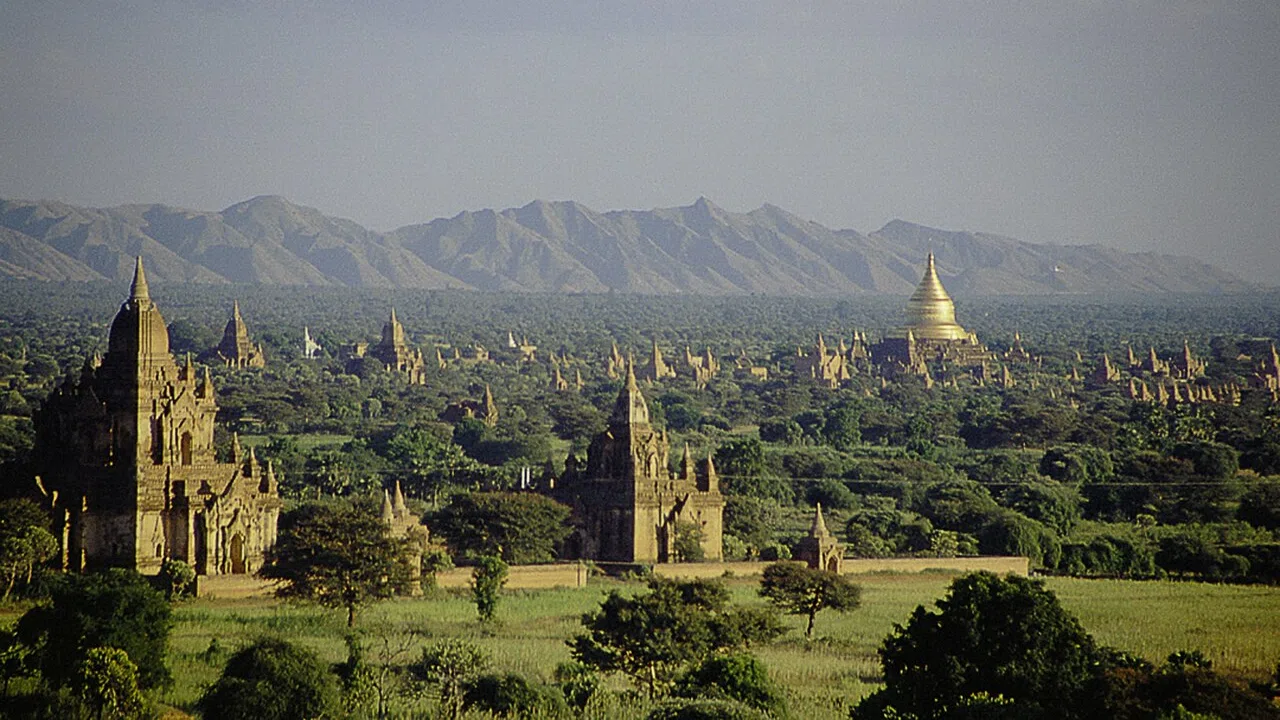
Bagan Pagan Stupa Plain stands out among unesco ancient archaeological cities and temple complexes, documented at Pagan Kingdom Irrawaddy for civilization & dynasty, 104 km2 / 3,595 Monuments for monumental core footprint, and Ananda Vaulted Brick for stonework & hydraulics. Institutional records confirm UNESCO Site #1588 (2019) (unesco inscription) alongside 11th–13th Century AD (peak flourishing era).
Key Benchmarks & Specifications
Civilization & DynastyPagan Kingdom IrrawaddyMonumental Core Footprint104 km2 / 3,595 MonumentsStonework & HydraulicsAnanda Vaulted BrickUNESCO InscriptionUNESCO Site #1588 (2019)Peak Flourishing Era11th–13th Century ADEditorial Strengths & Watchouts
+ Strengths / Pros
- +Verified Civilization & Dynasty: Pagan Kingdom Irrawaddy
- +Documented UNESCO Inscription: UNESCO Site #1588 (2019)
− Watchouts / Trade-Offs
- −Trade-off on Peak Flourishing Era (11th–13th Century AD) vs peer alternatives
Eligibility & Access
- Suited for readers comparing unesco ancient archaeological cities and temple complexes on civilization & dynasty and monumental core footprint
Key Caveats to Verify
- Check Teotihuacan Avenue when prioritizing peak flourishing era
Vote: Should Bagan Pagan Stupa Plain move higher than #9, or drop lower in the live community ranking?
Citations & Details· 3 sourcesProfile
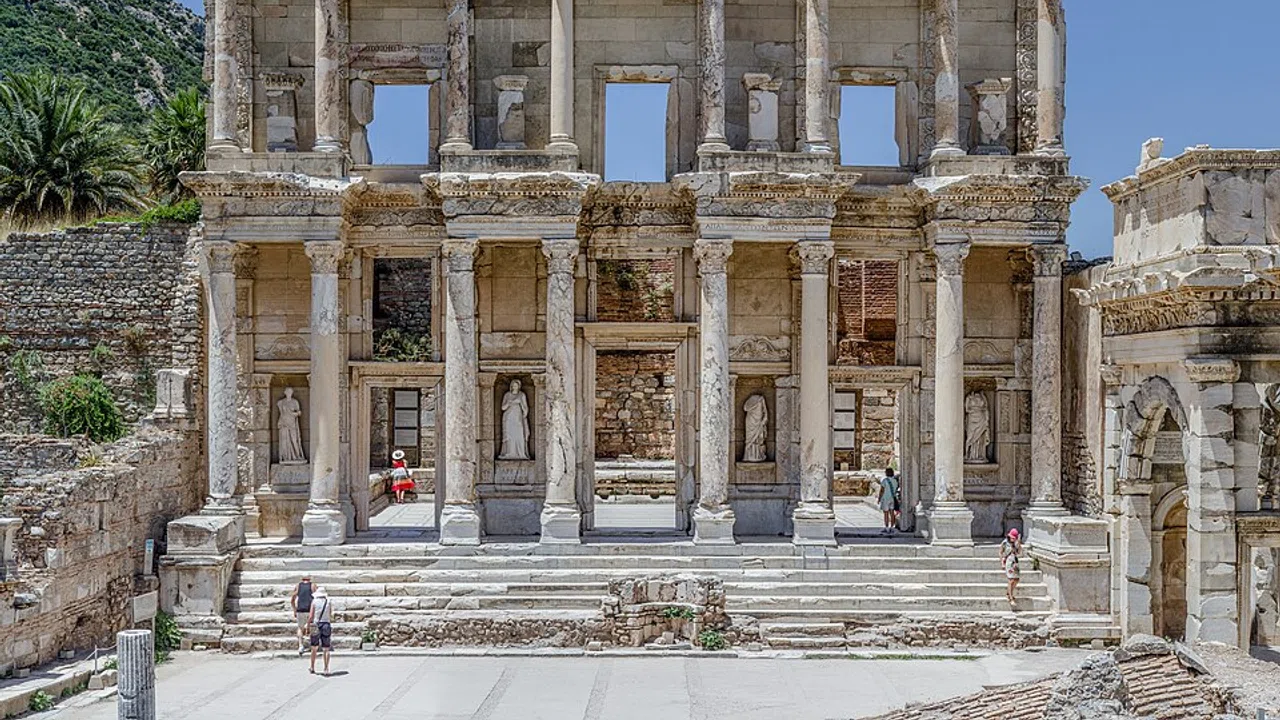
Ephesus Marble City stands out among unesco ancient archaeological cities and temple complexes, documented at Ionian-Roman Asia Minor for civilization & dynasty, Library of Celsus + 25k Th for monumental core footprint, and Colonnaded Curetes Way for stonework & hydraulics. Institutional records confirm UNESCO Site #1018 (2015) (unesco inscription) alongside 2nd c.
BC – 3rd c. AD (peak flourishing era).
Key Benchmarks & Specifications
Civilization & DynastyIonian-Roman Asia MinorMonumental Core FootprintLibrary of Celsus + 25k ThStonework & HydraulicsColonnaded Curetes WayUNESCO InscriptionUNESCO Site #1018 (2015)Peak Flourishing Era2nd cBC –3rd cEditorial Strengths & Watchouts
+ Strengths / Pros
- +Verified Civilization & Dynasty: Ionian-Roman Asia Minor
- +Documented UNESCO Inscription: UNESCO Site #1018 (2015)
− Watchouts / Trade-Offs
- −Trade-off on Peak Flourishing Era (2nd c. BC – 3rd c. AD) vs peer alternatives
Eligibility & Access
- Suited for readers comparing unesco ancient archaeological cities and temple complexes on civilization & dynasty and monumental core footprint
Key Caveats to Verify
- Check Bagan Pagan Stupa Plain when prioritizing peak flourishing era
Vote: Should Ephesus Marble City move higher than #10, or drop lower in the live community ranking?
Have a list idea?
Start your own list and get help drafting entries with AI. A free account is required.
Create a list with AI →Crown Grid · Top 10 Snapshot
Top 10 UNESCO Ancient Archaeological Cities and Temple (2026)
| Rank | Contender | Key Fact |
|---|---|---|
| #1 | Angkor Wat Khmer Park | Angkor Wat Khmer Park stands out among unesco ancient archaeological cities and temple complexes |
| #2 | Machu Picchu Inca Ridge | Machu Picchu Inca Ridge stands out among unesco ancient archaeological cities and temple complexes |
| #3 | Petra Rose-Red Canyon | Petra Rose-Red Canyon stands out among unesco ancient archaeological cities and temple complexes |
| #4 | Acropolis of Athens | Acropolis of Athens stands out among unesco ancient archaeological cities and temple complexes |
| #5 | Chichen Itza Yucatan | Chichen Itza Yucatan stands out among unesco ancient archaeological cities and temple complexes |
| #6 | Giza Pyramid Necropolis | Giza Pyramid Necropolis stands out among unesco ancient archaeological cities and temple complexes |
| #7 | Borobudur Mandala Temple | Borobudur Mandala Temple stands out among unesco ancient archaeological cities and temple |
| #8 | Teotihuacan Avenue | Teotihuacan Avenue stands out among unesco ancient archaeological cities and temple complexes |
| #9 | Bagan Pagan Stupa Plain | Bagan Pagan Stupa Plain stands out among unesco ancient archaeological cities and temple complexes |
| #10 | Ephesus Marble City | Ephesus Marble City stands out among unesco ancient archaeological cities and temple complexes |
Think something was robbed of a spot?
Nominate a missing contender — once approved, the community votes it up or down into the rankings.
Image credits
- Angkor Wat Khmer Park: angkor-wat-khmer-park — Verified Photograph (Wikimedia Commons CC)
- Machu Picchu Inca Ridge: machu-picchu-inca-ridge — Verified Photograph (Wikimedia Commons CC)
- Petra Rose-Red Canyon: Petra Rose-Red Canyon — Verified Photograph (Wikimedia Commons CC)
- Acropolis of Athens: Acropolis of Athens — Verified Photograph (Wikimedia Commons CC)
- Chichen Itza Yucatan: chichen-itza-yucatan — Verified Photograph (Wikimedia Commons CC)
- Giza Pyramid Necropolis: Giza Pyramid Necropolis — Verified Photograph (Wikimedia Commons CC)
- Borobudur Mandala Temple: Borobudur Mandala Temple — Verified Photograph (Wikimedia Commons CC)
- Teotihuacan Avenue: Teotihuacan Avenue — Verified Photograph (Wikimedia Commons CC)
- Bagan Pagan Stupa Plain: bagan-pagan-stupa-plain — Verified Photograph (Wikimedia Commons CC)
- Ephesus Marble City: Ephesus Marble City — Verified Photograph (Wikimedia Commons CC)
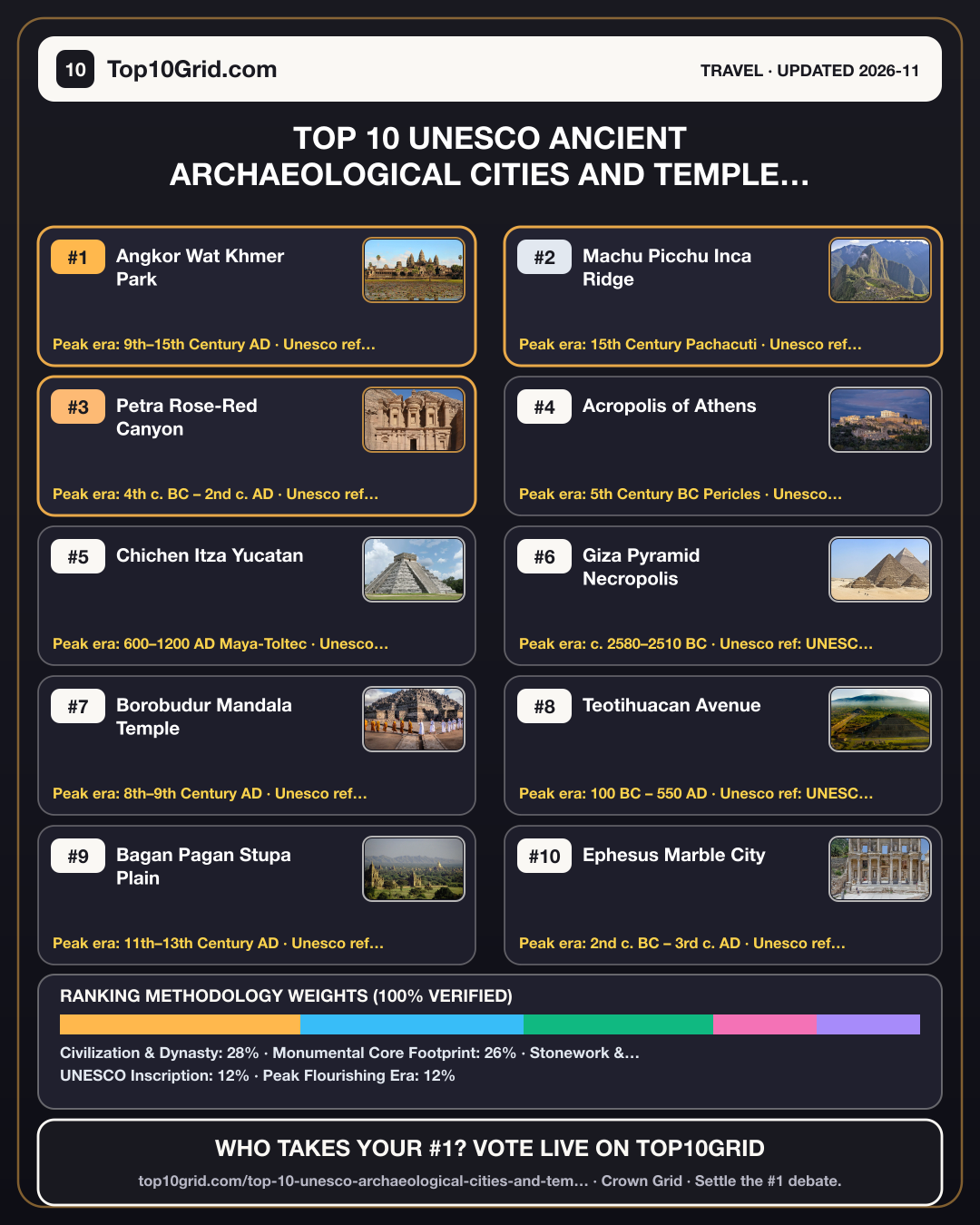
Visual Ranking Infographic
Verified Infographic · Updated 2026-11-26Top 10 UNESCO Ancient Archaeological Cities and Temple (2026) — Visual Infographic
Interactive Ranking Mind Map
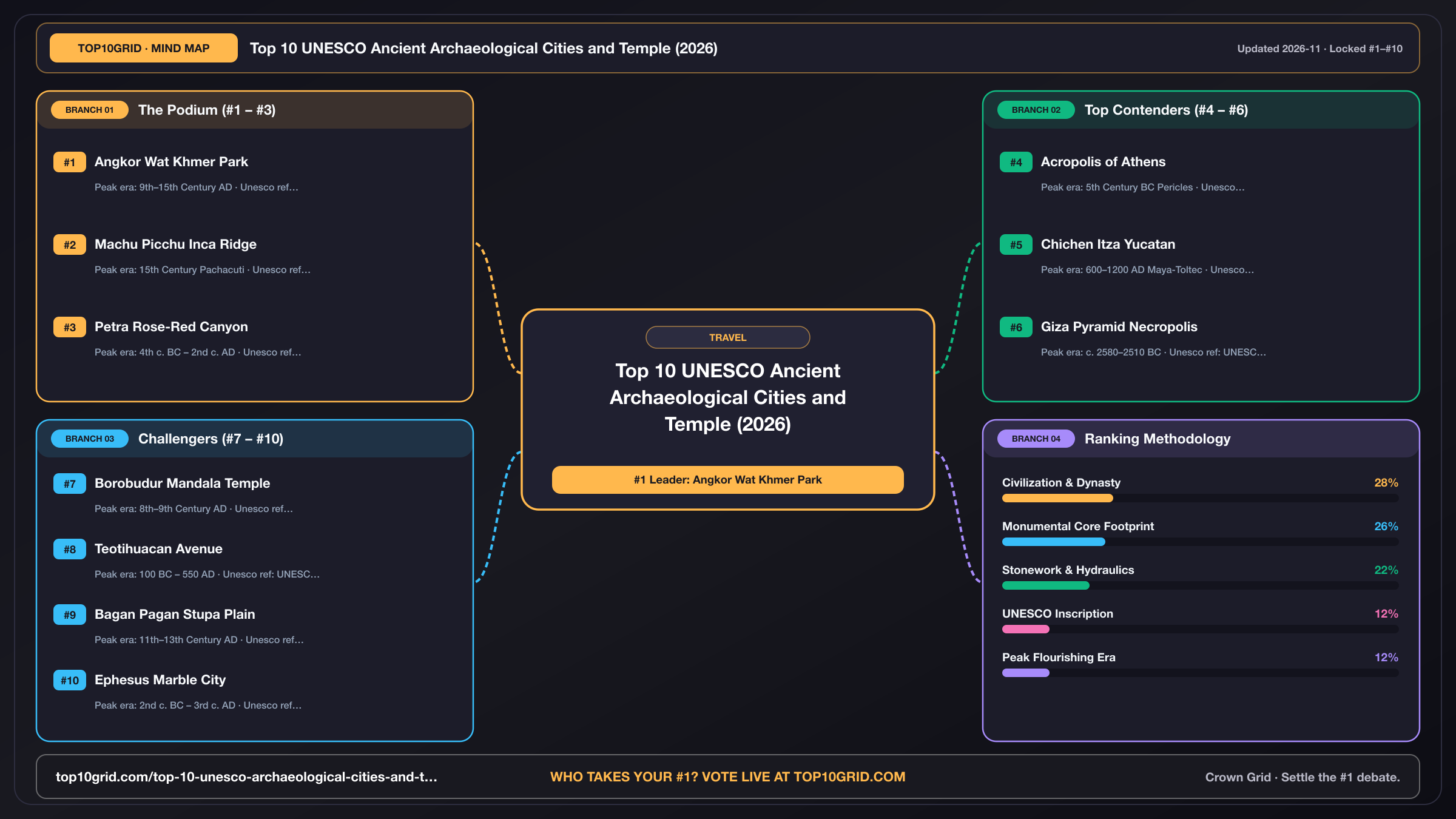
Core Identity: Foundational methodology, primary institutional citations, and scope rules behind Top 10 UNESCO Ancient Archaeological Cities and Temple (2026).
Inspect Primary Sources ↓Top 10 UNESCO Ancient Archaeological Cities and Temple (2026) — Ranking Mind Map
Rank it your way
Fork and customize this ranking with your own picks, or open the interactive play hub for Rank Scramble, Time Capsule predictions, and live game modes enabled for this list.