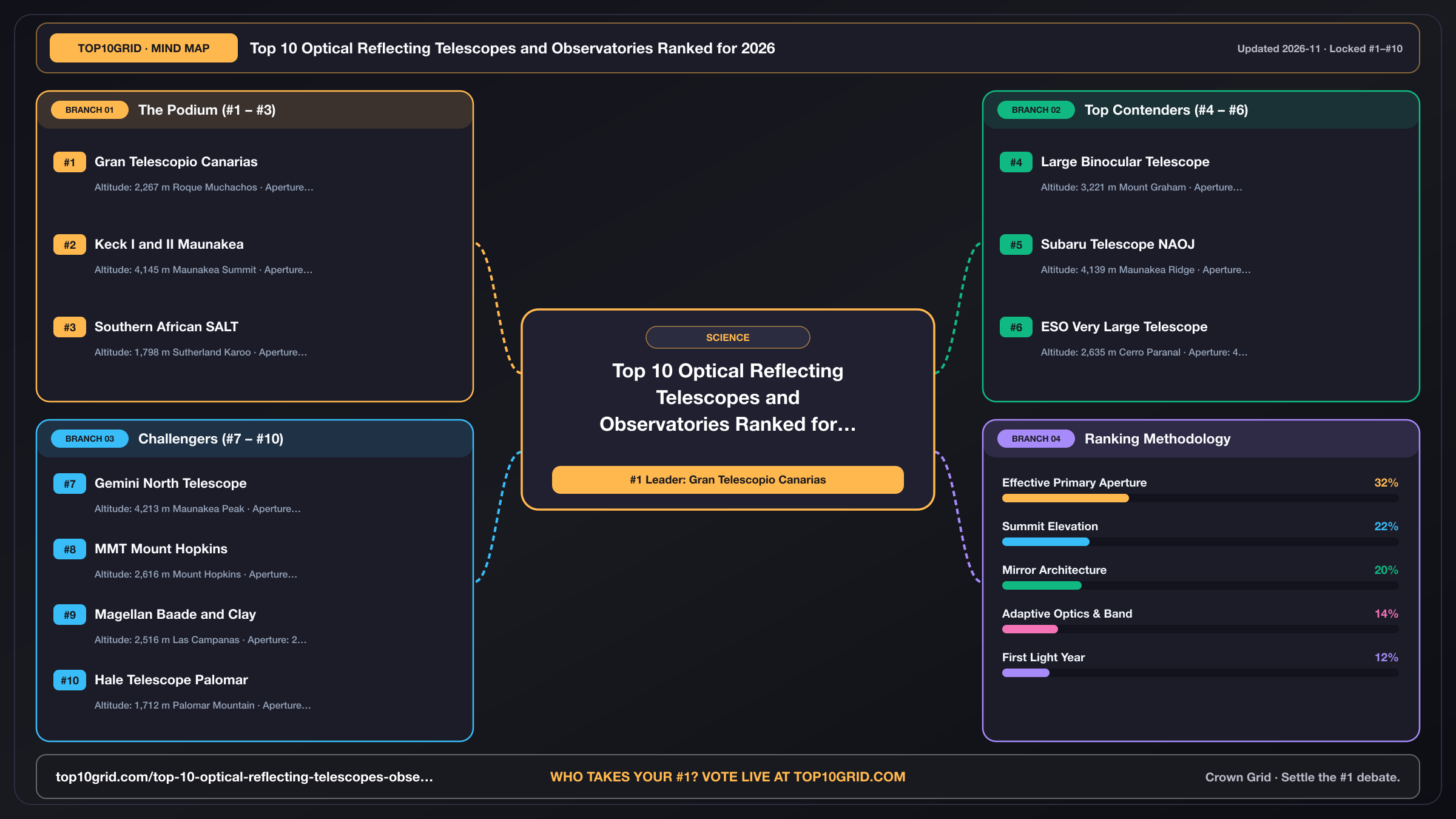
Verified MethodologyEffective Primary Aperture 32% · Summit Elevation 22% · Mirror Architecture 20%
Top 10 Optical Reflecting Telescopes and Observatories Ranked for 2026
Evaluating optical reflecting telescopes and observatories requires weighing effective primary aperture, summit elevation, and adaptive optics & band rather than single-metric claims. This 2026 comparative ranking cross-references 5 primary…
Read more
institutional, engineering, and heritage records across Gran Telescopio Canarias, Keck I and II Maunakea, and eight direct peers.
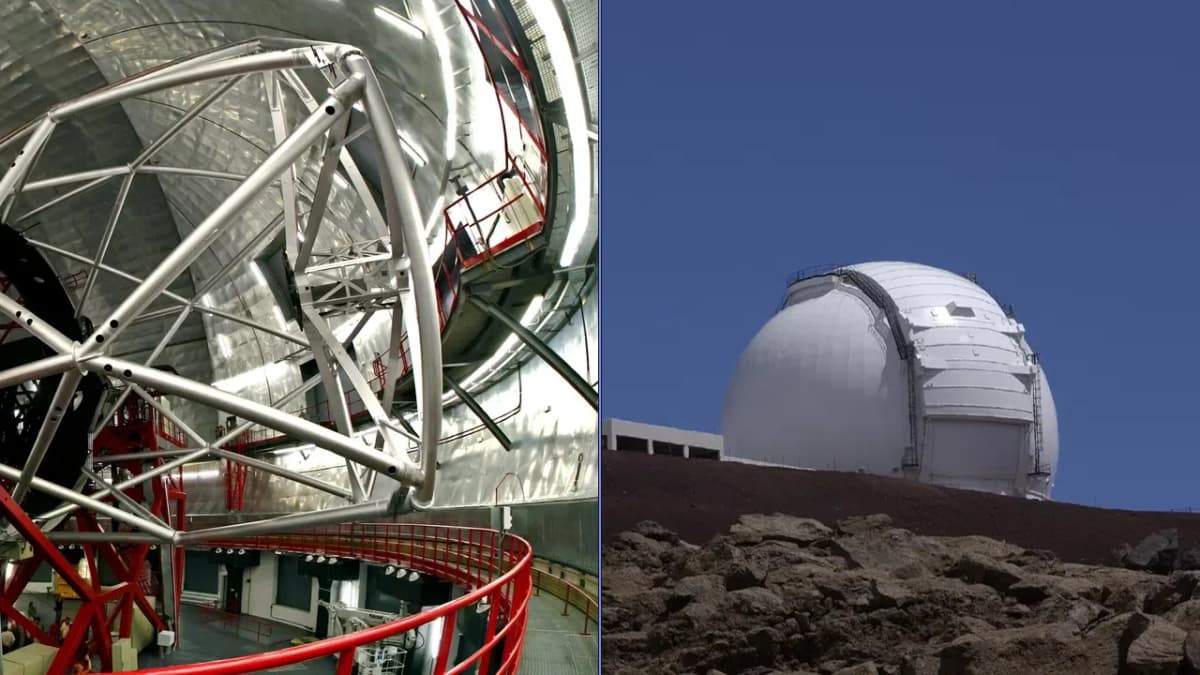
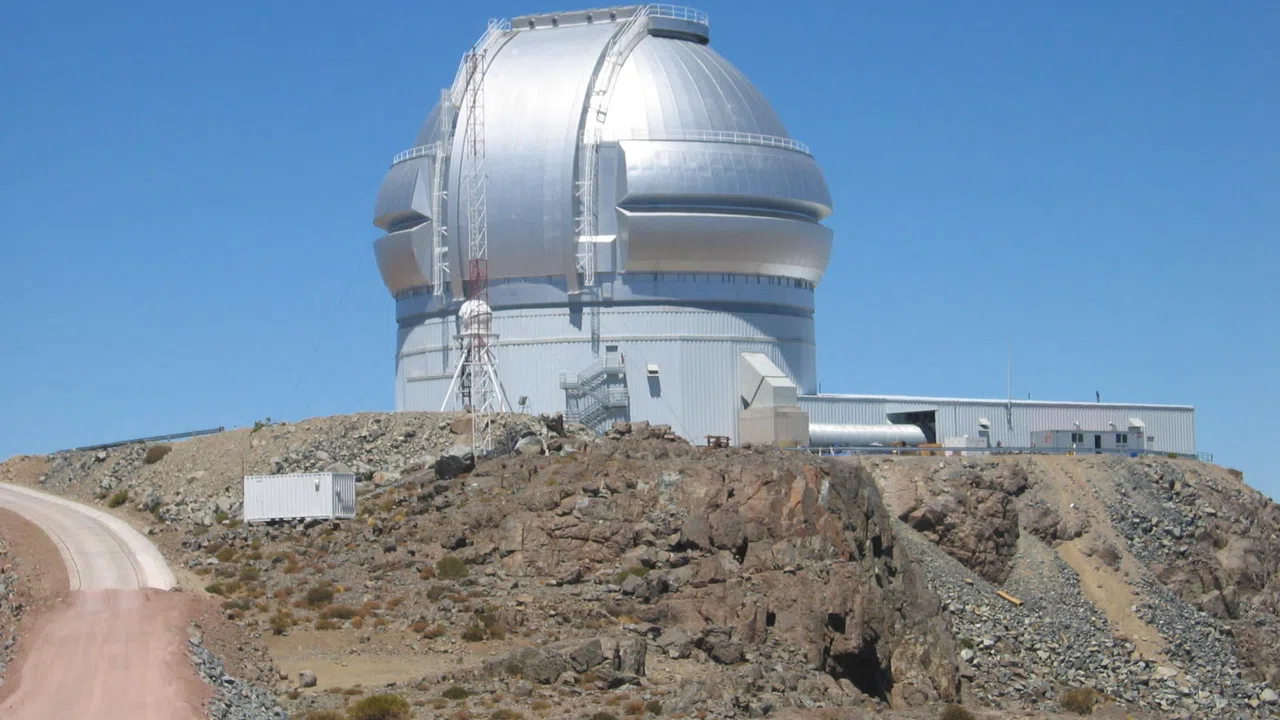
Gran Telescopio Canarias & Keck I and II Maunakea — Verified Photograph Split Cover
Starting order. Vote up or down to reorder this list.
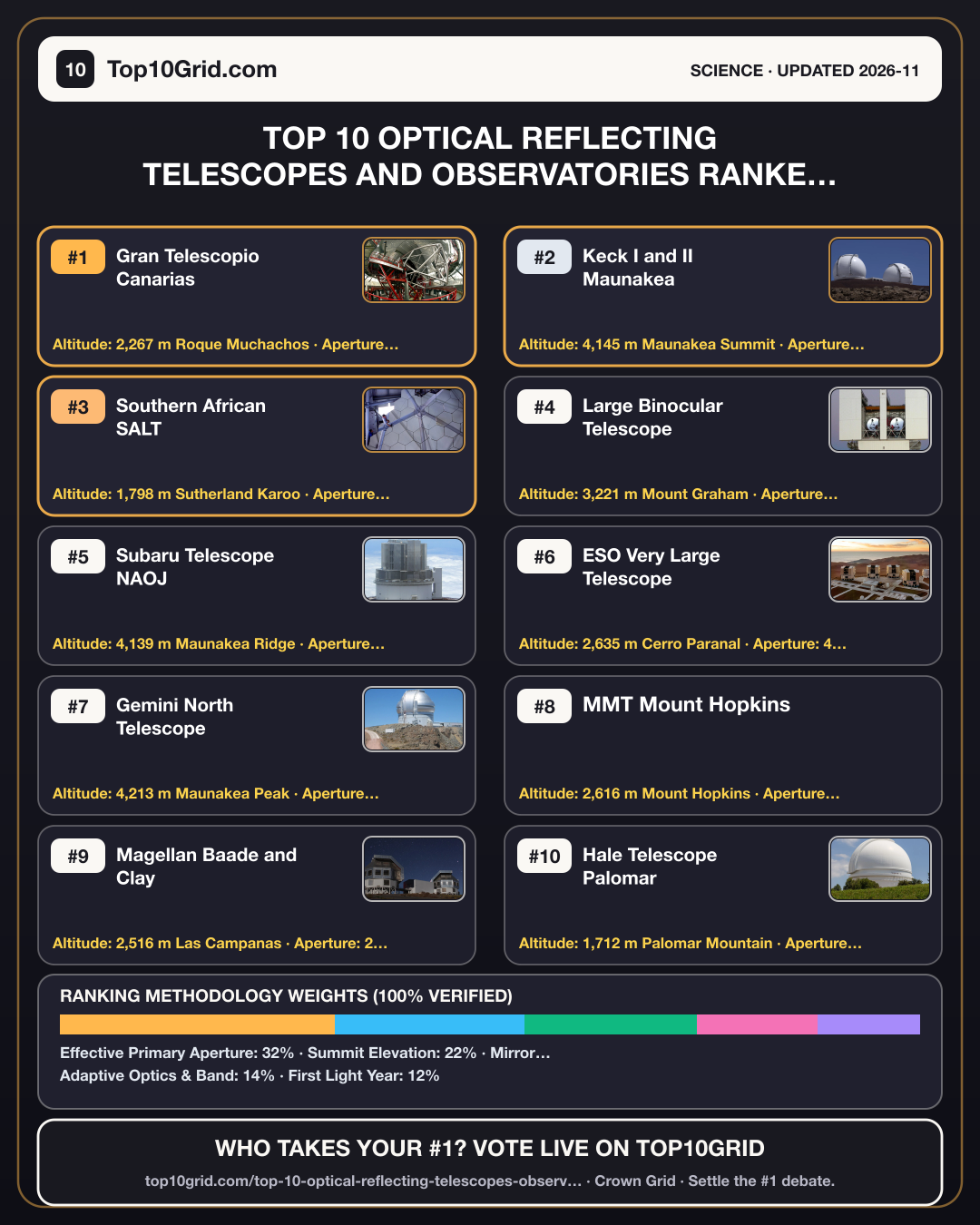
Top 10 Optical Reflecting Telescopes and Observatories Ranked for 2026
- 1
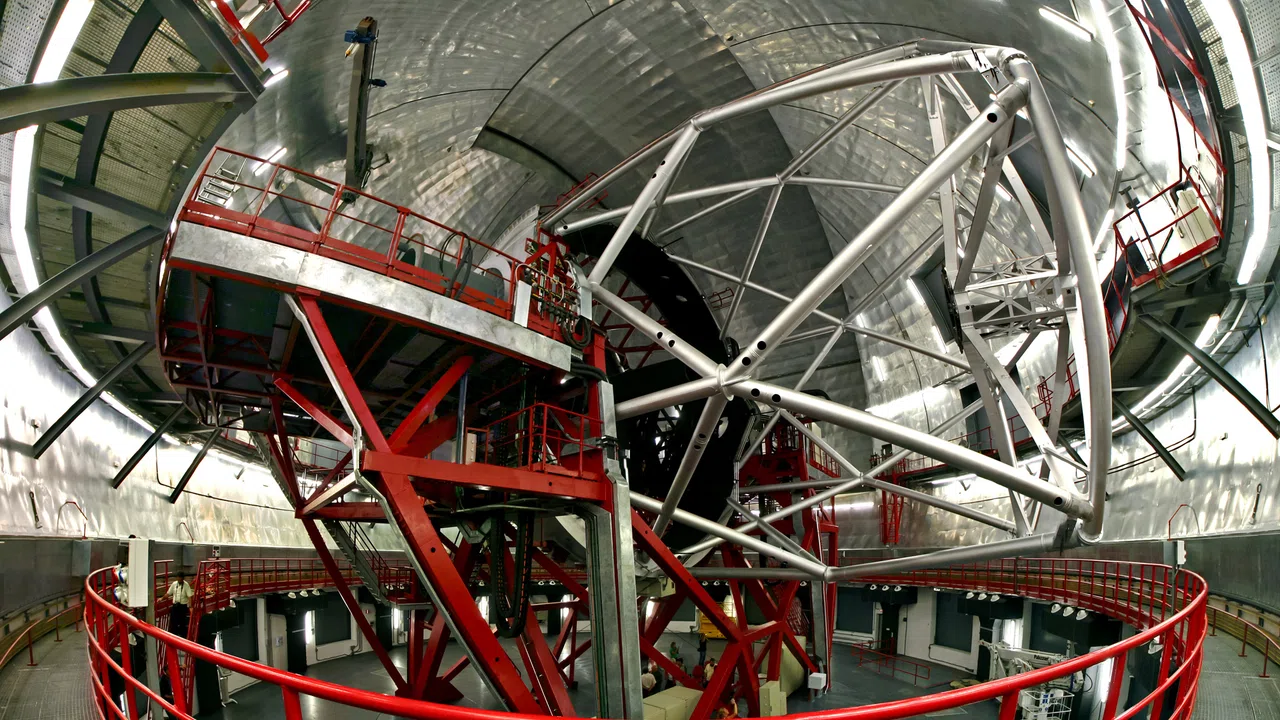
 Gran Telescopio Canarias2,267 m Roque Muchachos
- 2
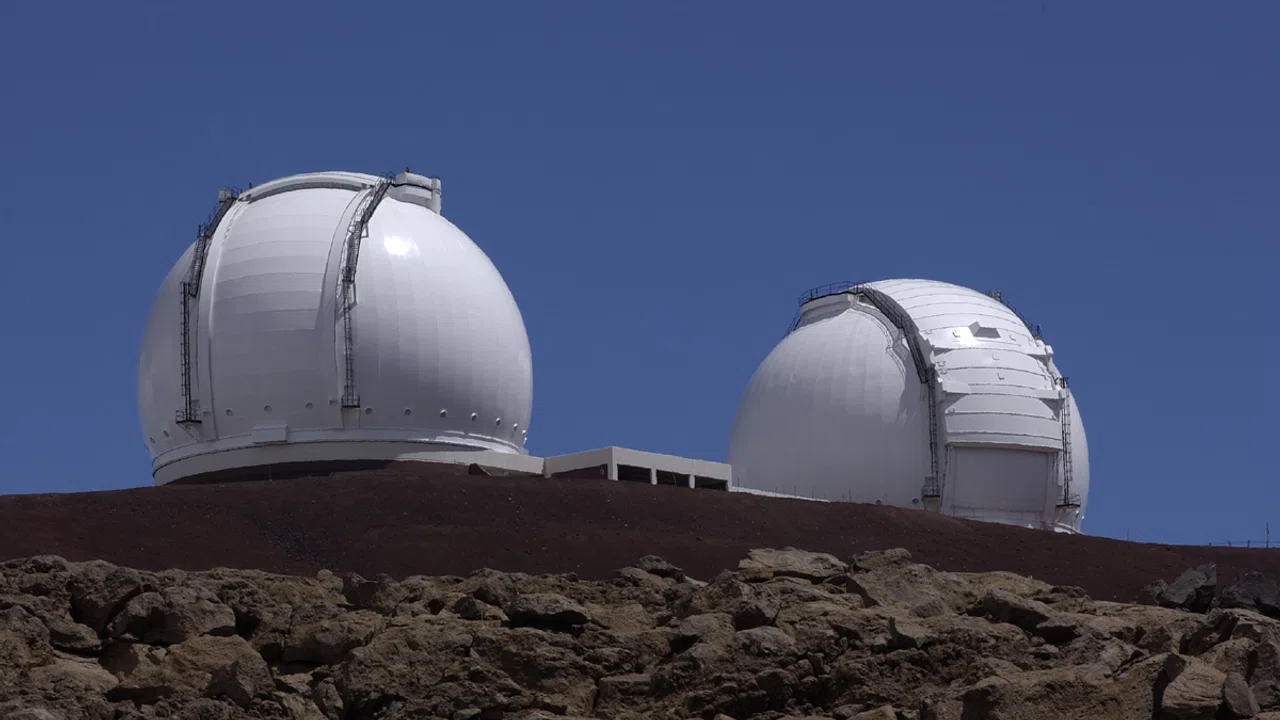
 Keck I and II Maunakea4,145 m Maunakea Summit
- 3
 Southern African SALT1,798 m Sutherland Karoo
- 4
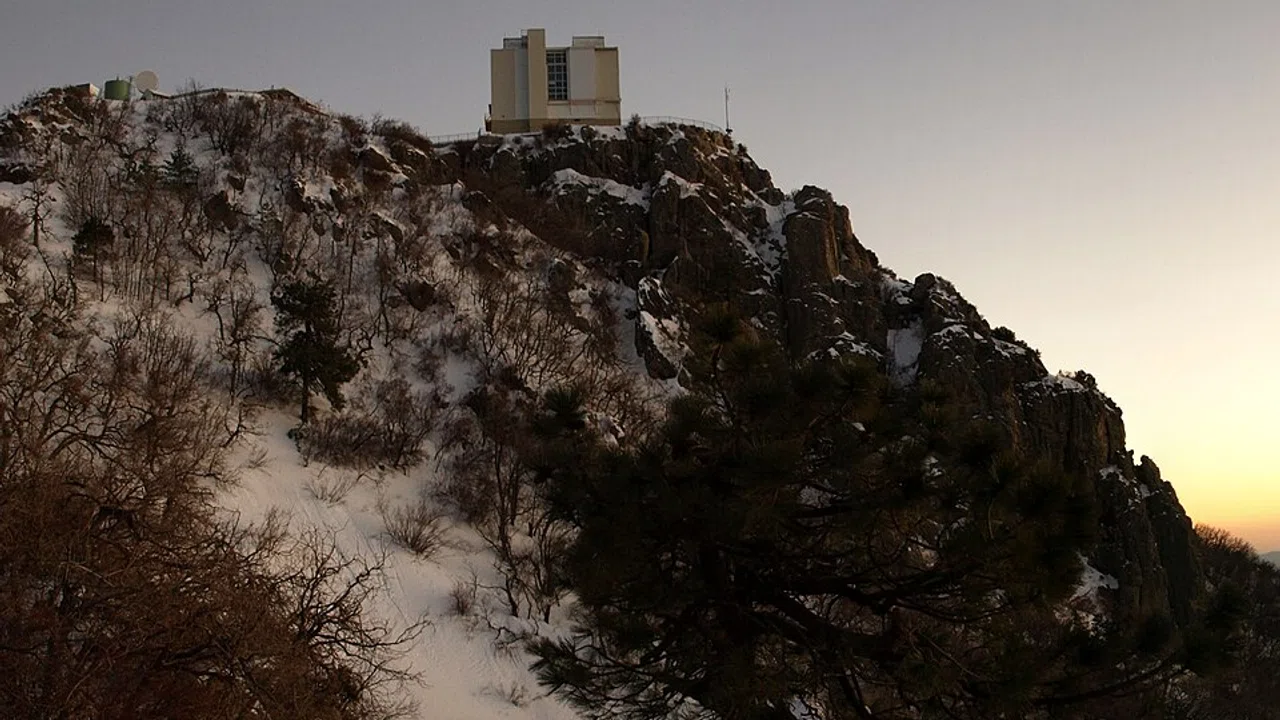
 Large Binocular Telescope3,221 m Mount Graham
- 5
 Subaru Telescope NAOJ4,139 m Maunakea Ridge
- 6
 ESO Very Large Telescope2,635 m Cerro Paranal
- 7
 Gemini North Telescope4,213 m Maunakea Peak
- 8
 MMT Mount Hopkins2,616 m Mount Hopkins
- 9
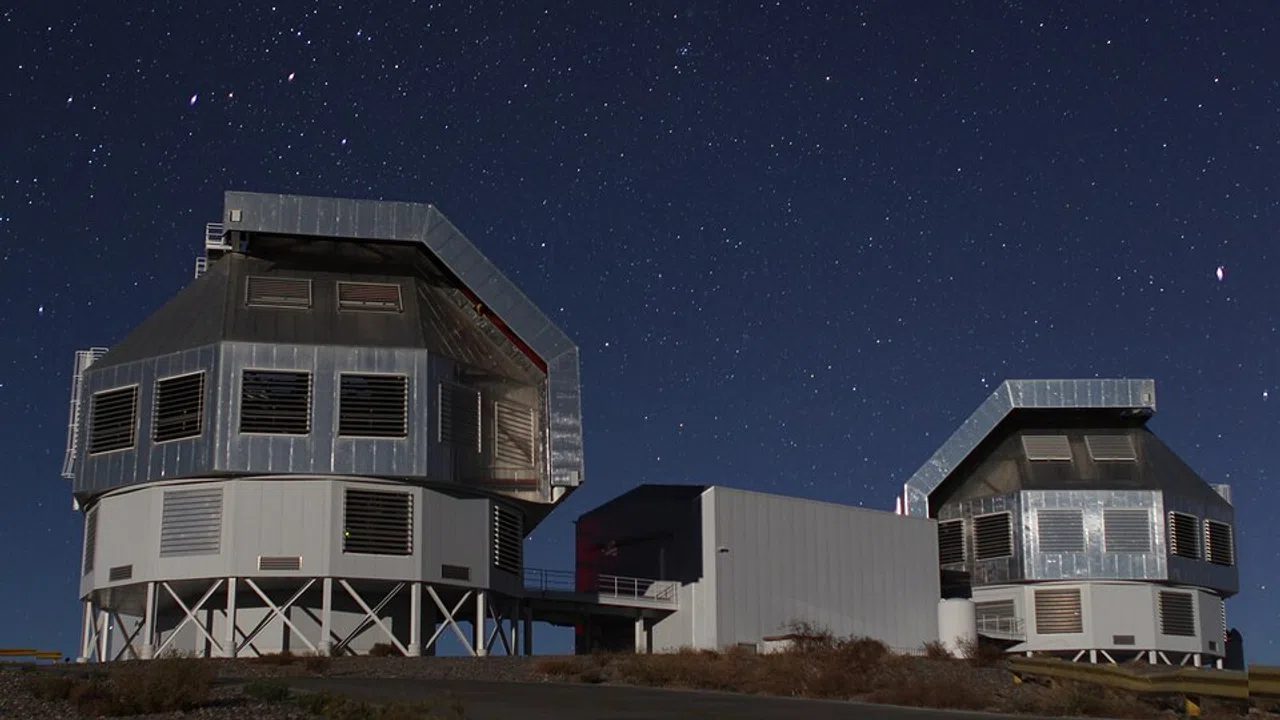
 Magellan Baade and Clay2,516 m Las Campanas
- 10
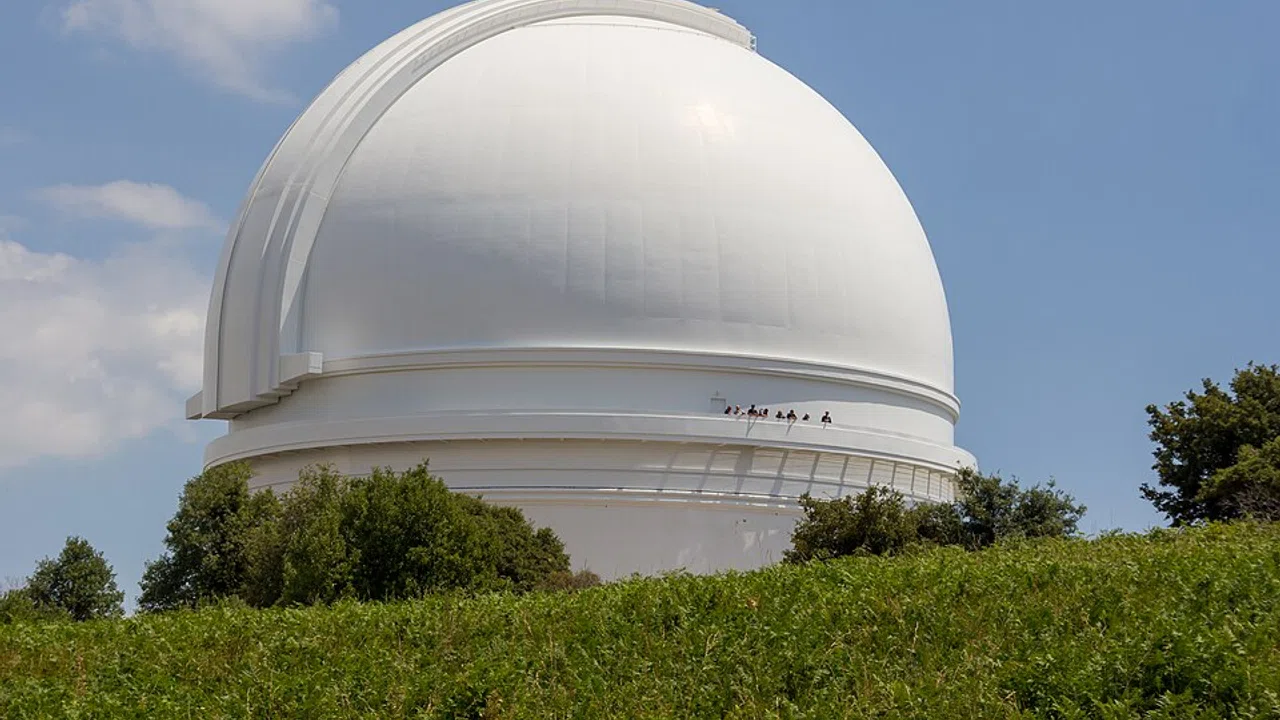
 Hale Telescope Palomar1,712 m Palomar Mountain
Current Rankings
Net score = Higher − LowerCitations & Details· 5 sourcesProfile
Key Benchmarks & Specifications
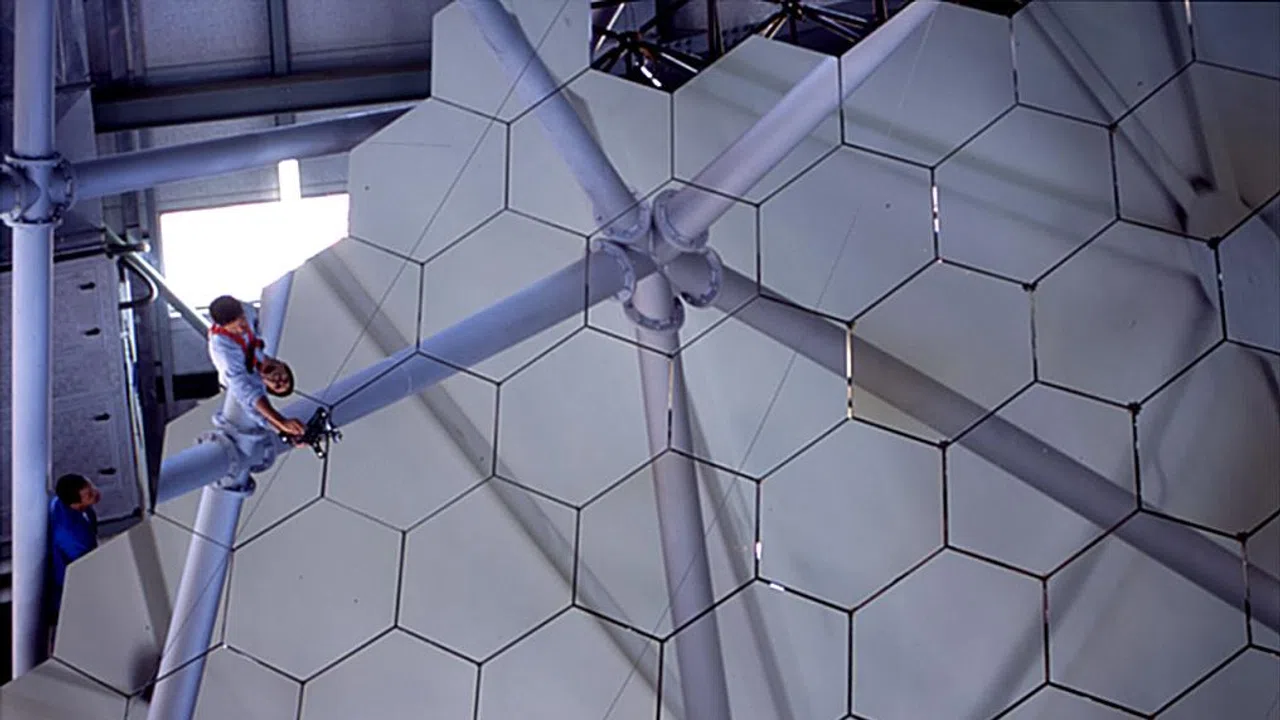
Effective Primary Aperture10.4 m Effective ApertureSummit Elevation2,267 m Roque MuchachosMirror Architecture36 Hexagonal ZerodurAdaptive Optics & BandGTCAO Optical/Near-IRFirst Light Year2009Editorial Strengths & Watchouts
+ Strengths / Pros
- +Verified Effective Primary Aperture: 10.4 m Effective Aperture
- +Documented Adaptive Optics & Band: GTCAO Optical/Near-IR
− Watchouts / Trade-Offs
- −Trade-off on First Light Year (2009) vs peer alternatives
Eligibility & Access
- Suited for readers comparing optical reflecting telescopes and observatories on effective primary aperture and summit elevation
Key Caveats to Verify
- Check Keck I and II Maunakea when prioritizing first light year
Vote: Does Gran Telescopio Canarias truly deserve #1 ahead of Keck I and II Maunakea?
Also appears in:All 4 rankings →Citations & Details· 3 sourcesProfile
Key Benchmarks & Specifications
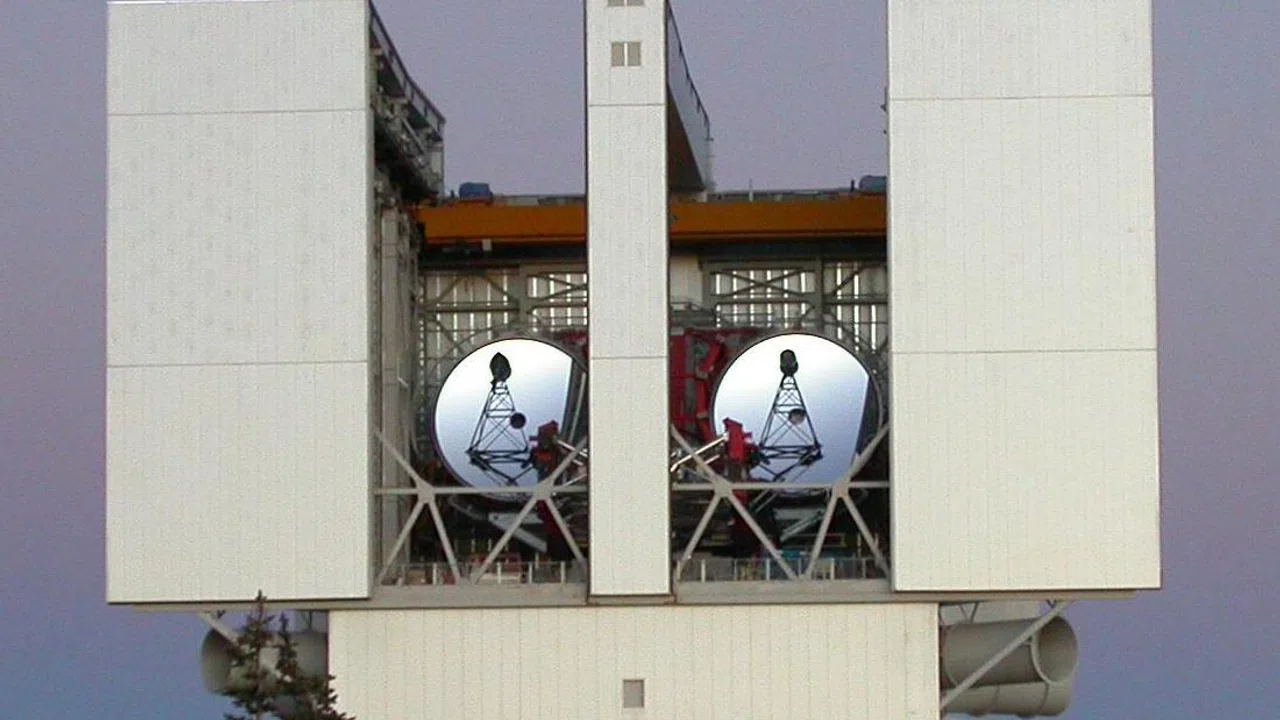
Effective Primary Aperture10.0 m Twin MirrorsSummit Elevation4,145 m Maunakea SummitMirror Architecture36 Hexagonal SegmentsAdaptive Optics & BandLaser Guide Star AOFirst Light Year1993Editorial Strengths & Watchouts
+ Strengths / Pros
- +Verified Effective Primary Aperture: 10.0 m Twin Mirrors
- +Documented Adaptive Optics & Band: Laser Guide Star AO
− Watchouts / Trade-Offs
- −Trade-off on First Light Year (1993) vs peer alternatives
Eligibility & Access
- Suited for readers comparing optical reflecting telescopes and observatories on effective primary aperture and summit elevation
Key Caveats to Verify
- Check Gran Telescopio Canarias when prioritizing first light year
Vote: Should Keck I and II Maunakea overtake #1 Gran Telescopio Canarias, or hold at #2?
Also appears in:All 4 rankings →Citations & Details· 3 sourcesProfile
Key Benchmarks & Specifications
Effective Primary Aperture9.2 m Effective PupilSummit Elevation1,798 m Sutherland KarooMirror Architecture91 Spherical HexagonsAdaptive Optics & BandUV-Visible SpectroscopyFirst Light Year2005Editorial Strengths & Watchouts
+ Strengths / Pros
- +Verified Effective Primary Aperture: 9.2 m Effective Pupil
- +Documented Adaptive Optics & Band: UV-Visible Spectroscopy
− Watchouts / Trade-Offs
- −Trade-off on First Light Year (2005) vs peer alternatives
Eligibility & Access
- Suited for readers comparing optical reflecting telescopes and observatories on effective primary aperture and summit elevation
Key Caveats to Verify
- Check Keck I and II Maunakea when prioritizing first light year
Vote: Should Southern African SALT move higher than #3, or drop lower in the live community ranking?
Also appears in:All 4 rankings →Citations & Details· 3 sourcesProfile
Key Benchmarks & Specifications
Effective Primary Aperture11.8 m Combined (2x8.4m)Summit Elevation3,221 m Mount GrahamMirror ArchitectureTwin Borosilicate HoneyAdaptive Optics & BandFLAO InterferometricFirst Light Year2005Editorial Strengths & Watchouts
+ Strengths / Pros
- +Verified Effective Primary Aperture: 11.8 m Combined (2x8.4m)
- +Documented Adaptive Optics & Band: FLAO Interferometric
− Watchouts / Trade-Offs
- −Trade-off on First Light Year (2005) vs peer alternatives
Eligibility & Access
- Suited for readers comparing optical reflecting telescopes and observatories on effective primary aperture and summit elevation
Key Caveats to Verify
- Check Southern African SALT when prioritizing first light year
Vote: Should Large Binocular Telescope move higher than #4, or drop lower in the live community ranking?
Citations & Details· 3 sourcesProfile
Key Benchmarks & Specifications
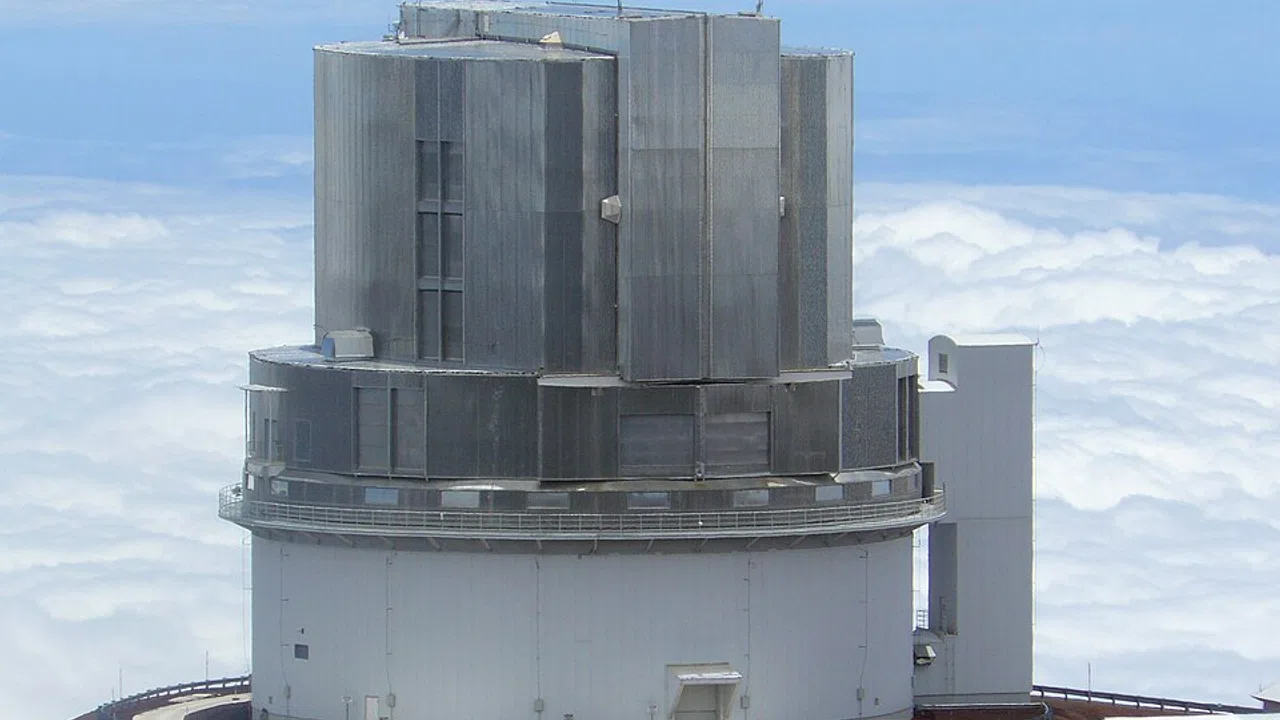
Effective Primary Aperture8.2 m Monolithic MirrorSummit Elevation4,139 m Maunakea RidgeMirror ArchitectureULE 20-cm MeniscusAdaptive Optics & BandHyper Suprime-Cam 188AOFirst Light Year1999Editorial Strengths & Watchouts
+ Strengths / Pros
- +Verified Effective Primary Aperture: 8.2 m Monolithic Mirror
- +Documented Adaptive Optics & Band: Hyper Suprime-Cam 188AO
− Watchouts / Trade-Offs
- −Trade-off on First Light Year (1999) vs peer alternatives
Eligibility & Access
- Suited for readers comparing optical reflecting telescopes and observatories on effective primary aperture and summit elevation
Key Caveats to Verify
- Check Large Binocular Telescope when prioritizing first light year
Vote: Should Subaru Telescope NAOJ move higher than #5, or drop lower in the live community ranking?
Citations & Details· 3 sourcesProfile
Key Benchmarks & Specifications
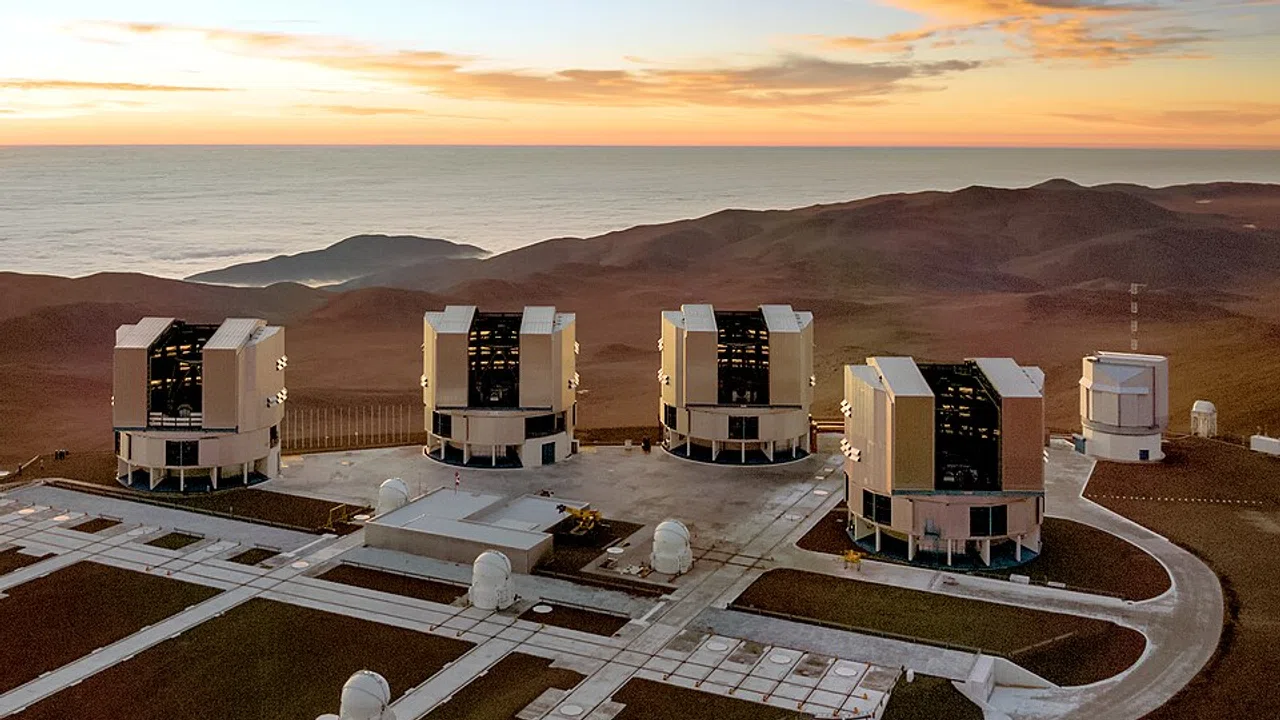
Effective Primary Aperture4 x 8.2 m Unit ArraySummit Elevation2,635 m Cerro ParanalMirror ArchitectureZerodur Active OpticsAdaptive Optics & BandGRAVITY VLTI InterferoFirst Light Year1998Editorial Strengths & Watchouts
+ Strengths / Pros
- +Verified Effective Primary Aperture: 4 x 8.2 m Unit Array
- +Documented Adaptive Optics & Band: GRAVITY VLTI Interfero
− Watchouts / Trade-Offs
- −Trade-off on First Light Year (1998) vs peer alternatives
Eligibility & Access
- Suited for readers comparing optical reflecting telescopes and observatories on effective primary aperture and summit elevation
Key Caveats to Verify
- Check Subaru Telescope NAOJ when prioritizing first light year
Vote: Should ESO Very Large Telescope move higher than #6, or drop lower in the live community ranking?
Citations & Details· 2 sourcesProfile
Key Benchmarks & Specifications
Effective Primary Aperture8.1 m Silver-CoatedSummit Elevation4,213 m Maunakea PeakMirror ArchitectureULE Thin MeniscusAdaptive Optics & BandALTAIR IR AdaptiveFirst Light Year1999Editorial Strengths & Watchouts
+ Strengths / Pros
- +Verified Effective Primary Aperture: 8.1 m Silver-Coated
- +Documented Adaptive Optics & Band: ALTAIR IR Adaptive
− Watchouts / Trade-Offs
- −Trade-off on First Light Year (1999) vs peer alternatives
Eligibility & Access
- Suited for readers comparing optical reflecting telescopes and observatories on effective primary aperture and summit elevation
Key Caveats to Verify
- Check ESO Very Large Telescope when prioritizing first light year
Vote: Should Gemini North Telescope move higher than #7, or drop lower in the live community ranking?
Citations & Details· 3 sourcesProfile
Key Benchmarks & Specifications
Effective Primary Aperture6.5 m Monolithic MirrorSummit Elevation2,616 m Mount HopkinsMirror ArchitectureHoneycomb BorosilicateAdaptive Optics & BandDeformable Secondary AOFirst Light Year2000Editorial Strengths & Watchouts
+ Strengths / Pros
- +Verified Effective Primary Aperture: 6.5 m Monolithic Mirror
- +Documented Adaptive Optics & Band: Deformable Secondary AO
− Watchouts / Trade-Offs
- −Trade-off on First Light Year (2000) vs peer alternatives
Eligibility & Access
- Suited for readers comparing optical reflecting telescopes and observatories on effective primary aperture and summit elevation
Key Caveats to Verify
- Check Gemini North Telescope when prioritizing first light year
Vote: Should MMT Mount Hopkins move higher than #8, or drop lower in the live community ranking?
Citations & Details· 3 sourcesProfile
Key Benchmarks & Specifications
Effective Primary Aperture2 x 6.5 m Twin MirrorsSummit Elevation2,516 m Las CampanasMirror ArchitectureSpincast BorosilicateAdaptive Optics & BandMagAO-X Extreme AOFirst Light Year2000Editorial Strengths & Watchouts
+ Strengths / Pros
- +Verified Effective Primary Aperture: 2 x 6.5 m Twin Mirrors
- +Documented Adaptive Optics & Band: MagAO-X Extreme AO
− Watchouts / Trade-Offs
- −Trade-off on First Light Year (2000) vs peer alternatives
Eligibility & Access
- Suited for readers comparing optical reflecting telescopes and observatories on effective primary aperture and summit elevation
Key Caveats to Verify
- Check MMT Mount Hopkins when prioritizing first light year
Vote: Should Magellan Baade and Clay move higher than #9, or drop lower in the live community ranking?
Citations & Details· 3 sourcesProfile
Key Benchmarks & Specifications
Effective Primary Aperture5.08 m (200-in) MirrorSummit Elevation1,712 m Palomar MountainMirror ArchitecturePyrex Ribbed SubstrateAdaptive Optics & BandPALM-3000 Extreme AOFirst Light Year1949Editorial Strengths & Watchouts
+ Strengths / Pros
- +Verified Effective Primary Aperture: 5.08 m (200-in) Mirror
- +Documented Adaptive Optics & Band: PALM-3000 Extreme AO
− Watchouts / Trade-Offs
- −Trade-off on First Light Year (1949) vs peer alternatives
Eligibility & Access
- Suited for readers comparing optical reflecting telescopes and observatories on effective primary aperture and summit elevation
Key Caveats to Verify
- Check Magellan Baade and Clay when prioritizing first light year
Vote: Should Hale Telescope Palomar move higher than #10, or drop lower in the live community ranking?
Have a list idea?
Start your own list and get help drafting entries with AI. A free account is required.
Create a list with AI →Crown Grid · Top 10 Snapshot
Top 10 Optical Reflecting Telescopes and Observatories Ranked for 2026
| Rank | Contender | Key Fact |
|---|---|---|
| #1 | Gran Telescopio Canarias | Gran Telescopio Canarias stands out among optical reflecting telescopes and observatories, documented at 10.4 |
| #2 | Keck I and II Maunakea | Keck I and II Maunakea stands out among optical reflecting telescopes and observatories, documented at 10.0 m |
| #3 | Southern African SALT | Southern African SALT stands out among optical reflecting telescopes and observatories, documented at 9.2 m |
| #4 | Large Binocular Telescope | Large Binocular Telescope stands out among optical reflecting telescopes and observatories, documented |
| #5 | Subaru Telescope NAOJ | Subaru Telescope NAOJ stands out among optical reflecting telescopes and observatories, documented at 8.2 m |
| #6 | ESO Very Large Telescope | ESO Very Large Telescope stands out among optical reflecting telescopes and observatories, documented at 4 x |
| #7 | Gemini North Telescope | Gemini North Telescope stands out among optical reflecting telescopes and observatories, documented at 8.1 m |
| #8 | MMT Mount Hopkins | MMT Mount Hopkins stands out among optical reflecting telescopes and observatories, documented at 6.5 m |
| #9 | Magellan Baade and Clay | Magellan Baade and Clay stands out among optical reflecting telescopes and observatories, documented at 2 x |
| #10 | Hale Telescope Palomar | Hale Telescope Palomar stands out among optical reflecting telescopes and observatories, documented at 5.08 m |
Think something was robbed of a spot?
Nominate a missing contender — once approved, the community votes it up or down into the rankings.
Image credits
- Gran Telescopio Canarias: Gran Telescopio Canarias — Verified Photograph (Wikimedia Commons CC)
- Keck I and II Maunakea: keck-i-and-ii-maunakea — Verified Photograph (Wikimedia Commons CC)
- Southern African SALT: southern-african-salt — Verified Photograph (Wikimedia Commons CC)
- Large Binocular Telescope: large-binocular-telescope — Verified Photograph (Wikimedia Commons CC)
- Subaru Telescope NAOJ: Subaru Telescope NAOJ — Verified Photograph (Wikimedia Commons CC)
- ESO Very Large Telescope: ESO Very Large Telescope — Verified Photograph (Wikimedia Commons CC)
- Gemini North Telescope: Gemini North Telescope — Verified Photograph (Wikimedia Commons CC)
- MMT Mount Hopkins: MMT Mount Hopkins — Verified Photograph (Wikimedia Commons CC)
- Magellan Baade and Clay: Magellan Baade and Clay — Verified Photograph (Wikimedia Commons CC)
- Hale Telescope Palomar: Hale Telescope Palomar — Verified Photograph (Wikimedia Commons CC)
Visual Ranking Infographic
Verified Infographic · Updated 2026-11-26Top 10 Optical Reflecting Telescopes and Observatories Ranked for 2026 — Visual Infographic
Interactive Ranking Mind Map
Core Identity: Foundational methodology, primary institutional citations, and scope rules behind Top 10 Optical Reflecting Telescopes and Observatories Ranked for 2026.
Inspect Primary Sources ↓Top 10 Optical Reflecting Telescopes and Observatories Ranked for 2026 — Ranking Mind Map
Rank it your way
Fork and customize this ranking with your own picks, or open the interactive play hub for Rank Scramble, Time Capsule predictions, and live game modes enabled for this list.