منهجية موثّقةمعايير المراجعة التحريرية
هل يتجاوز معبد كينكاكو-جي الذهبي منافسه ضريح كاميغامو؟ أهم 10 معالم تاريخية في كيوتو القديمة
حاسبة ميزانية السفر والإقامة العائلية
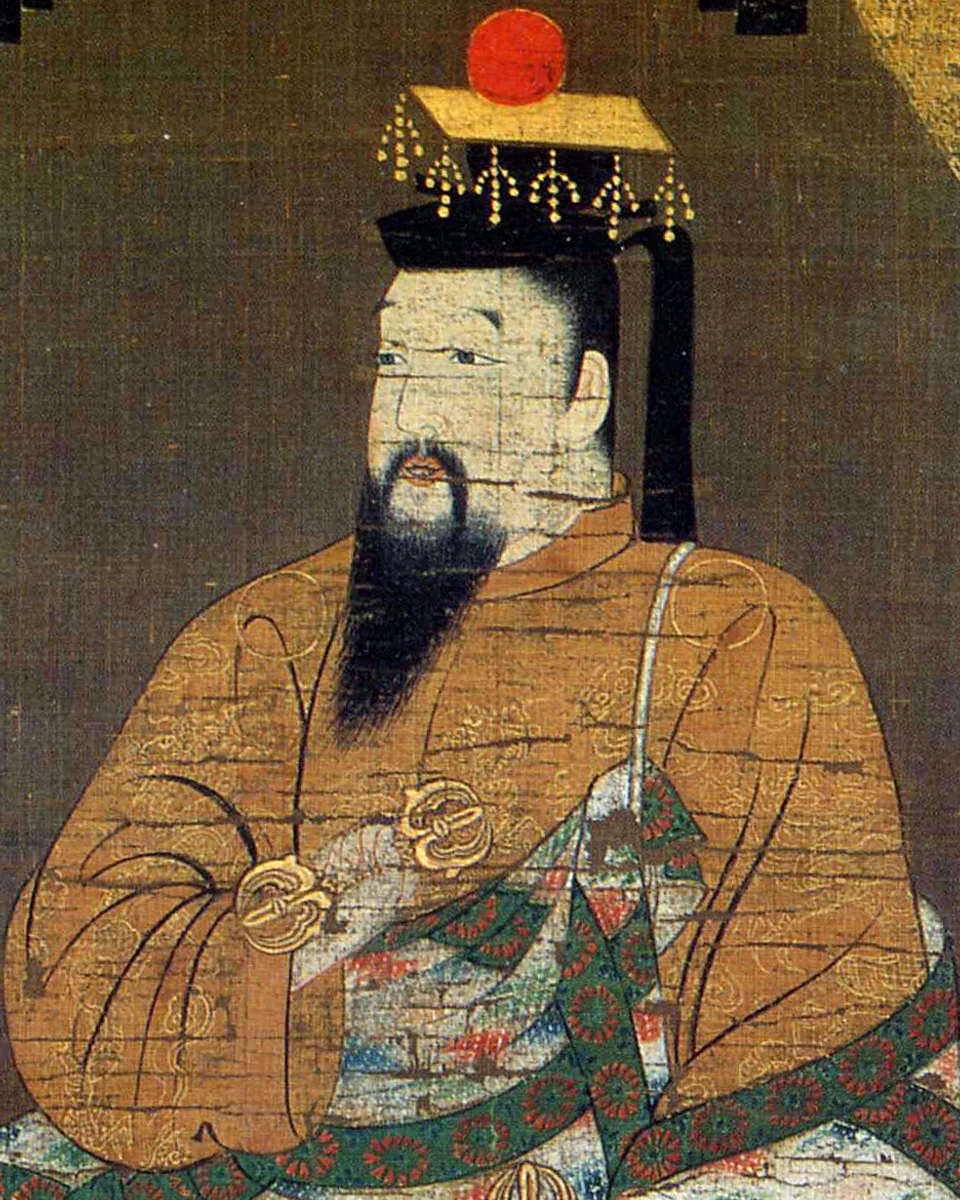
Kamowakeikazuchi-jinja (Kamigamo Shrine)
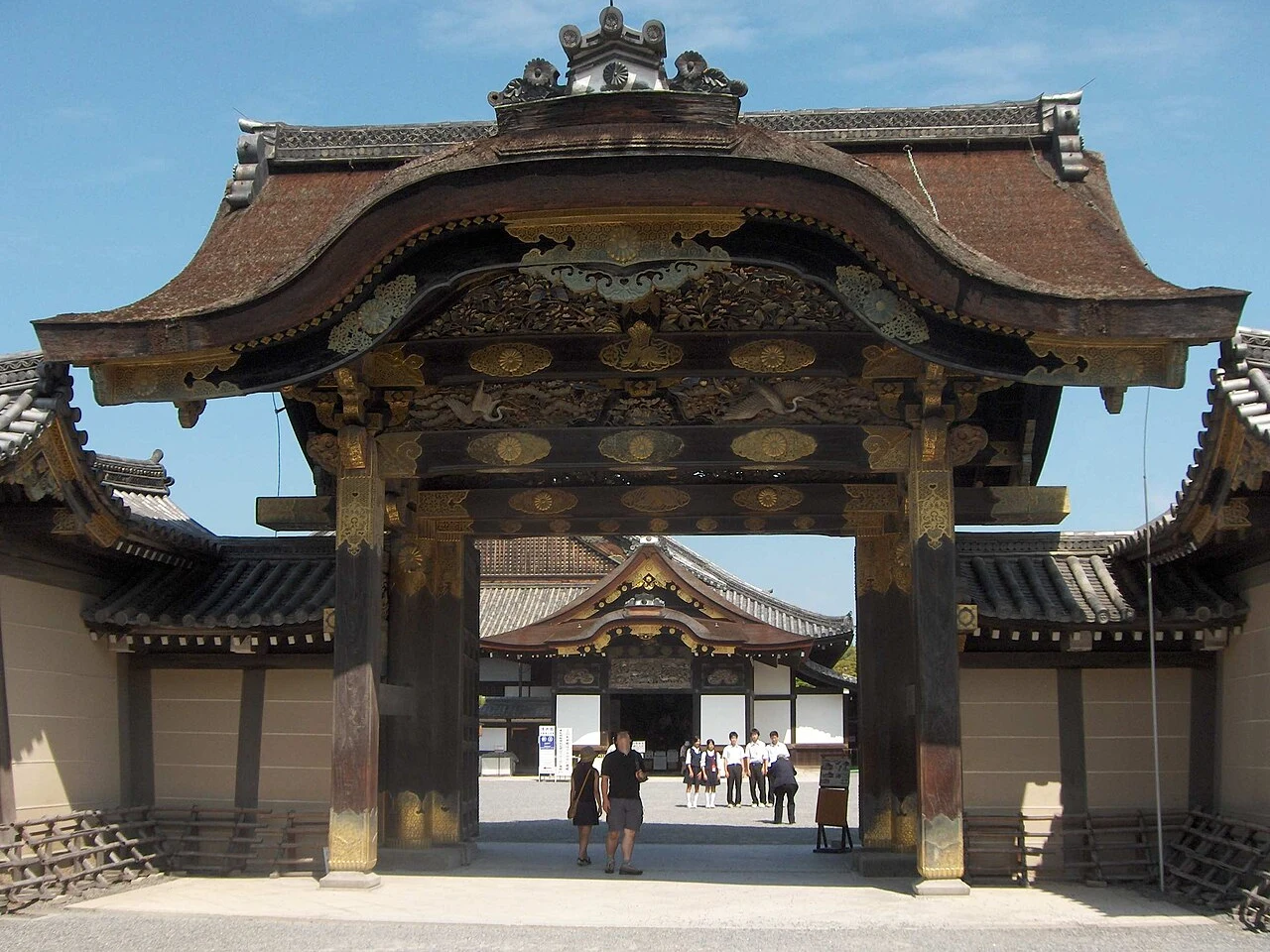
Nijo-jo (Nijo Castle)
Rokuon-ji (Kinkaku-ji)
Ballot neutrality lock: cast your vote first — partner links stay hidden pre-vote.
مقارنة شاملة تجمع المتصدر Kamowakeikazuchi-jinja (Kamigamo Shrine) والوصيف Rokuon-ji (Kinkaku-ji) وبقية المتنافسين استناداً إلى البيانات الموثقة وتصويت الجمهور المباشر.
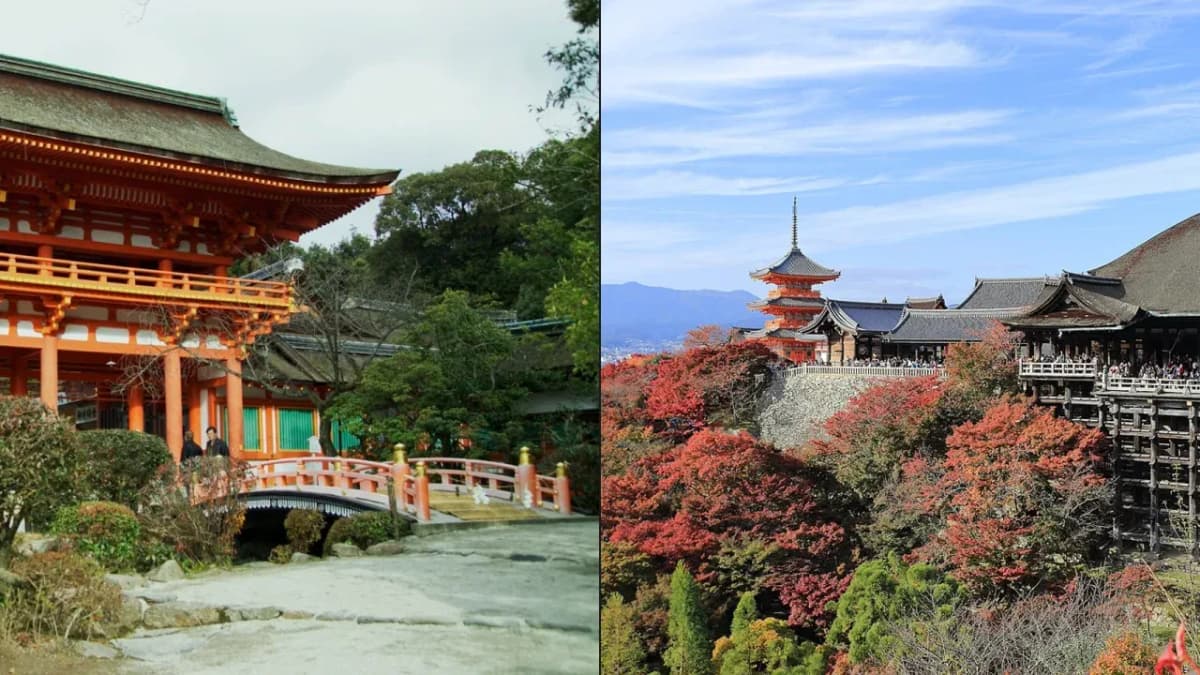
Top10Grid Symmetric #1 vs #2 Split Frame

Starting order. Vote up or down to reorder this list.

هل يتجاوز معبد كينكاكو-جي الذهبي منافسه ضريح كاميغامو؟ أهم 10 معالم تاريخية في كيوتو القديمة


التصنيف الحالي
النقاط الصافية = أعلى − أدنىCitations & Details· 1 sourceProfile
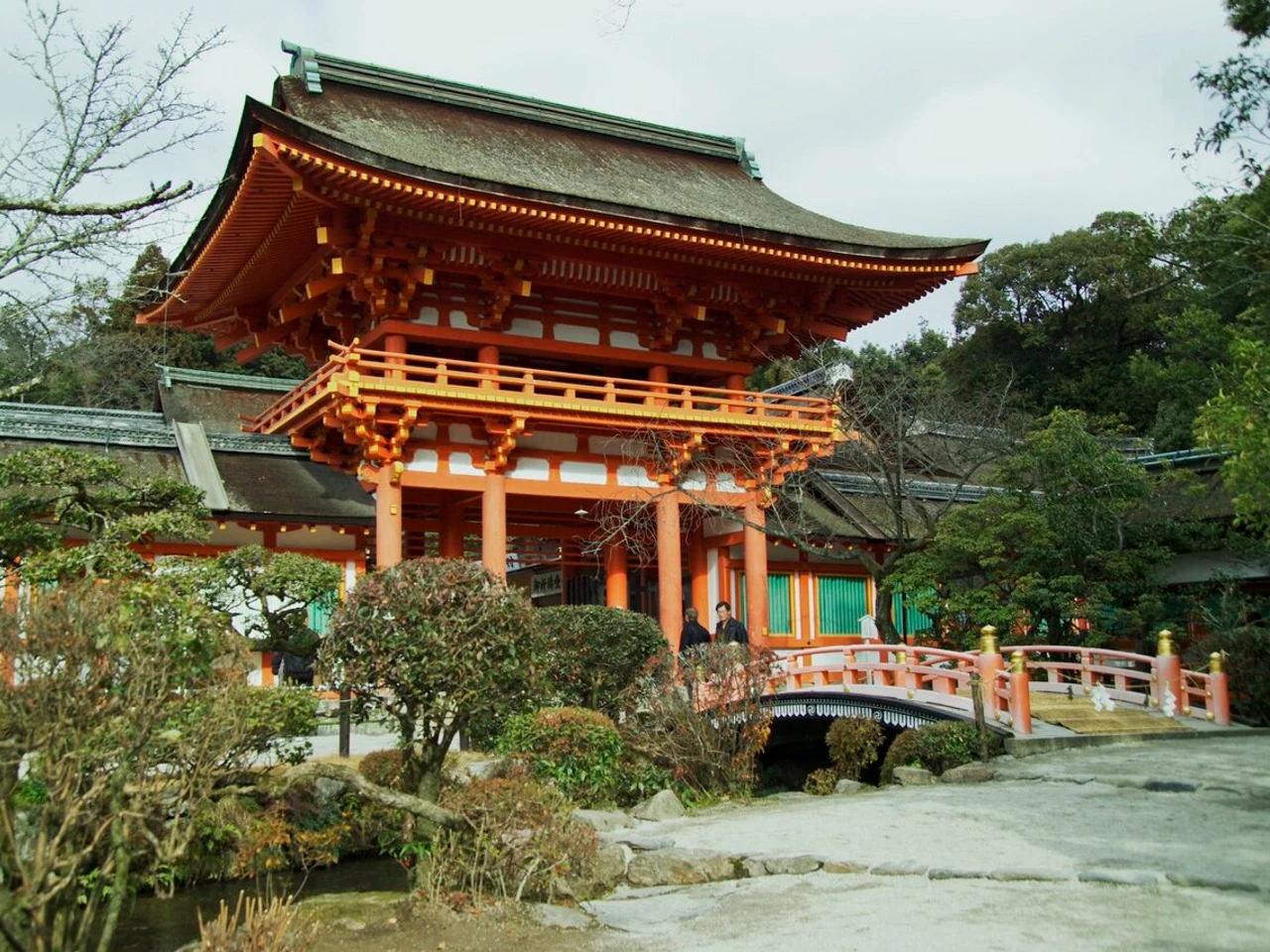
Kamowakeikazuchi-jinja (Kamigamo Shrine) holds Rank #1 on Kamowakeikazuchi-jinja vs. Rokuon-ji?
Key Benchmarks & Specifications
Standing#1 LeaderLocationKamigamo ShrineTraveler EdgeHolds Rank 1 on Kamowakeikazuchi-jinja vs. Primary Source: online.bunka.go.jpEditorial Strengths & Watchouts
+ Strengths / Pros
- +Holds #1 standing on Kamowakeikazuchi-jinja vs. Rokuon-ji? Top 10 Historic Monuments of Ancient Kyoto with verified primary documentation (online.bunka.go.jp)
- +Top 10 Historic Monuments of Ancient Kyoto, evaluated on documented category metrics, peer standing,
- +Kamowakeikazuchi-jinja earns 1 on Kamowakeikazuchi-jinja vs
− Watchouts / Trade-Offs
- −Faces close voter competition from #2 challenger picks on Kamowakeikazuchi-jinja vs. Rokuon-ji? Top 10 Historic Monuments of Ancient Kyoto
- −Fit depends on whether you weigh Kamowakeikazuchi-jinja's core profile above specialized alternatives
Eligibility & Access
- Best for readers comparing Kamowakeikazuchi-jinja directly against top-ranked peers in Kamowakeikazuchi-jinja vs. Rokuon-ji? Top 10 Historic Monuments of Ancient Kyoto
- Best for voters weighing documented online.bunka.go.jp benchmarks alongside day-to-day trade-offs
Key Caveats to Verify
- Compare Kamowakeikazuchi-jinja directly against #2 before locking in your final vote
صوّت: Does Kamowakeikazuchi-jinja (Kamigamo Shrine) truly deserve #1 ahead of Rokuon-ji (Kinkaku-ji)?
Citations & Details· 1 sourceProfile
Officially named Rokuon-ji, the world-famous Golden Pavilion is a Zen Buddhist temple whose top two floors are completely covered in pure gold leaf. Overlooking the mirror-like Kyōko-chi pond, it presents one of the most recognizable and photographed architectural vistas in East Asia.
Key Benchmarks & Specifications
Standing#2 PodiumLocation1994Traveler EdgeOfficially named Rokuon-ji, the world-famousPrimary Sourceonline.bunka.go.jpEditorial Strengths & Watchouts
+ Strengths / Pros
- +visually striking golden reflection in the surrounding pine-fringed pond
- +exquisite Muromachi-period stroll garden landscape design
- +crisp photographic contrast in all seasons, especially under winter snow
− Watchouts / Trade-Offs
- −interior of the pavilion is strictly closed to the general public
- −visitors must follow a rigid one-way walking route without lingering
Eligibility & Access
- Best for widely recognized sightseeing, Japanese garden lovers, and visitors seeking Kyoto's most celebrated visual landmark
Key Caveats to Verify
- Tour bus congestion is heavy
- bright midday sunlight can create harsh reflections on the gilded exterior
صوّت: Should Rokuon-ji (Kinkaku-ji) overtake #1 Kamowakeikazuchi-jinja (Kamigamo Shrine), or hold at #2?
Citations & Details· 1 sourceProfile
Built in 1603 by Tokugawa Ieyasu, the founder of the Tokugawa Shogunate, Nijō Castle stands as a fortified measurable proof of feudal shogunal power over the Kyoto Imperial Court. It is celebrated for the lavish Ninomaru Palace, ornate Karamon gate, and legendary "nightingale floors" that chirp like birds when walked upon.
Key Benchmarks & Specifications
Standing#3 PodiumLocation1603Traveler EdgeBuilt in 1603 by Tokugawa Ieyasu,Primary Sourceonline.bunka.go.jpEditorial Strengths & Watchouts
+ Strengths / Pros
- +walk directly across historic "nightingale" squeaking floors engineered to warn against ninja assassins
- +magnificent Kanō school painted gold-leaf screens inside Ninomaru Palace
- +extensive moats, stone defensive walls, and tranquil Ninomaru garden
− Watchouts / Trade-Offs
- −photography is strictly forbidden inside the historic palace rooms
- −shoes must be removed to enter the palace interior
Eligibility & Access
- Best for samurai and shogunate history buffs
- travelers interested in authentic feudal Japanese interior architecture
Key Caveats to Verify
- Extensive walking across gravel courtyards can be tiring on hot summer days
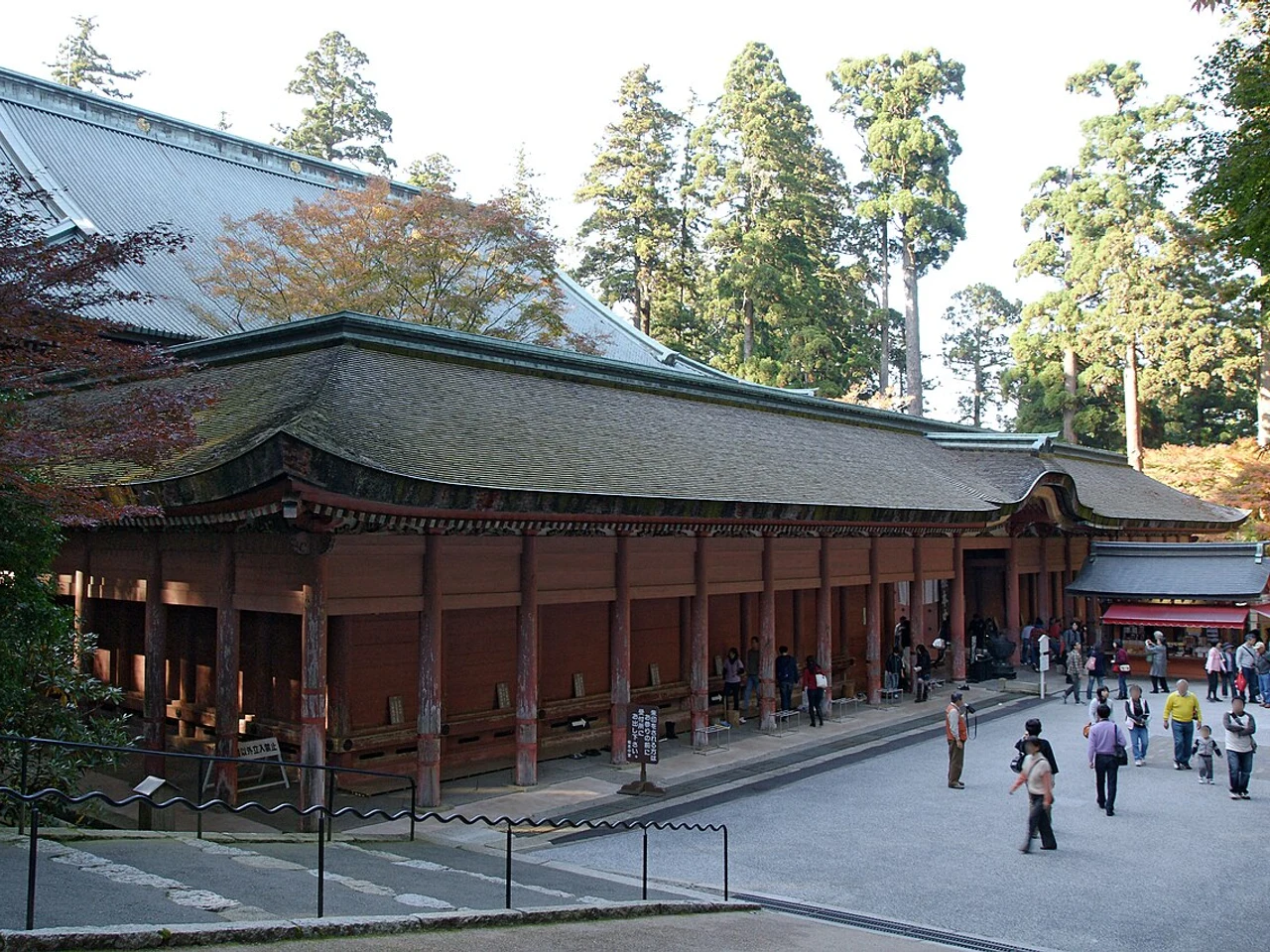
صوّت: Should Enryaku-ji move higher than #3, or drop lower in the live community ranking?
Citations & Details· 1 sourceProfile
Built by Shogun Ashikaga Yoshimasa as a mountain retreat inspired by his grandfather's Golden Pavilion, Ginkaku-ji was never actually covered in silver leaf, embodying instead the refined Japanese aesthetic of wabi-sabi (beauty in imperfection). The temple is famous for its meticulously raked dry sand garden and mossy hillside trails.
Key Benchmarks & Specifications
Standing#4 ContenderLocation1994Traveler EdgeBuilt by Shogun Ashikaga Yoshimasa asPrimary Sourceonline.bunka.go.jpEditorial Strengths & Watchouts
+ Strengths / Pros
- +sublime expression of understated wabi-sabi Zen philosophy
- +mesmerizing Kogetsudai ("Moon Viewing Platform") conical sand sculpture
- +tranquil hillside walking trail offering views over the temple roofs
− Watchouts / Trade-Offs
- −pavilion interior is closed to visitors
- −smaller scale than Kinkaku-ji may disappoint travelers expecting gilded grandeur
Eligibility & Access
- Best for fans of Zen aesthetics, Japanese moss gardens, and travelers walking the scenic Philosopher's Path
Key Caveats to Verify
- Located on Kyoto's eastern edge with slower bus transit connections than downtown sights
صوّت: Should Daigo-ji move higher than #4, or drop lower in the live community ranking?
Citations & Details· 1 sourceProfile
Belonging to the Myōshin-ji school of Rinzai Zen Buddhism, Ryōan-ji contains the world's most famous karesansui (dry landscape rock garden). Consisting of 15 moss-ringed boulders arranged in five groups across white raked gravel, the design is famously engineered so that from any vantage point, at least one stone remains hidden from sight.
Key Benchmarks & Specifications
Standing#5 ContenderLocation1994Traveler EdgeBelonging to the Myōshin-ji school of RinzaiPrimary Sourceonline.bunka.go.jpEditorial Strengths & Watchouts
+ Strengths / Pros
- +world-renowned Zen meditation focal point inviting contemplation of void and form
- +beautiful surrounding stroll garden featuring the large Kyoyochi pond with water lilies
- +rich cultural heritage embedded in traditional Japanese aesthetics
− Watchouts / Trade-Offs
- −the viewing veranda can be crowded with chatty tour groups during peak midday hours
- −interpretation is purely abstract with no official meaning provided
Eligibility & Access
- Best for philosophy lovers, architecture students, and travelers seeking authentic Zen meditation environments
Key Caveats to Verify
- Early morning arrival is essential to experience the contemplative quietude the garden was designed to evoke
صوّت: Should Nijo-jo (Nijo Castle) move higher than #5, or drop lower in the live community ranking?
Citations & Details· 1 sourceProfile
Located in western Kyoto's Arashiyama district, Tenryū-ji ("Temple of the Heavenly Dragon") is the head temple of its own Rinzai Zen branch. Its 14th-century Sogenchi garden has survived in its original design by Zen master Musō Soseki, seamlessly incorporating the surrounding Arashiyama mountains via the technique of shakkei ("borrowed scenery").
Key Benchmarks & Specifications
Standing#6 ContenderLocation1994Traveler EdgeLocated in western Kyoto's ArashiyamaPrimary Sourceonline.bunka.go.jpEditorial Strengths & Watchouts
+ Strengths / Pros
- +top-rated network-scale and visitor-volume benchmark entry borrowed-scenery garden framing the maple and bamboo-covered peaks of Arashiyama
- +north gate exits directly into the famous Arashiyama Bamboo Grove
- +magnificent Cloud Dragon painting on the ceiling of Hatto hall
− Watchouts / Trade-Offs
- −heavy tourist flow due to its location at the entrance of the crowded Arashiyama tourist hub
- −main hall entry requires an additional separate fee
Eligibility & Access
- Best for travelers exploring western Kyoto, bamboo forest visitors, and Japanese landscape design lovers
Key Caveats to Verify
- Arashiyama neighborhood crowds during autumn foliage and spring cherry blossom seasons can be overwhelming
صوّت: Should Kozan-ji move higher than #6, or drop lower in the live community ranking?
Citations & Details· 1 sourceProfile
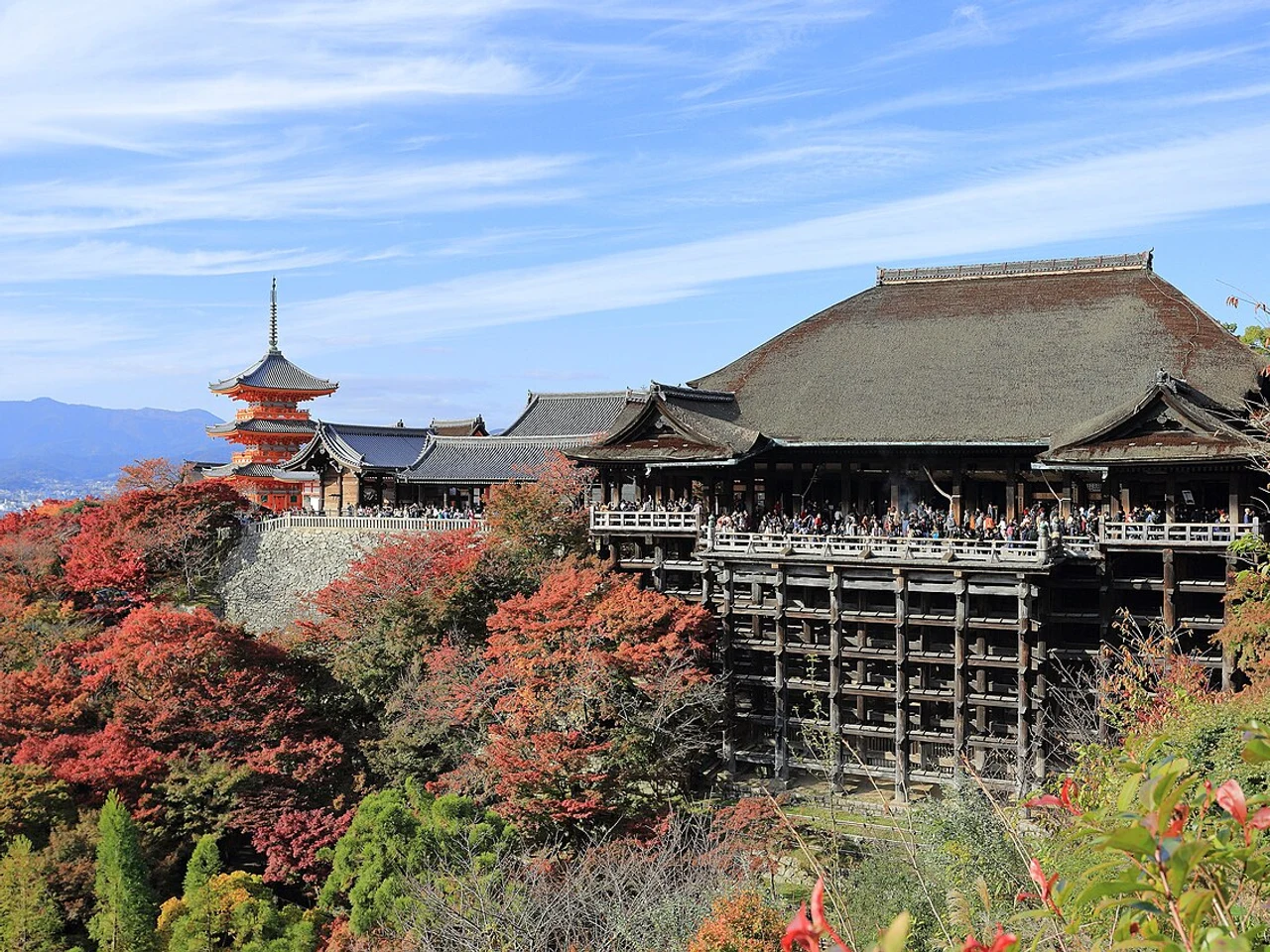
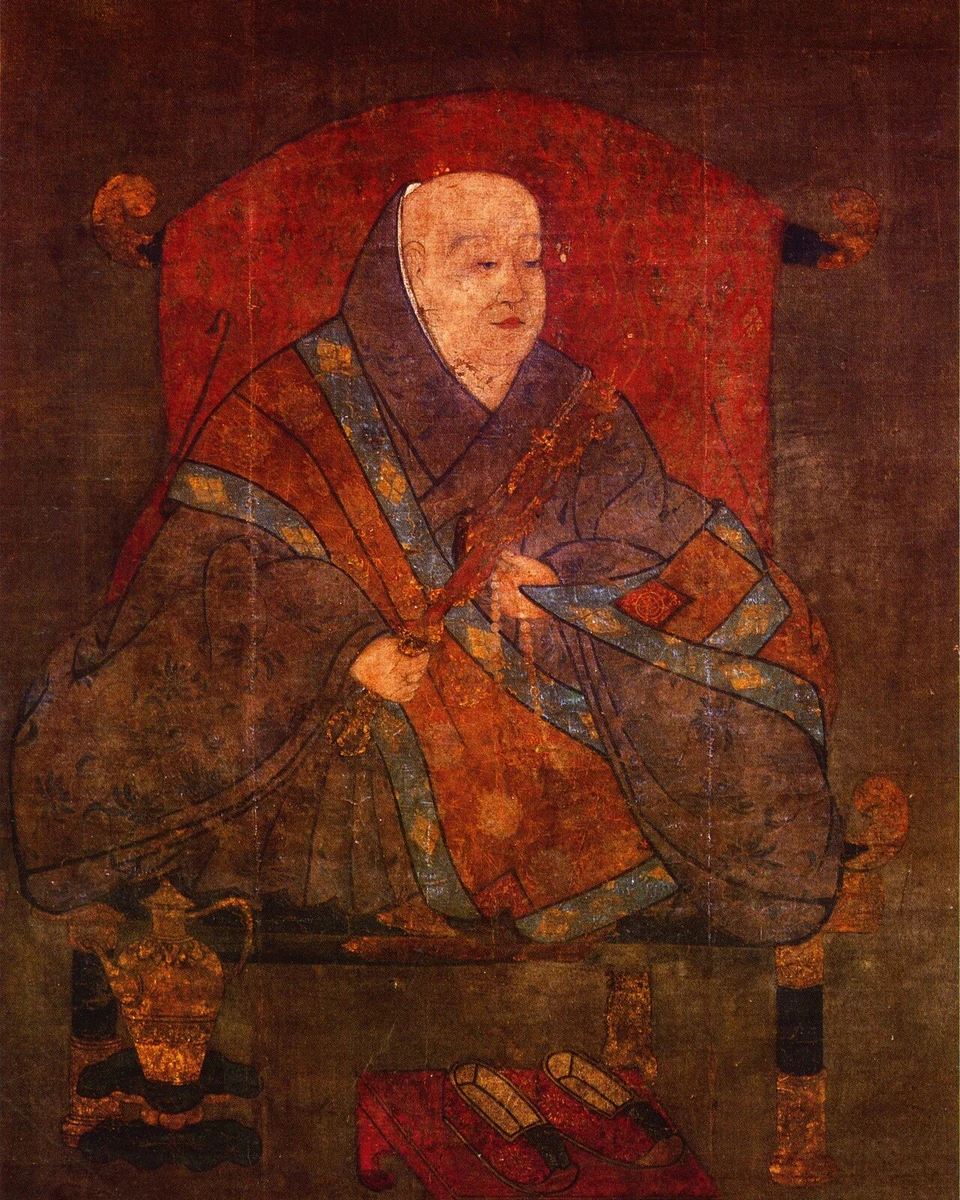
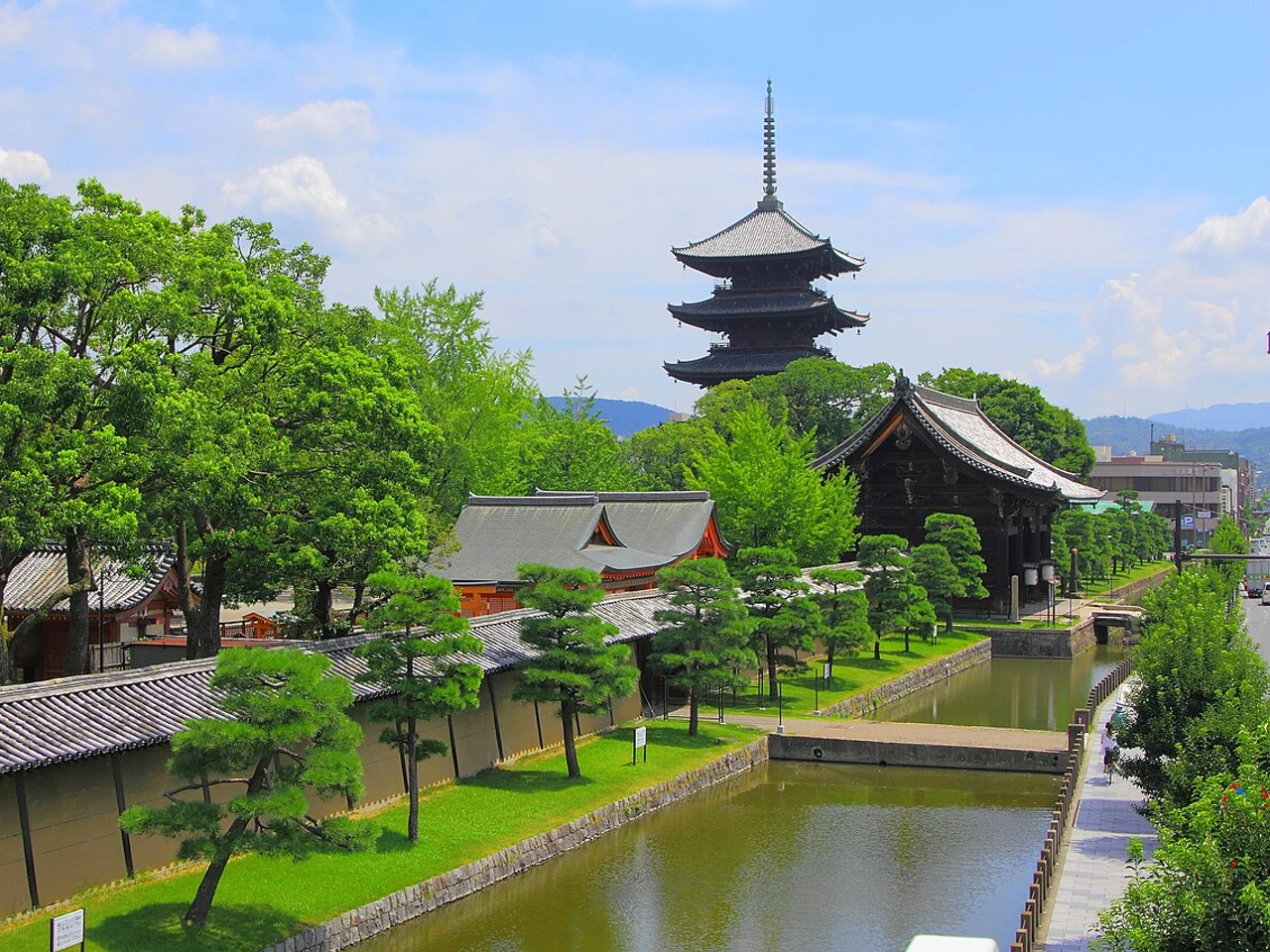
Founded in 796 CE as one of only two temples permitted in the original Heian capital, Tō-ji was later gifted to Kōbō Daishi (Kūkai), the founder of Shingon Esoteric Buddhism. Its commanding 54.8-meter five-story wooden pagoda is the tallest in Japan, serving as an enduring symbol of Kyoto's spiritual skyline.
Key Benchmarks & Specifications
Standing#7 ContenderLocation1994Traveler EdgeFounded in 796 CE as one of only two templesPrimary Sourceonline.bunka.go.jpEditorial Strengths & Watchouts
+ Strengths / Pros
- +tallest historical wooden pagoda in Japan with stunning night illuminations
- +Kondo and Kodo halls house an awe-inspiring three-dimensional mandala of 21 Buddhist statues
- +legendary 21st-of-the-month antique and street food flea market
− Watchouts / Trade-Offs
- −located south of Kyoto Station away from the main eastern sightseeing clusters
- −interior of the pagoda is only open during rare special exhibition windows
Eligibility & Access
- Best for travelers interested in Shingon Esoteric Buddhism, antique flea market lovers, and photographers
Key Caveats to Verify
- Often overlooked by tourists rushing to eastern Kyoto, though very easily accessible on foot from Kyoto Station
صوّت: Should Kiyomizu-dera move higher than #7, or drop lower in the live community ranking?
Citations & Details· 1 sourceProfile
Saihō-ji, popularly known as Kokedera, is an ethereal Zen temple in southwestern Kyoto famous for its magical two-tiered garden carpeted in over 120 varieties of vibrant green moss. To preserve its delicate ecosystem, visitors must register in advance and participate in Zen Buddhist sutra copying before entering the garden.
Key Benchmarks & Specifications
Standing#8 ContenderLocation1994Traveler EdgeSaihō-ji, popularly known as Kokedera, isPrimary Sourceonline.bunka.go.jpEditorial Strengths & Watchouts
+ Strengths / Pros
- +dreamlike, emerald-green moss carpet creating one of the most serene environments on Earth
- +strict reservation quota guarantees an uncrowded, peaceful visit
- +participation in meditative heart sutra calligraphy (shakyo) before garden walk
− Watchouts / Trade-Offs
- −highest admission price among Kyoto temples (4,000 JPY)
- −requires advance online application and rigid scheduled time slot
Eligibility & Access
- Best for contemplative travelers, botanical enthusiasts, and visitors seeking intimate spiritual respite from mass tourism
Key Caveats to Verify
- Kneeling during the sutra copying ceremony can be uncomfortable for those with joint issues (chairs available upon request)
صوّت: Should Kamomioya-jinja (Shimogamo Shrine) move higher than #8, or drop lower in the live community ranking?
Citations & Details· 1 sourceProfile
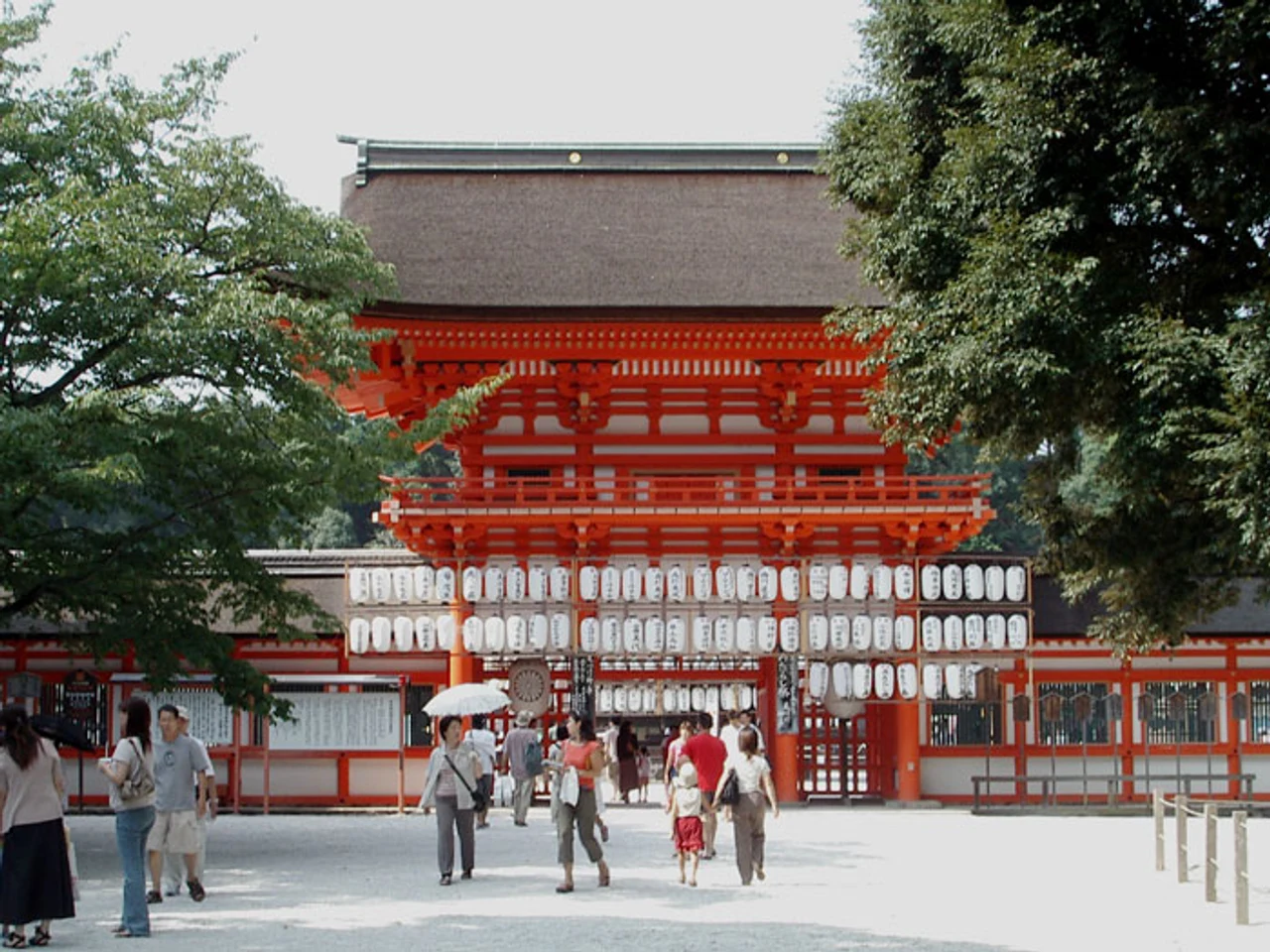
Situated at the confluence of the Kamo and Takano rivers, Shimogamo Shrine is one of the oldest Shinto shrines in Japan, dating back to at least the 6th century. Surrounded by the ancient Tadasu no Mori (Forest of Truth), a 124,000-square-meter virgin primeval woodland, it preserves ancient court ritual traditions.
Key Benchmarks & Specifications
Standing#9 ContenderLocation1994Traveler EdgeSituated at the confluence of the KamoPrimary Sourceonline.bunka.go.jpEditorial Strengths & Watchouts
+ Strengths / Pros
- +peaceful approach through a primeval sacred forest with centuries-old trees
- +free admission to main shrine grounds
- +rich living Shinto ceremonial heritage, including the ancient Aoi Matsuri festival
− Watchouts / Trade-Offs
- −understated Shinto architectural aesthetic may feel modest compared to ornate Buddhist golden pavilions
- −located slightly north of central shopping districts
Eligibility & Access
- Best for travelers seeking authentic Shinto forest immersion, spiritual forest bathing, and ancient Japanese court history
Key Caveats to Verify
- Fewer English informational plaques compared to major tourist temples
صوّت: Should Ninna-ji move higher than #9, or drop lower in the live community ranking?
Citations & Details· 1 sourceProfile
The northern twin of Shimogamo Shrine, Kamigamo Shrine honors the deity of thunder and was established to protect the ancient capital from evil directions. The shrine features two striking conical sand mounds (tatezuna) that symbolize the sacred mountains where the deity descended, predating Zen rock garden aesthetics.
Key Benchmarks & Specifications
Standing#10 ContenderLocation1994Traveler EdgeThe northern twin of Shimogamo ShrinePrimary Sourceonline.bunka.go.jpEditorial Strengths & Watchouts
+ Strengths / Pros
- +magnificent wide sacred grounds with pure streams running through the forest
- +unique cone-shaped sacred sand mounds that served as the design ancestor to Zen sand gardens
- +tranquil atmosphere largely untouched by mass foreign tour bus groups
− Watchouts / Trade-Offs
- −northernmost location among Kyoto UNESCO sites requires longer bus transit
- −special inner shrine viewings are restricted during ceremonial dates
Eligibility & Access
- Best for cultural travelers seeking quiet Shinto sacred spaces and ancient purification rituals
Key Caveats to Verify
- Limited restaurant and shopping options in the surrounding residential neighborhood
صوّت: Should Kyo-o-gokoku-ji (To-ji) move higher than #10, or drop lower in the live community ranking?
هل لديك فكرة تصنيف؟
ابدأ قائمتك الخاصة بمساعدة الذكاء الاصطناعي مجاناً.
أنشئ قائمة بالذكاء الاصطناعي ←Crown Grid · Top 10 Snapshot
هل يتجاوز معبد كينكاكو-جي الذهبي منافسه ضريح كاميغامو؟ أهم 10 معالم تاريخية في كيوتو القديمة
| Rank | Contender | Key Fact |
|---|---|---|
| #1 | Kamowakeikazuchi-jinja (Kamigamo Shrine) | Kamowakeikazuchi-jinja (Kamigamo Shrine) holds Rank #1 on Kamowakeikazuchi-jinja vs. Rokuon-ji? |
| #2 | Rokuon-ji (Kinkaku-ji) | Officially named Rokuon-ji, the world-famous Golden Pavilion is a Zen Buddhist temple whose top two |
| #3 | Enryaku-ji | Built in 1603 by Tokugawa Ieyasu, the founder of the Tokugawa Shogunate, Nijō Castle stands as |
| #4 | Daigo-ji | Built by Shogun Ashikaga Yoshimasa as a mountain retreat inspired by his grandfather's Golden |
| #5 | Nijo-jo (Nijo Castle) | Belonging to the Myōshin-ji school of Rinzai Zen Buddhism, Ryōan-ji contains the world's most |
| #6 | Kozan-ji | Located in western Kyoto's Arashiyama district, Tenryū-ji ("Temple of the Heavenly Dragon") is |
| #7 | Kiyomizu-dera | Founded in 796 CE as one of only two temples permitted in the original Heian capital, Tō-ji was |
| #8 | Kamomioya-jinja (Shimogamo Shrine) | Saihō-ji, popularly known as Kokedera, is an ethereal Zen temple in southwestern Kyoto famous |
| #9 | Ninna-ji | Situated at the confluence of the Kamo and Takano rivers, Shimogamo Shrine is one of the oldest |
| #10 | Kyo-o-gokoku-ji (To-ji) | The northern twin of Shimogamo Shrine, Kamigamo Shrine honors the deity of thunder and was |
Think something was robbed of a spot?
Nominate a missing contender — once approved, the community votes it up or down into the rankings.
منهجية التصنيف ومعايير المقارنة
يعتمد هذا التصنيف على مقارنة المعايير العملية الموثقة وتصويت القراء الفوري للمفاضلة بين Kamowakeikazuchi-jinja (Kamigamo Shrine) وRokuon-ji (Kinkaku-ji) وسائر المتنافسين.
Image credits
- Kamowakeikazuchi-jinja (Kamigamo Shrine): Verified Dark-Plate Key Art
- Rokuon-ji (Kinkaku-ji): Verified Dark-Plate Key Art
- Enryaku-ji: Verified Dark-Plate Key Art
- Daigo-ji: Verified Dark-Plate Key Art
- Nijo-jo (Nijo Castle): Verified Dark-Plate Key Art
- Kozan-ji: Verified Dark-Plate Key Art
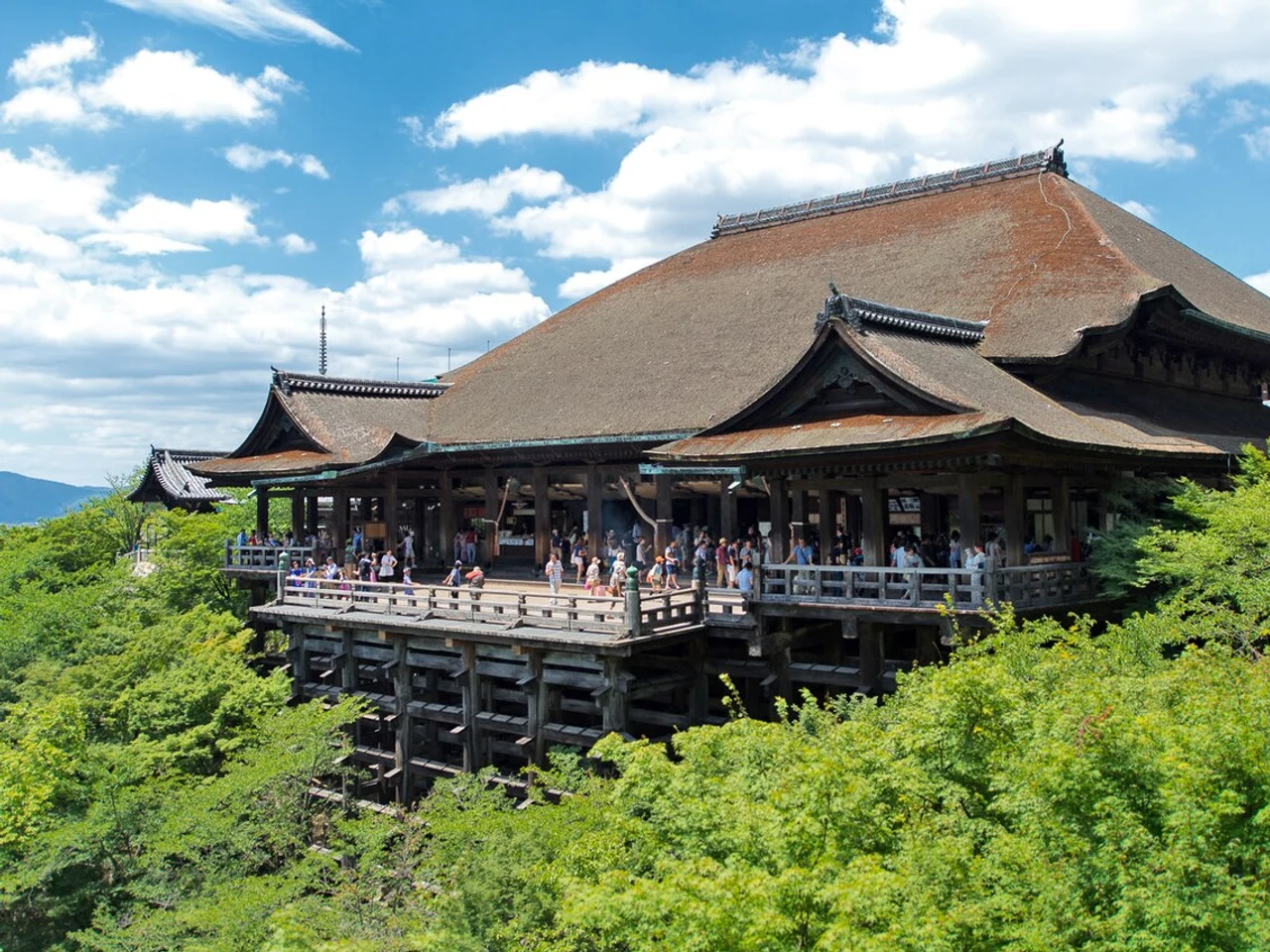
- Kiyomizu-dera: Verified Dark-Plate Key Art
- Kamomioya-jinja (Shimogamo Shrine): Verified Dark-Plate Key Art
- Ninna-ji: Verified Dark-Plate Key Art
- Kyo-o-gokoku-ji (To-ji): Verified Dark-Plate Key Art
Visual Ranking Infographic
Verified Infographic · Updated 2026-11-25هل يتجاوز معبد كينكاكو-جي الذهبي منافسه ضريح كاميغامو؟ أهم 10 معالم تاريخية في كيوتو القديمة — Visual Infographic

Interactive Ranking Mind Map
Core Identity: Foundational methodology, primary institutional citations, and scope rules behind هل يتجاوز معبد كينكاكو-جي الذهبي منافسه ضريح كاميغامو؟ أهم 10 معالم تاريخية في كيوتو القديمة.
Inspect Primary Sources ↓هل يتجاوز معبد كينكاكو-جي الذهبي منافسه ضريح كاميغامو؟ أهم 10 معالم تاريخية في كيوتو القديمة — Ranking Mind Map

Rank it your way
Fork and customize this ranking with your own picks, or open the interactive play hub for Rank Scramble, Time Capsule predictions, and live game modes enabled for this list.