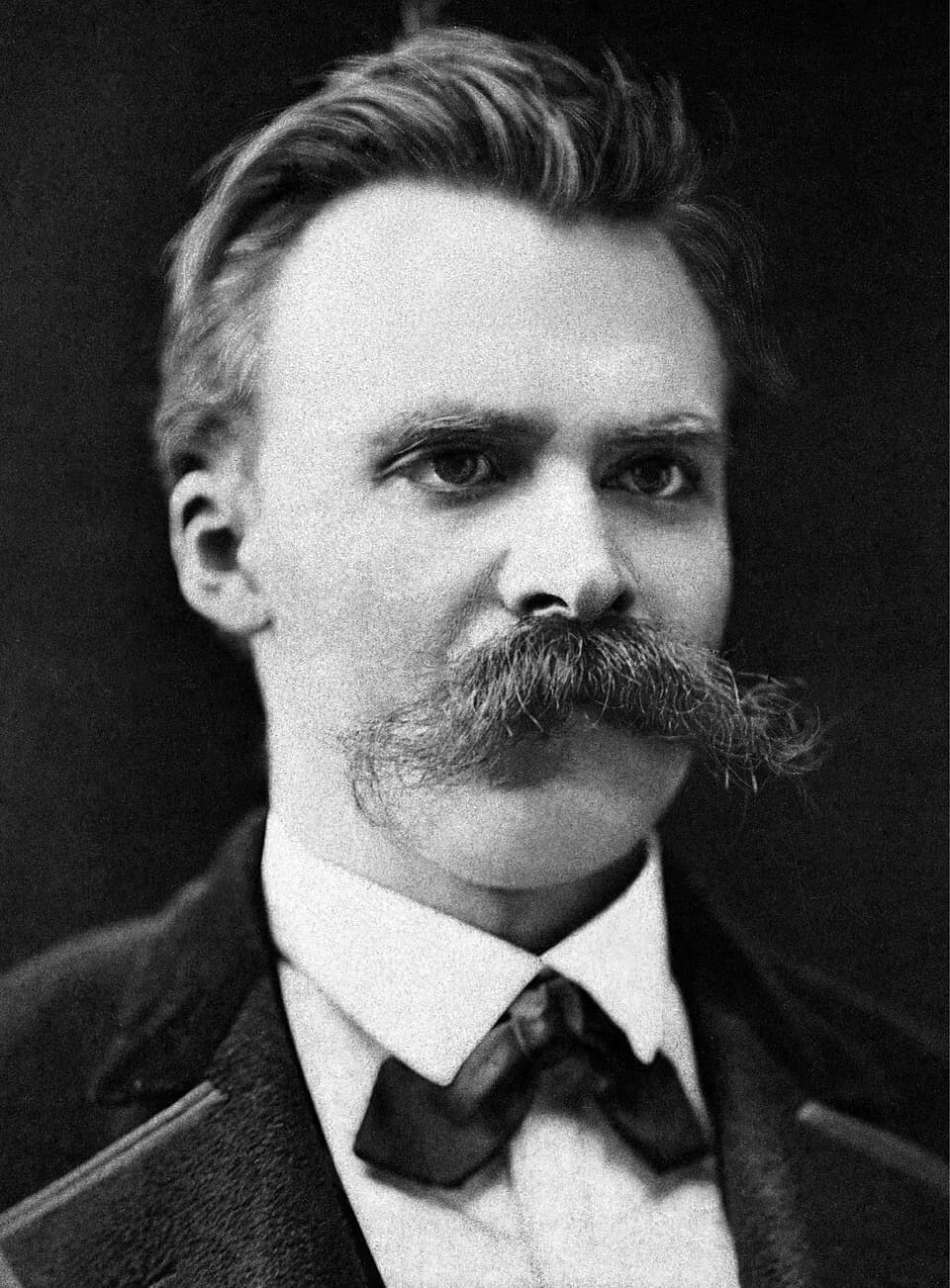
Friedrich Nietzsche
Musician1 list appearance
Core Identity: Friedrich Nietzsche was a German classical philologist, philosopher, and cultural critic who published intensively during the 1870s and 1880s Foundational Thesis: Diagnosing European modernity as entering a crisis of nihilism following the collapse of Christian authority ("God is dead"), Nietzsche proposed a genealogical revaluation of moral values, perspectival objectivity, and the affirmation of life (amor fati) Contemporary Significance: Grouped alongside Marx and Freud as a master of the "hermeneutics of suspicion," Nietzsche profoundly shaped existentialism, post-structuralism, depth psychology, and modern moral psychology 1844–1869 (Early Life & Basel Chair): Born in Röcken to a Lutheran minister (d. 1849); educated in Naumburg, Schulpforta, Bonn, and Leipzig; appointed Professor of Classical Philology at the University of Basel in May 1869 at age 24, the youngest ever named to such a post 1872–1878 (The Birth of Tragedy & Break with Wagner): Published The Birth of Tragedy (1872), sparking philological backlash from Ulrich von Wilamowitz-Möllendorff; broke with composer Richard Wagner after attending the 1876 Bayreuth Festival and publishing Human, All-Too-Human (1878) 1879–1888 (Independent Decade & Mature Works): Resigned his Basel professorship due to chronic illness in 1879; spent winters in Italy and summers in Sils Maria, Switzerland, producing The Gay Science (1882), Thus Spoke Zarathustra (1883–1885), Beyond Good and Evil (1886), and On the Genealogy of Morality (1887)
1-Tap Primary Ranking Ballot
Overview#5 Full List
Does Friedrich Nietzsche deserve the #5 spot on “Top 10 Most Influential Philosophers of All Time”?
#5 Friedrich Nietzsche?
Verified Entity DossierRanked #5 in Top 10 Most Influential Philosophers of All Time
Community Weigh-In & Debate
Should Friedrich Nietzsche rank higher than #5 in Most Influential Philosophers of All Time?
Ranked #5 on "Top 10 Most Influential Philosophers of All Time". Cast your vote to back or challenge this spot.
Be the first to vote on this ranking.
Structured Facts & Specifications
Verified highlightsEntity ID
person-friedrich-nietzsche
Canonical Name
Friedrich Wilhelm Nietzsche
Lifespan & Origin
Born October 15, 1844, Röcken, Saxony, Prussia; died August 25, 1900, Weimar, Germany
Ontology Node Type
person
Ontology Subclass
Philosopher / Classical Philologist / Cultural Critic
Schema.org / Domain Tags
schema:Person, ContinentalPhilosophy, Perspectivism, Existentialism, ClassicalPhilology
Digital Footprint & Archival Hubs
Stanford Encyclopedia of Philosophy (https://plato.stanford.edu/entries/nietzsche/), Encyclopaedia Britannica (https://www.britannica.com/biography/Friedrich-Nietzsche), Wikidata
Appears in 1 lists

Frequently Ranked Alongside Friedrich Nietzsche
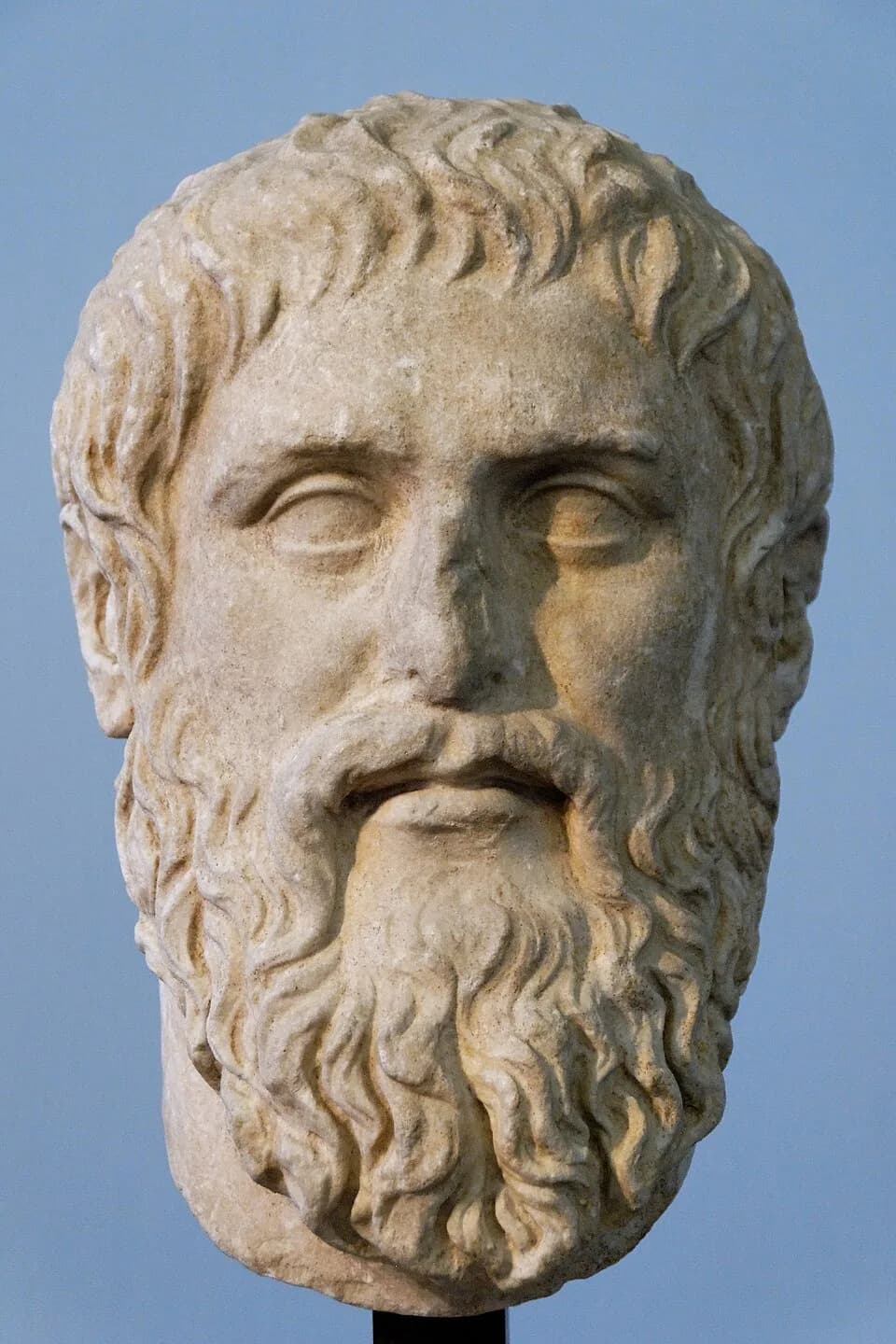
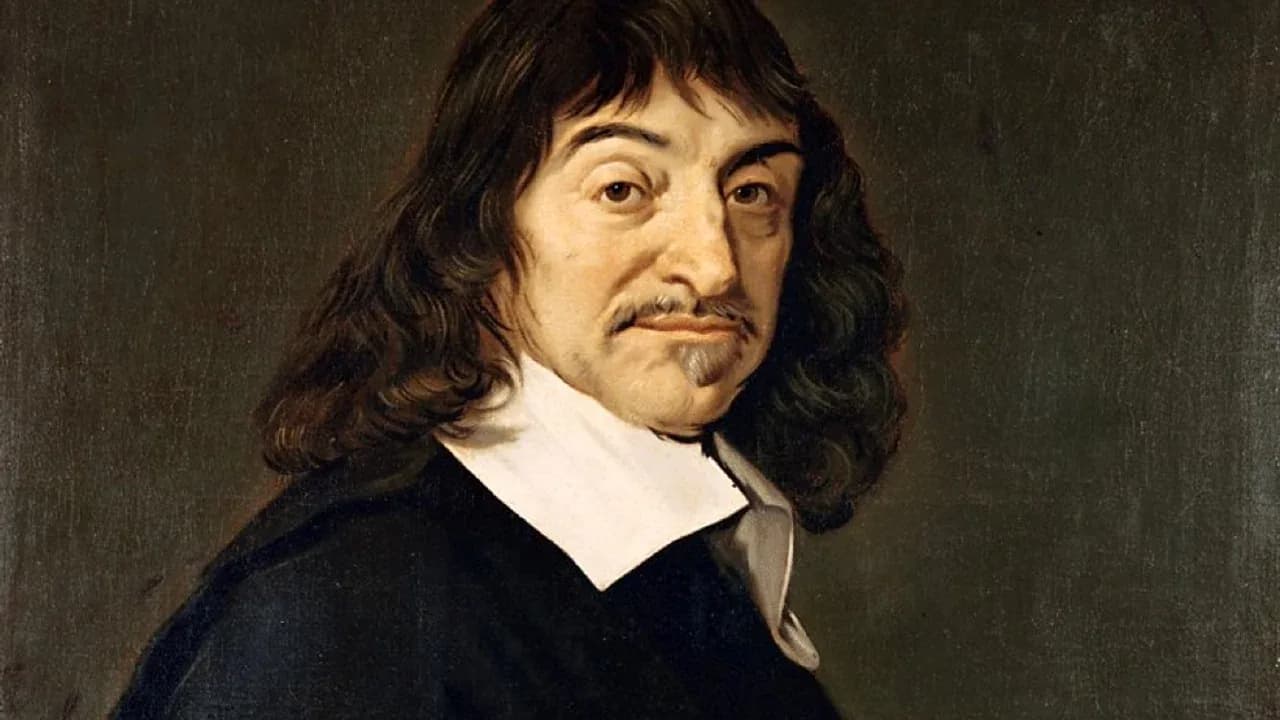
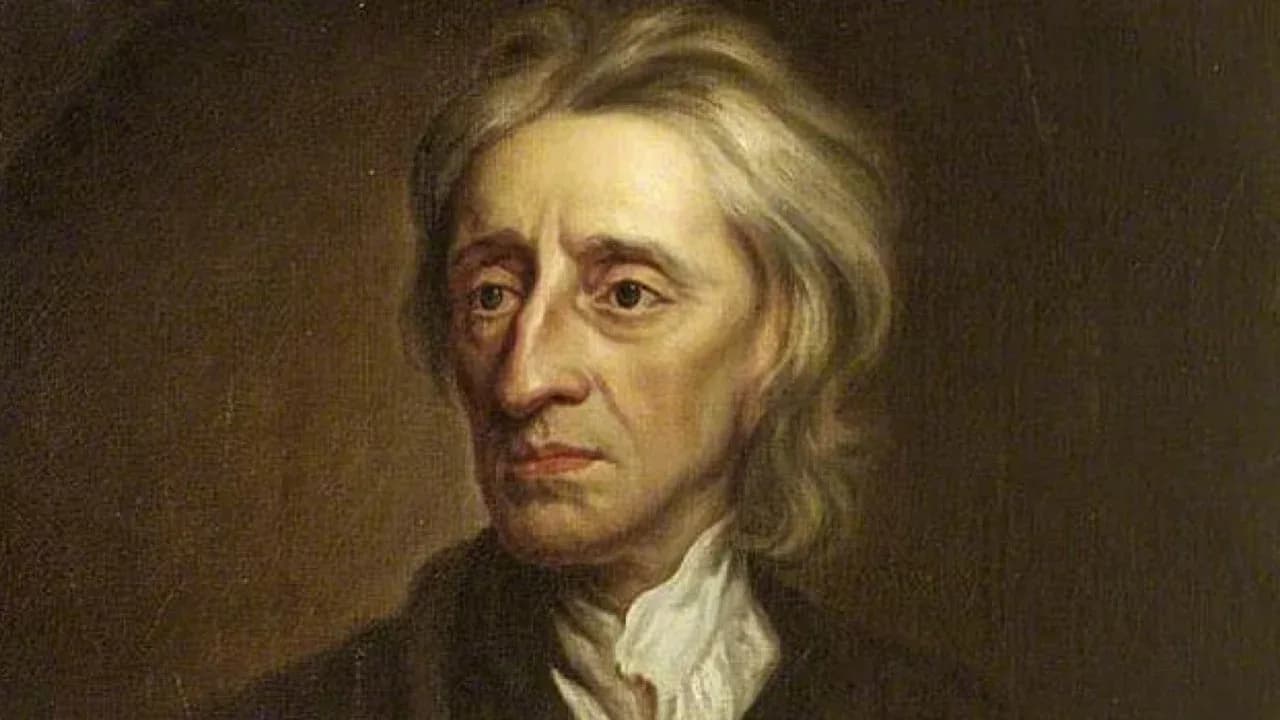
More People Lists
6
Top 10 Korean Female Solo Artists 2026
10 items

Top 12 Emerging Music Artists Dominating 2026
12 items

Top 10 Greatest Rappers of All Time
10 items

Taylor Swift vs. Drake? Top 10 Most Streamed Artists of All Time on Spotify (2026)
10 items

The Grateful Dead Vault: The Band's Most-Relived Concerts
10 items

Top 10 Best EDM Artists
10 items