Chichen Itza
Destination4 list appearances
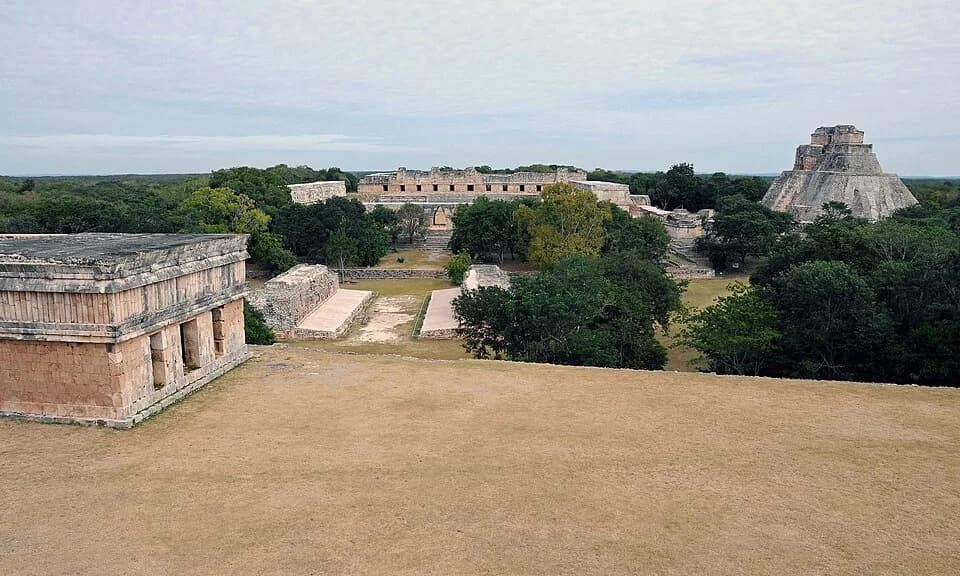
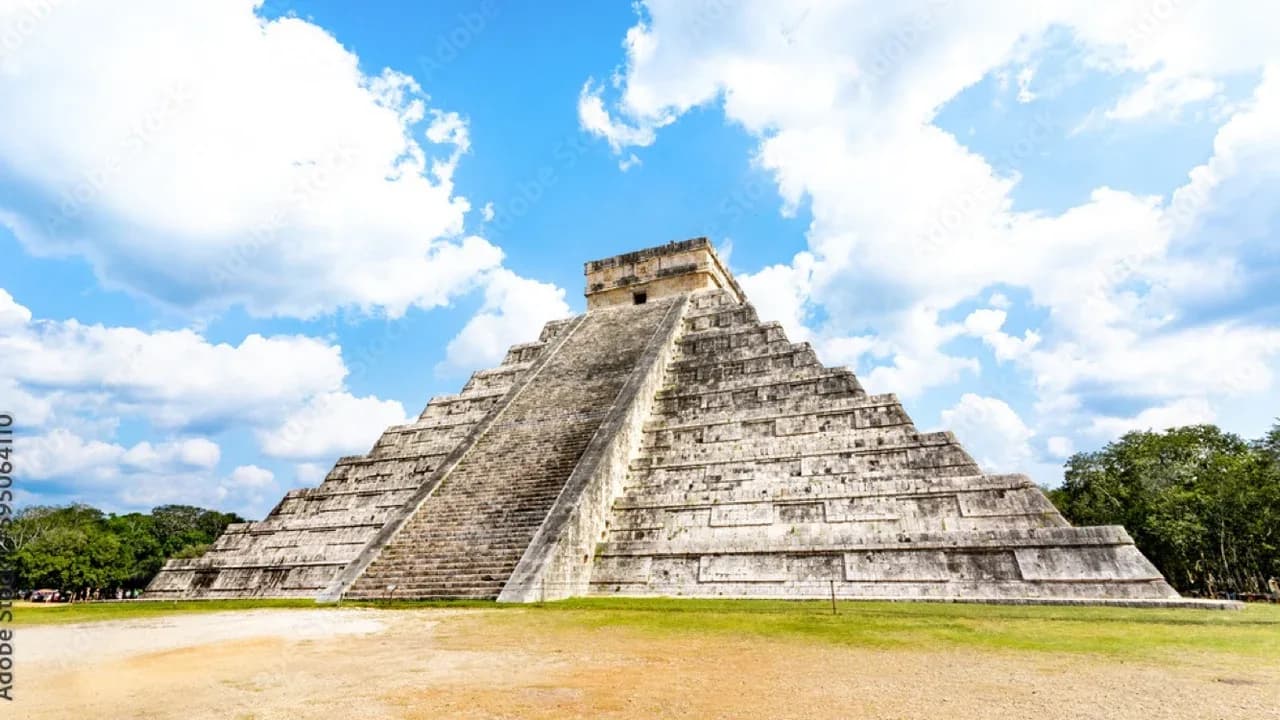
Historical Identity: Chichén Itzá was one of the greatest Maya urban and ceremonial centers of the Yucatán Peninsula and the capital of a vast territory led by the League of Mayapán (987–1200 CE) Core Thesis: Its monumental architecture—fusing Maya construction techniques with central Mexican Toltec influences—operates as a precision astronomical instrument aligning civic power with solar equinoxes and Venus cycles Archaeoastronomical Engineering: At each equinox, sunlight on the western balustrade of El Castillo (Temple of Kukulcán, 24 m high, 55.5 m wide) projects seven triangles of light forming a descending serpent; El Caracol's circular observatory tracks Venus Monumental Ensemble: Key structures include the Temple of Kukulcán, Great Ball Court, Temple of the Warriors, Group of a Thousand Columns, and Sacred Cenote
1-Tap Primary Ranking Ballot
Overview#1 Full List
Does Chichen Itza deserve the #1 spot on “Top 10 Yucatan Sights for 2026: Must-See Maya Ruins, Cenotes & Colonial Cities”?
#1 Chichen Itza?
Verified Entity DossierRanked #1 in Top 10 Yucatan Sights for 2026: Must-See Maya Ruins, Cenotes & Colonial Cities
Best Rank
#1
top 3 in 2 lists
Avg Position
#4
across 4 lists
Community
Divisive Pick
ranked #1 to #7
Most divisive on “Top 10 Greatest Ancient Architectural Wonders” — ranked #7 thereStrongest in Travel — avg #3 across 3 lists
Community Weigh-In & Debate
Should Chichen Itza rank Top 3 in Yucatan Sights for 2026?
Ranked #1 on "Top 10 Yucatan Sights for 2026: Must-See Maya Ruins, Cenotes & Colonial Cities". Cast your vote to back or challenge this spot.
Be the first to vote on this ranking.
Most Argued About
“Top 10 Greatest Ancient Architectural Wonders”
Ranks as high as #1 on some lists — but only #7 here. Fans are divided.
See the debate →The Internet's Surprise Pick
“Top 10 Yucatan Sights for 2026: Must-See Maya Ruins, Cenotes & Colonial Cities”
Climbed to #1 — a narrowly contested win.
See the full ranking →Frequently Asked Questions
What is Chichen Itza's highest community ranking?⌄
Chichen Itza is ranked #1 on "Top 10 Yucatan Sights for 2026: Must-See Maya Ruins, Cenotes & Colonial Cities" — its best placement across 4 lists on top10grid.com.
How many top-10 lists feature Chichen Itza?⌄
Chichen Itza appears in 4 lists on top10grid.com, spanning categories including TRAVEL, LIFESTYLE.
Is Chichen Itza a controversial ranking?⌄
Yes — community opinion on Chichen Itza varies widely. It ranks as high as #1 on some lists and as low as #7 on others, a spread of 6 positions, making it one of the more debated picks on top10grid.com.
What category is Chichen Itza most known for on top10grid.com?⌄
Chichen Itza appears most frequently in the TRAVEL category, most notably in "Top 10 Yucatan Sights for 2026: Must-See Maya Ruins, Cenotes & Colonial Cities".
What the internet says
Structured Facts & Specifications
Verified highlightsLocation
Federal Highway No. 180, Km 120, Pisté, Tinúm, Yucatán, Mexico (CP 97750)
lugares.inah.gob.mxOfficial lugares.inah.gob.mx ↗
Unesco World Heritage Inscription
Inscribed 1988 ("Pre-Hispanic City of Chichen-Itza")
inah.gob.mxOfficial inah.gob.mx ↗
Official Website
inah.gob.mxOfficial Website ↗
Chronology
525–1200 CE (primary florescence in Early Postclassic 900–1200 CE)
inah.gob.mxOfficial inah.gob.mx ↗
2025 Annual Visitors
~2,182,034 visitors (average 5,978/day)
roadgenius.comOfficial roadgenius.com ↗