Nicor / CC BY-SA 3.0 via Wikimedia Commons
Camp Nou, Wembley or Azteca? Top 10 Largest Soccer Stadiums
Top 10 Largest Soccer Stadiums in the World (2026): picked and ranked by our editors, and open to your votes. How we ranked this: The ranking uses published seating capacity as the decisive metric, with figures checked against stadium references and the current published global association-football stadium list. Seating capacity receives 0.97 of the ranking weight, while opening year receives 0.02 and football-use status receives 0.01. Scores are relative 0-10 scores within these 10 entries, calculated from verified values in the set. Higher capacity and newer opening year score higher; football-use status receives a binary score. Top10Grid checked every figure and name against the pages cited for each entry and removed anything those pages did not support. Sources: en.wikipedia.org, fcbarcelona.com, fifa.com. — Top10Grid Sports Fan Club · Reviewed by Max Rankin
Top10Grid lets the community re-rank anything — this order comes from source research for now; use the buttons below to vote it up or down.
Camp Nou, Wembley or Azteca? Top 10 Largest Soccer Stadiums
Current Rankings
- –
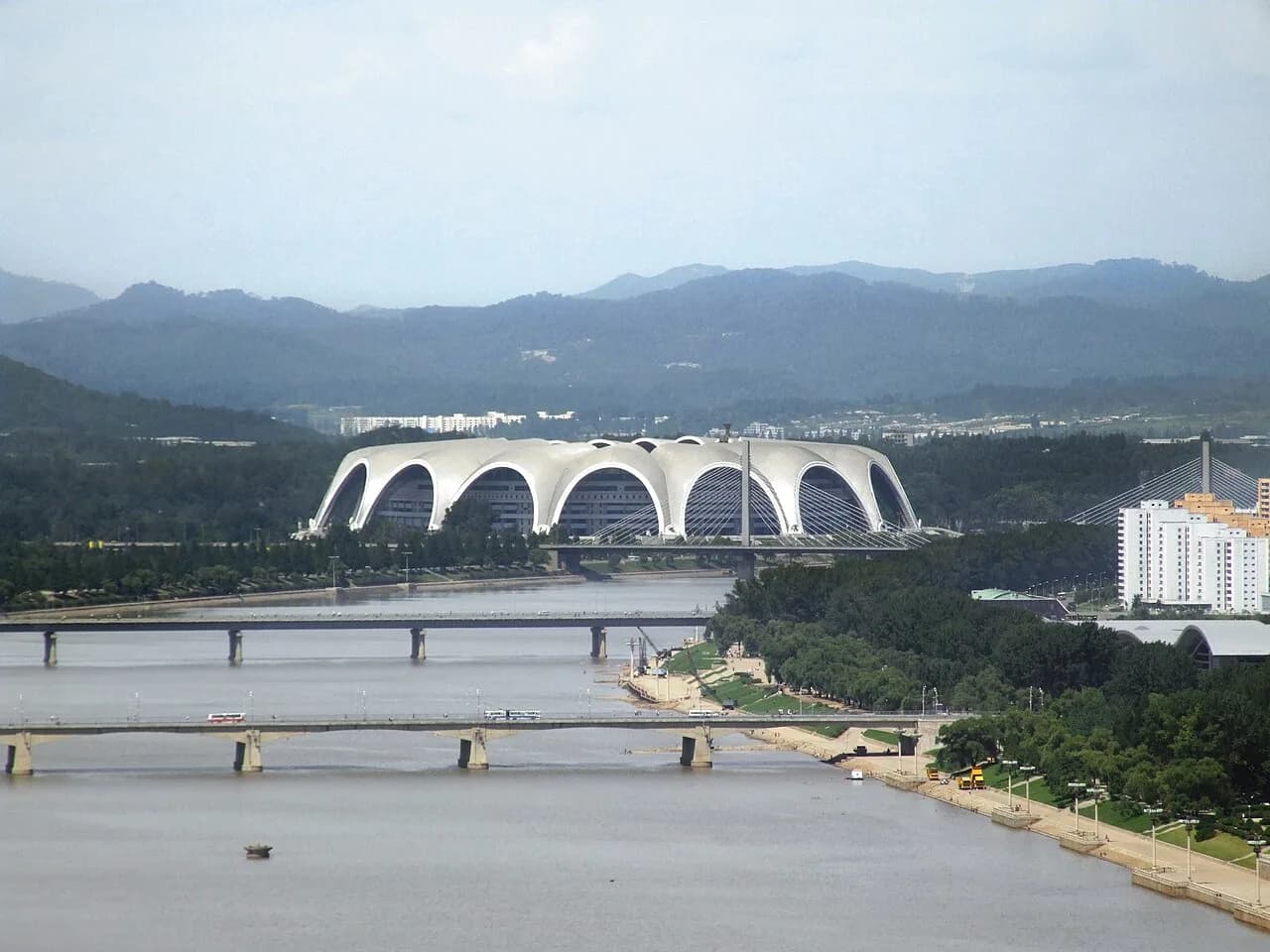
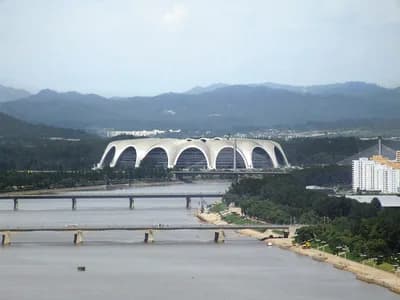
Rungrado 1st of May Stadium in Pyongyang is listed with 113,281 seats. The stadium opened on 1 May 1989 and is listed with a seating capacity of 113,281 in the global association-football stadium table. Its scale puts it well ahead of every other stadium in this comparison. It occupies an area of 20.7 hectares on the island Rŭngrado.
- –#2
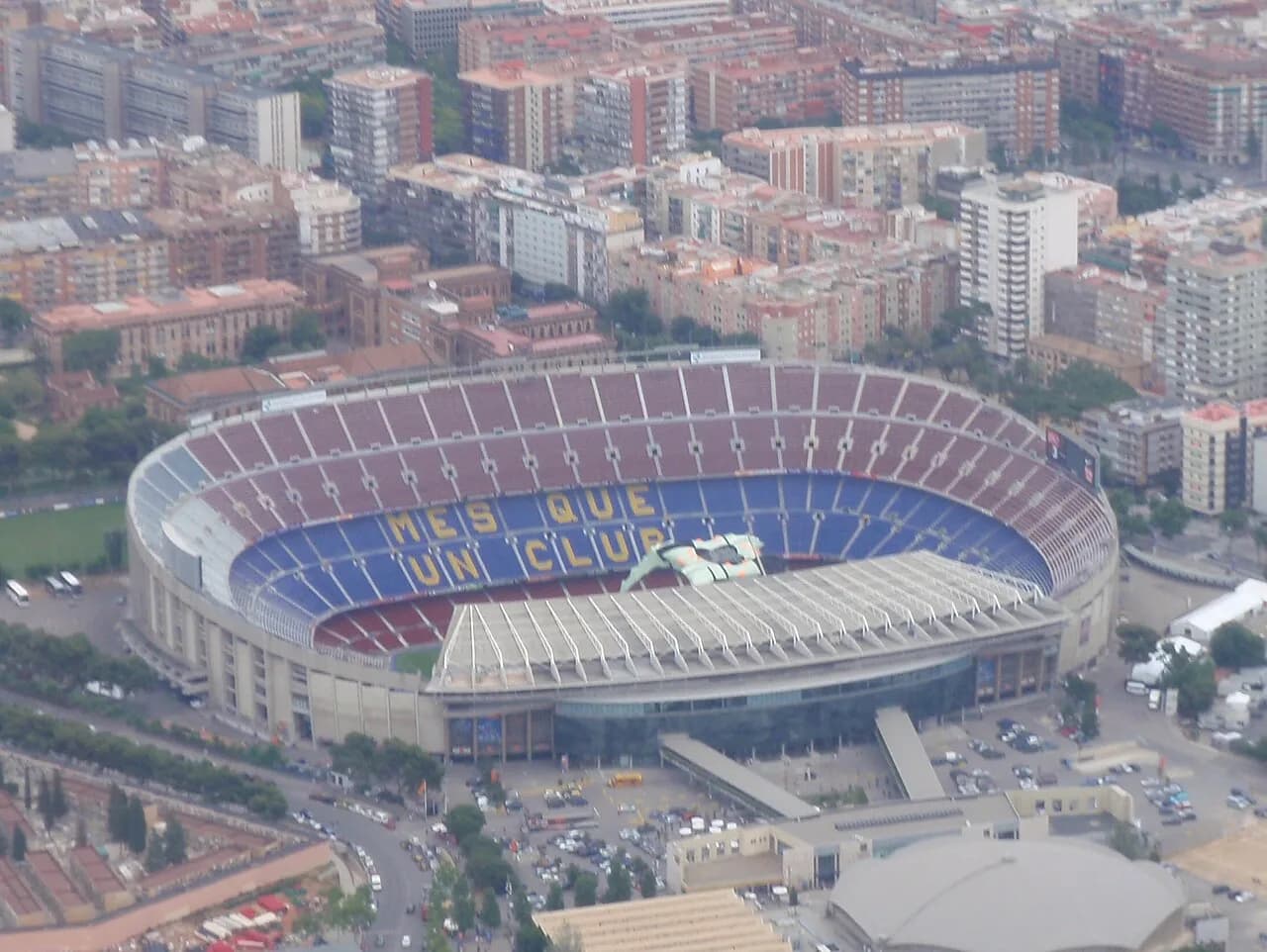
Camp Nou in Barcelona is listed at 99,354 seats by FC Barcelona. The stadium opened in 1957 and is undergoing a major redevelopment. Camp Nou is FC Barcelona's stadium in Barcelona, Spain. FC Barcelona's official facilities page lists a capacity of 99,354 and identifies it as the biggest stadium in Europe. The stadium opened in 1957 with an original capacity of 93,053. Its capacity was later expanded for the 1982 FIFA World Cup before subsequent regulations and renovations changed the seating arrangement. For this comparison, the published 99,354 figure is used consistently as the stadium-capacity metric. Its size makes it the second-largest entry in the selected set.
- –
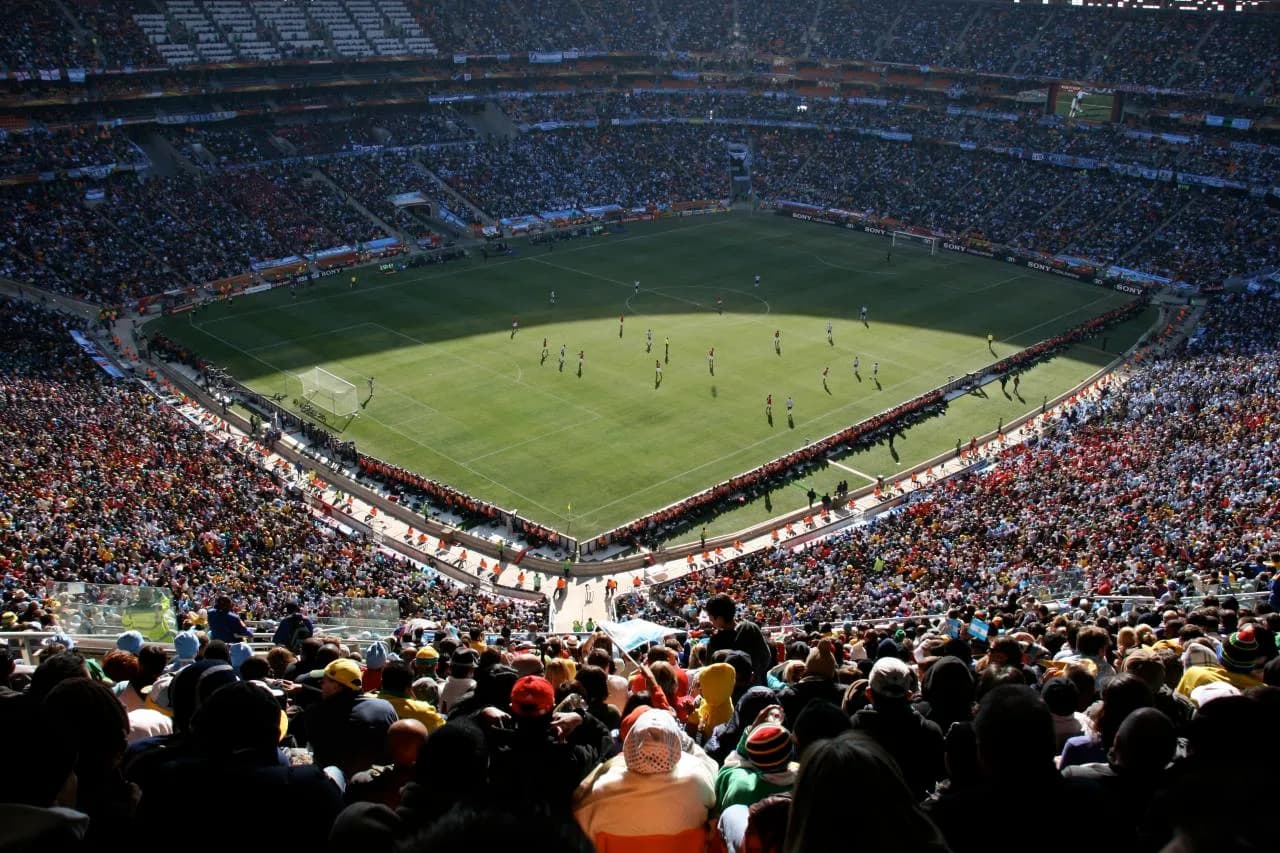
FNB Stadium in Johannesburg has a published seating capacity of 94,736. It opened in 1989 and was substantially redeveloped for the 2010 FIFA World Cup. FNB Stadium, also known as Soccer City or The Calabash, is located in Johannesburg, South Africa. The stadium opened in 1989 and was substantially redeveloped ahead of the 2010 FIFA World Cup. Its published seating capacity is 94,736. The venue is used for football by the South Africa national team and Kaizer Chiefs. It hosted the opening match and final of the 2010 FIFA World Cup, giving it a major place in modern international football history. The stadium's large capacity places it third in this comparison, behind Camp Nou and Rungrado 1st of May Stadium.
- –
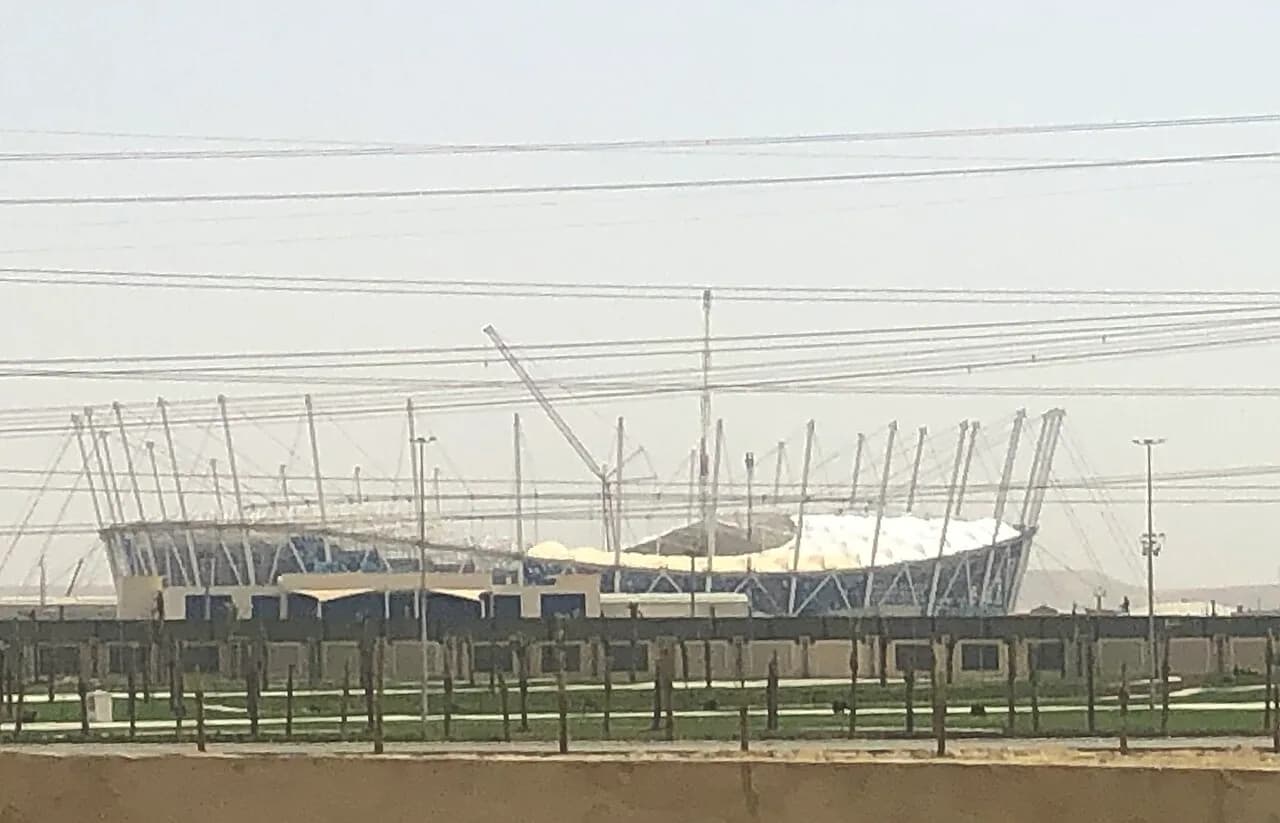
New Administrative Capital Stadium in Egypt is listed with 93,940 seats. It opened in 2024 and is part of Egypt's Olympic City sports complex. New Administrative Capital Stadium, also known as Misr Stadium, is located in Egypt's New Administrative Capital. The stadium opened in 2024 and has a published capacity of 93,940. It forms part of the Egypt International Olympic City sports complex and is designed to host major football and athletics events. The combination of very large capacity and recent construction makes it one of the most notable newer entries in this ranking.
- –
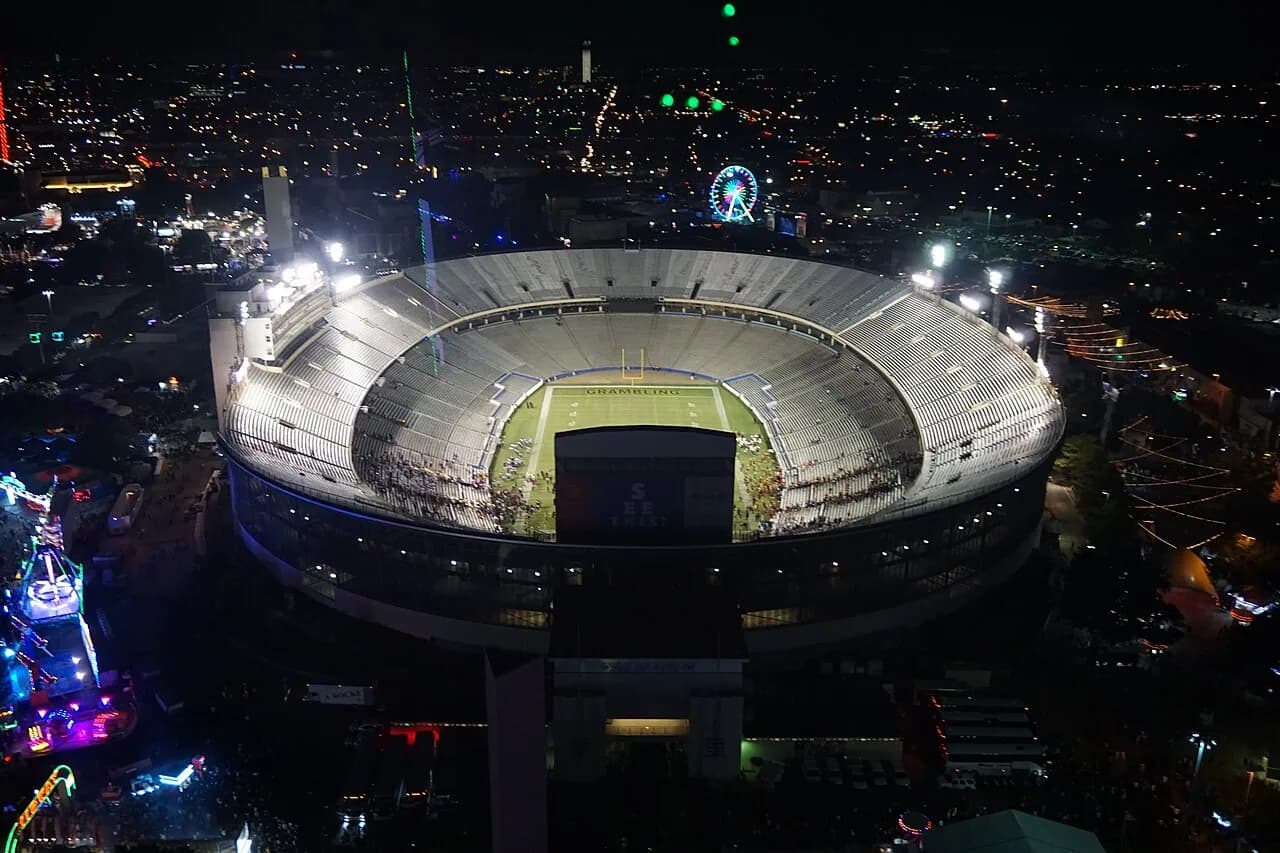
Cotton Bowl Stadium in Dallas is listed at 92,100 seats. It opened in 1930 and has hosted association football as well as American football. Cotton Bowl Stadium is located in Fair Park in Dallas, Texas. The stadium opened in 1930 and has a published seating capacity of 92,100. Although it is strongly associated with American football, the venue has also hosted association football, including FIFA World Cup matches in 1994. Its inclusion in global soccer-stadium rankings therefore reflects its ability to host association football at a very large scale. Its 92,100-seat capacity puts it fifth in this comparison, between New Administrative Capital Stadium and Wembley Stadium.
- –
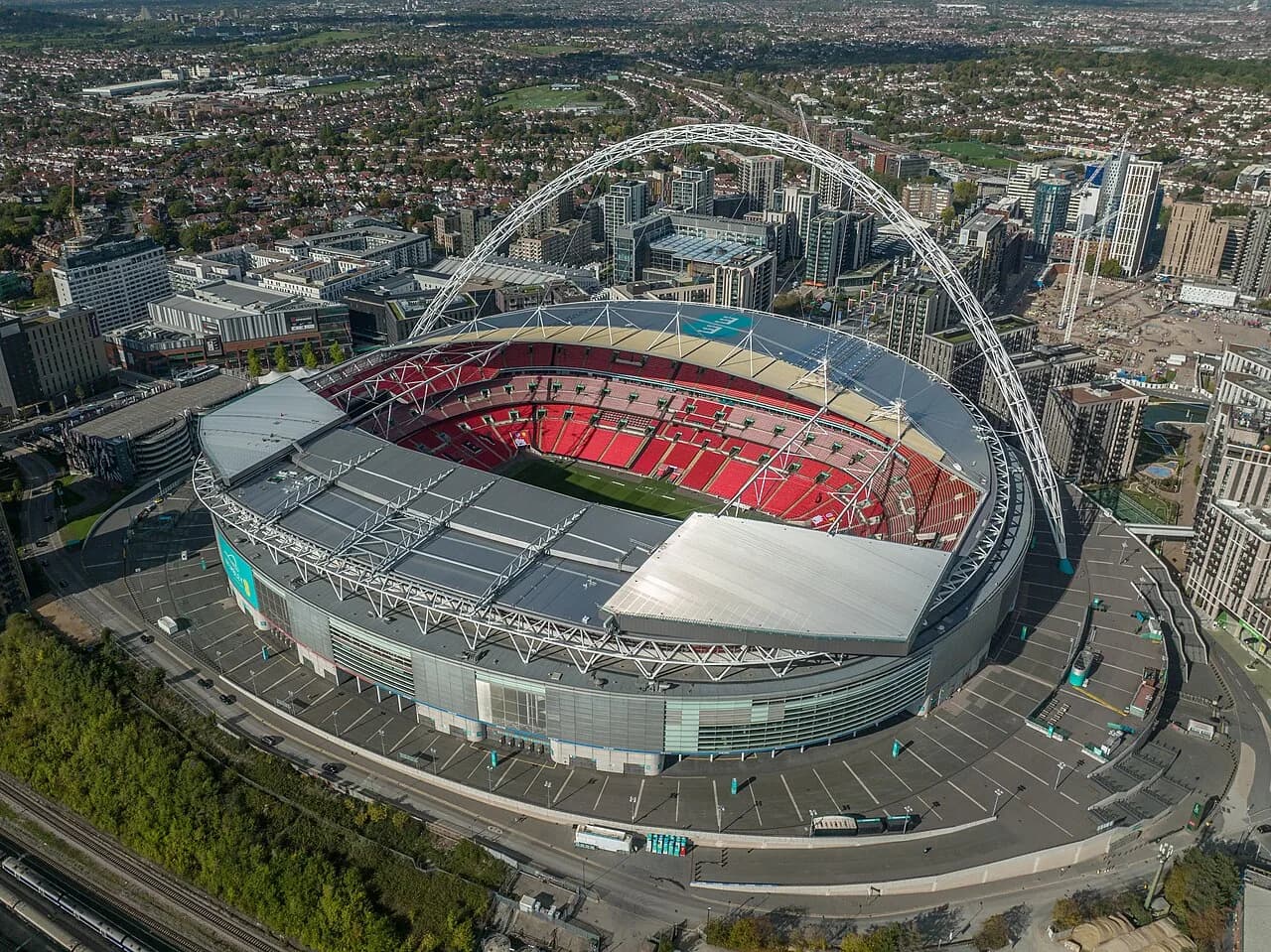
Wembley Stadium in London has 90,000 seats and is England's national football stadium. The current stadium opened in 2007. Wembley Stadium is England's national football stadium and is located in London. The current stadium opened in 2007 on the site of the original Wembley. It has a published seating capacity of 90,000 and hosts England national-team matches and major domestic football fixtures including the FA Cup Final. Wembley is one of the newer stadiums in the upper part of this list, having replaced the original Wembley as England's principal national football venue.
- –
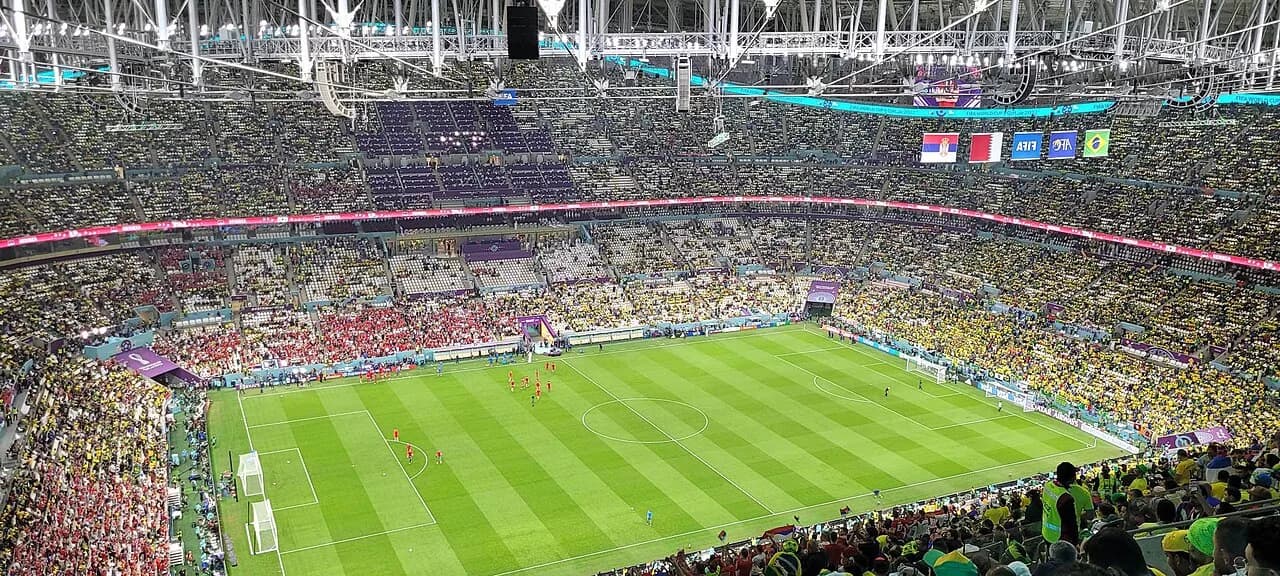
Lusail Stadium in Qatar has a published capacity of 88,966. It opened in 2021 and hosted the 2022 FIFA World Cup final. Lusail Stadium is located in Lusail, Qatar. The stadium opened in 2021 and has a published seating capacity of 88,966. It was built for the 2022 FIFA World Cup and hosted the tournament final on 18 December 2022. The stadium is also associated with the Qatar national football team.
- –
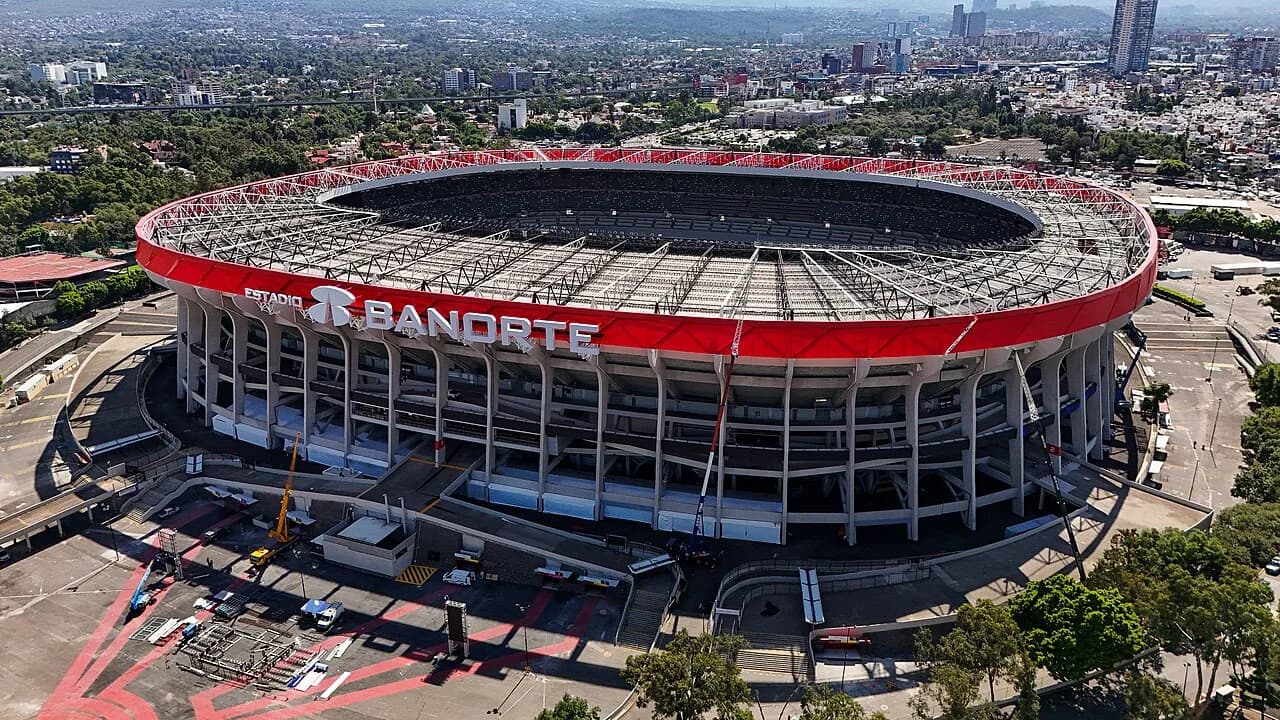
Estadio Azteca in Mexico City is listed at 87,523 seats. It opened in 1966 and has hosted FIFA World Cup matches across 3 editions. The stadium opened in 1966 and has a published capacity of 87,523 in the cited global stadium table. It hosted matches during the 1970 and 1986 FIFA World Cups and was again used during the 2026 World Cup. The venue is associated with the Mexico national team and Mexican club football.
- –
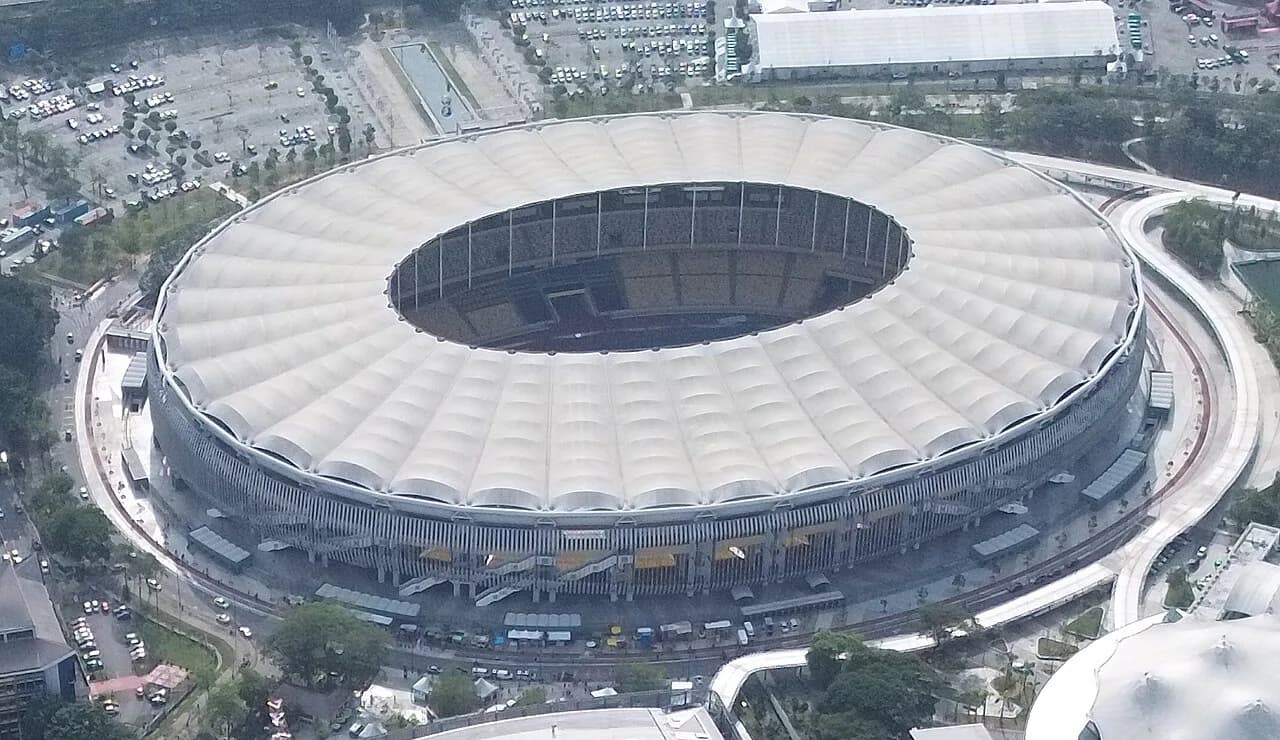
Bukit Jalil National Stadium in Kuala Lumpur is listed at 87,411 seats. It opened in 1998 and is used by the Malaysia national football team. The stadium opened in 1998 and has a published seating capacity of 87,411 in the cited association-football stadium table. It is the central venue at the National Sports Complex.
- –
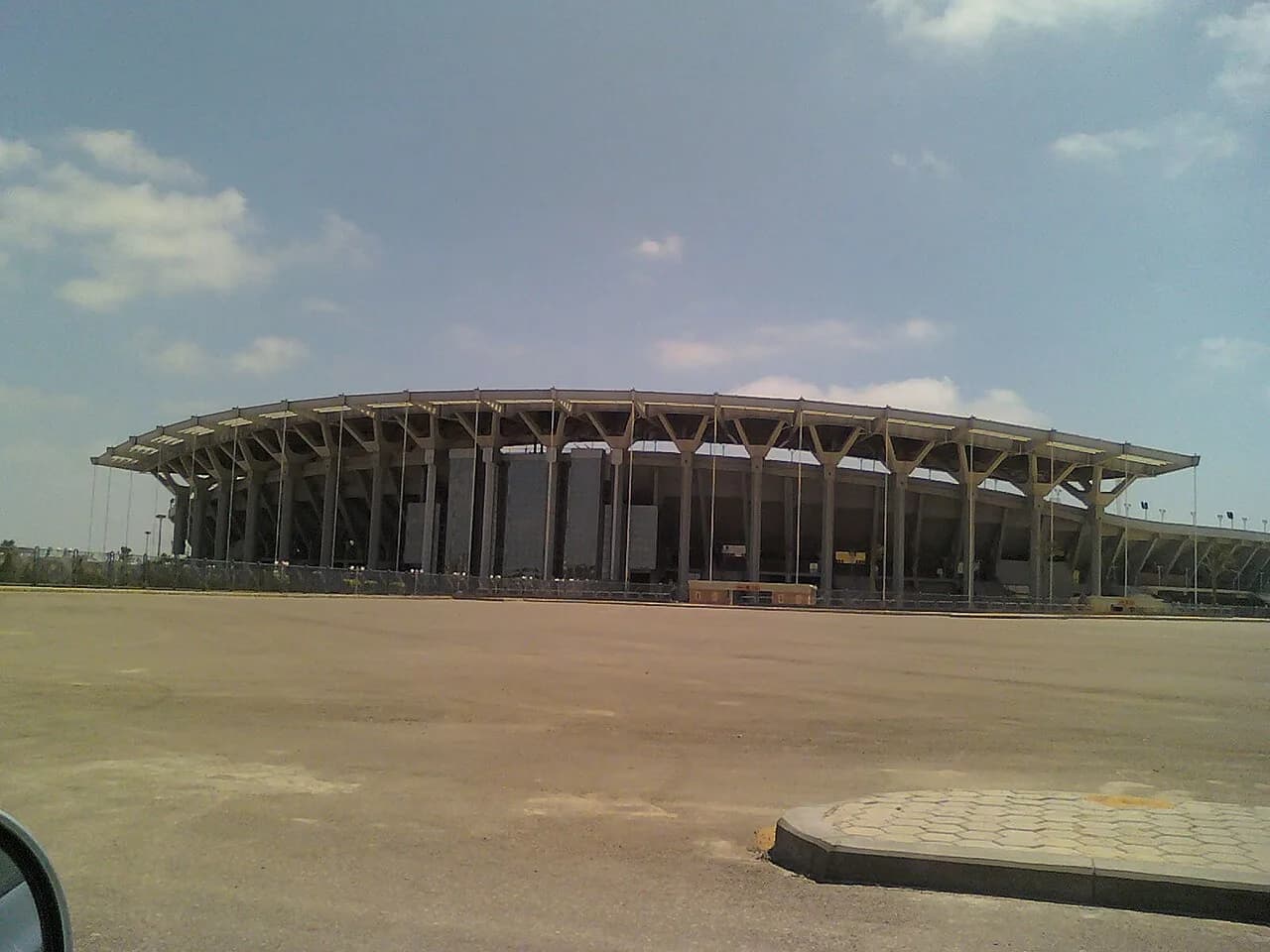
Borg El Arab Stadium near Alexandria, Egypt, is listed with a capacity of 86,000. It is used by the Egypt national football team and has also hosted Egyptian club football. The ranking uses its published stadium capacity rather than temporary attendance restrictions for particular matches. The stadium hosted the 2009 FIFA U-20 World Cup.
| Item | Football use | Opening year | Seating capacity |
|---|---|---|---|
| #1Rungrado 1st of May Stadium | Yes | 1989 | 113,281 |
| #2Camp Nou | Yes | 1957 | 99,354 |
| #3FNB Stadium | Yes | 1989 | 94,736 |
| #4New Administrative Capital Stadium | Yes | 2024 | 93,940 |
| #5Cotton Bowl Stadium | Yes | 1930 | 92,100 |
| #6Wembley Stadium | Yes | 2007 | 90,000 |
| #7Lusail Stadium | Yes | 2021 | 88,966 |
| #8Estadio Azteca | Yes | 1966 | 87,523 |
| #9Bukit Jalil National Stadium | Yes | 1998 | 87,411 |
| #10Borg El Arab Stadium | Yes | 2007 | 86,000 |
Rank it your way
Remix this list into your own ranking, or head to the play hub for every game mode and community breakdown — blind mode, challenges, tier lists, and more.
You Might Also Like

Top 10 Most Iconic Sports Moments
Top 10 Most Iconic Sports Moments

Top 10 Most Extreme Sports in the World
Top 10 Most Extreme Sports in the World

Top 10 Greatest Rugby Players of All Time
Top 10 Greatest Rugby Players of All Time

Top 10 Fastest Humans Ever Recorded (Athletics)
#1 Usain Bolt — 9.58 seconds · #2 Tyson Gay — 9.69 seconds · #3 Yohan Blake — 9.69 seconds

Top 10 Players to Watch at the 2026 FIFA World Cup
#1 Kylian Mbappe · #2 Harry Kane · #3 Lamine Yamal

Top 10 Greatest Brazilian Footballers of All Time
#1 Pele · #2 Ronaldo Nazario · #3 Ronaldinho