Exxon Valdez Oil Spill (1989)
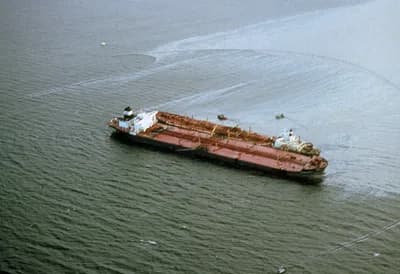
The Exxon Valdez Oil Spill remains the most catastrophic single-vessel spill in U.S. history, releasing 37,000 tonnes of crude oil into Alaska's Prince William Sound on March 24, 1989. The slick coated 2,100 km of shoreline, killed an estimated 250,000 seabirds, 2,800 sea otters, and billions of salmon eggs, and wiped out the local herring fishery for two decades—a recovery lag that outstrips the long-term damage from the Aral Sea Desiccation. Despite 30 years of cleanup costing $2.1 billion, only 50% of affected beaches have recovered naturally. Patches of buried oil still release toxic fumes at levels 20% higher than EPA safety thresholds, proving far more persistent than the decomposition timeline for the Great Pacific Garbage Patch's microplastics.
Photos (1)
Comments on "Exxon Valdez Oil Spill (1989)"
Have a take on this ranking?
Save your rankings and see how you compare. Comments are how the argument actually happens here. Posting one needs a free account — it takes about a minute.
No comments yet.
The first comment sets the terms of the argument.