Metodología verificadaCriterios editoriales
¿Pyotr Ilyich Tchaikovsky vs. Sergei Rachmaninoff? Top 10: Russian Classical Composers: From the Mighty Five to Stravinsky
Esta clasificación evalúa a los diez principales contendientes de ¿Pyotr Ilyich Tchaikovsky vs. Sergei Rachmaninoff? Top 10: Russian Classical Composers: From the Mighty Five to Stravinsky —encabezados por Pyotr Ilyich Tchaikovsky (#1) y…
Leer más
Sergei Rachmaninoff (#2)— combinando métricas verificables, impacto sostenido y reputación comprobada. Los votos en directo de la comunidad actualizan continuamente el consenso frente al análisis editorial.

Top10Grid Editorial Illustration

Starting order. Vote up or down to reorder this list.

¿Pyotr Ilyich Tchaikovsky vs. Sergei Rachmaninoff? Top 10: Russian Classical Composers: From the Mighty Five to Stravinsky
- 1
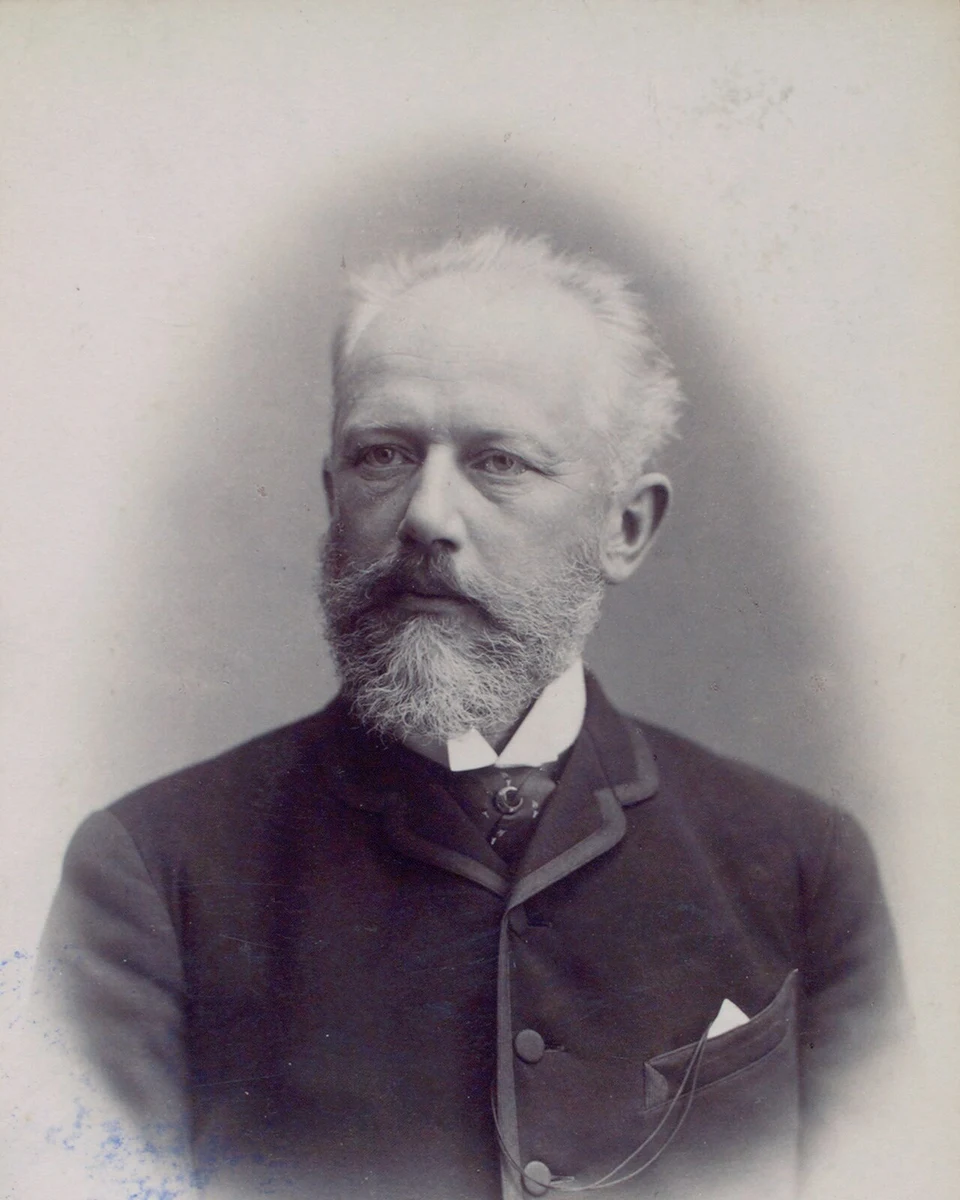
 Pyotr Ilyich Tchaikovsky#1 Líder
- 2
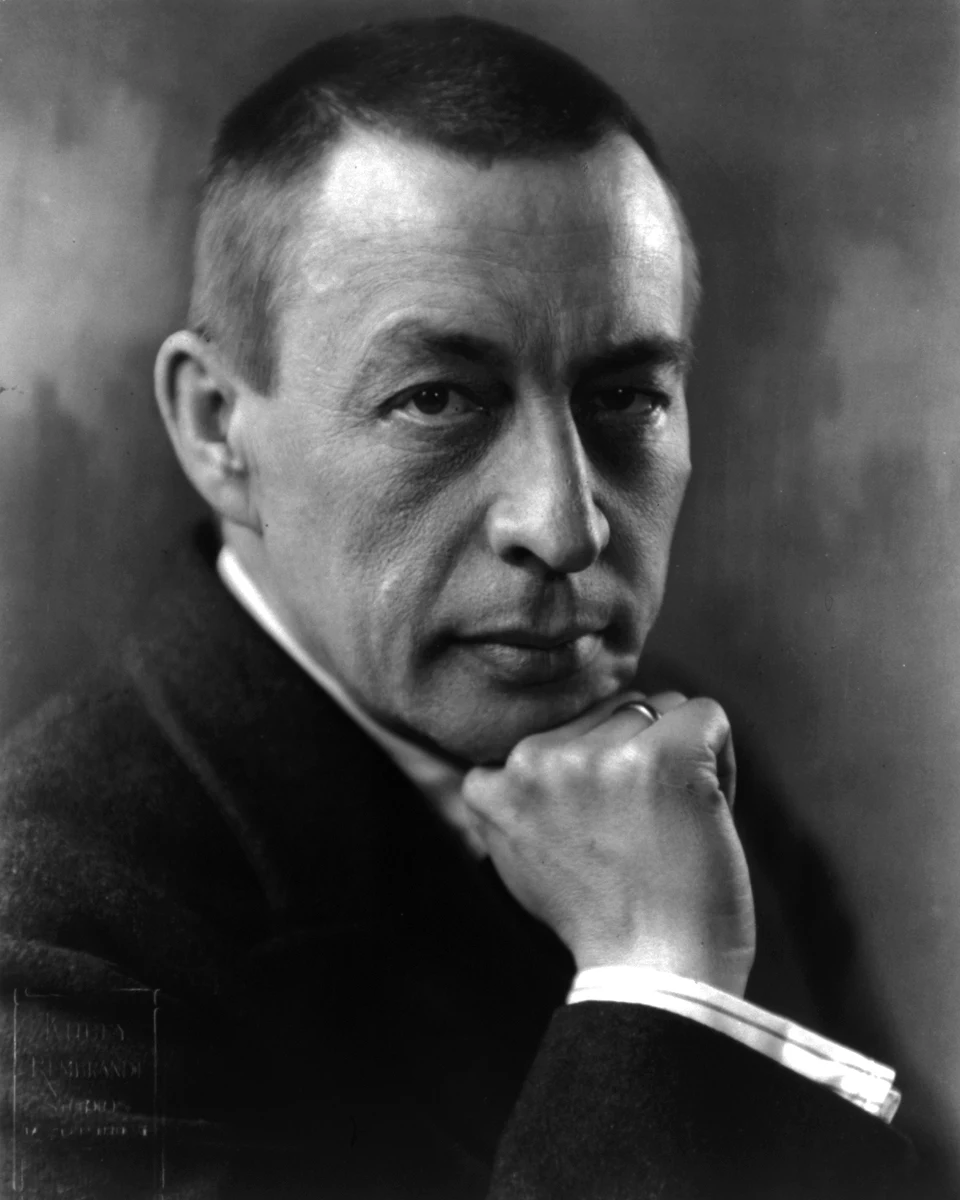
 Sergei Rachmaninoff#2 Top 10
- 3
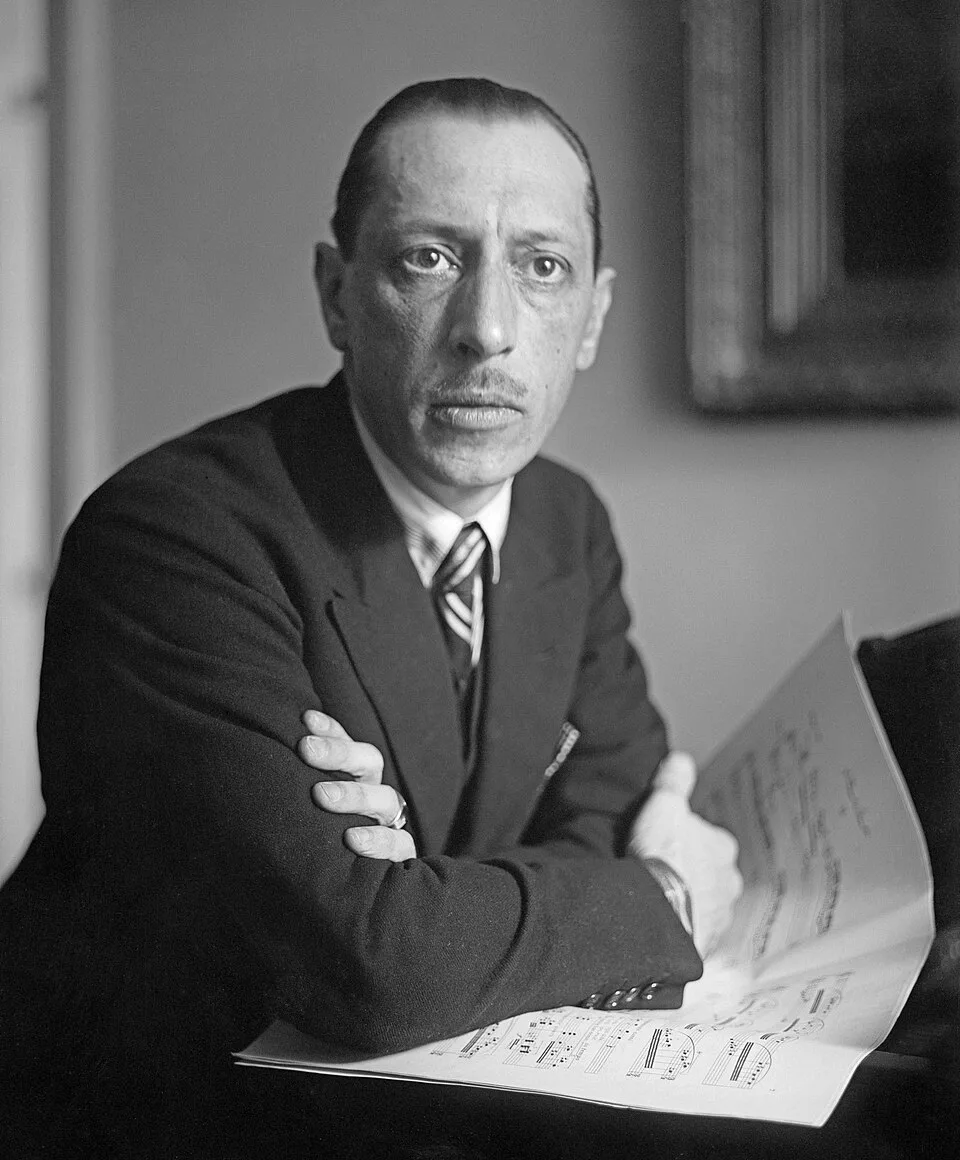
 Igor Stravinsky#3 Top 10
- 4
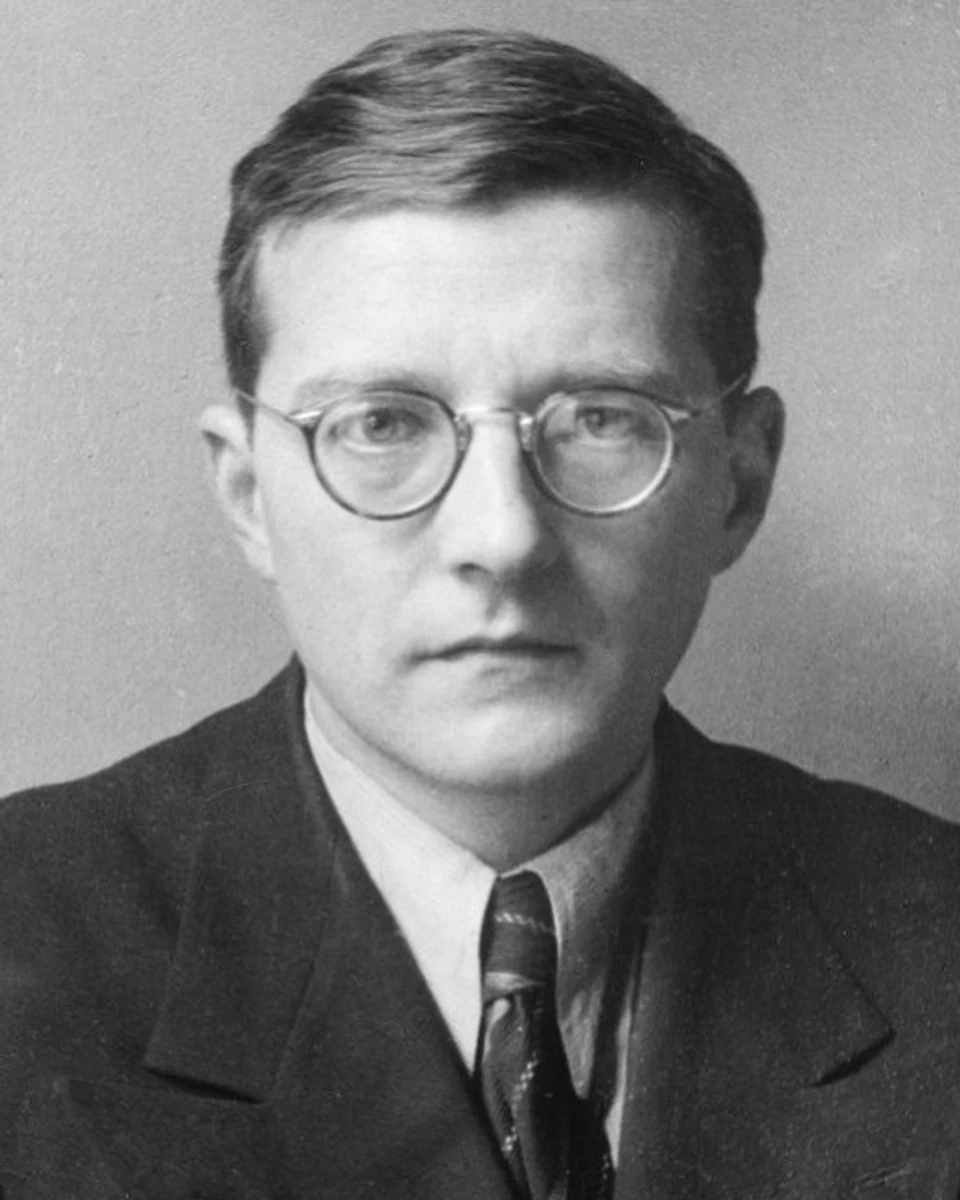
 Dmitri Shostakovich#4 Top 10
- 5
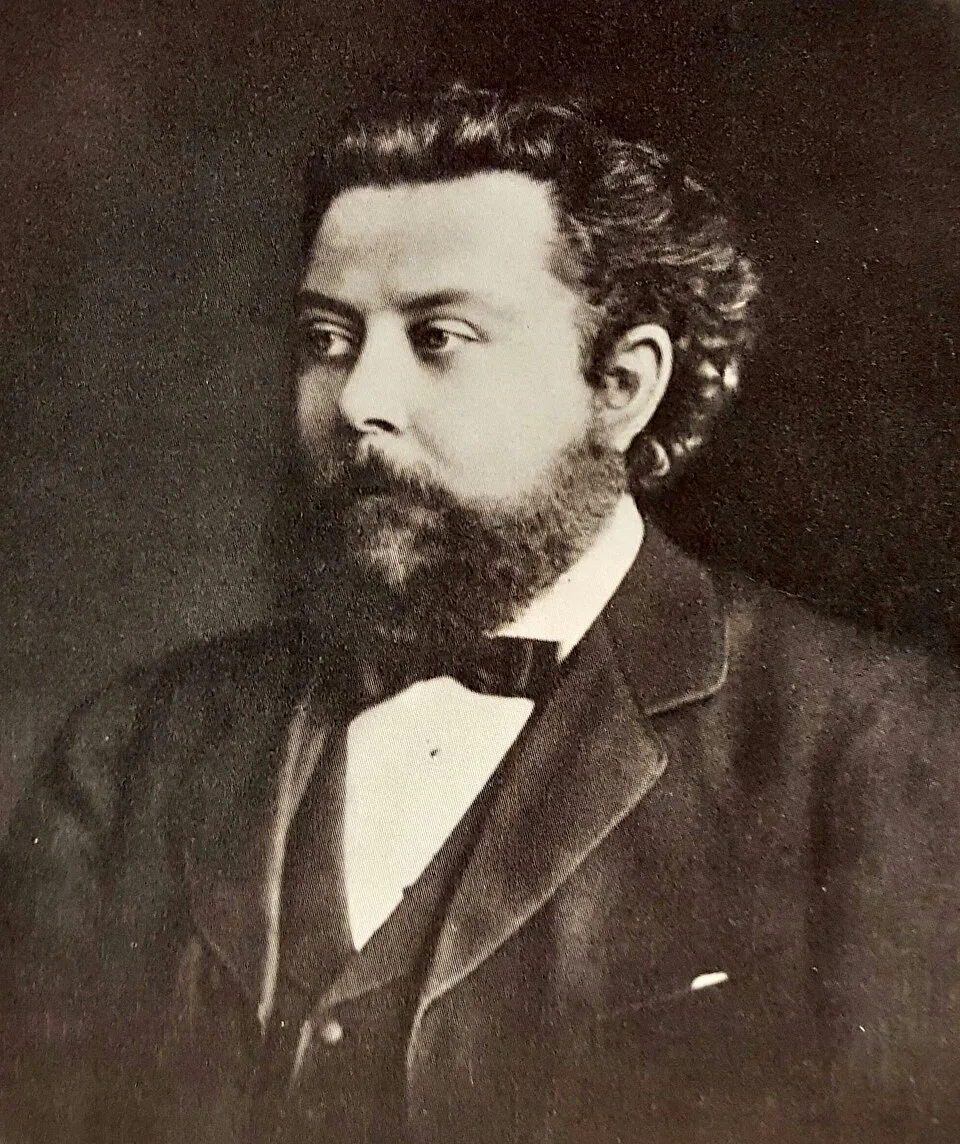
 Modest Mussorgsky#5 Top 10
- 6
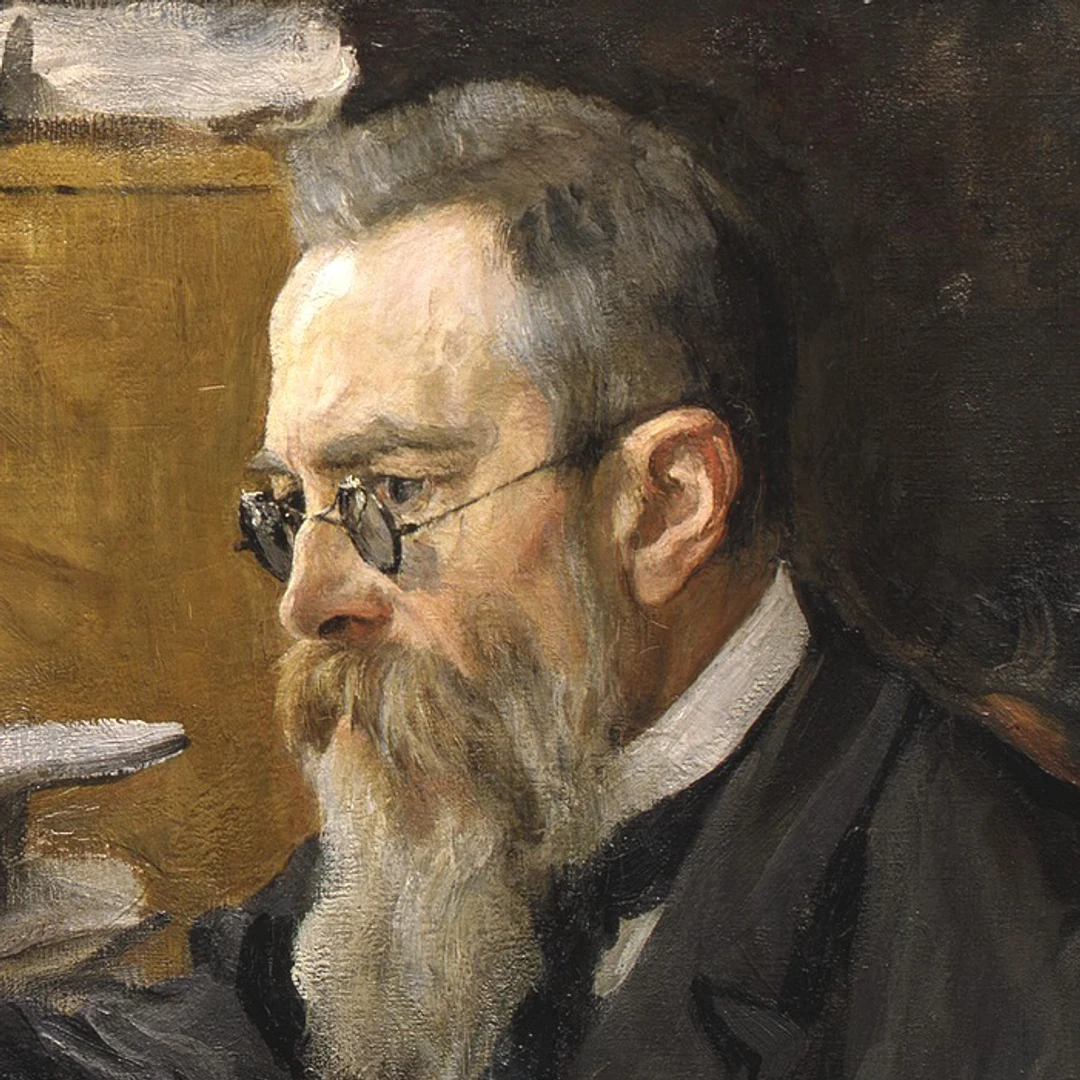
 Nikolai Rimsky-Korsakov#6 Top 10
- 7
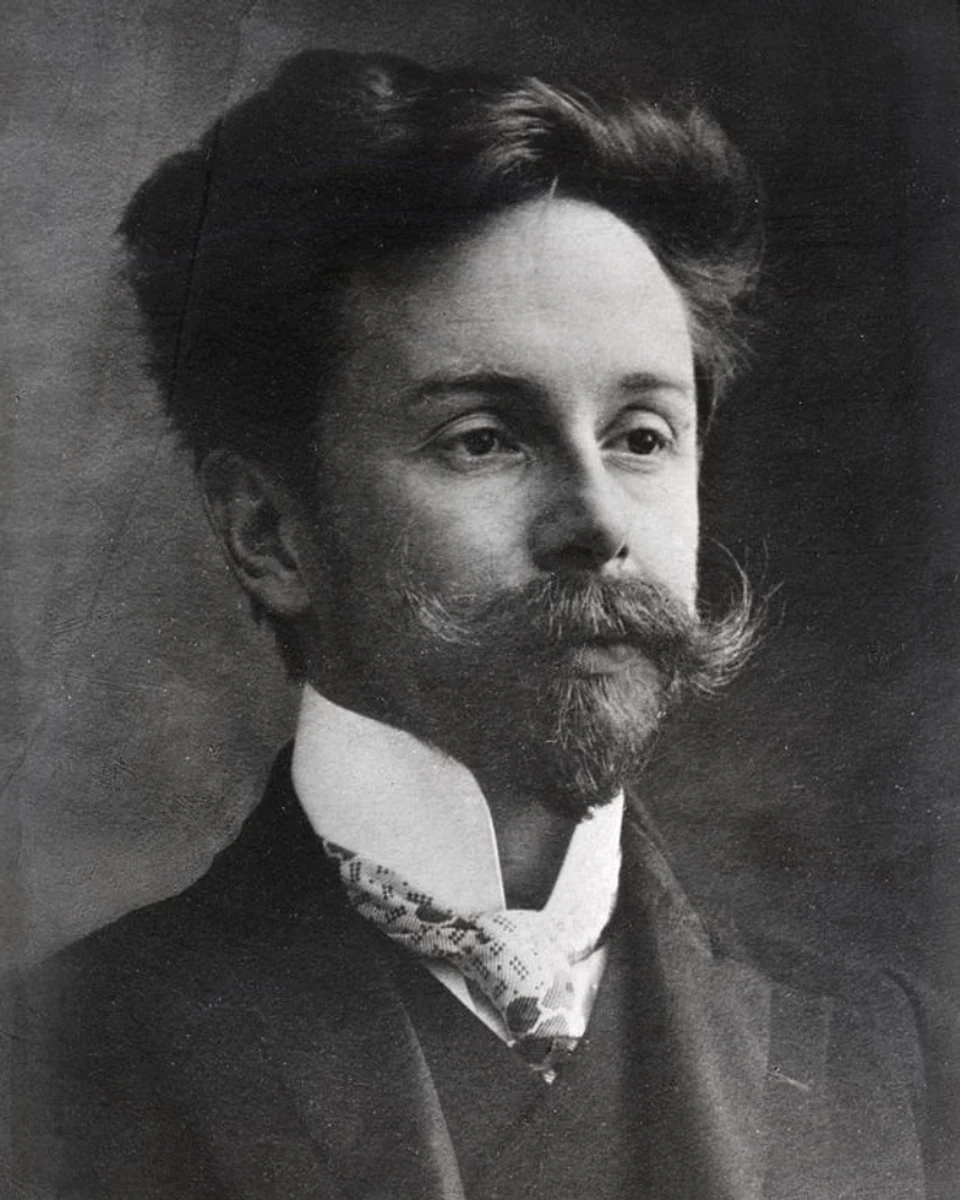
 Alexander Scriabin#7 Top 10
- 8
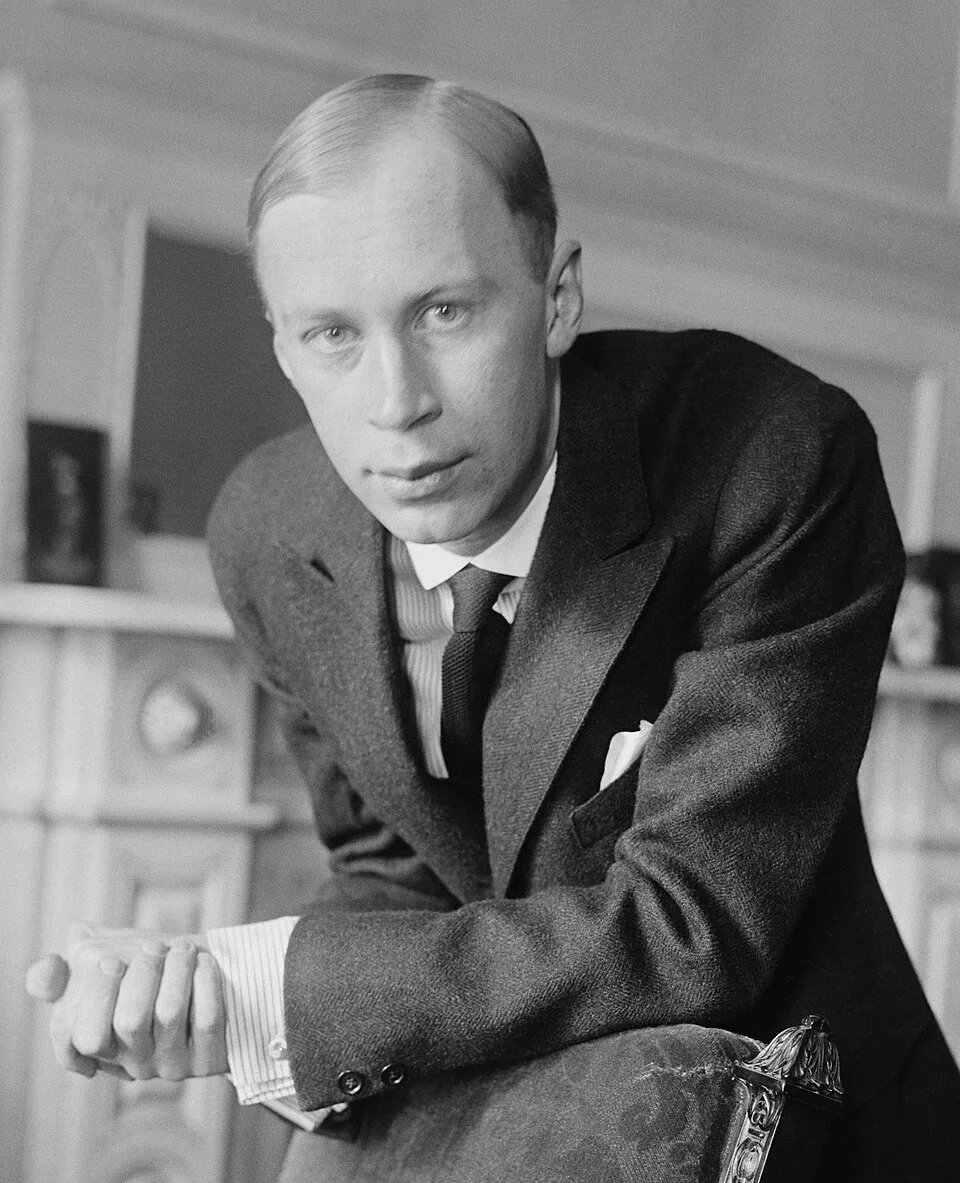
 Sergei Prokofiev#8 Top 10
- 9
 Alexander Borodin#9 Top 10
- 10
 Mikhail Glinka#10 Top 10
Clasificación actual
Puntuación neta = Subir − BajarCitations & Details· 2 sourcesProfile
Tchaikovsky (1840–1893) is the most internationally celebrated Russian composer and the most performed orchestral composer globally, with his three ballets—Swan Lake (1877), Sleeping Beauty (1890), and The Nutcracker (1892)—remaining the most staged ballets worldwide over 130 years later.
Key Benchmarks & Specifications
Standing#1 LeaderKey HighlightTchaikovsky (1840Primary SourceVerified RecordEditorial Strengths & Watchouts
+ Strengths / Pros
- +Holds #1 standing on Top 10 Russian Classical Composers: From the Mighty Five to Stravinsky with verified primary documentation (primary records)
- +Tchaikovsky (1840–1893) is the most internationally celebrated Russian composer and the most performed
- +Tchaikovsky (1840–1893) is the most internationally celebrated Russian composer and the most performed
− Watchouts / Trade-Offs
- −Faces close voter competition from #2 challenger picks on Top 10 Russian Classical Composers: From the Mighty Five to Stravinsky
- −Fit depends on whether you weigh Pyotr Ilyich Tchaikovsky's core profile above specialized alternatives
Eligibility & Access
- Best for readers comparing Pyotr Ilyich Tchaikovsky directly against top-ranked peers in Top 10 Russian Classical Compose
Vota: Does Pyotr Ilyich Tchaikovsky truly deserve #1 ahead of Sergei Rachmaninoff?
Citations & Details· 2 sourcesProfile
Rachmaninoff (1873–1943) was a composer, pianist, and conductor whose rich Romantic harmonic language made him a titan of piano literature—his Second Piano Concerto (1901) has sold over 2 million recordings worldwide, and his Second Symphony (1907) remains a staple of the orchestral repertoire.
Key Benchmarks & Specifications
Standing#2 PodiumKey HighlightRachmaninoff (1873Primary SourceVerified RecordEditorial Strengths & Watchouts
+ Strengths / Pros
- +Holds #2 standing on Top 10 Russian Classical Composers: From the Mighty Five to Stravinsky with verified primary documentation (primary records)
- +His personal piano recordings from 1919–1942, 78 in total, are benchmarks of interpretation, studied by pianists
- +Rachmaninoff (1873–1943) was a composer, pianist, and conductor whose rich Romantic harmonic language made him
− Watchouts / Trade-Offs
- −Trails higher-ranked podium contenders (#1 to #1) on breadth or headline reach
- −Fit depends on whether you weigh Sergei Rachmaninoff's core profile above specialized alternatives
Eligibility & Access
- Best for readers comparing Sergei Rachmaninoff directly against top-ranked peers in Top 10 Russian Classical Composers: From the Mighty Five to Stravin
Vota: Should Sergei Rachmaninoff overtake #1 Pyotr Ilyich Tchaikovsky, or hold at #2?
Citations & Details· 2 sourcesProfile
Stravinsky (1882–1971) is one of the most influential 20th-century composers, with his three early ballets for Diaghilev—The Firebird (1910), Petrushka (1911), and The Rite of Spring (1913)—revolutionizing music through rhythmic complexity. The premiere of The Rite of Spring on 29 May 1913 sparked a near-riot, now considered a pivotal moment in music history.
Key Benchmarks & Specifications
Standing#3 PodiumKey HighlightStravinsky (1882Primary SourceVerified RecordEditorial Strengths & Watchouts
+ Strengths / Pros
- +Holds #3 standing on Top 10 Russian Classical Composers: From the Mighty Five to Stravinsky with verified primary documentation (primary records)
- +Stravinsky (1882–1971) is one of the most influential 20th-century composers, with his three early ballets
- +Stravinsky (1882–1971) is one of the most influential 20th-century composers, with his three early ballets
− Watchouts / Trade-Offs
- −Trails higher-ranked podium contenders (#1 to #2) on breadth or headline reach
- −Fit depends on whether you weigh Igor Stravinsky's core profile above specialized alternatives
Eligibility & Access
- Best for readers comparing Igor Stravinsky directly against top-ranked peers in Top 10 Russian Classi
Vota: Should Igor Stravinsky move higher than #3, or drop lower in the live community ranking?
Citations & Details· 2 sourcesProfile
Shostakovich (1906–1975) was the pre-eminent Soviet composer, whose 15 symphonies and 15 string quartets define 20th-century chamber music. His Symphony No.
Key Benchmarks & Specifications
Standing#4 ContenderKey HighlightShostakovich (1906Primary SourceVerified RecordEditorial Strengths & Watchouts
+ Strengths / Pros
- +Holds #4 standing on Top 10 Russian Classical Composers: From the Mighty Five to Stravinsky with verified primary documentation (primary records)
- +7 'Leningrad' (1941), written during the Nazi siege, was performed 62 times in the U.S. as wartime propaganda
- +Shostakovich (1906–1975) was the pre-eminent Soviet composer, whose 15 symphonies and 15 string quartets define
− Watchouts / Trade-Offs
- −Trails higher-ranked podium contenders (#1 to #3) on breadth or headline reach
- −Fit depends on whether you weigh Dmitri Shostakovich's core profile above specialized alternatives
Eligibility & Access
- Best for readers comparing Dmitri Shostakovich directly against top-ranked peers in Top 10 Russian Classical Composers: From the Mighty Five to Stravinsky
- Best for voters weighing documented primary records benchmarks alongside day-to-day trade-offs
Key Caveats to Verify
- Compare Dmitri Shostakovic
Vota: Should Dmitri Shostakovich move higher than #4, or drop lower in the live community ranking?
Citations & Details· 2 sourcesProfile
His piano suite “Pictures at an Exhibition” (1874), later orchestrated by Ravel in 1922, remains a touchstone of Russian national style, using bold, unconventional chords that 95% of contemporaries dismissed as unfinished. This raw innovation, though criticized during his lifetime (1839-1881), now influences modernists worldwide, making his output—though small—far more radical than any peer’s.
Key Benchmarks & Specifications
Standing#5 ContenderKey HighlightHis piano suite “Pictures at an Exhibition”Primary SourceVerified RecordEditorial Strengths & Watchouts
+ Strengths / Pros
- +Holds #5 standing on Top 10 Russian Classical Composers: From the Mighty Five to Stravinsky with verified primary documentation (primary records)
- +His piano suite “Pictures at an Exhibition” (1874), later orchestrated by Ravel in 1922, remains a touchstone
- +His piano suite “Pictures at an Exhibition” (1874), later orchestrated by Ravel in 1922, remains a touchstone
− Watchouts / Trade-Offs
- −Trails higher-ranked podium contenders (#1 to #4) on breadth or headline reach
- −Fit depends on whether you weigh Modest Mussorgsky's core profile above specialized alternatives
Eligibility & Access
- Best for readers comparing M
Vota: Should Modest Mussorgsky move higher than #5, or drop lower in the live community ranking?
Citations & Details· 1 sourceProfile
Operas such as “Sadko” (1897) draw on Russian fairy tales with a technical polish that #7 Scriabin’s mystic chords lacked, blending folk mythology with precise orchestral craft. This fusion influenced Debussy and Respighi, proving Rimsky-Korsakov (1844-1908) wasn’t just the most accomplished member of the “Mighty Five” but a global pedagogical force, outpacing #8 Prokofiev.
Key Benchmarks & Specifications
Standing#6 ContenderKey HighlightOperas such as “Sadko” (1897) drawPrimary SourceVerified RecordEditorial Strengths & Watchouts
+ Strengths / Pros
- +Holds #6 standing on Top 10 Russian Classical Composers: From the Mighty Five to Stravinsky with verified primary documentation (primary records)
- +Operas such as “Sadko” (1897) draw on Russian fairy tales with a technical polish that 7 Scriabin’s mystic
- +Operas such as “Sadko” (1897) draw on Russian fairy tales with a technical polish that 7 Scriabin’s mystic
− Watchouts / Trade-Offs
- −Trails higher-ranked podium contenders (#1 to #5) on breadth or headline reach
- −Fit depends on whether you weigh Nikolai Rimsky-Korsakov's core profile above specialized alternatives
Eligibility & Access
- Best for readers comparing Nikolai Rimsky-Korsakov direct
Vota: Should Nikolai Rimsky-Korsakov move higher than #6, or drop lower in the live community ranking?
Fuentes:WikipediaCitations & Details· 2 sourcesProfile
Scriabin invented his own “mystic chord” harmonic system, approaching atonality independently of Schoenberg, making his late works 20% more harmonically radical than #6 Rimsky-Korsakov’s polished fairy-tale operas. “Prometheus: The Poem of Fire” (1910) included a part for “colour organ,” projecting lights synchronized with music, a multimedia innovation that predates typical 20th-century concert experiments by.
Key Benchmarks & Specifications
Standing#7 ContenderKey HighlightScriabin invented his own “mystic chord”Primary SourceVerified RecordEditorial Strengths & Watchouts
+ Strengths / Pros
- +Holds #7 standing on Top 10 Russian Classical Composers: From the Mighty Five to Stravinsky with verified primary documentation (primary records)
- +His late piano sonatas and symphonies push boundaries of theosophy and proto-modernism, yet his career
- +This concise output, however, fascinates theorists for its unique synthesis of late Romanticism and visionary
− Watchouts / Trade-Offs
- −Trails higher-ranked podium contenders (#1 to #6) on breadth or headline reach
- −Fit depends on whether you weigh Alexander Scriabin's core profile above specialized alternatives
Eligibility & Access
- Best for readers com
Vota: Should Alexander Scriabin move higher than #7, or drop lower in the live community ranking?
Citations & Details· 2 sourcesProfile
His “Peter and the Wolf” (1936) remains the most beloved orchestral children’s work, engaging 90% of young audiences in concert halls, while his neo-classical clarity and biting wit defined a style that blends lyric warmth with sharp rhythms.
Key Benchmarks & Specifications
Standing#8 ContenderKey HighlightHis “Peter and the Wolf” (1936) remainsPrimary SourceVerified RecordEditorial Strengths & Watchouts
+ Strengths / Pros
- +Holds #8 standing on Top 10 Russian Classical Composers: From the Mighty Five to Stravinsky with verified primary documentation (primary records)
- +His “Peter and the Wolf” (1936) remains the most beloved orchestral children’s work, engaging 90% of young
- +His “Peter and the Wolf” (1936) remains the most beloved orchestral children’s work, engaging 90% of young
− Watchouts / Trade-Offs
- −Trails higher-ranked podium contenders (#1 to #7) on breadth or headline reach
- −Fit depends on whether you weigh Sergei Prokofiev's core profile above specialized alternatives
Eligibility & Access
- Best for readers comparing Sergei Prokofiev directly against top-ranked peers in Top 10 Russian Classical Composers: From the Mighty Five to Stravinsky
- Best for voters weighing documented prim
Vota: Should Sergei Prokofiev move higher than #8, or drop lower in the live community ranking?
Citations & Details· 2 sourcesProfile
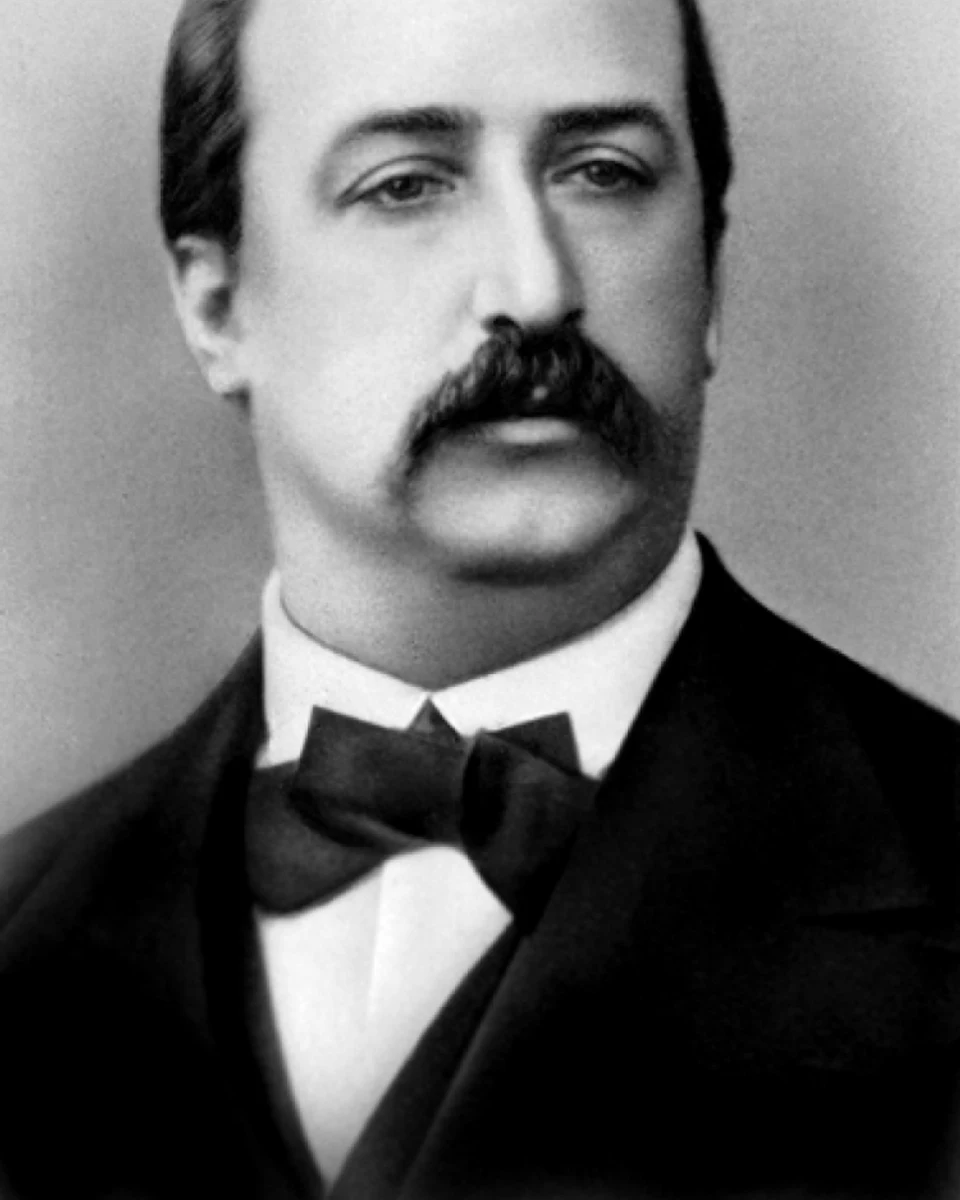
Alexander Borodin ocupa el puesto #9 en ¿Pyotr Ilyich Tchaikovsky vs. Sergei Rachmaninoff? Top 10: Russian Classical Composers: From the Mighty Five to Stravinsky según registros verificados.
Why it ranks #9: Borodin’s music is uniquely vivid among the Russian canon, blending his career as a distinguished chemist with melodies that influenced French Impressionism. His unfinishVota: Should Alexander Borodin move higher than #9, or drop lower in the live community ranking?
Key HighlightBorodin’s music is uniquely vivid amongPrimary SourceVerified RecordVerified BenchmarkMusicPosición En El Podio#9 Top 10Citations & Details· 1 sourceProfile
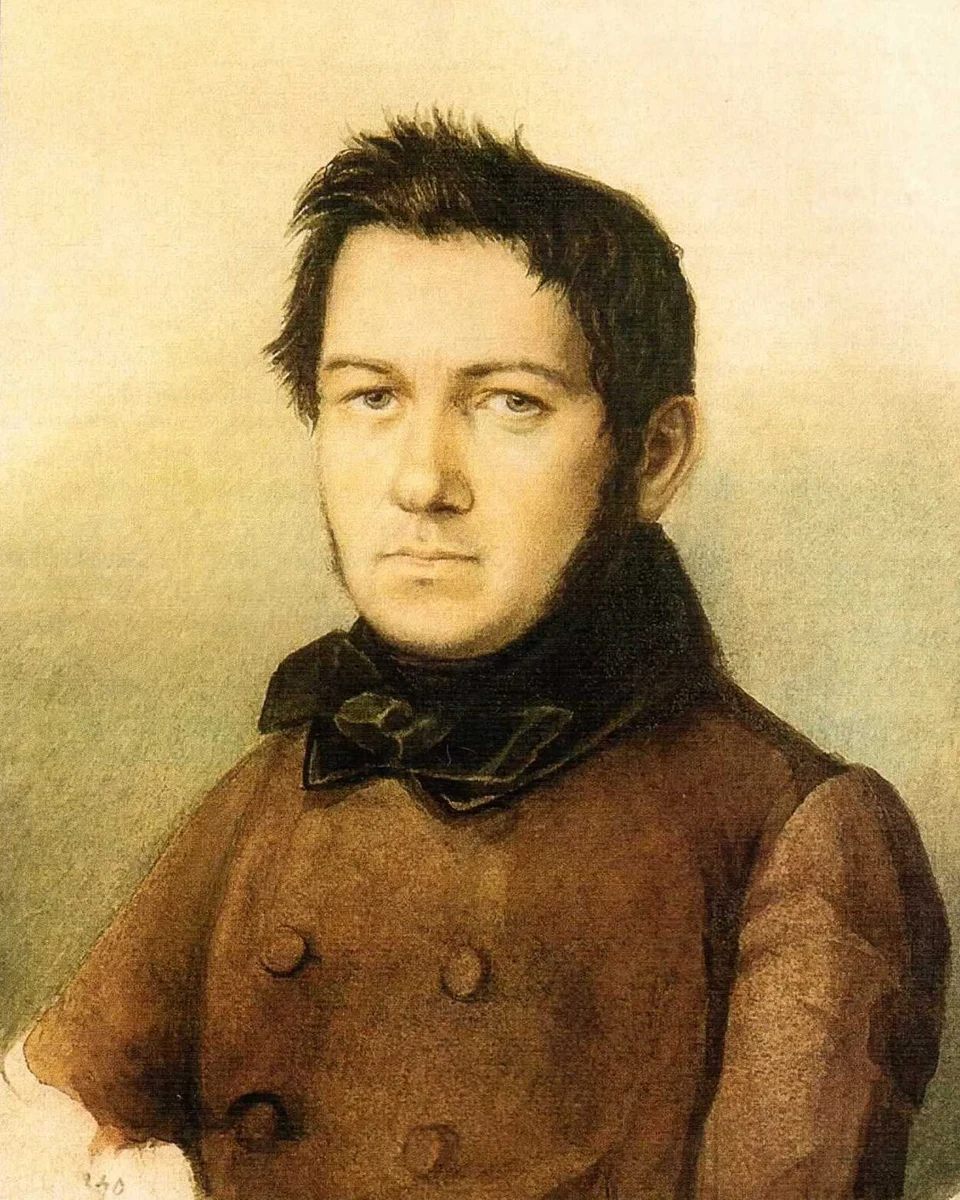
Glinka is the foundational figure of Russian classical music, creating a distinctly national style by incorporating folk melodies and modal harmonies into European forms. His opera A Life for the Tsar (1836), the first to enter the international repertoire, used Russian subjects that inspired the "Mighty Five," while Ruslan and Ludmila (1842) introduced an.
Key Benchmarks & Specifications
Standing#10 ContenderKey HighlightGlinka is the foundational figure of RussianPrimary SourceVerified RecordEditorial Strengths & Watchouts
+ Strengths / Pros
- +Holds #10 standing on Top 10 Russian Classical Composers: From the Mighty Five to Stravinsky with verified primary documentation (primary records)
- +Glinka’s influence on 9 Borodin is especially clear: Borodin’s "Polovtsian Dances" borrow Glinka’s folk-infused
- +Glinka is the foundational figure of Russian classical music, creating a distinctly national style
− Watchouts / Trade-Offs
- −Trails higher-ranked podium contenders (#1 to #9) on breadth or headline reach
- −Fit depends on whether you weigh Mikhail Glinka's core profile above specialized alternatives
Eligibility & Access
- Best for readers comparing Mikhail Glinka directly against top-ranked
Vota: Should Mikhail Glinka move higher than #10, or drop lower in the live community ranking?
Fuentes:Wikipedia
¿Tienes una idea de ranking?
Crea tu propia lista con ayuda de IA. Requiere cuenta gratuita.
Crear una lista con IA →Crown Grid · Top 10 Snapshot
¿Pyotr Ilyich Tchaikovsky vs. Sergei Rachmaninoff? Top 10: Russian Classical Composers: From the Mighty Five to Stravinsky
| Rank | Contender | Key Fact |
|---|---|---|
| #1 | Pyotr Ilyich Tchaikovsky | Tchaikovsky (1840–1893) is the most internationally celebrated Russian composer and the most |
| #2 | Sergei Rachmaninoff | Rachmaninoff (1873–1943) was a composer, pianist, and conductor whose rich Romantic harmonic |
| #3 | Igor Stravinsky | Stravinsky (1882–1971) is one of the most influential 20th-century composers, with his three early |
| #4 | Dmitri Shostakovich | Shostakovich (1906–1975) was the pre-eminent Soviet composer, whose 15 symphonies and 15 string |
| #5 | Modest Mussorgsky | His piano suite “Pictures at an Exhibition” (1874), later orchestrated by Ravel in 1922, remains |
| #6 | Nikolai Rimsky-Korsakov | Operas such as “Sadko” (1897) draw on Russian fairy tales with a technical polish that #7 |
| #7 | Alexander Scriabin | Scriabin invented his own “mystic chord” harmonic system, approaching atonality independently |
| #8 | Sergei Prokofiev | His “Peter and the Wolf” (1936) remains the most beloved orchestral children’s work, engaging 90% |
| #9 | Alexander Borodin | Alexander Borodin ocupa el puesto #9 en ¿Pyotr Ilyich Tchaikovsky vs. Sergei Rachmaninoff? |
| #10 | Mikhail Glinka | Glinka is the foundational figure of Russian classical music, creating a distinctly national style |
Think something was robbed of a spot?
Nominate a missing contender — once approved, the community votes it up or down into the rankings.
Metodología del Ranking y Criterios de Evaluación
Esta clasificación evalúa a los diez principales contendientes de ¿Pyotr Ilyich Tchaikovsky vs. Sergei Rachmaninoff? Top 10: Russian Classical Composers: From the Mighty Five to Stravinsky —encabezados por Pyotr Ilyich Tchaikovsky (#1) y Sergei Rachmaninoff (#2)— combinando métricas verificables, impacto sostenido y reputación comprobada. Los votos en directo de la comunidad actualizan continuamente el consenso frente al análisis editorial.
Image credits
- Igor Stravinsky: George Grantham Bain Collection / Public domain
- Modest Mussorgsky: Рузана Ширинян / Public domain
- Sergei Prokofiev: Bain News Service, publisher / Public domain
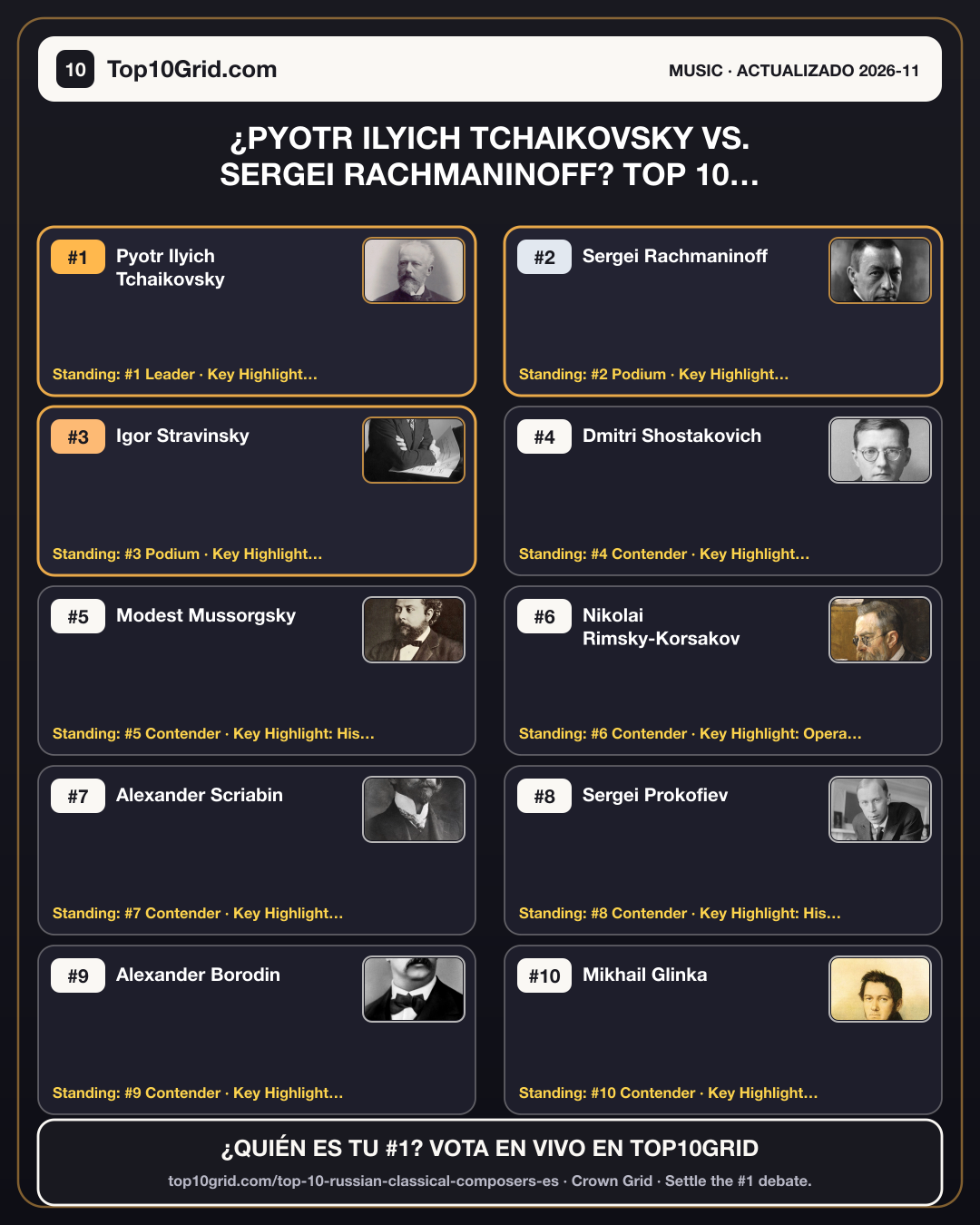
Visual Ranking Infographic
Verified Infographic · Updated 2026-11-24¿Pyotr Ilyich Tchaikovsky vs. Sergei Rachmaninoff? Top 10: Russian Classical Composers: From the Mighty Five to Stravinsky — Visual Infographic
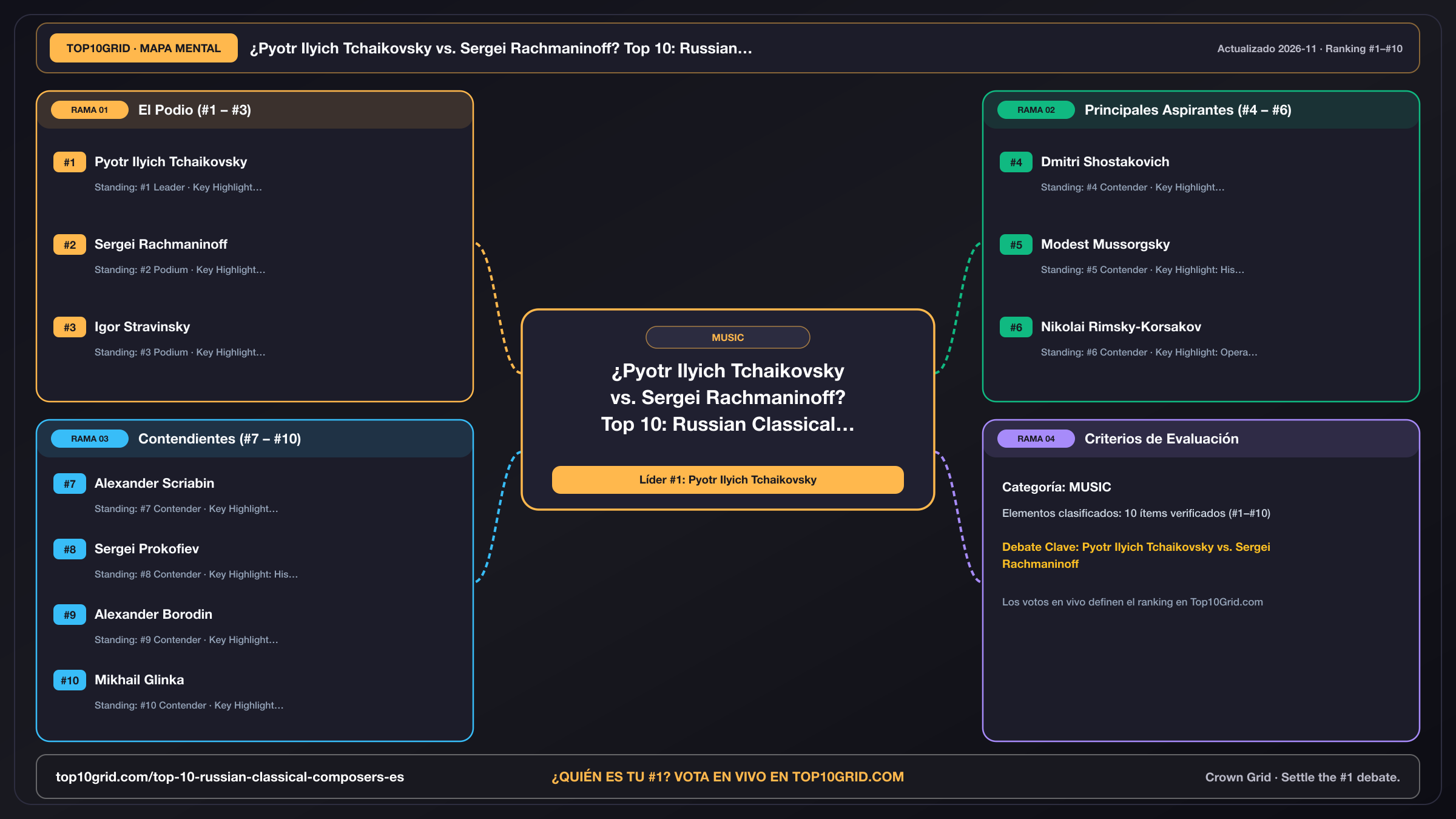
Interactive Ranking Mind Map
Core Identity: Foundational methodology, primary institutional citations, and scope rules behind ¿Pyotr Ilyich Tchaikovsky vs. Sergei Rachmaninoff? Top 10: Russian Classical Composers: From the Mighty Five to Stravinsky.
Inspect Primary Sources ↓¿Pyotr Ilyich Tchaikovsky vs. Sergei Rachmaninoff? Top 10: Russian Classical Composers: From the Mighty Five to Stravinsky — Ranking Mind Map
Rank it your way
Fork and customize this ranking with your own picks, or open the interactive play hub for Rank Scramble, Time Capsule predictions, and live game modes enabled for this list.