Lab-Grown Meat
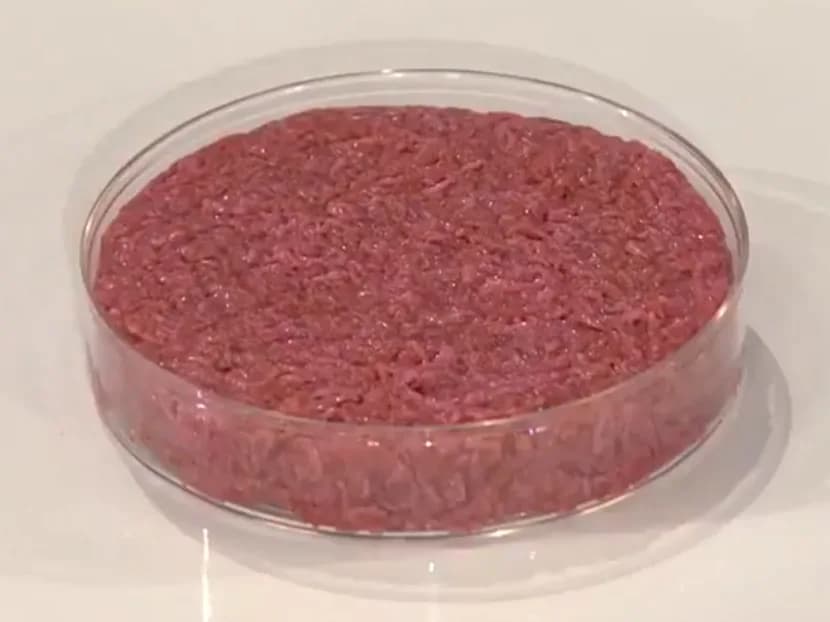
Lab-grown meat offers the most immediate path to slashing the livestock industry's 14.5% share of global emissions, yet debate rages over its true climate footprint. Unlike plant-based alternatives, it requires sophisticated bioreactors and growth media, pushing energy inputs above those of soybean production. A 2022 lifecycle analysis found that with renewable energy for cultivation, lab-grown meat emits 92% less greenhouse gas than conventional beef and uses 95% less land. Regulatory hurdles persist: only Singapore and the U.S. have approved sales, and production costs remain 20 times higher than chicken per pound. Critics argue that current energy-intensive methods—often reliant on fossil fuel grids—can be dirtier than beef in some regions. Still, its ability to deliver animal protein without deforestation or methane makes it the most scalable solution among high-impact food technologies.
Photos (1)
Comments on "Lab-Grown Meat"
Have a take on this ranking?
Save your rankings and see how you compare. Comments are how the argument actually happens here. Posting one needs a free account — it takes about a minute.
No comments yet.
The first comment sets the terms of the argument.