Tai Chi
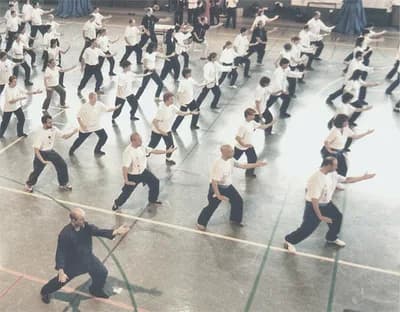
Tai Chi stands as the most evidence-backed low-impact exercise for fall prevention in 2026, delivering balance improvements that reduce fall risk by up to 31% in older adults. A 2023 meta-analysis of 24 randomized controlled trials with adults over 60 showed a 24% reduction in fallers and a 31% drop in the overall fall rate, with researchers calling it among the most cost-effective interventions available. Balance metrics like Timed Up-and-Go, single-leg stance, and Berg Balance scores all improve significantly, and knee osteoarthritis pain and stiffness ease with consistent practice. Despite its gentle appearance, tai chi reaches 50–58% of heart-rate reserve — a moderate aerobic zone comparable to brisk walking — while avoiding joint loading entirely. The practice requires no equipment and adapts to seated or wheelchair use, making it highly accessible, though results depend on three or more sessions per week and initial guidance from an instructor.
Photos (1)
Comments on "Tai Chi"
Have a take on this ranking?
Save your rankings and see how you compare. Comments are how the argument actually happens here. Posting one needs a free account — it takes about a minute.
No comments yet.
The first comment sets the terms of the argument.