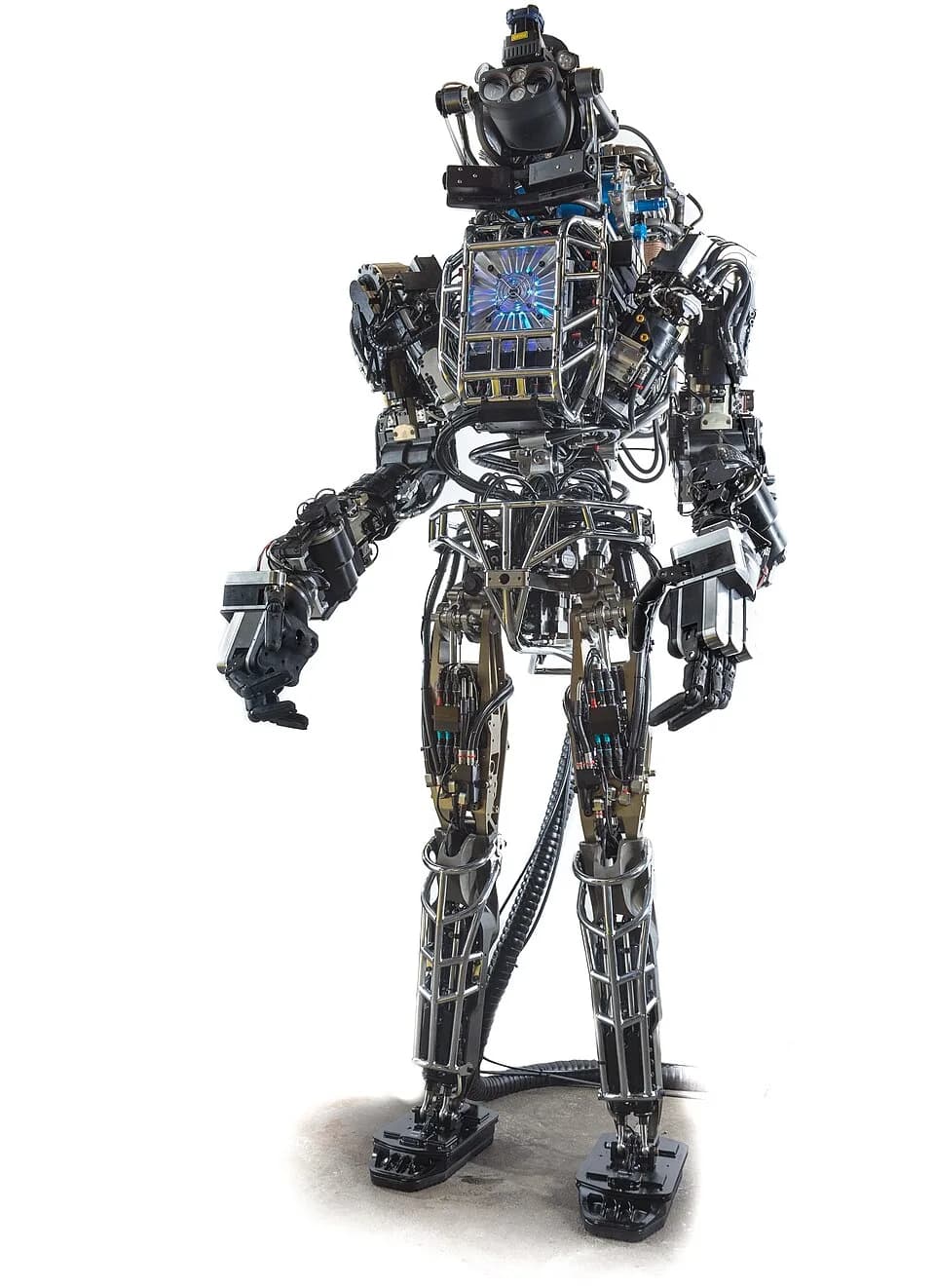
Boston Dynamics Atlas (Electric)
The electric version replaces hydraulic systems with self-swappable batteries removing the 5-hour operational ceiling, plus full-body force feedback for human-adjacent tasks. Hyundai Motor Group plans 30,000 units per year for automotive assembly by 2028, with the 2026 allocation fully committed to confirmed buyers like Hyundai and Google DeepMind. General availability opens in 2027 for enterprise buyers. Pricing ranges from $150,000 to $320,000 (€350,000 to €420,000 in Europe), targeting high-complexity, high-value tasks like heavy component assembly. Autonomous obstacle avoidance is standard; Hyundai's manufacturing backing provides a credible path to cost reduction over 2027–2029, but the premium price means ROI depends on tasks that leverage Atlas's articulation and lifting strength.
Photos (1)
Comments on "Boston Dynamics Atlas (Electric)"
Have a take on this ranking?
Save your rankings and see how you compare. Comments are how the argument actually happens here. Posting one needs a free account — it takes about a minute.
No comments yet.
The first comment sets the terms of the argument.