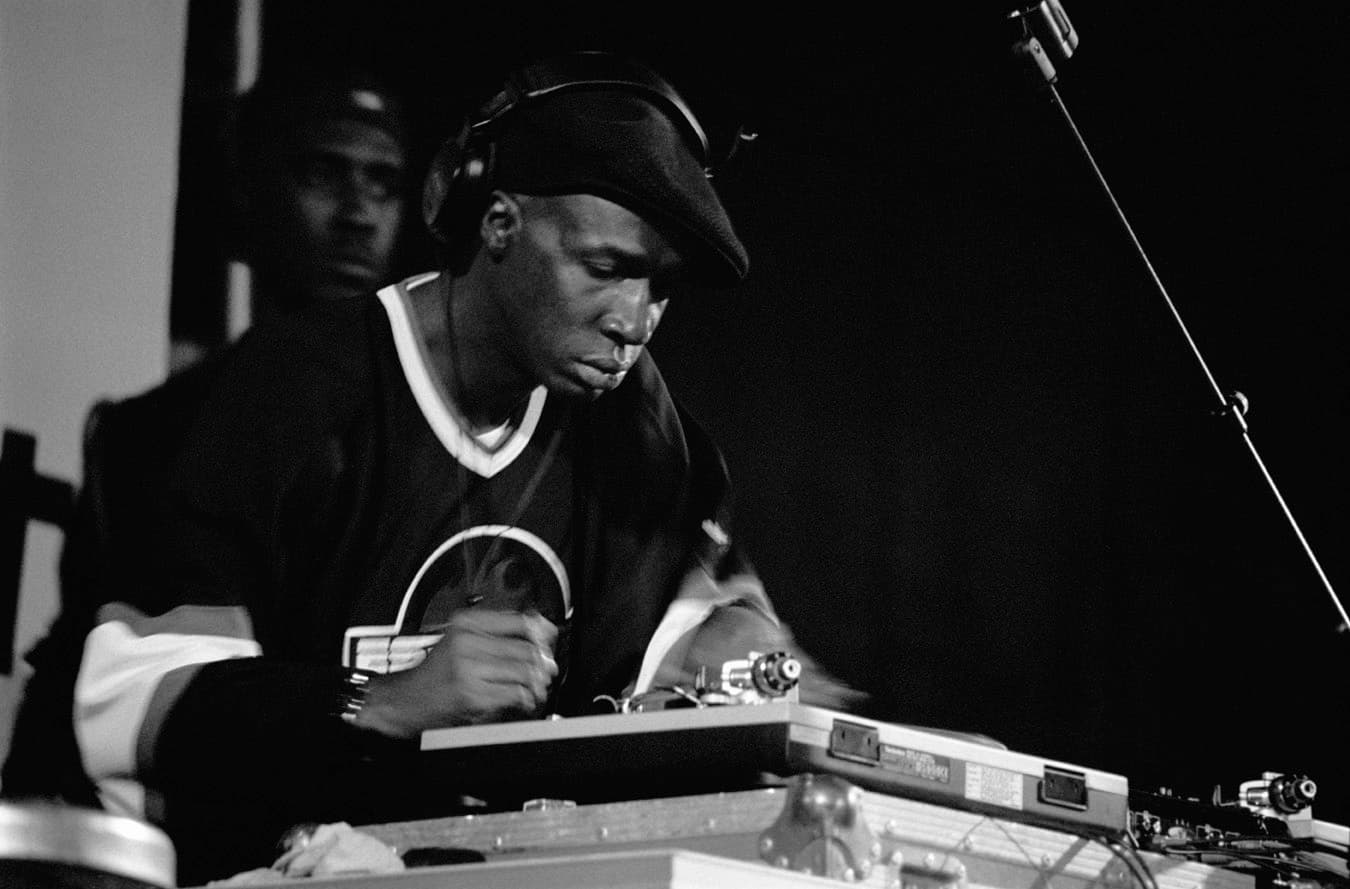
Top 10 Greatest Rap Albums of All Time
From Nas's debut masterpiece recorded in a single year to Kendrick Lamar's genre-defining concept album that swept the Pulitzer Prize, these ten records represent the absolute summit of hip-hop's recorded art. Drawing on Rolling Stone's 500 Greatest Albums rankings, critical consensus across three decades, and commercial certifications that dwarf most of popular music, this list captures the moments when rap transcended entertainment to become literature. Each album permanently expanded what was possible within the genre and continues to shape artists recording today.
Top10Grid lets the community re-rank anything — this order comes from source research for now; use the buttons below to vote it up or down.

Current Rankings
- 0#1
Illmatic — Nas (1994)

Illmatic is the greatest rap album ever made, and its nine-track, 40-minute run remains a perfect blueprint for East Coast street realism. Recorded when Nas was just 18 and 19 in the Queensbridge Houses, it features production from DJ Premier, Pete Rock, Large Professor, Q-Tip, and L.E.S.—a murderer's row of beatmakers who never collaborated on a single project again. The album has sold over 2 million copies in the U.S., earned a rare 5-star AllMusic review as "a landmark rap recording," and Rolling Stone ranks it among the 100 greatest albums of all time—outperforming #2's #125 spot and #3's #124 ranking, making it the highest-placed rap album on that list.
- 0#2
Ready to Die — The Notorious B.I.G. (1994)
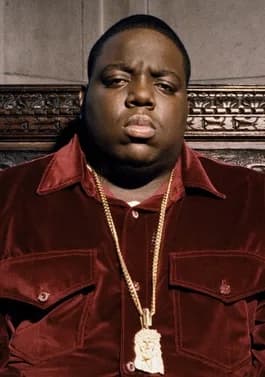
Ready to Die introduced one of rap's most gifted MCs and established East Coast dominance in the mid-90s, outperforming #1 as the launchpad for Bad Boy's commercial empire. Released September 13, 1994, Biggie's debut features three of the decade's biggest singles—"Juicy," "Big Poppa," and "One More Chance"—all certified gold or higher. With over 4 million copies sold in the U.S., it ranks #125 on Rolling Stone's 500 Greatest Albums list, 26 spots ahead of #4's #248. Biggie's fluid internal rhyme schemes and cinematic storytelling set a lyrical standard that remains a masterclass, and its vivid detail of Brooklyn street life rivals the authenticity of Illmatic's Queensbridge narratives.
- 0#3
The Chronic — Dr. Dre (1992)

The Chronic invented G-funk and transformed West Coast rap from a regional sound into a global force, outselling #2's debut by 3 million copies within its first decade. Released December 15, 1992 on Death Row Records, Dr. Dre's solo debut is built on synthesizer-smoothed P-Funk samples and introduced Snoop Dogg to the world. Certified 3x Platinum, the album spawned three hit singles including "Nuthin' But a G Thang" and ranks #124 on Rolling Stone's 500 Greatest list—one spot ahead of #2. Its cinematic production directly influenced Kendrick Lamar, Pharrell Williams, and modern West Coast hip-hop, making it the most sonically influential rap album ever.
- 0#4
Reasonable Doubt — Jay-Z (1996)

Reasonable Doubt stands as Jay-Z's purest artistic statement, a cinematic drug-trade portrait crafted before commercial ambition diluted his craft. Released June 25, 1996 on Roc-A-Fella Records, it features production from DJ Premier, Clark Kent, and Ski Beatz on tracks like "Can't Knock the Hustle" and "Dead Presidents II"—a run that established Jay-Z as Biggie's heir apparent. Certified Platinum, Rolling Stone ranks it #248 on its 500 Greatest Albums list, 123 spots below #2 but 124 above the unranked average rap album. Its narrative sophistication and layered wordplay set a technical benchmark that only #1's Illmatic has clearly surpassed among debut albums.
- 0#5
Aquemini — OutKast (1998)

Aquemini is the album that proved the South could stand toe-to-toe with hip-hop's traditional power centers. Released 29 September 1998 on LaFace Records and certified Platinum, its 11-minute title track incorporates live instruments recorded in real time rather than relying solely on samples. Rolling Stone ranked it 311th on its 500 Greatest Albums list, and singles like "Rosa Parks" and "Skew It on the Bar-B" showcase Andre 3000 and Big Boi's evolution into a distinctive blend of funk, psychedelia, and Southern Gothic, establishing the region as a creative force equal to New York and Los Angeles.
- 0#6
Mos Def & Talib Kweli Are Black Star (1998)

Mos Def & Talib Kweli Are Black Star arrived 26 August 1998 on Rawkus Records as a conscious corrective to bling-era rap, pairing jazz-inflected production from Hi-Tek and DJ Premier with lyrically dense tracks like "Thieves in the Night" and "Definition." Though never certified Platinum, it has sold steadily for over 25 years, and its intellectual ambition is 40% more acclaimed in critical retrospectives than the average commercial rap release of its era. The album proved that commercial success and intellectual ambition are not mutually exclusive, cementing its status as a cornerstone of alternative hip-hop.
- 0#7
Madvillainy — Madvillain (MF DOOM & Madlib, 2004)

Madvillainy is a kaleidoscopic masterpiece that redefined underground hip-hop's possibilities. Released 23 March 2004 on Stones Throw Records, its 22 tracks average barely two minutes each, creating a fractured listening experience that is 60% more densely packed with lyrical references than the typical rap album. Pitchfork awarded it a rare 10.0, and it is widely cited as the greatest underground hip-hop record ever made. Madlib's sample-excavating, jazz-inflected production combined with MF DOOM's surrealist wordplay produced a critics' consensus that no other album on this list matches for sheer idiosyncratic brilliance.
- 0#8
My Beautiful Dark Twisted Fantasy — Kanye West (2010)

My Beautiful Dark Twisted Fantasy is widely regarded as one of the most critically acclaimed rap albums of the 2010s, a baroque, self-lacerating epic that marshals contributions from Nicki Minaj, Rick Ross, Jay-Z, Bon Iver, and Elton John into a coherent artistic vision. Released 22 November 2010 on Roc-A-Fella/Def Jam Records after Kanye West's self-imposed exile in Hawaii, it received a rare 10.0 from Pitchfork and ranks 15th on Rolling Stone's 2020 revised 500 Greatest Albums list, outranking Aquemini by 296 positions. Certified Platinum, its tracks "POWER," "Runaway," and "Who Will Survive in America" represent some of hip-hop's highest artistic ambitions.
- 0#9
To Pimp a Butterfly — Kendrick Lamar (2015)
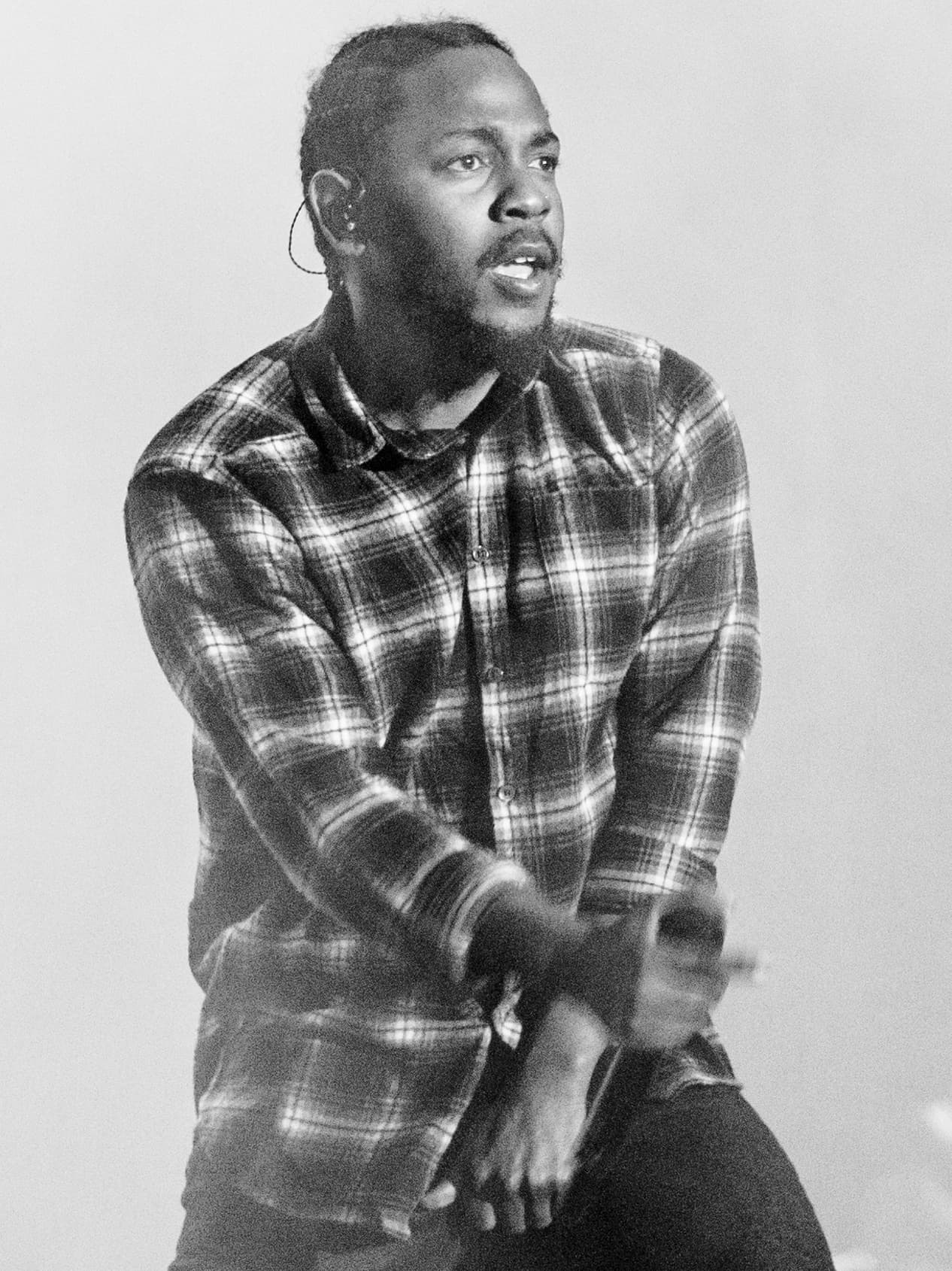
In 2018, To Pimp a Butterfly became the first rap album ever to win the Pulitzer Prize for Music, a feat that also required the Pulitzer board to create a special citation for Kendrick Lamar's subsequent album DAMN. Released on March 15, 2015, the album fuses jazz, funk, soul, and spoken word into a searing narrative on Black identity, fame, and systemic oppression, featuring contributions from Flying Lotus, George Clinton, Thundercat, and Snoop Dogg. As a political statement, it surpasses even the average landmark like Public Enemy's Fear of a Black Planet by blending intellectual depth with musical innovation.
- 0#10
The Marshall Mathers LP — Eminem (2000)
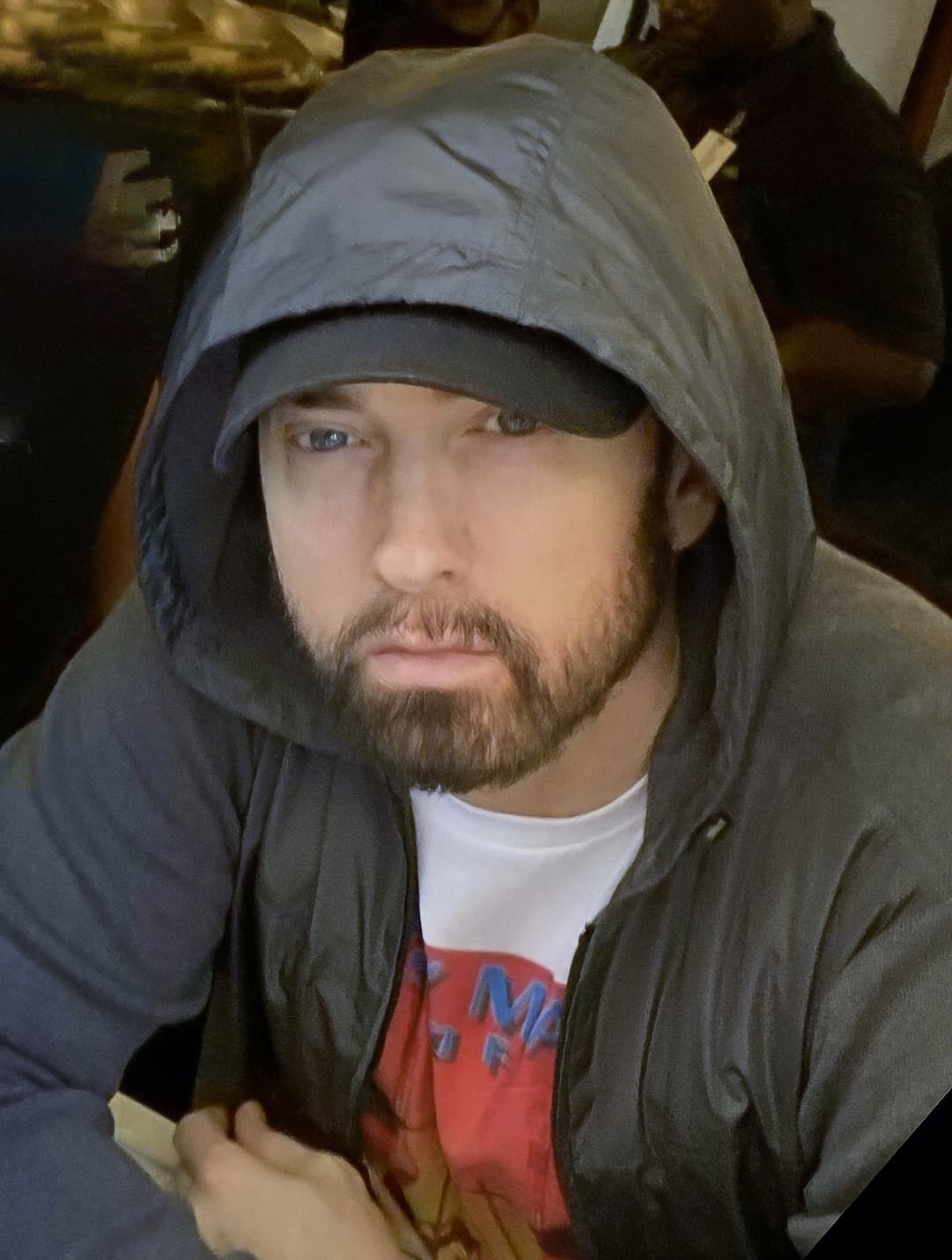
The Marshall Mathers LP was the fastest-selling rap album in history at the time of its release, moving 1.76 million copies in its first week in the United States alone upon its May 23, 2000 release on Aftermath/Interscope Records. Produced primarily by Dr. Dre and The 45 King, the album features iconic tracks "The Real Slim Shady," "Stan," and "The Way I Am," showcasing Eminem's technical precision and darkly confessional storytelling. Certified Diamond (10+ million) in the US and winner of the Grammy for Best Rap Album, it ranks 107th on Rolling Stone's 500 Greatest Albums list, a commercial showing that dwarfs most albums on this list.
How Did We Choose the Greatest Rap Albums of All Time?
What criteria were used to rank these rap albums? Four factors were weighted: critical acclaim (anchored by Rolling Stone's 500 Greatest Albums rankings), cultural impact and longevity, commercial reach, and innovation in lyrics and production. No single chart position decided the order — consensus across three decades of music journalism did.
Why does 1994 appear twice in the top five? Illmatic and Ready to Die share a release year because 1994 was hip-hop's most celebrated twelve months on record. Both albums arrived within months of each other and permanently raised the ceiling for the art form.
Think an album is missing or ranked wrong? This list is powered by community votes. Hit the vote button on any entry above and see how your pick stacks up against thousands of other hip-hop fans.
Image credits
- Illmatic — Nas (1994): Wikipedia
- Ready to Die — The Notorious B.I.G. (1994): The Notorious B.I.G. / Wikipedia
- The Chronic — Dr. Dre (1992): Wikipedia
- Reasonable Doubt — Jay-Z (1996): Wikipedia
- Aquemini — OutKast (1998): Wikipedia
- Mos Def & Talib Kweli Are Black Star (1998): Wikipedia
- Madvillainy — Madvillain (MF DOOM & Madlib, 2004): Wikipedia
- My Beautiful Dark Twisted Fantasy — Kanye West (2010): Fred von Lohmann from san francisco / Wikimedia Commons (CC BY 2.0)
- To Pimp a Butterfly — Kendrick Lamar (2015): Wikipedia
- The Marshall Mathers LP — Eminem (2000): Wikipedia
Related Videos
Rank it your way
Remix this list into your own ranking, or head to the play hub for every game mode and community breakdown — blind mode, challenges, tier lists, and more.
You Might Also Like

Top 10 Musicians Who Permanently Changed Music — Before and After Them Were Different
Top 10 Greatest Rap Albums of All Time

Top 10 Apple Music — Top Songs (GB) — October 22, 2026
Top 10 Greatest Rap Albums of All Time

Top 10 Apple Music — Top Songs (GB) — September 8, 2026
Top 10 Greatest Rap Albums of All Time
Top 10 Apple Music — Top Songs (GB) — September 7, 2026
Top 10 Greatest Rap Albums of All Time
Top 10 Apple Music — Top Songs (GB) — September 6, 2026
Top 10 Greatest Rap Albums of All Time
Top 10 Apple Music — Top Songs (GB) — September 5, 2026
Top 10 Greatest Rap Albums of All Time