Irish Wild Atlantic Way
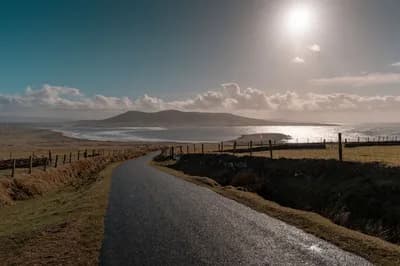
Ireland's Wild Atlantic Way is the longest defined coastal route in the world at 2,500 kilometres, connecting sea cliffs, ancient sites, and medieval towns along a dramatically scenic Atlantic coastline. Average summer temperatures of 18°C, combined with a persistent sea breeze, keep exposed paths genuinely cool. Summer daylight stretches nearly 19 hours at solstice, from 4am to 11pm, extending every activity day dramatically. Galway city hosts the renowned Galway International Arts Festival and the Galway Races in rapid succession, while the Cliffs of Moher rise 214 metres over eight kilometres. Daily budgets of £60 to £95 make Ireland one of the better-value Western European coolcations. The absence of a language barrier and improved bike rental infrastructure along the route boost accessibility for English-speaking travellers, with the Sligo-to-Galway section especially popular among cycling tourists.
Photos (1)
Comments on "Irish Wild Atlantic Way"
Have a take on this ranking?
Save your rankings and see how you compare. Comments are how the argument actually happens here. Posting one needs a free account — it takes about a minute.
No comments yet.
The first comment sets the terms of the argument.