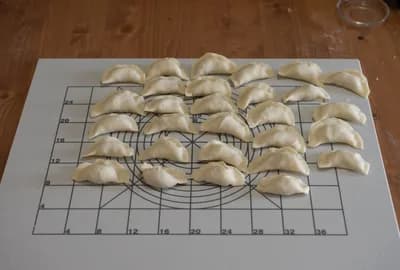
Cabbage-filled dumplings represent a category so culturally universal that naming them requires picking a language: jiaozi in Mandarin Chinese, potstickers in Chinese-American restaurants, gyoza in Japanese, mandu in Korean, pierogi in Polish and Ukrainian, Maultaschen in Swabian German, momo in Tibetan and Nepali cooking. In each tradition, the fundamental construction is the same — a thin dough wrapper enclosing a filling in which shredded cabbage plays a central structural role — but the flavors, cooking methods, and social contexts differ significantly. The role of cabbage in dumpling fillings is not decorative or nutritional. It is technical. Salt-wilted and squeezed cabbage provides the correct moisture level in the filling — wet enough to prevent the dumpling from tasting dry, dry enough not to rupture the wrapper during cooking. It also provides texture contrast, bulk, and a mild sweetness that balances the savory intensity of pork, shrimp, mushroom, or tofu. In the Chinese tradition, napa cabbage is typical. In Polish pierogi, green cabbage combined with sauerkraut (kapusta) creates a more acidic, complex filling. In Korean mandu, kimchi is often incorporated, bringing fermented depth. The cooking method varies by culture and significantly changes the eating experience. Chinese jiaozi are typically boiled in water or pan-fried to create the crispy bottom and steamed top that defines the potsticker. Japanese gyoza are thinner-skinned and crispier, cooked in the same steam-fry method but with more aggressive browning. Pierogi are boiled, then optionally pan-fried in butter. Each method creates a distinct textural experience from the same fundamental structure. Nutritionally, dumplings are moderate — approximately 78 kilocalories per dumpling when pan-fried, with B vitamins, selenium (from mushroom additions), and the fiber content of the cabbage filling. They are filling beyond their caloric density, partly because of the dough's satiating effect and partly because the filling's protein and fiber combination slows gastric emptying. The 2026 trend data for this category is the most striking single data point in the entire cabbage story: Pinterest reported a 110 percent year-over-year increase in searches for cabbage dumplings — the highest search growth rate of any cabbage dish measured. This surge reflects both the broader cabbage trend and a specific 2026 social cooking movement: TikTok and YouTube have made dumpling-folding a learnable skill at scale, and the practice of gathering to make dumplings together — a tradition in Chinese, Korean, and Polish families for centuries — is being adopted by home cooks who find the folding meditative, social, and productively creative. Large batches can be frozen for up to three months, making a two-to-three-hour Sunday dumpling-making session into weeks of weeknight meals at approximately $0.25 to $0.40 per dumpling.
Comments on "Cabbage Dumplings (Potstickers / Gyoza / Pierogi)"
Create a free account or sign in to join the discussion.
Sign in to join the conversation