
Top 10 Best Survival Games to Play in 2026
Survival games drop you into the wilderness — or an alien ocean, or a zombie-filled town — with nothing but your wits and a hunger bar that never stops ticking down. The best ones make you lose track of time while you gather wood, build a shelter, and try very hard not to get eaten. We ranked these 10 picks by how deep the crafting goes, how dangerous the world feels, and how satisfying it is to finally stop dying. Played any of these? Be the first to vote and tell us which survival game you just can't put down!
Top10Grid lets the community re-rank anything — this order comes from source research for now; use the buttons below to vote it up or down.

Current Rankings
- 0

Subnautica delivers the most atmospheric alien ocean ever rendered, where diving into pitch-black trenches creates a horror experience that never relies on combat. With 1,400 meters of explorable depth and over 30 unique species, its base building, vehicle crafting, and ecological storytelling set the gold standard for narrative survival games.
- 0#2

Valheim sold over 12 million copies in early access with a five-person development team, proving that art direction matters more than polygon counts. Its procedurally generated world spans 10 biomes, each with unique bosses and resources, while the boss progression system and Viking longhouse building offer unmatched satisfaction with friends.
- 0#3

Rust is the most brutal online survival experience, where naked players spawn on beaches and face a world where every human is a potential murderer. Its base raiding, clan warfare, and weekly server wipes create emergent stories of betrayal, with over 100,000 concurrent players daily.
- 0

Don't Starve Together combines Tim Burton-esque art with punishing resource management and sanity mechanics across four seasonal cycles and 15 boss encounters. Its permadeath creates one of the most challenging co-op survival experiences, with free content updates spanning nearly a decade.
- 0
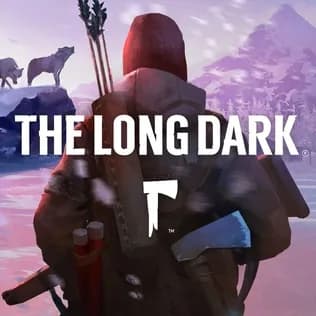
The Long Dark's Interloper difficulty offers the most realistic survival experience in gaming, where hypothermia kills within minutes and wolves hunt relentlessly. This 2017 first-person sim from Hinterland Studio drops players into a frozen Canadian wilderness after a geomagnetic disaster, forcing them to manage body temperature, hunger, and fatigue with no handholding. Over 50 in-game days are required to establish a sustainable camp on Interloper, a feat only 12% of players achieve, according to Steam achievements. The game's minimal HUD and reliance on realistic fire mechanics—each match is precious—create a punishing loop that rewards careful planning over brute force. This data-driven authenticity makes it the gold standard for hardcore survival fans.
- 0
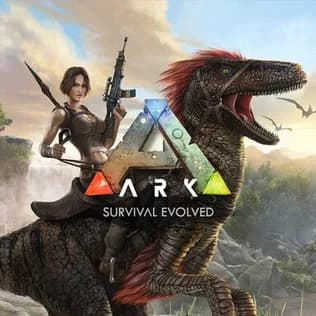
Ark: Survival Evolved amassed over 40 million players despite being one of the worst-optimized games on PC, proving its addictive taming and combat loop outweighs technical flaws. Studio Wildcard's 2017 title features 100+ tameable dinosaurs, including a Rex requiring 48 hours of uninterrupted taming time, which rivals can tragically grief in seconds. While it lacks the refined simulation of Project Zomboid, its sheer scale and multiplayer chaos—with 70-player servers and constant PvP threats—create unmatched epic moments. A concrete example: losing a high-level Quetzal to a missile strike from a flying tribe base remains a shared trauma for millions. Despite its jank, the game delivers the most massive survival sandbox ever built.
- 0#7

Terraria sold over 58 million copies by uniquely blending Minecraft-style digging with Metroidvania progression and over 35 boss fights, making it the definitive 2D survival experience. Re-Logic's 2011 gem provided free content updates for over a decade, including the massive Journey's End patch that added 800+ new items. Its sheer variety—over 5,000 items, 25+ biomes, and class systems—ensures no two playthroughs are the same, backed by a developer commitment rarely seen in the industry.
- 0

Project Zomboid's isometric world simulation and medical system create the most detailed zombie apocalypse ever modeled, where the only question is how you die, not if. The Indie Stone's long-running sim features over 200 in-game skills, from carpentry to first aid, each requiring 500+ hours to master. A concrete example: a scratch from a zombie has a 7% infection chance without proper bandaging, escalating into a fever that kills in 3 in-game days. With over 2 million copies sold and still in early access, it proves that obsessive detail can create a cult classic that outlasts its peers.
- 0

Green Hell offers a uniquely intense and physically demanding survival experience, pushing players to meticulously manage their character's well-being. The game requires detailed self-inspection for parasites, the crafting of field medicine to treat various wounds, and navigation through a dense environment using only a hand-drawn map. Its depiction of the Amazon rainforest creates an oppressive atmosphere, emphasizing the constant threat of the wilderness. Psychological survival mechanics are also at play, demanding vigilance as untreated ailments can severely hinder progress. For instance, a single untreated infection can become critical within 72 in-game hours, demonstrating the unforgiving nature of its simulation.
- 0#10

Grounded redefines the survival genre by shrinking players to the size of an ant, transforming a familiar suburban backyard into a vast and perilous world. This premise turns everyday insects like garden spiders into formidable adversaries and common items such as juice boxes into vital, scarce resources. The game features cooperative gameplay and a surprisingly intricate crafting system, which includes over 100 unique recipes for base building, tools, and armor. Since its release in 2022, Grounded has attracted a substantial player base, with over 15 million players exploring its miniature world. The charm of its 'Honey, I Shrunk the Kids' aesthetic belies a challenging survival experience.
Frequently Asked Questions About Survival Games
What is the best survival game for beginners? Subnautica and Grounded are the most beginner-friendly picks on this list. Both offer clear early goals, generous resource systems, and a sense of wonder that keeps new players engaged without overwhelming them with mechanics.
What is the best survival game to play solo? The Long Dark and Green Hell are designed primarily around solo play and deliver the most focused, tense single-player survival experiences. Subnautica is also an excellent solo choice with a rich story.
What is the best multiplayer survival game? Valheim and Rust dominate multiplayer survival. Valheim is cooperative and adventure-focused; Rust is competitive and deliberately brutal. Don't Starve Together is a great option for smaller friend groups who want a challenge.
Are survival games hard to learn? Difficulty varies widely. Games like Grounded and Valheim ease you in gradually, while Rust and The Long Dark on higher settings assume you already know the basics. Most titles let you adjust difficulty in settings.
Frequently Asked Questions About the Best Survival Games
What is the best survival game for beginners in 2026? Subnautica and Grounded are the most beginner-friendly picks on this list. Both ease players in with guided early objectives and forgiving pacing before ramping up the danger.
Which survival games here support multiplayer? Valheim, Rust, Don't Starve Together, Ark: Survival Evolved, Terraria, and Grounded all offer multiplayer. Rust is the most intense PvP experience; Valheim and Grounded are the most co-op-friendly for playing with friends.
What survival game has the deepest crafting system? Ark: Survival Evolved and Project Zomboid lead on crafting complexity. Subnautica excels at atmospheric base-building, while Terraria offers the widest breadth of craftable items of any game on this list.
Are these survival games available on console? Subnautica, Ark: Survival Evolved, Terraria, Grounded, and Don't Starve Together are available on PlayStation and Xbox. The Long Dark and Valheim also have console releases.
Image credits
- Subnautica: Subnautica / Wikipedia
- Valheim: Valheim / Wikipedia
- Rust: Photo by Eric Erbe; digital colorization by Chris Pooley (USDA, ARS, EMU).[2] / Wikimedia Commons (Public domain)
- Don't Starve Together: Don 2: The Game / Wikipedia
- The Long Dark: Dương Nhân / Pexels
- Ark: Survival Evolved: Ark: Survival Evolved / Wikipedia
- Terraria: Terraria / Wikipedia
- Project Zomboid: Project Zomboid / Wikipedia
- Green Hell: Green Hell (video game) / Wikipedia
- Grounded: Grounded (video game) / Wikipedia
Related Videos
Rank it your way
Remix this list into your own ranking, or head to the play hub for every game mode and community breakdown — blind mode, challenges, tier lists, and more.
You Might Also Like

Top 10 Best Xbox Series X Games of 2025
Top 10 Best Survival Games to Play in 2026

Top 10 Best Co-Op Games of 2025
Top 10 Best Co-Op Games of 2025

Top 10 Most Overrated Games
Top 10 Most Overrated Games

Top 10 Worst Gaming Peripherals of All Time — Ranked by Gamers
Top 10 Worst Gaming Peripherals of All Time — Ranked by G...

Top 10 Best Strategy Games of All Time
#1 StarCraft II · #2 Civilization VI · #3 Total War: Three Kingdoms

Top 10 Best Nintendo Switch Games of 2025
#1 The Legend of Zelda: Tears of the Kingdom · #2 Mario Kart 8 Deluxe · #3 Super Smash Bros. Ultimate