#4
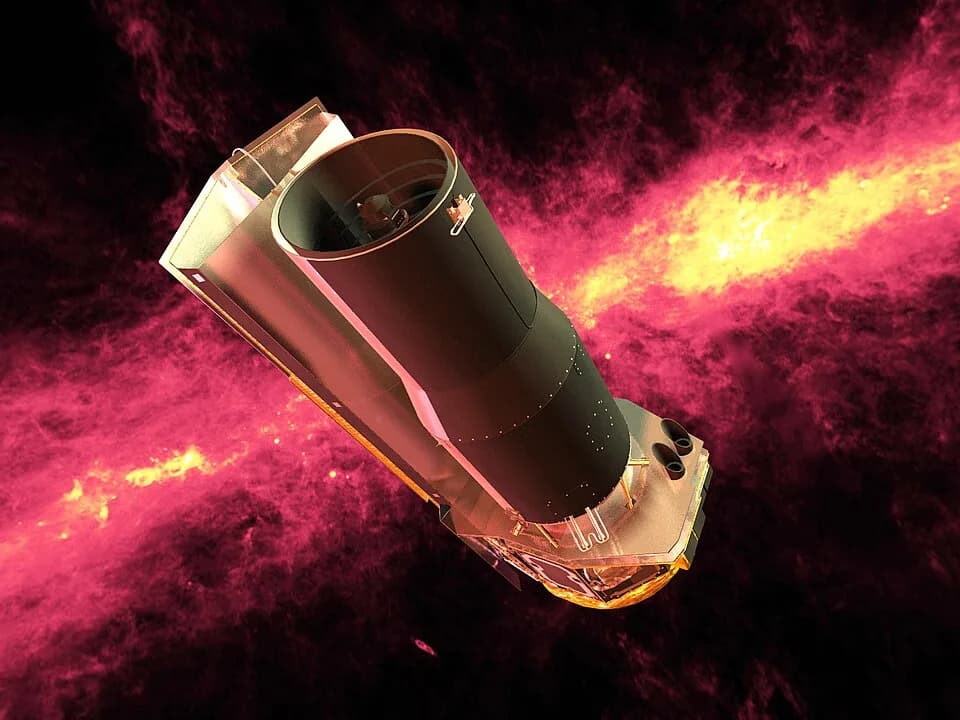
Spitzer Space Telescope (2003–2020)
Spitzer discovered seven Earth-sized planets orbiting the TRAPPIST-1 star in 2017, a feat that required 500 hours of infrared monitoring impossible for Hubble in optical light. Its 16-year mission mapped the Milky Way's spiral arms using 1.2 million infrared sources and peered through interstellar dust clouds to reveal star-forming regions 10 times fainter than any optical survey.
–
Photos (1)
Comments on "Spitzer Space Telescope (2003–2020)"
Have a take on this ranking?
Save your rankings and see how you compare. Comments are how the argument actually happens here. Posting one needs a free account — it takes about a minute.
No comments yet.
The first comment sets the terms of the argument.