#3
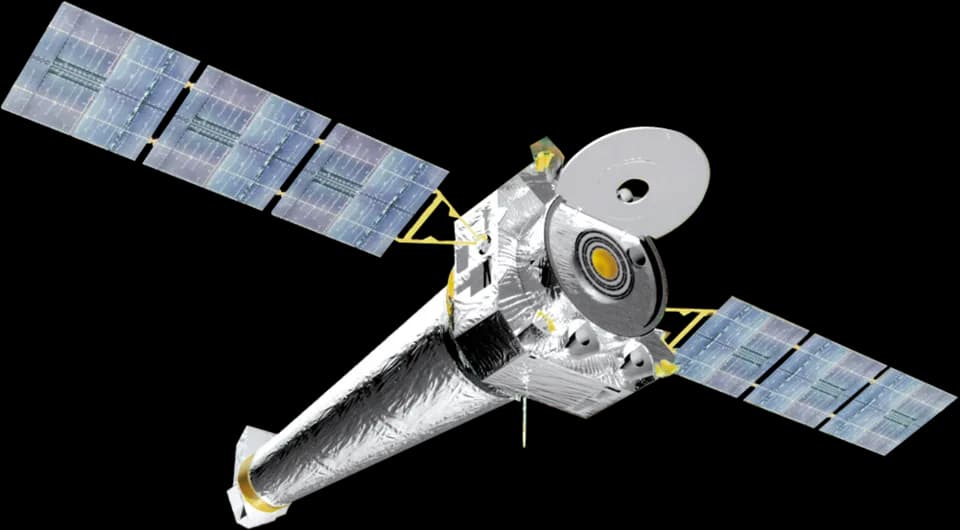
Chandra X-ray Observatory (1999–present)
Chandra's 0.5 arcsecond angular resolution is 100 times finer than any previous X-ray mission, allowing it to map dark matter distribution in galaxy clusters like the Bullet Cluster with 99% confidence. It has imaged superheated gas at temperatures exceeding 10 million Kelvin, revealing black hole environments and neutron star collisions that Hubble cannot detect.
–
Photos (1)
Comments on "Chandra X-ray Observatory (1999–present)"
Have a take on this ranking?
Save your rankings and see how you compare. Comments are how the argument actually happens here. Posting one needs a free account — it takes about a minute.
No comments yet.
The first comment sets the terms of the argument.