#2
Discovery of the Coelacanth
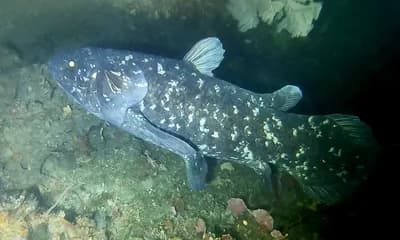
The coelacanth's rediscovery in 1938 off South Africa stands as the most dramatic example of a Lazarus taxon in marine biology, dethroning assumptions that deep-sea exploration had few surprises left. Marjorie Courtenay-Latimer's identification of this 1.8-meter fish, thought extinct for 66 million years, provided a living window into the Devonian period.
–
Photos (1)
Comments on "Discovery of the Coelacanth"
Have a take on this ranking?
Save your rankings and see how you compare. Comments are how the argument actually happens here. Posting one needs a free account — it takes about a minute.
No comments yet.
The first comment sets the terms of the argument.