GeForce RTX 5070
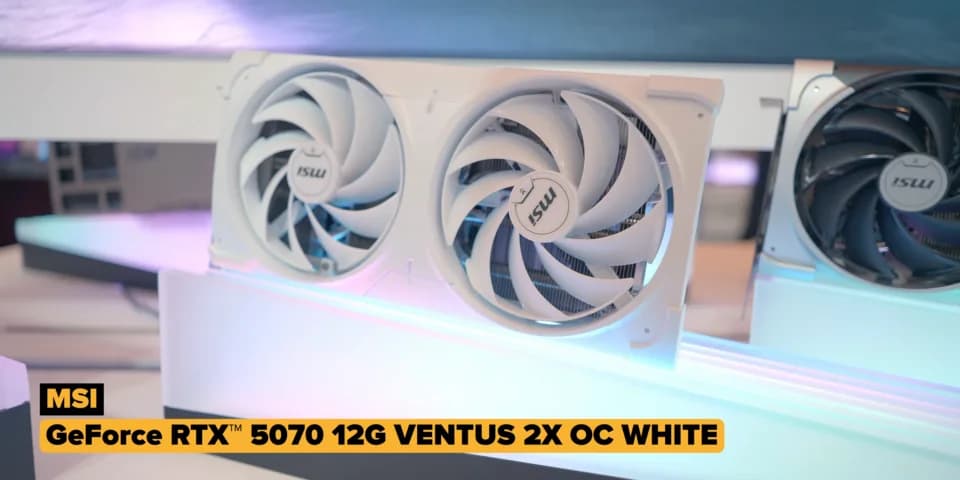
The GeForce RTX 5070 uses NVIDIA's smaller GB205 Blackwell die, with 6,144 CUDA cores at a 2510MHz boost clock. It's the first card on this list to drop to a 192-bit memory bus, pairing 12GB of GDDR7 with 672 GB/s of bandwidth. Launched at $549, it currently sells for a midpoint of roughly $649 per gpudeals.net's $599-688 tracked range (July 2026). At 250W with a single 2x 8-pin adapter connector, it's an efficient, easy-to-cool card that scores 66 on the power-efficiency index, solidly mid-pack. The significant caveat, and the reason this card doesn't rank higher despite solid index numbers: its 12GB VRAM buffer is the tightest of any 16GB-class competitor at this price point, capping headroom for texture-heavy 1440p ultra settings and any serious 4K ambitions as games grow more VRAM-hungry. Buyers who want a straightforward, efficient 1440p card and don't plan to push texture settings to their limits will find the 5070 an easy recommendation; buyers eyeing 4K or long-term future-proofing should look at the 16GB-equipped RX 9070 or RTX 5070 Ti instead, both of which sidestep this VRAM ceiling entirely. It's a natural fit for 1440p esports and single-player gaming alike, provided you're not chasing maximum texture settings for the long haul.
Photos (1)
Comments on "GeForce RTX 5070"
Have a take on this ranking?
Save your rankings and see how you compare. Comments are how the argument actually happens here. Posting one needs a free account — it takes about a minute.
No comments yet.
The first comment sets the terms of the argument.