Dexcom Stelo
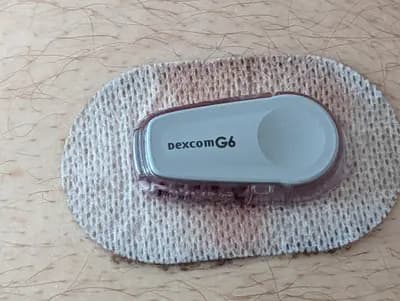
Dexcom Stelo is the most categorically different product on this list. It is not a ring, not a watch, not a fitness band — it is a continuous glucose monitor, a small sensor applied to the back of your upper arm that measures glucose levels continuously for up to 15 days without fingersticks, without a prescription, and since its FDA OTC clearance in 2024, without any prior diabetes diagnosis required. Understanding why it belongs on a list of AI health wearables requires understanding what glucose data adds to the health picture that no optical sensor can provide. Every ring and smartwatch on this list measures proxies for metabolic health — heart rate variability, sleep quality, recovery scores, skin temperature. These are meaningful signals. But none of them can tell you that your energy crash at 3pm is driven by a blood sugar spike and drop from lunch, or that your poor sleep last night correlated with elevated glucose at 11pm from a late meal. Dexcom Stelo measures the thing directly, and its AI pattern detection and plain-language glucose guidance translate continuous glucose data into notifications and recommendations that make the numbers interpretable without a clinical background. The accuracy is clinically validated at approximately 8.2% MARD — mean absolute relative difference — which is the standard measure for CGM accuracy. For context, that is within the range approved for insulin dosing in clinical CGMs, though Stelo is intended for metabolic awareness rather than insulin management. The app connects food logging, physical activity, and glucose trends to show you in real time how your body responds to specific meals, types of exercise, sleep quality, and stress. This is metabolic intelligence that no wrist device currently offers. The economics are different from every other product here. Stelo is a consumable: at roughly $99 per two-pack covering 30 days, or approximately $89 per month on subscription, it costs meaningfully more over time than a one-time ring purchase. The sensor itself is not a device you own and keep wearing; it is replaced every 15 days. For the metabolic insight it provides, many users find the cost justified — particularly those managing weight, energy, or athletic performance — but it is not a direct substitute for any ring or watch on this list. It is a complement, and used alongside something like Oura Ring 4 or Ultrahuman Ring AIR, the combined metabolic plus biometric picture becomes considerably richer than either alone.
Photos (1)
Comments on "Dexcom Stelo"
Have a take on this ranking?
Save your rankings and see how you compare. Comments are how the argument actually happens here. Posting one needs a free account — it takes about a minute.
No comments yet.
The first comment sets the terms of the argument.