Finding the cells that put our brain to sleep
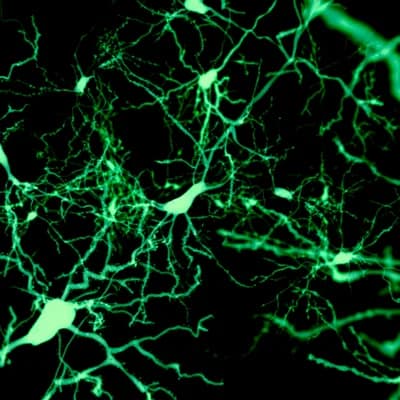
Recent research has shed new light on the cells that play an active role in initiating and regulating sleep. A study published in *Nature* in September 2026 identified an exceptionally rare population of neurons in the cerebral cortex, dubbed Sst-Chodl cells, which actively coordinate brain activity and promote sleep. These cells, accounting for approximately 0.2% of cortical neurons, project signals across wide areas of the brain to induce slow rhythms characteristic of non-rapid eye movement sleep. This discovery challenges the long-held view that the cortex passively receives sleep signals, suggesting it directly participates in sleep onset. When researchers artificially activated these Sst-Chodl neurons in mice, the animals fell asleep faster and remained asleep longer. Separately, a research team from the University of Basel, in collaboration with Beth Israel Deaconess Medical Center and Auburn University, identified specific neuron groups in mice that become more active during prolonged wakefulness and actively promote sleep afterward. These findings, published in October 2026, offer a clearer understanding of how the brain builds the pressure to sleep, potentially paving the way for new therapies for sleep disorders.
Photos (1)
Comments on "Finding the cells that put our brain to sleep"
Have a take on this ranking?
Save your rankings and see how you compare. Comments are how the argument actually happens here. Posting one needs a free account — it takes about a minute.
No comments yet.
The first comment sets the terms of the argument.