Verified MethodologyPrimary Evidence 45% · Comparative Specs 30% · Community Consensus 25%
Godzilla Minus Zero vs. Minus One? Top 10 Best Godzilla Movies (2026)
Godzilla Minus Zero roared into theaters in November 2026, setting an all-time Japanese live-action opening-day record of ¥910 million and topping the North American box office with $31.6 million. Its arrival has ignited a heated fan…
Read more
debate: can Takashi Yamazaki's $13-18 million R-rated King Ghidorah sequel surpass his 2023 Oscar-winning Godzilla Minus One? Across 40 feature films spanning 72 years—from Ishiro Honda's sobering 1954 nuclear allegory to Hideaki Anno's bureaucratic satire Shin Godzilla and Hollywood's Monsterverse—few franchises balance prestige drama and city-leveling spectacle like this. Here are the 10 best Godzilla movies of all time, ranked in November 2026. This ranking compares the 10 best Godzilla films across Toho's Showa, Heisei, and Reiwa eras alongside Legendary's Monsterverse as of November 2026. It weighs critical consensus, human drama, kaiju spectacle, and franchise legacy after Godzilla Minus Zero's record-breaking theatrical debut. Each film is scored across 4 weighted pillars: Critical & Audience Reception (35%), Human Drama & Themes (30%), Kaiju Spectacle & VFX (20%), and Cultural & Franchise Impact (15%). Tomatometer scores, runtimes, budgets, and box office totals are sourced from Rotten Tomatoes' November 2026 ranking, DIRECTV Insider, Boxoffice Pro, The Guardian, and verified Wikipedia film records.
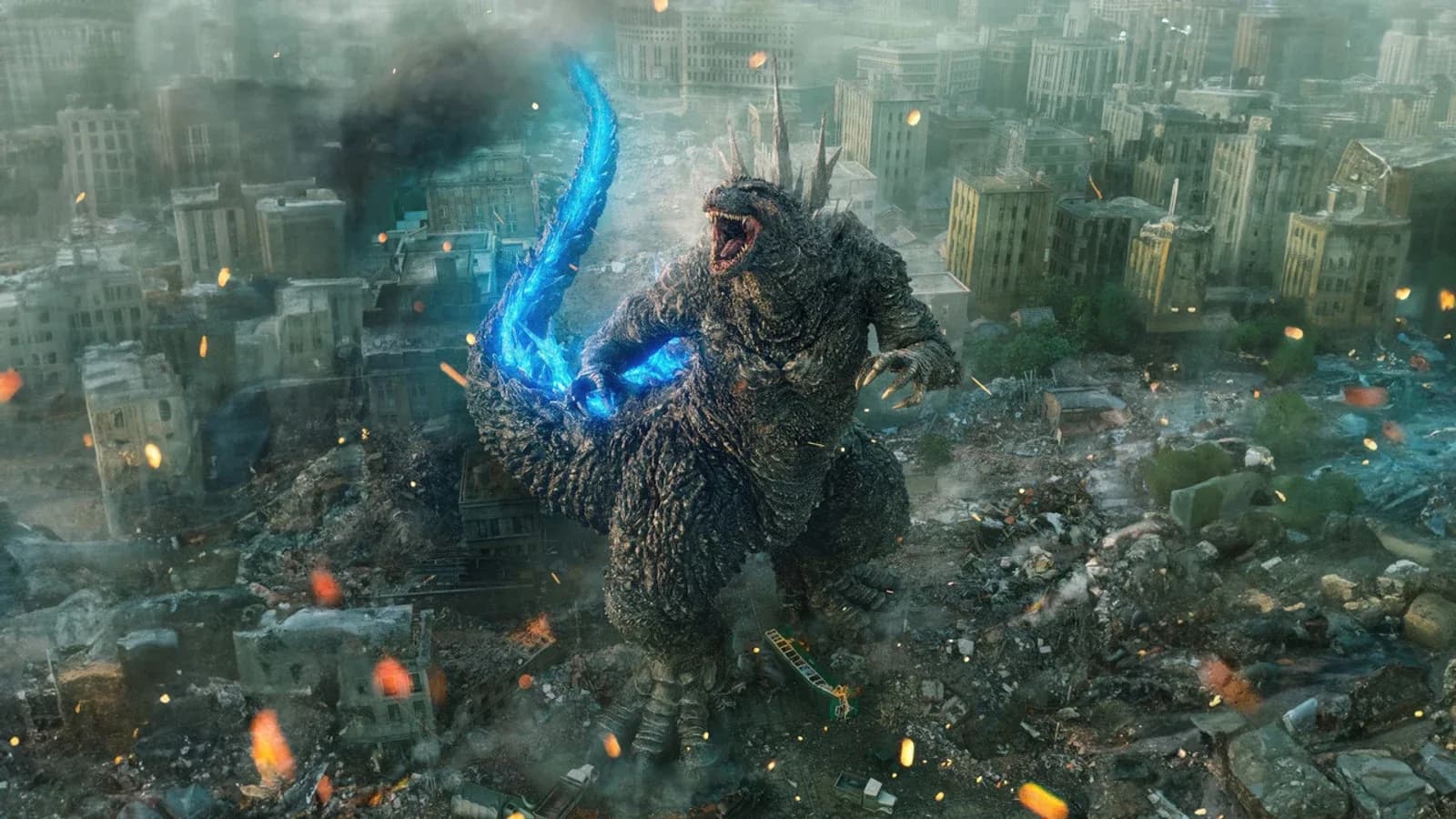
Godzilla Minus One Official Scene Still (TMDB)

Starting order. Vote up or down to reorder this list.
Current Rankings
- #1 Top RankedLeader
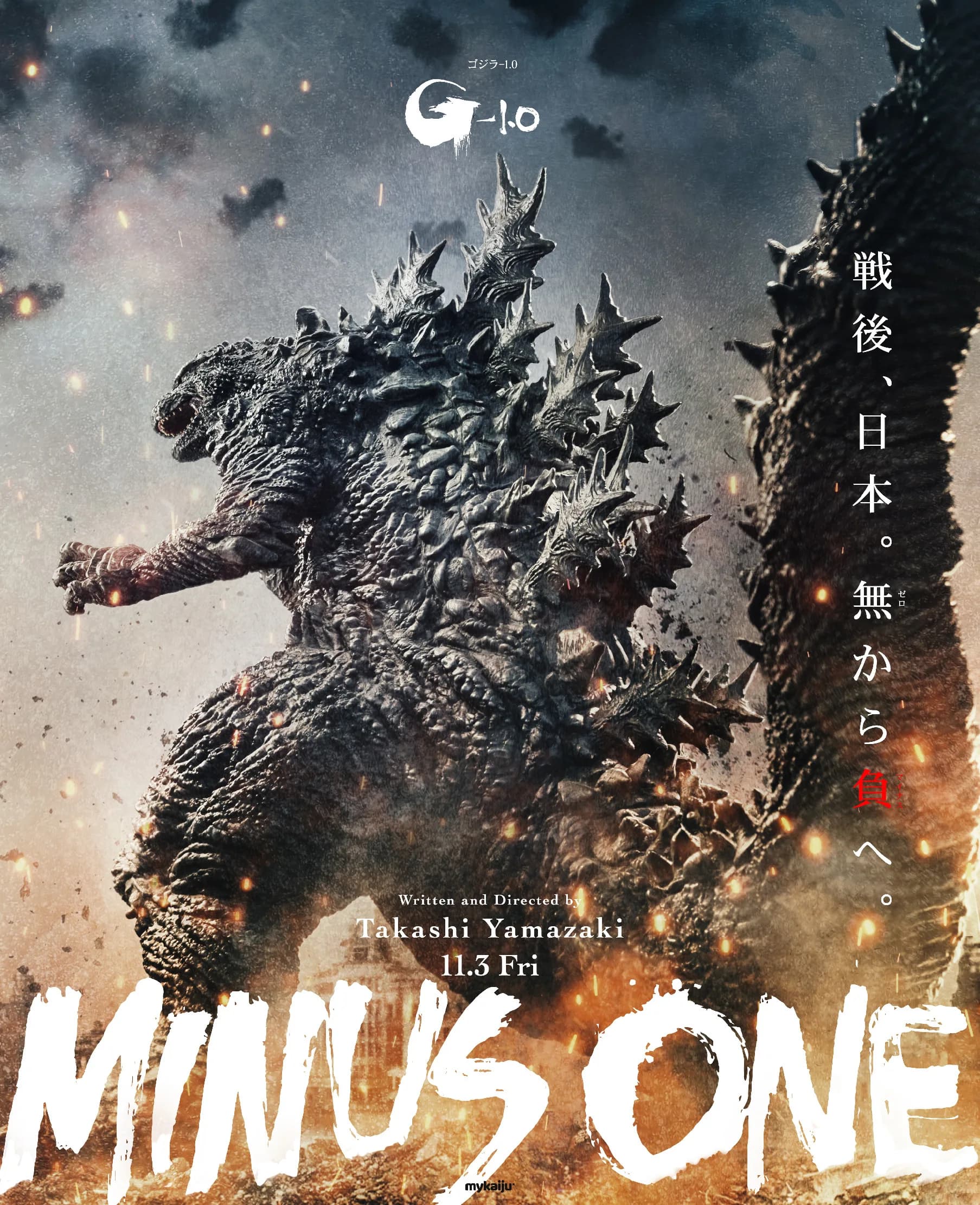
Set in devastated 1945-1947 postwar Japan, Takashi Yamazaki's Godzilla Minus One follows kamikaze survivor Koichi Shikishima as he confronts survivor's guilt alongside an unconventional makeshift family while Godzilla terrorizes Ginza and Sagami Bay. Rather than relying on government committees, ordinary veterans mount a desperate civilian operation using decommissioned naval destroyers and a Kyushu J7W Shinden fighter.
Why it ranks #1: Godzilla Minus One holds #1 over #2 Godzilla (1954) because it pairs the emotional weight of postwar trauma with modern character storytelling and Academy Award-winning visual effects produced for $10 million. While #2 invented the genre in 1954, Minus One boasts a higher 99% Rotten Tomatoes score (vs 94%) and proved a Japanese-language kaiju drama could gross $116 million worldwide and win Best Visual Effects at the 96th Oscars. Against #3 Godzilla Minus Zero, Minus One remains tighter in pacing and character focus; critics on Wikipedia and Inverse noted that Minus Zero expands the monster scale but feels less tightly organized than Shikishima's original redemption arc. 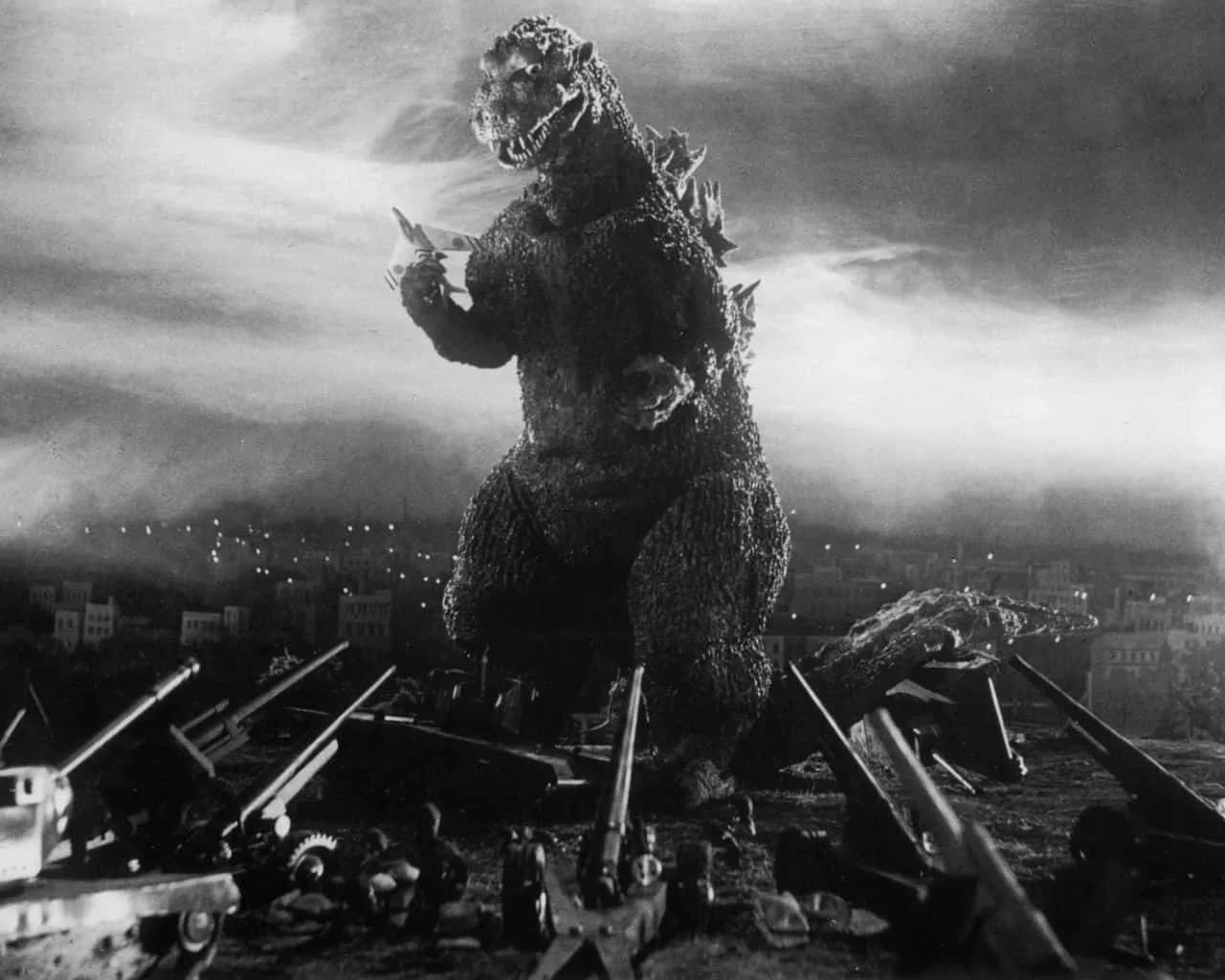
Released in Japan on November 3, 1954, Gojira transformed atomic-age anxiety into cinema's longest-running film franchise. Special effects director Eiji Tsuburaya pioneered suitmation—with Haruo Nakajima inside a 100 kg latex suit smashing 1:25-scale Tokyo miniatures—while Akira Ifukube composed the unmistakable brass motif.
Why it ranks #2: Ishiro Honda's 1954 original ranks just behind #1 Godzilla Minus One because its pacing and 1950s miniature constraints show their age to modern viewers, even though its historical importance is unmatched in the genre. Still, it outranks #3 Godzilla Minus Zero (94% vs 91% on Rotten Tomatoes) as the foundational anti-nuclear masterpiece that inspired every serious entry that followed, including both Yamazaki films. Filmed mere months after the 1954 Daigo Fukuryu Maru radiation incident, Dr. Serizawa's tragic Oxygen Destroyer sacrifice remains more haunting than #3's larger-scale kaiju duel.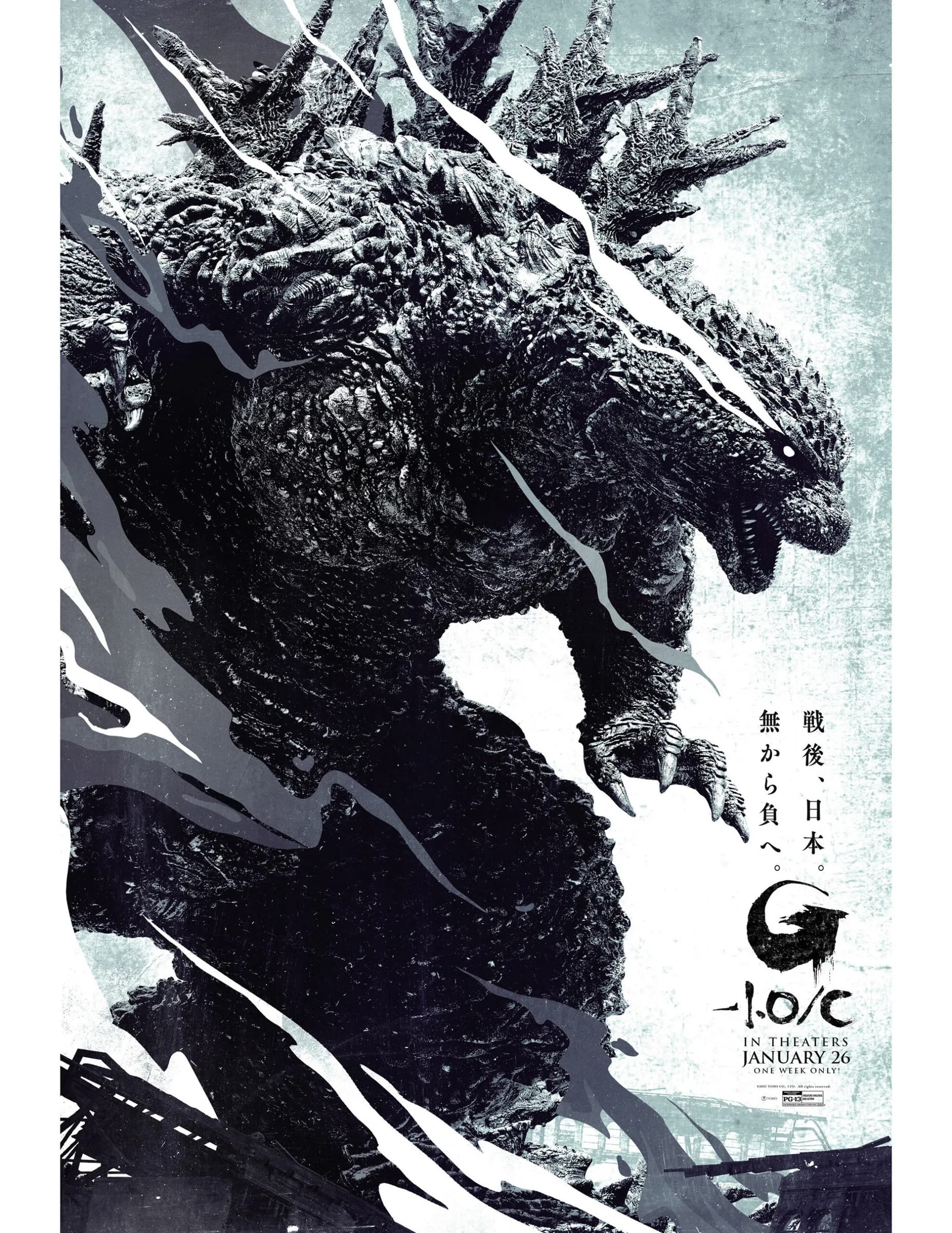
Set in 1949, 2 years after Minus One, Takashi Yamazaki's sequel pits a regenerating Godzilla against a meteorite-born, lightning-harnessing King Ghidorah while Noriko copes with G-cell mutations. Released in Japan on November 3, 2026 and North America on November 6 as the first Japanese feature filmed for IMAX, it broke records for Japan's highest live-action opening day (¥910 million) and North America's biggest foreign-language live-action debut ($31.6M), earning an 'A' CinemaScore and 74 on Metacritic.
Why it ranks #3: Godzilla Minus Zero places #3—behind #2 Godzilla (1954)'s 94% RT and #1 Minus One's 99% RT—because critics noted its 135-minute R-rated plot juggles more subplots and contrivances than its leaner 2023 predecessor. Yet it beats #4 Shin Godzilla (91% vs 87% RT) with deeper emotional investment in returning leads Koichi and Noriko, plus IMAX-filmed King Ghidorah aerial battles that propelled it to $31.6 million in its U.S. opening weekend and over $72 million worldwide in its first week. Where #4 excels as clinical political satire, Minus Zero delivers heart-pounding theatrical spectacle.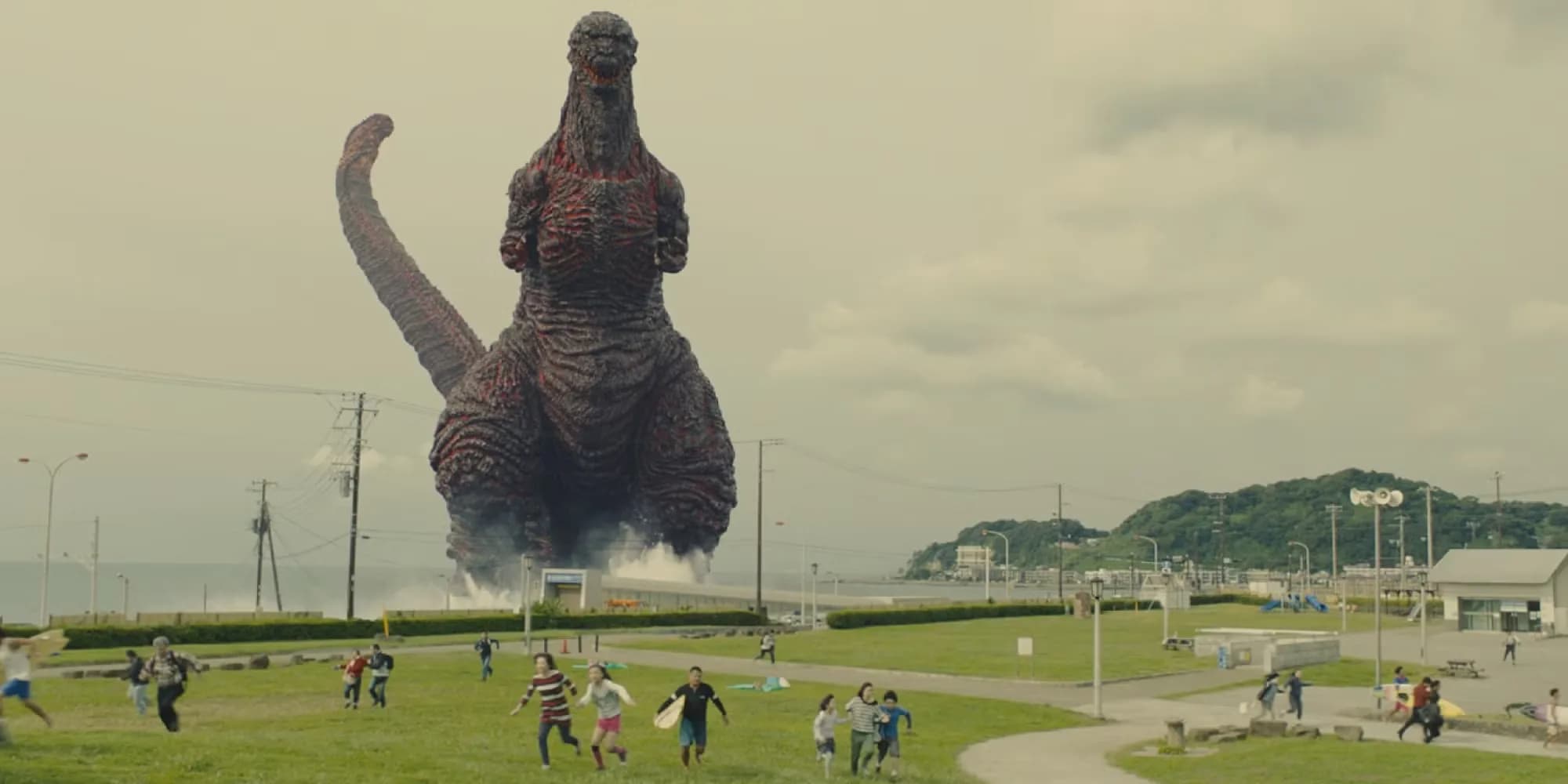
Co-directed by Evangelion creator Hideaki Anno and Shinji Higuchi, Shin Godzilla treats a monstrous Tokyo Bay emergence as a real-time government crisis. As Godzilla mutates from an amphibious crawler into a 118.5-meter towering reactor, Deputy Chief Cabinet Secretary Rando Yaguchi battles red tape and an impending UN nuclear strike to execute a daring deep-freeze operation using coagulant tankers and unmanned trains.
Why it ranks #4: Shin Godzilla sits behind #3 Godzilla Minus Zero because its rapid-fire bureaucratic meetings and sparse individual character arcs left some Western audiences cold (87% vs 91% RT, and 67 vs 74 on Metacritic). However, it outranks #5 Mothra vs. Godzilla by modernizing the franchise's disaster-allegory roots for post-2011 Fukushima Japan, sweeping 7 Japan Academy Prizes including Picture of the Year and grossing $83.3 million worldwide. Its terrifying, evolving CGI Godzilla and nocturnal atomic-breath sequence remain bolder than #5's classic Showa monster brawl.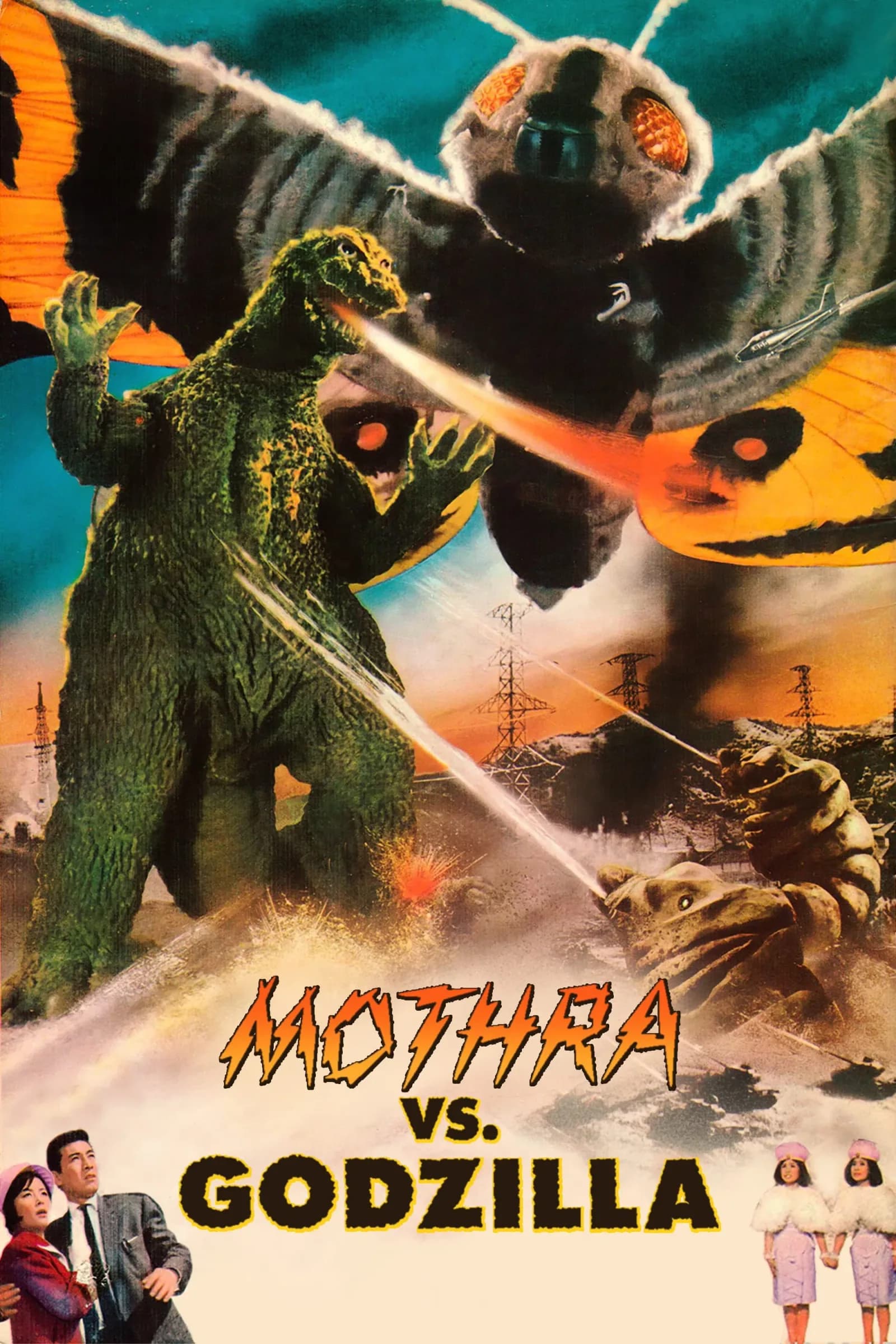
Released on April 29, 1964, Mothra vs. Godzilla casts Godzilla as a destructive antagonist one final time in the Showa era.
Why it ranks #5: Mothra vs. Godzilla trails #4 Shin Godzilla in modern scale and thematic depth, yet holds #5 with a stellar 93% Rotten Tomatoes score as the peak of Toho's 1960s Showa Golden Age. It outranks #6 Godzilla vs. Destoroyah by pairing sharp corporate-greed satire with Ishiro Honda's most vibrant 88-minute pacing and Eiji Tsuburaya's finest miniature and puppetry work, selling 7.22 million tickets in Japan across its original and re-release runs. While #6 delivers emotional Heisei finality, Mothra vs. Godzilla remains the quintessential classic monster-versus-monster blueprint.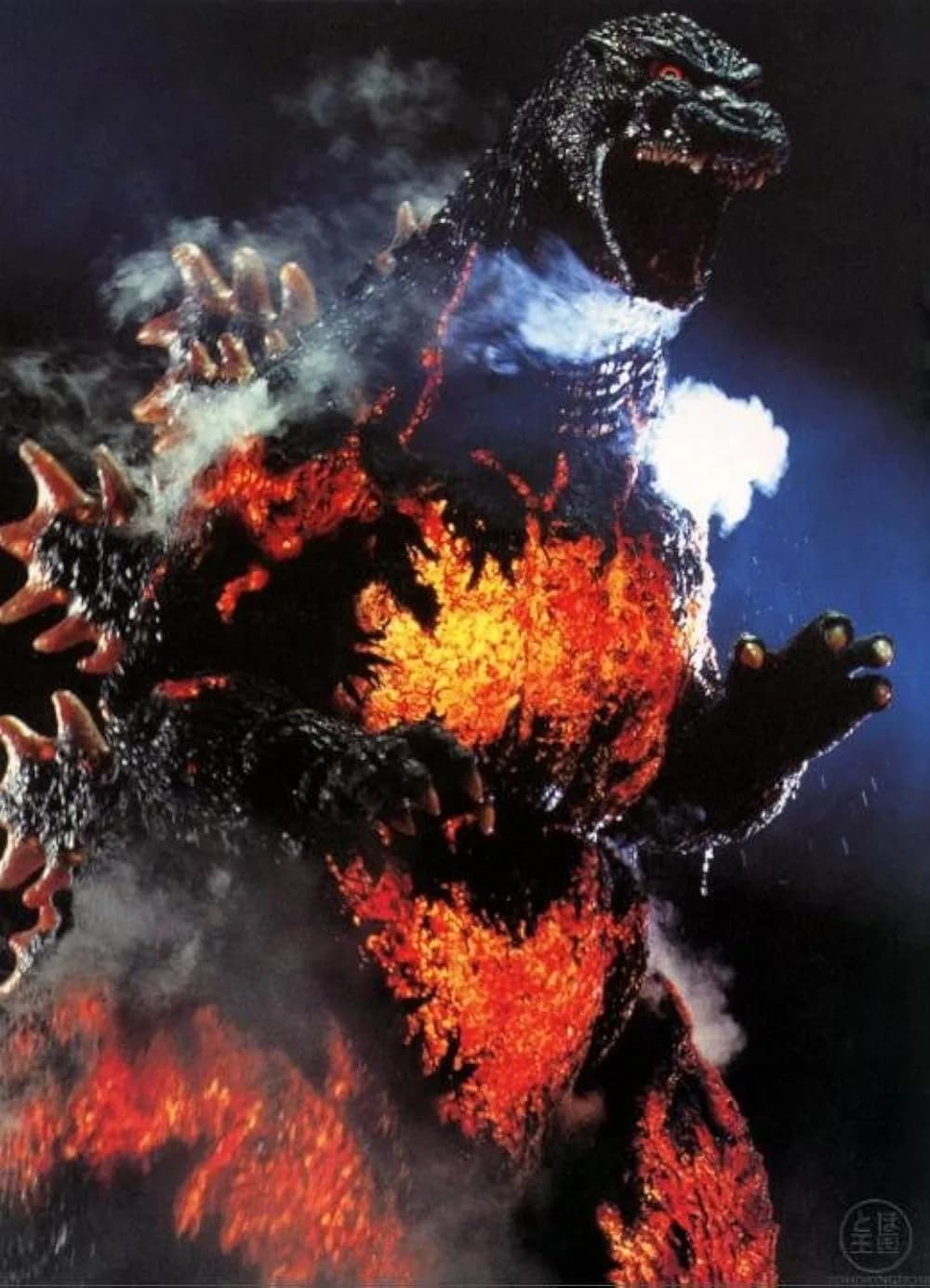
Released December 9, 1995 under Toho's headline campaign 'Godzilla Dies,' Takao Okawara's Heisei finale sees Godzilla's nuclear heart approach a 1,200-degree Celsius meltdown that threatens to destroy Earth. Simultaneously, Precambrian organisms mutated by the 1954 Oxygen Destroyer merge into Destoroyah, a towering adversary that fatally wounds Godzilla Junior.
Why it ranks #6: Despite holding a 100% Rotten Tomatoes critics' score (on 6 reviews), Godzilla vs. Destoroyah ranks below #5 Mothra vs. Godzilla because its heavy Heisei continuity and 103-minute pacing lean on melodrama rather than standalone polish. Still, it outranks #7 Godzilla vs. Mechagodzilla (1974) as the grand, emotional finale to the 7-film Heisei era, tying directly back to 1954's Oxygen Destroyer and selling 4 million tickets (¥3.5 billion / $34.5 million) in Japan. Akira Ifukube's final Godzilla score gives Burning Godzilla's meltdown an operatic weight #7 never aims for.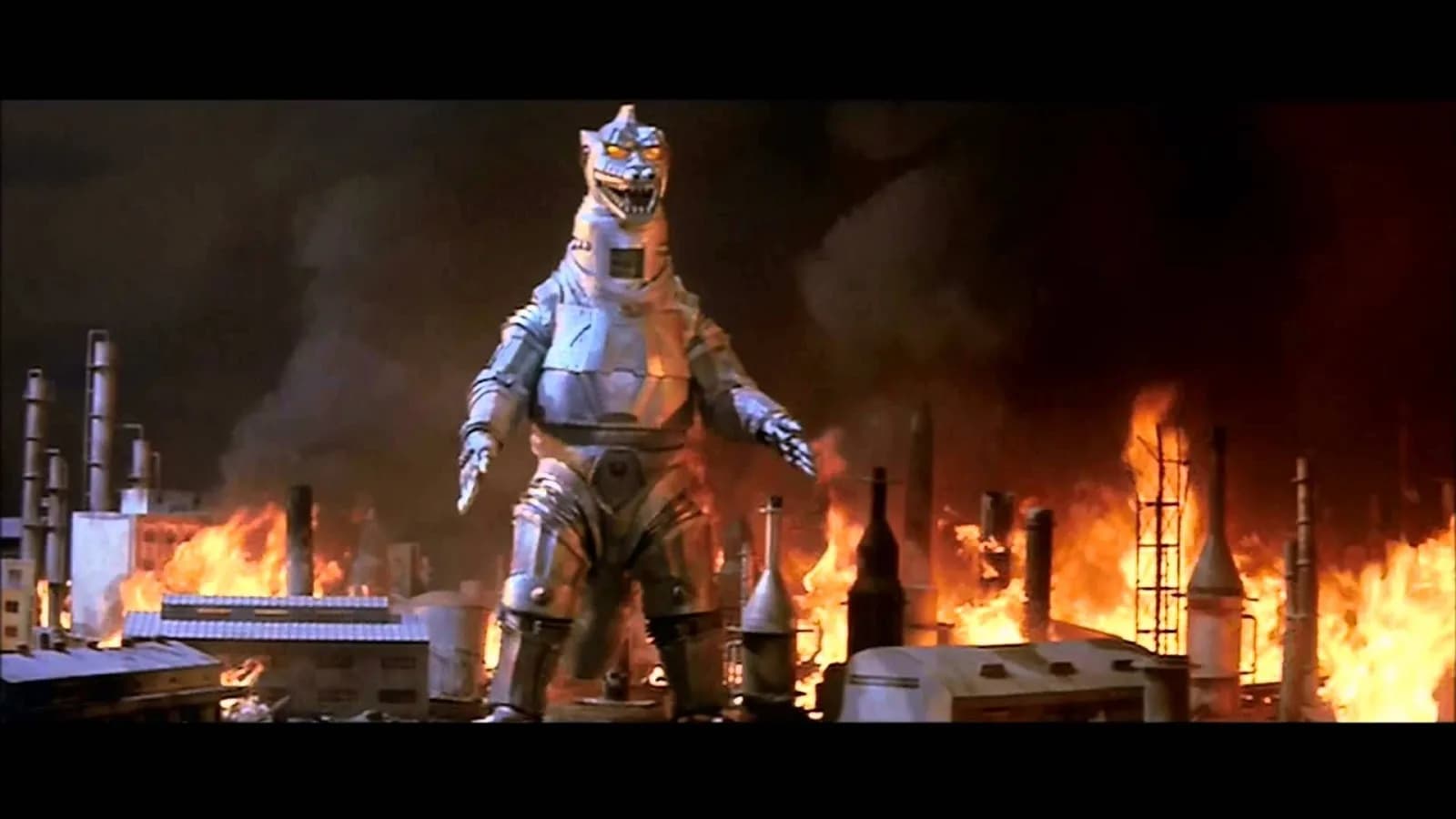
Produced for Godzilla's 20th anniversary and released March 21, 1974, Jun Fukuda's Godzilla vs. Mechagodzilla opens with a fake Godzilla breaking Anguirus's jaw before shedding its disguise to reveal space-titanium armor.
Why it ranks #7: Godzilla vs. Mechagodzilla (1974) ranks below #6 Godzilla vs. Destoroyah because its 1970s spy-fi alien plot and rubber-suit brawling embrace camp rather than tragedy. Yet it climbs ahead of #8 Godzilla (2014) on Rotten Tomatoes (86% vs 76%) and pure franchise creativity: introducing Mechagodzilla—an alien-built robotic doppelganger armed with finger missiles and eye beams—created one of cinema's greatest sci-fi villains. Its brisk 84-minute runtime, Masaru Sato's jazzy score, and Okinawan guardian King Caesar deliver nonstop entertainment that #8's restrained pacing holds back.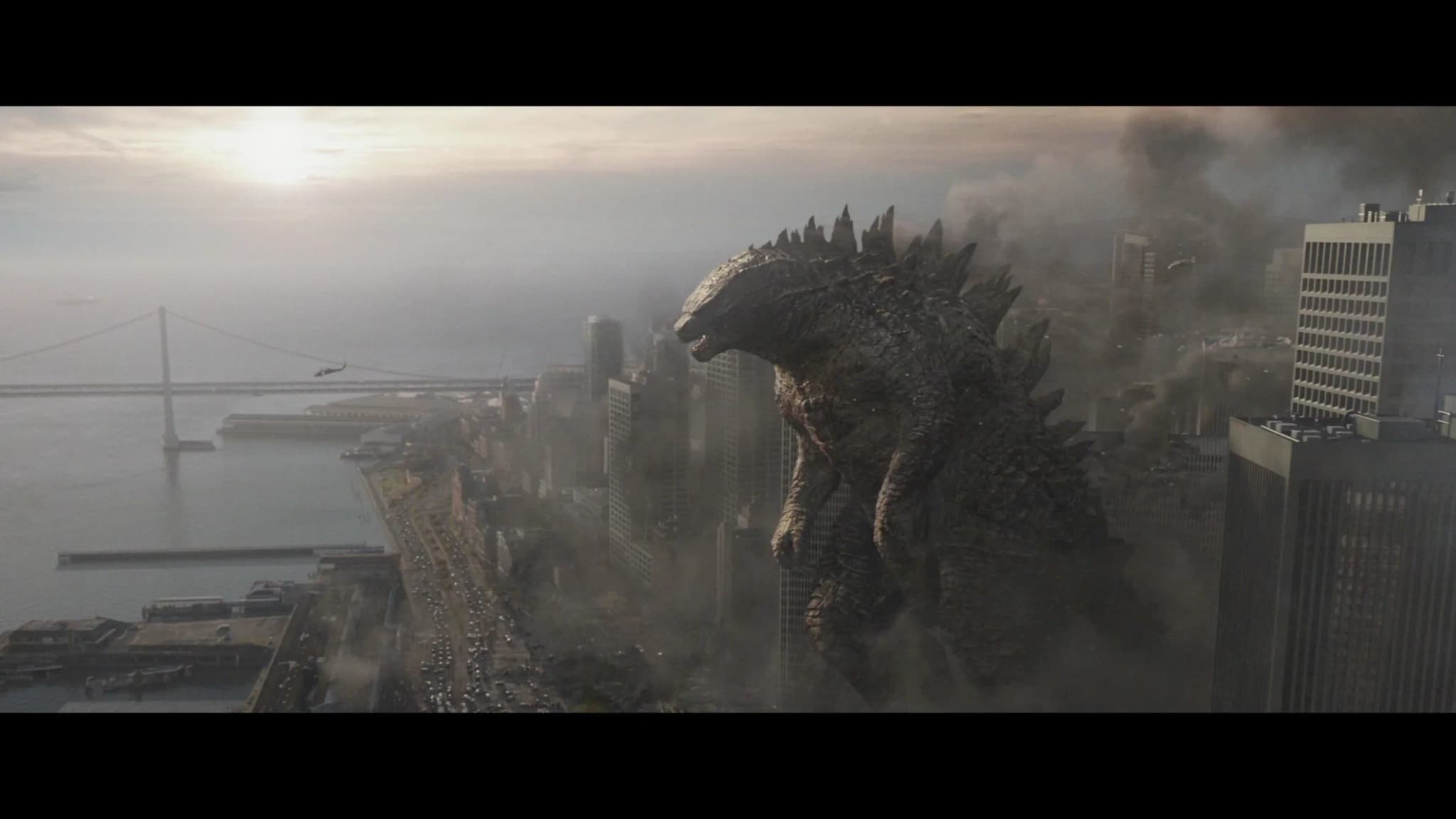
Released on May 16, 2014 on a $160 million budget, Godzilla launched Legendary Pictures' Monsterverse and revived Hollywood's appetite for Toho's flagship monster after 1998's misstep. When parasitic MUTOs awaken from a Japanese nuclear plant and Nevada waste site, U.S.
Why it ranks #8: Gareth Edwards' Godzilla (2014) trails #7 Godzilla vs. Mechagodzilla in critical approval (76% vs 86% RT) and draws frequent complaints for killing Bryan Cranston's Joe Brody early and cutting away from monster clashes. Even so, it outranks #9 Godzilla vs. Kong (76% vs 75% RT, and $529.1 million vs $470 million worldwide) by grounding Legendary's Monsterverse in awe-inspiring scale, HALO-jump cinematography, and Spielbergian suspense. Where #9 prioritizes weightless neon slugfests, Edwards' 123-minute reboot treats Godzilla as a monumental force of nature.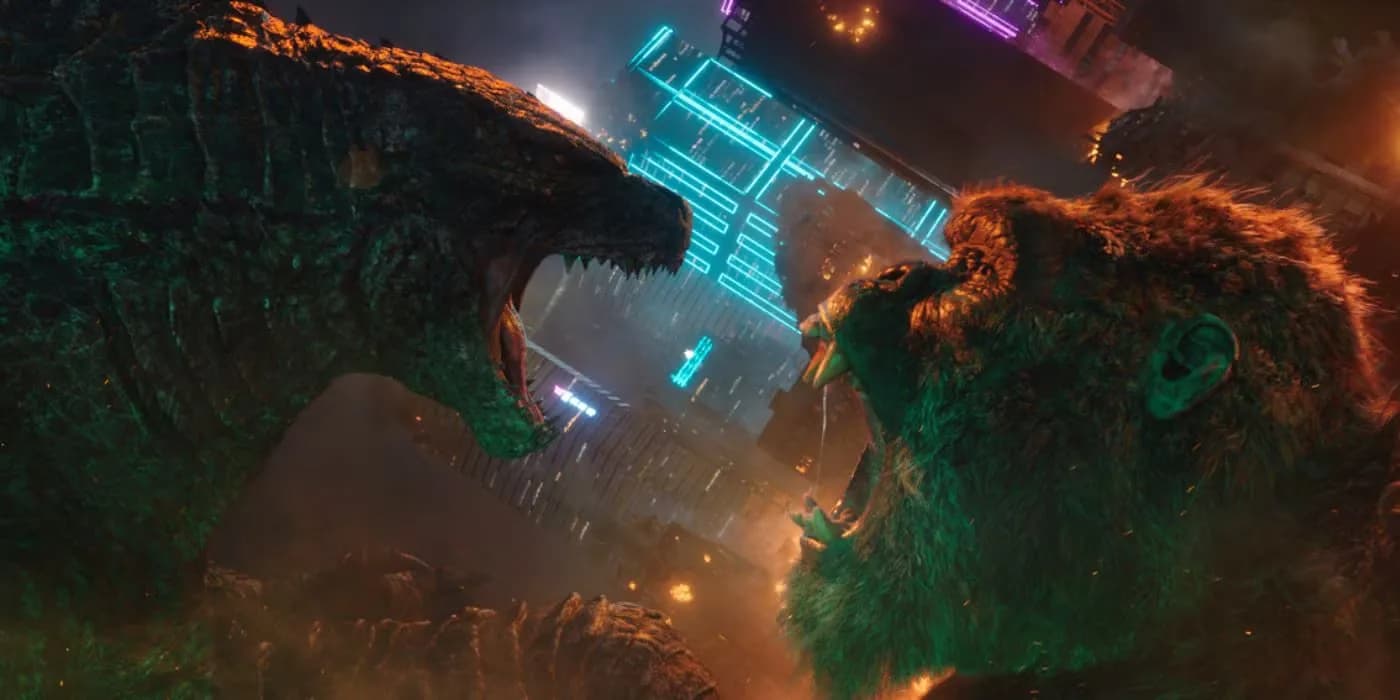
Released in March 2021 simultaneously in theaters and on HBO Max, Adam Wingard's Godzilla vs. Kong pits Monsterverse titans against each other in a brisk 113-minute crowd-pleaser.
Why it ranks #9: Godzilla vs. Kong ranks behind #8 Godzilla (2014) because its thin human conspiracy subplot and lower box office ($470 million vs $529.1 million, though released amid 2021 pandemic restrictions) sacrifice atmospheric tension for pure spectacle. However, it edges #10 Ghidorah, the Three-Headed Monster on modern blockbuster energy: Adam Wingard delivers daylight Tasman Sea carrier battles, a neon-lit Hong Kong showdown, and a definitive winner before uniting Godzilla and Kong against Apex Cybernetics' Mechagodzilla, breaking HBO Max launch records in the process.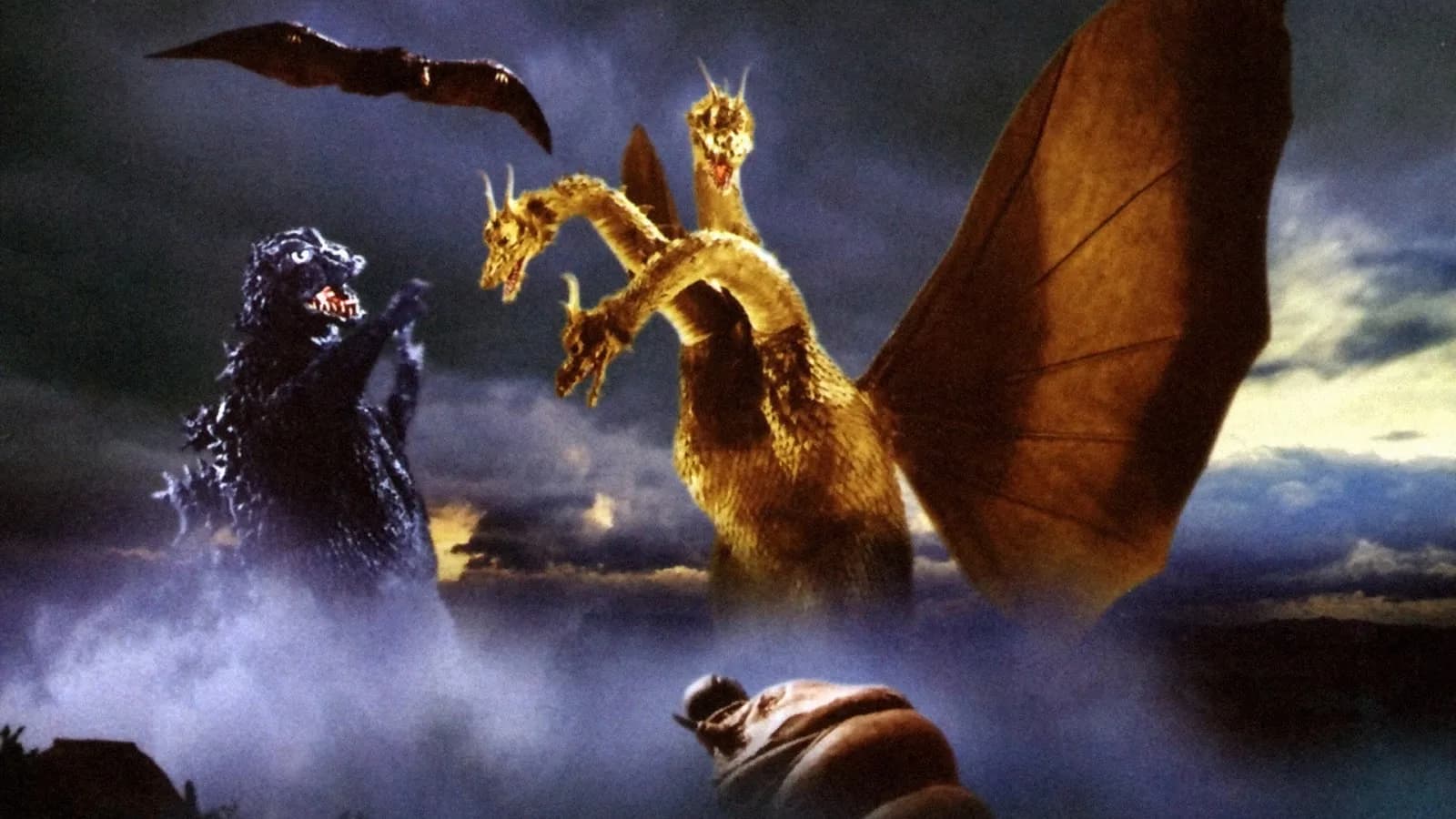
Released December 20, 1964—just 8 months after Mothra vs. Godzilla—Ishiro Honda's Ghidorah, the Three-Headed Monster staged Toho's first giant-monster ensemble.
Why it ranks #10: Ghidorah, the Three-Headed Monster rounds out #10 behind #9 Godzilla vs. Kong because its rushed 1964 holiday production and whimsical monster-summit translation feel dated next to modern Monsterverse choreography, despite a slightly higher 77% vs 75% Rotten Tomatoes score. Still, its historical impact earns it the final Top 10 slot over sequels like Godzilla vs. Kong's follow-up or Godzilla: Tokyo S.O.S.: it debuted Godzilla's ultimate archenemy King Ghidorah—who returned as the centerpiece villain in 2026's Godzilla Minus Zero—and pivoted Godzilla into Earth's reluctant defender.
Have a list idea?
Start your own list and get help drafting entries with AI. A free account is required.
Create a list with AI →Think something was robbed of a spot?
Nominate a missing contender — once approved, the community votes it up or down into the rankings.
Image credits
- Godzilla Minus One: IMDb
- Godzilla (1954): wallpapers.com
- Godzilla Minus Zero: remindmagazine.com
- Shin Godzilla: Collider
- Mothra vs. Godzilla: TMDB
- Godzilla vs. Destoroyah: IMDb
- Godzilla vs. Mechagodzilla (1974): gotengoxgodzilla.blogspot.com
- Godzilla (2014): reddit.com
- Godzilla vs. Kong: screenrant.com
- Ghidorah, the Three-Headed Monster: godzillaisland.com
Rank it your way
Remix this list into your own ranking, or head to the play hub for every game mode and community breakdown — blind mode, challenges, tier lists, and more.