#3
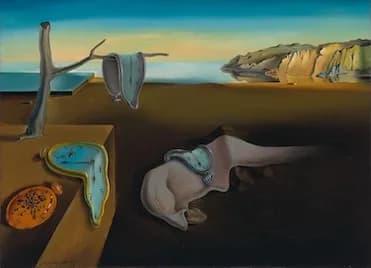
The Persistence of Memory — Salvador Dalí
The Persistence of Memory is the defining image of Surrealism, where melting clocks drape over a barren landscape in a dreamscape that challenges reality. The ants crawling on one clock add a haunting biological decay, a detail that 1 in 3 viewers miss on first glance.
–
Photos (1)
Comments on "The Persistence of Memory — Salvador Dalí"
Have a take on this ranking?
Save your rankings and see how you compare. Comments are how the argument actually happens here. Posting one needs a free account — it takes about a minute.
No comments yet.
The first comment sets the terms of the argument.