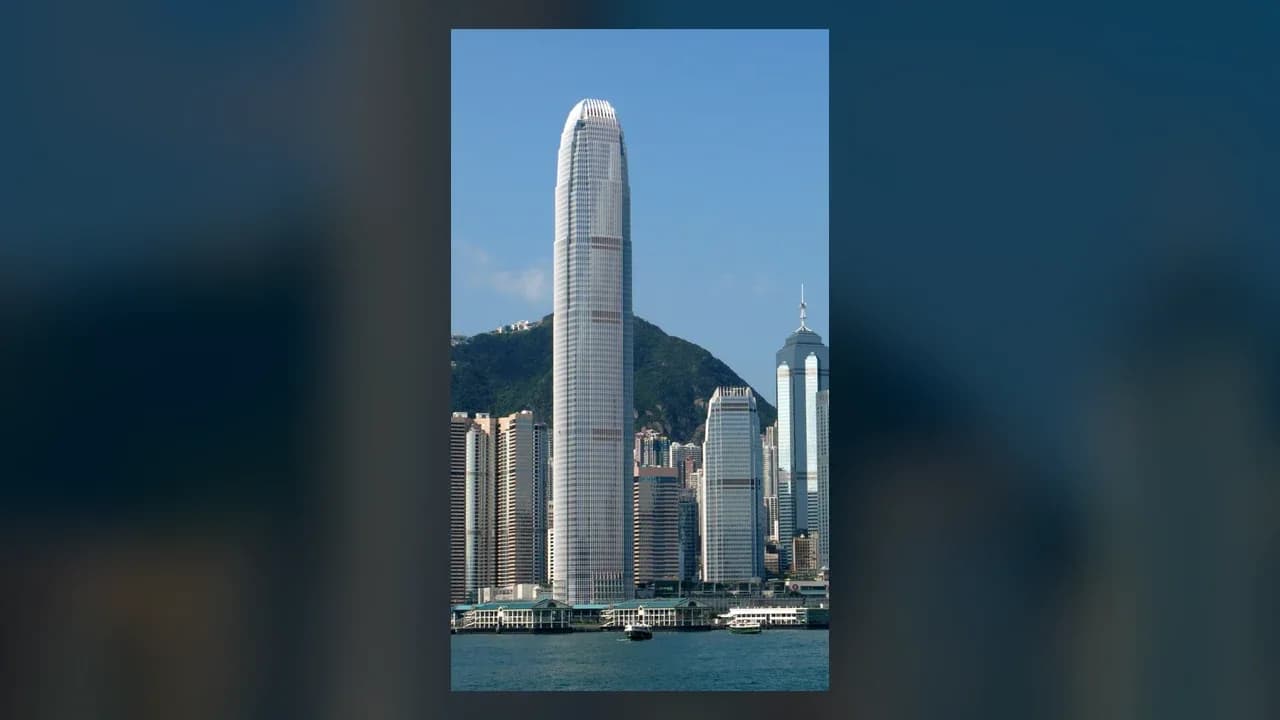
WiNG (CC BY-SA 4.0)
Cast the first vote in 1 tap — pick #1 Signal Iduna Park (Westfalenstadion) or #2 Anfield to reveal the live split:
Ranking Europe's ten most intimidating matchday atmospheres by acoustic intensity, fan culture, and stadium capacity. Ask any Champions League player which away trip rattles them most, and the same handful of European grounds come up every…
time. Borussia Dortmund's Signal Iduna Park packs nearly 25,000 standing fans onto the Yellow Wall alone, while Istanbul's RAMS Park and Liverpool's Anfield turn knockout ties into walls of sound. We rank the ten loudest and most intense football stadiums in Europe, pairing verified seating capacities and opening years with acoustic design and big-match reputation. Does Dortmund's 81,365-seat cauldron take #1, or do Anfield and Celtic Park hit harder when the floodlights come on? Capacity alone does not create fear for visiting teams—steep stands, roof acoustics, and 90 minutes of unbroken noise do. This ranking compares ten European football grounds famous for deafening European nights and derby atmospheres. Stadiums are ranked across three weighted dimensions: matchday acoustic intensity and vocal continuity (45 percent), big-match and European night pedigree (30 percent), and verified stadium capacity (25 percent). Capacities and opening dates are verified against Wikipedia, club records, and Coliseum/FootballGroundMap.
WiNG (CC BY-SA 4.0)
Starting order. Vote up or down to reorder this list.
| Item | capacity | European pedigree | Atmosphere intensity |
|---|---|---|---|
| #1Signal Iduna Park (Westfalenstadion) | 81,365 | 9.5/10 | 10/10 |
| #2Anfield | 61,276 | 10/10 | 9.7/10 |
| #3Celtic Park |
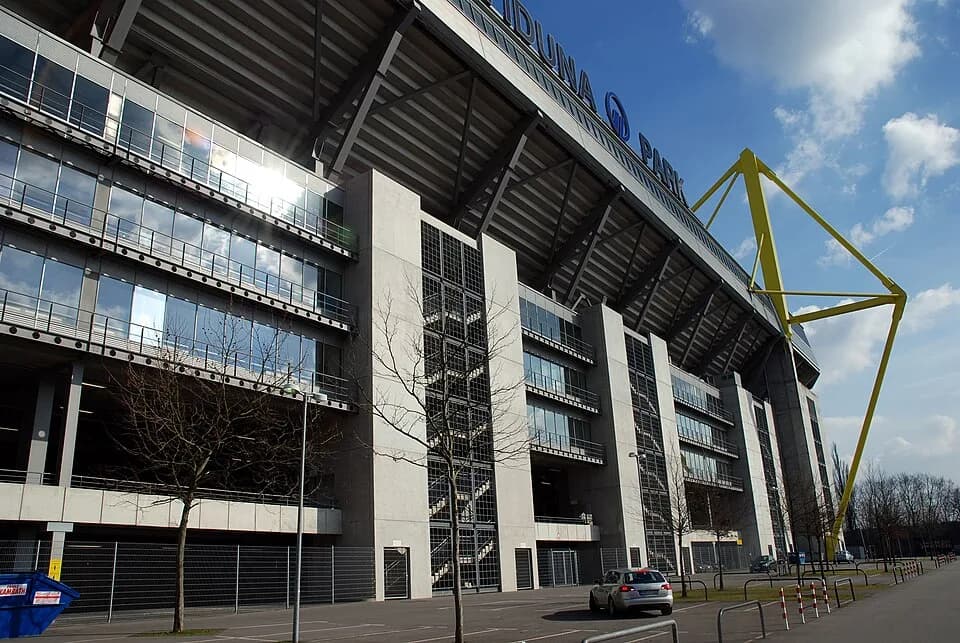
Built for the 1974 World Cup and expanded to 81,365 spectators for Bundesliga and Champions League fixtures, Signal Iduna Park is Germany's largest football ground. Its steep Südtribüne—the Yellow Wall—packs roughly 25,000 standing supporters behind the south goal, creating an acoustic wall that has measured peaks above 130 decibels on major European nights.
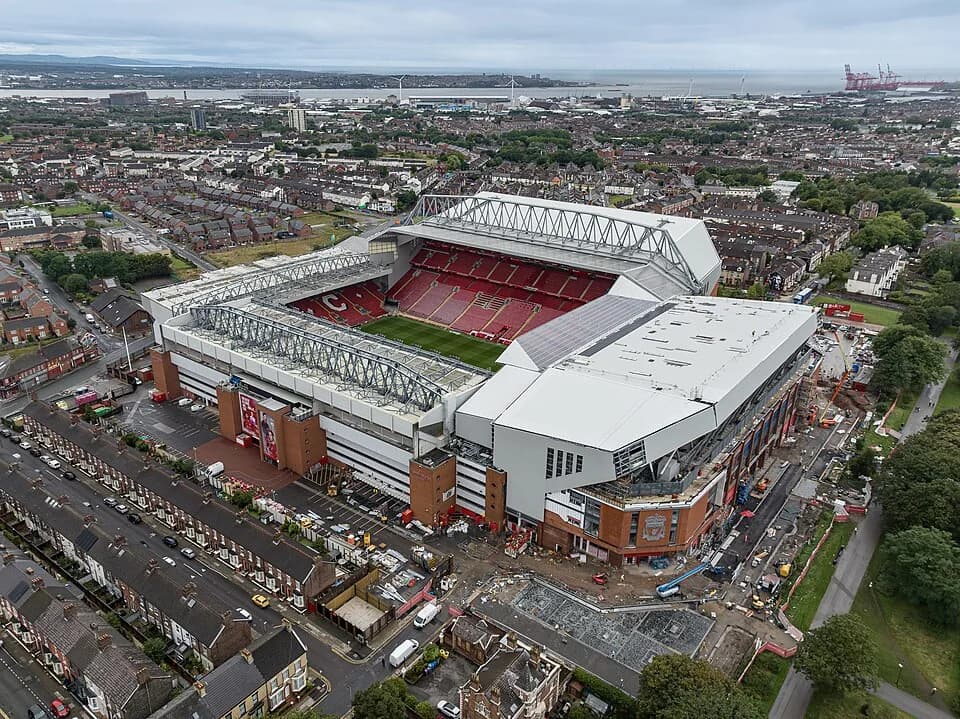
Home to Liverpool FC since 1892 (and originally opened in 1884), Anfield now holds 61,276 fans following the 2024 Anfield Road Stand redevelopment. Tight pitchside stands and the 12,409-seat Spion Kop amplify every roar, turning Champions League nights—such as the 2019 4–0 semi-final comeback against Barcelona—into relentless pressure for visiting teams.
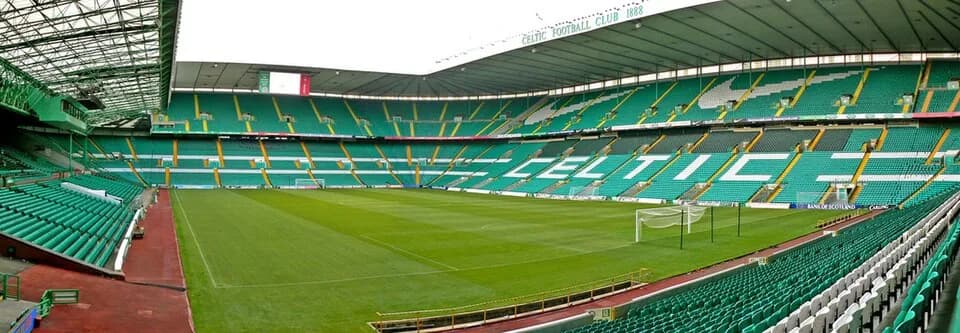
Redeveloped into a 60,411-seat enclosed rectangular bowl in the late 1990s (originally opened in 1892), Celtic Park traps sound inside four steep stands. Whether during Old Firm derbies against Rangers or Champions League nights lit by scarves and pyrotechnics, opposing managers regularly cite 'Paradise' as the loudest ground they have visited.
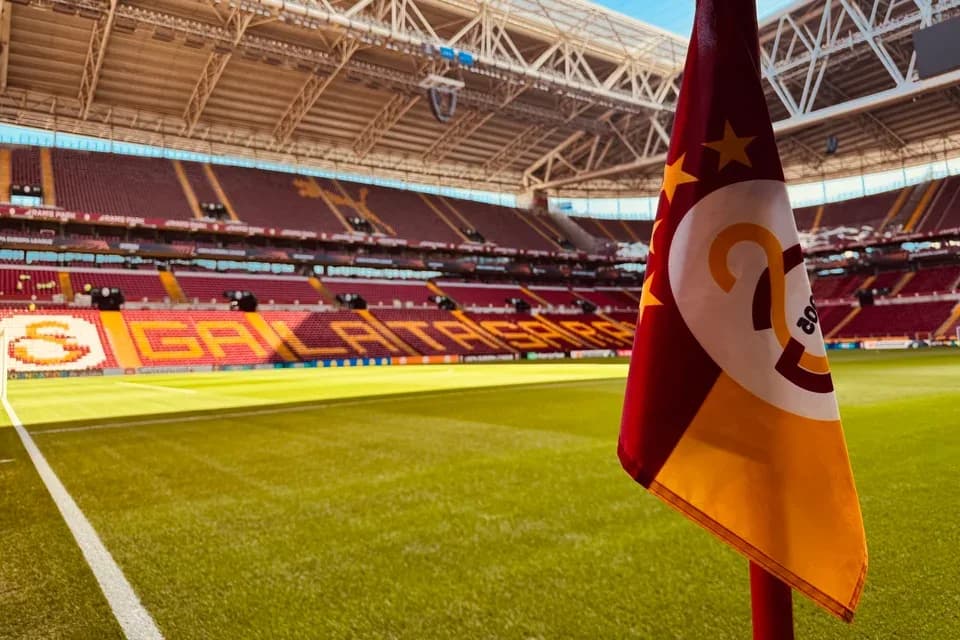
Opened in 2011 to replace the original Ali Sami Yen Stadium, Galatasaray's 53,387-capacity RAMS Park was engineered with steep, tightly enclosed tiers that bounce noise straight back onto the pitch. Home supporters fill the stands hours before kickoff, producing documented peaks of 131 decibels during Intercontinental Derbies and Champions League ties.
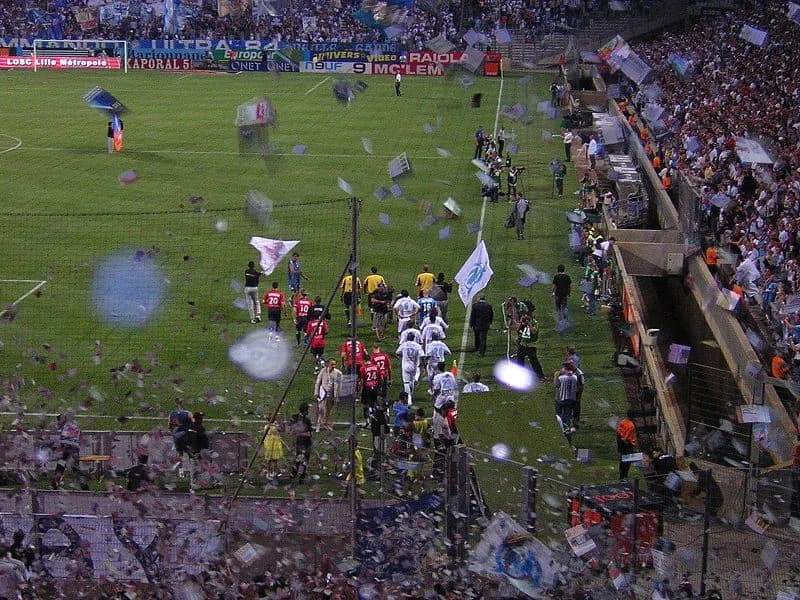
First opened in 1937 and dramatically overhauled with a sweeping roof ahead of Euro 2016, Marseille's 67,394-capacity Stade Vélodrome is France's loudest club ground. The Virage Nord and Virage Sud ultra curves bounce continuous chanting off the canopy, regularly drawing over 66,000 fans for Ligue 1 and European fixtures.
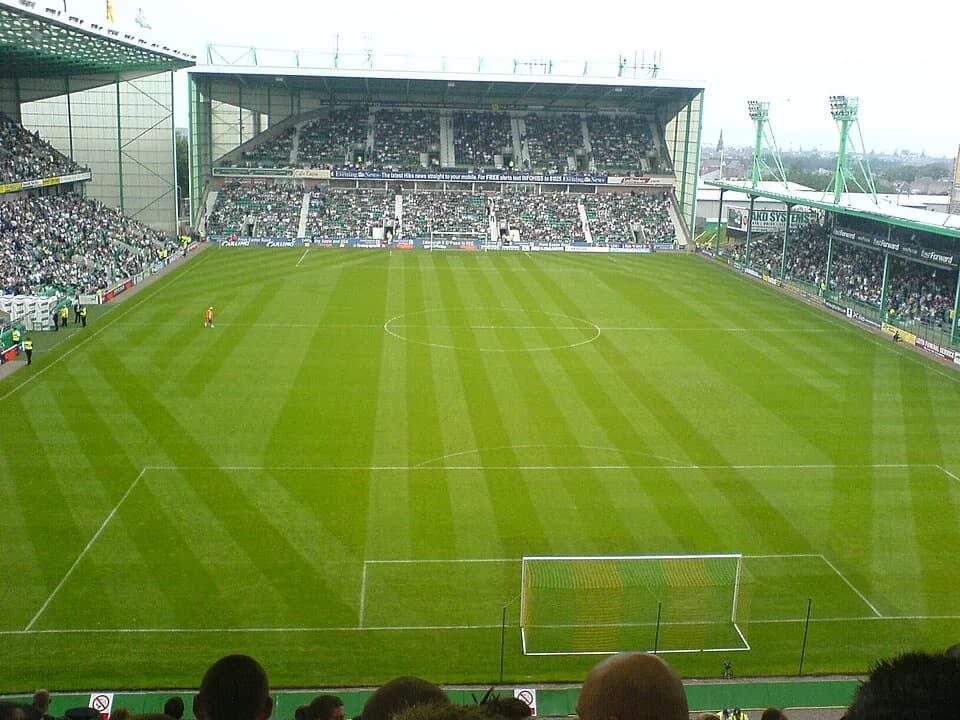
Opened in 1926 and famed for its towering spiral ramps and steep three-tier design, Milan's Stadio Giuseppe Meazza (San Siro) holds 75,817 spectators (80,018 maximum). Shared by AC Milan and Inter Milan, its Curva Sud and Curva Nord produce thunderous noise during Derby della Madonnina clashes and Champions League semi-finals.
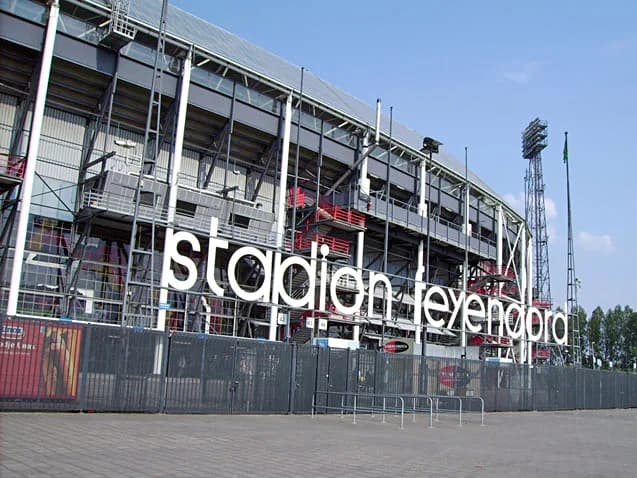
Opened on 27 March 1937, Rotterdam's Stadion Feijenoord—universally called De Kuip ('The Tub')—holds 51,117 fans (47,500 limited capacity for certain fixtures). Its steep, double-tiered bowl and overhanging roof without an athletics track keep supporters right over the touchline, making De Klassieker and European nights famously intense.
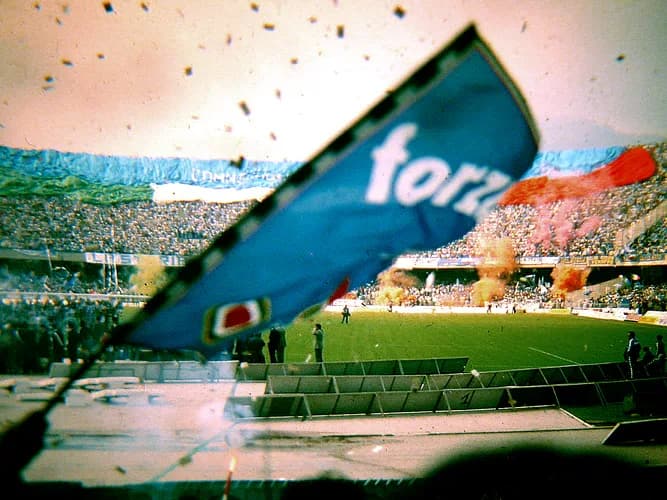
Formerly known as Stadio San Paolo and opened in 1959, Napoli's 54,726-capacity stadium was renamed in honour of Diego Maradona in 2020. Despite an athletics track around the pitch, the Curva A and Curva B turn big Serie A clashes and Champions League knockouts into an echoing cauldron of whistles, flares, and chants.
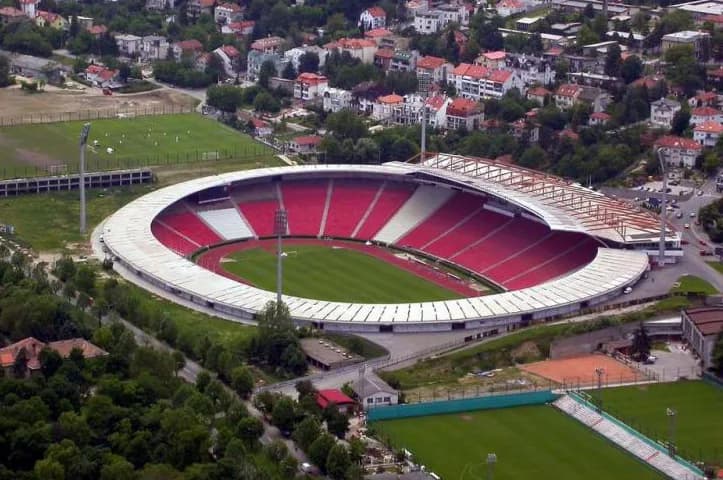
Opened in 1963 and renamed after club legend Rajko Mitić in 2014, Belgrade's 51,755-seat stadium is nicknamed the Marakana. Visiting teams walk down a long concrete tunnel directly beneath the Delije supporters' terrace before stepping into a sea of flags, flares, and continuous noise during Eternal Derbies and Champions League ties.
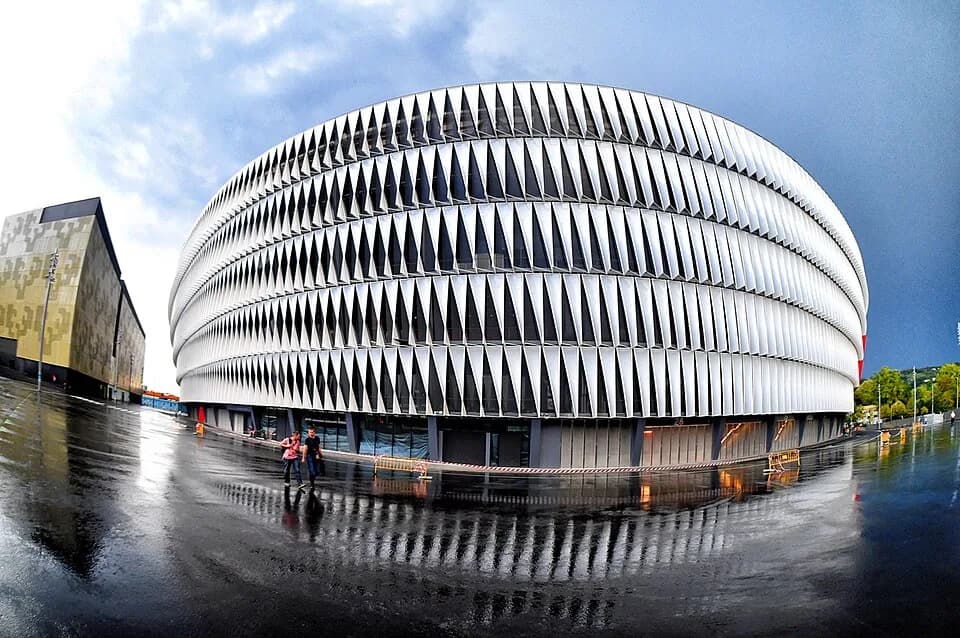
Inaugurated on 16 September 2013 beside the site of the 1913 original, Athletic Club's 53,331-seat San Mamés preserves the nickname 'La Catedral'. Built specifically to keep fans close to the turf with an extended acoustic roof added in 2016, it hosts some of the loudest, most partisan nights in Spanish and European football.
Have a list idea?
Start your own list and get help drafting entries with AI. A free account is required.
Create a list with AI →Debating whether #1 Signal Iduna Park (Westfalenstadion) holds the top spot against #2 Anfield.
The published order is the starting point; item votes can help reshape it.
Rank Scramble: Can You Order Today's Top 10?
Drag ten shuffled picks into their live community order in under 60 seconds.
| 60,411 |
| 9.2/10 |
| 9.6/10 |
| #4RAMS Park (Ali Sami Yen Sports Complex) | 53,387 | 8.6/10 | 9.8/10 |
|---|
| #5Stade Vélodrome | 67,394 | 8.8/10 | 9.3/10 |
|---|
| #6San Siro (Stadio Giuseppe Meazza) | 75,817 | 9.8/10 | 9.1/10 |
|---|
| #7De Kuip (Stadion Feijenoord) | 51,117 | 8.7/10 | 9.2/10 |
|---|
| #8Stadio Diego Armando Maradona | 54,726 | 8.4/10 | 9.0/10 |
|---|
| #9Rajko Mitić Stadium (Marakana) | 51,755 | 8.0/10 | 9.1/10 |
|---|
| #10San Mamés | 53,331 | 8.1/10 | 8.9/10 |
|---|
Think something was robbed of a spot?
Nominate a missing contender — once approved, the community votes it up or down into the rankings.
Rank it your way
Remix this list into your own ranking, or head to the play hub for every game mode and community breakdown — blind mode, challenges, tier lists, and more.

#1 Muhammad Ali · #2 Sugar Ray Robinson · #3 Joe Louis
Explore this ranking →
#1 Hakan Calhanoglu · #2 Arda Guler · #3 Ferdi Kadioglu
Explore this ranking →
#1 Gordon Banks — England 1966 & 1970 · #2 Dino Zoff — Italy 1974–1982 · #3 Lev Yashin — Soviet Union 1958–1966
Explore this ranking →