#5
Pompeii and Herculaneum
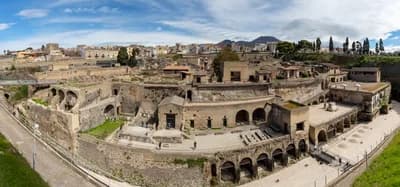
Preserving over 1,500 plaster casts of Vesuvius's victims—more than any other Roman archaeological site—Pompeii and Herculaneum capture daily life in 79 AD with unmatched intimacy. The ash-preserved bakeries, graffiti, and even loaves of bread provide a freeze-frame of ancient routines. Unlike the sprawling ruins of typical Roman cities, these towns offer a complete quarter-by-quarter view, with intact houses, frescoes, and shops. The eruption also buried Herculaneum's organic materials, such as wooden furniture and food, which rarely survive elsewhere. Together, they outrank every other volcanic site in preservation depth, making them the gold standard for understanding Roman urbanism.
–
Photos (1)
Comments on "Pompeii and Herculaneum"
Have a take on this ranking?
Save your rankings and see how you compare. Comments are how the argument actually happens here. Posting one needs a free account — it takes about a minute.
No comments yet.
The first comment sets the terms of the argument.