
WiNG (CC BY-SA 4.0)
Cast the first vote in 1 tap — pick #1 Cowboy Bebop or #2 Neon Genesis Evangelion to reveal the live split:
A comprehensive critical evaluation ranking the most influential Japanese television animation series broadcast between 1990 and 1999, measured by artistic innovation, global legacy, directing mastery, and storytelling depth.
WiNG (CC BY-SA 4.0)
Starting order. Vote up or down to reorder this list.
| Item | Narrative depth | Cultural longevity | Industry influence | Animation direction |
|---|---|---|---|---|
| #1Cowboy Bebop | 96/100 | Universal | 99/100 | Masterpiece |
| #2Neon Genesis Evangelion | 98/100 | Legendary | 100/100 | Avante-Garde |
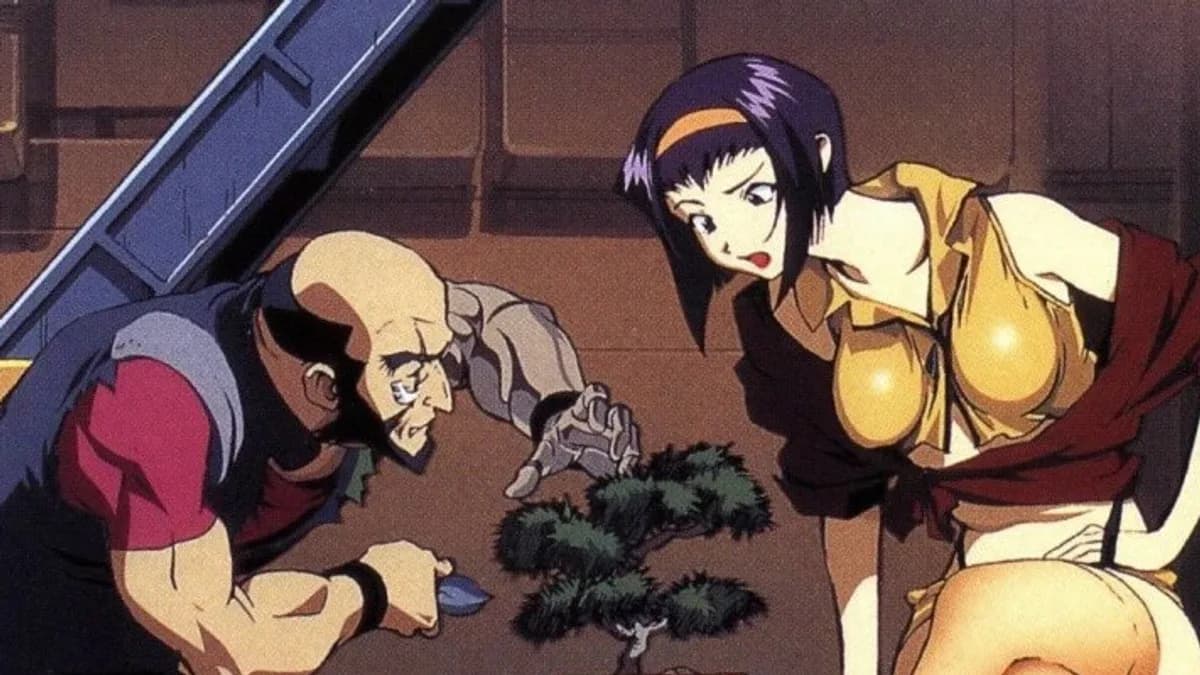
Sunrise · 1998
First broadcast in 1998 by Sunrise, Cowboy Bebop follows a cynical crew of bounty hunters navigating interplanetary society aboard the fishing vessel Bebop. Spike Spiegel, Jet Black, Faye Valentine, Edward, and Ein form an uneasy partnership defined by haunting pasts and financial instability.
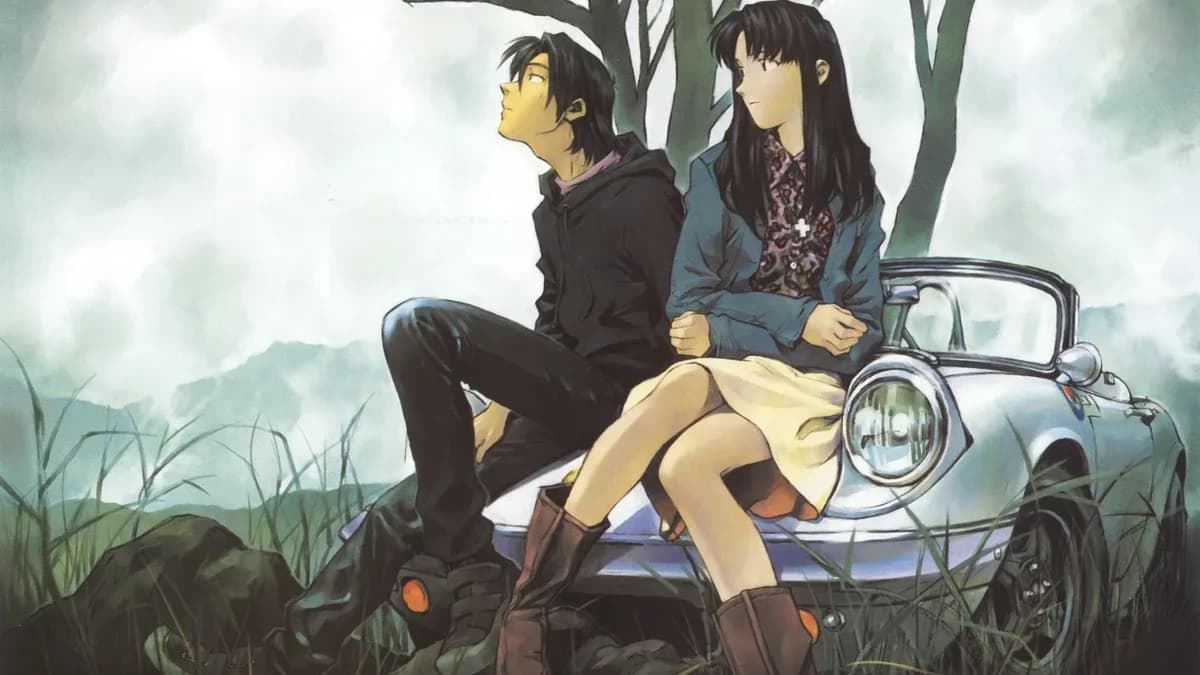
Gainax / Tatsunoko · 1995
Debuting in October 1995 from Studio Gainax, Neon Genesis Evangelion inverted every convention of the giant mecha genre. Rather than an eager young pilot, fourteen-year-old Shinji Ikari is pressured by his estranged father into piloting a biomechanical EVA against enigmatic Angel attackers.
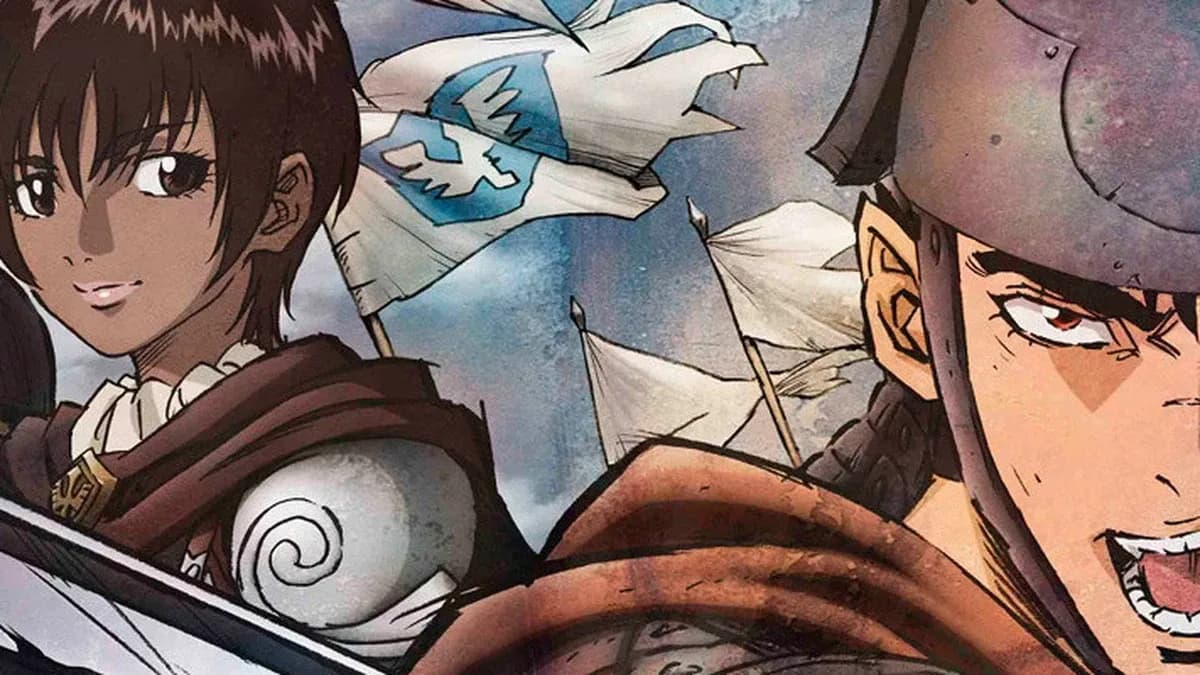
OLM · 1997
Produced in 1997 by OLM, Berserk brought Kentaro Miura magnum opus to television by focusing exclusively on the Golden Age arc. The series chronicles the rise and devastating fall of the Band of the Hawk, tracking the complicated dynamic between Guts, Griffith, and Casca.
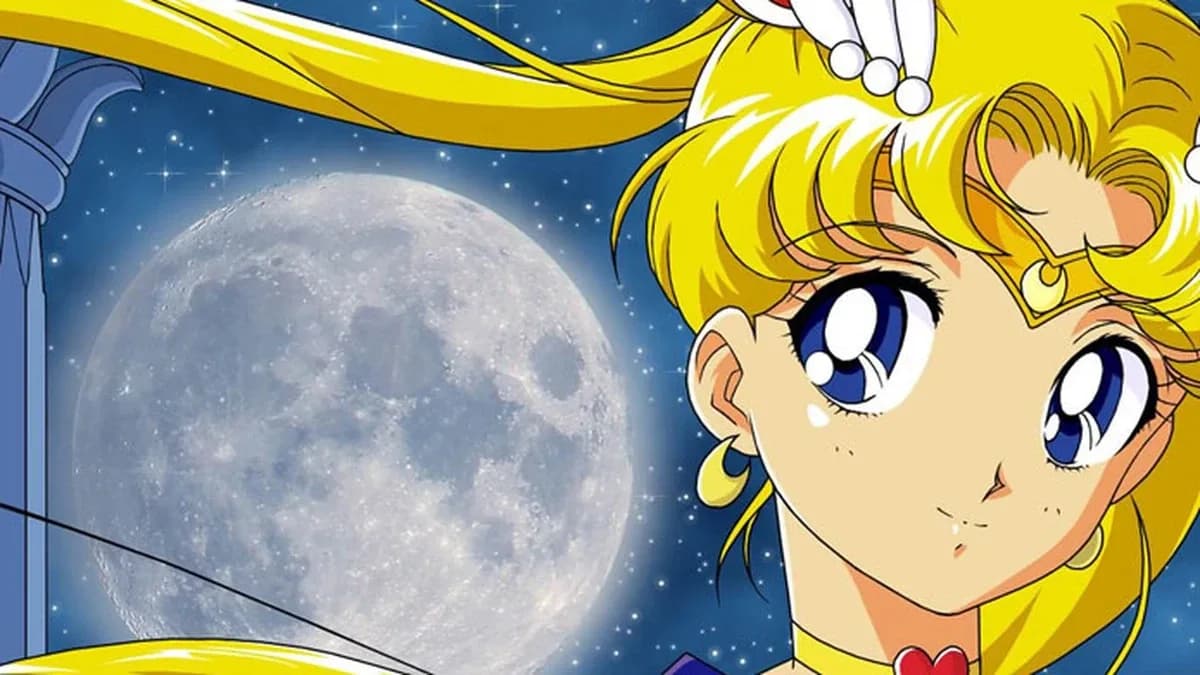
Toei Animation · 1992
Premiering in 1992 through Toei Animation under directors Junichi Sato and Kunihiko Ikuhara, Sailor Moon redefined the Maho Shojo genre by merging traditional romance with team-based superhero dynamics. Protagonist Usagi Tsukino begins as an emotional, clumsy schoolgirl before stepping into her cosmic destiny alongside fellow Sailor Guardians.
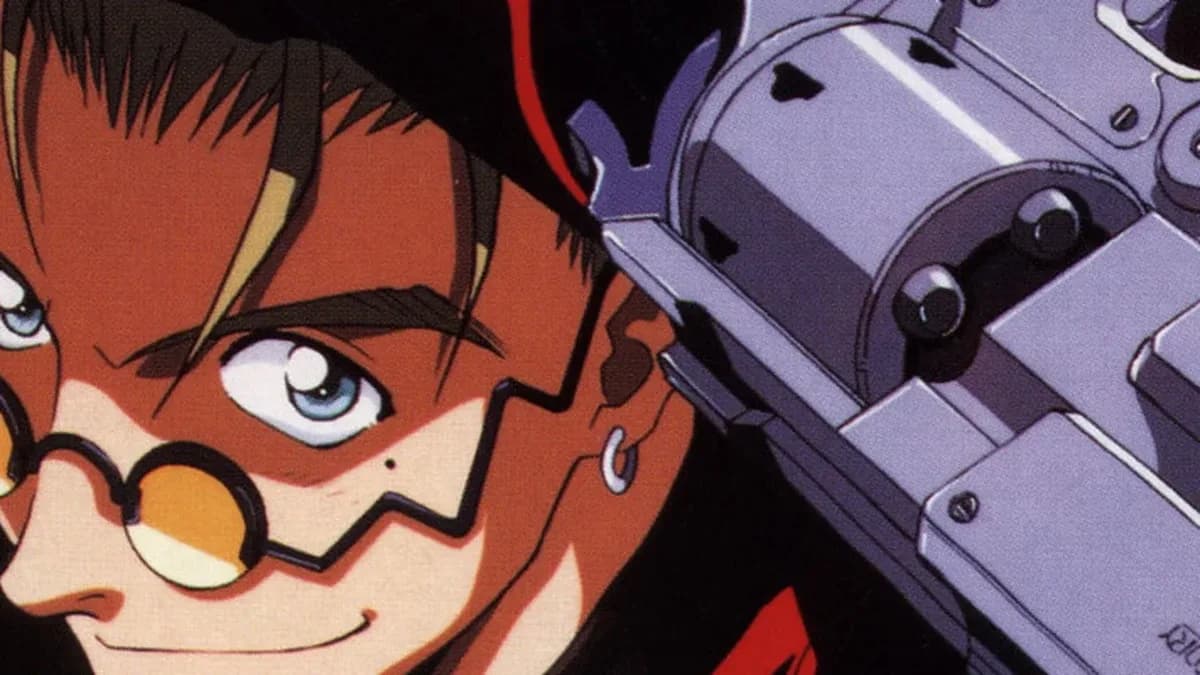
Madhouse · 1998
Studio Madhouse 1998 adaptation of Yasuhiro Nightow manga introduced audiences to Gunsmoke, a harsh desert world populated by scoundrels and machine scavengers. Central protagonist Vash the Stampede carries a sixty billion double-dollar bounty on his head, yet adheres to a strict code of non-lethal pacifism despite catastrophic destruction surrounding his wake.
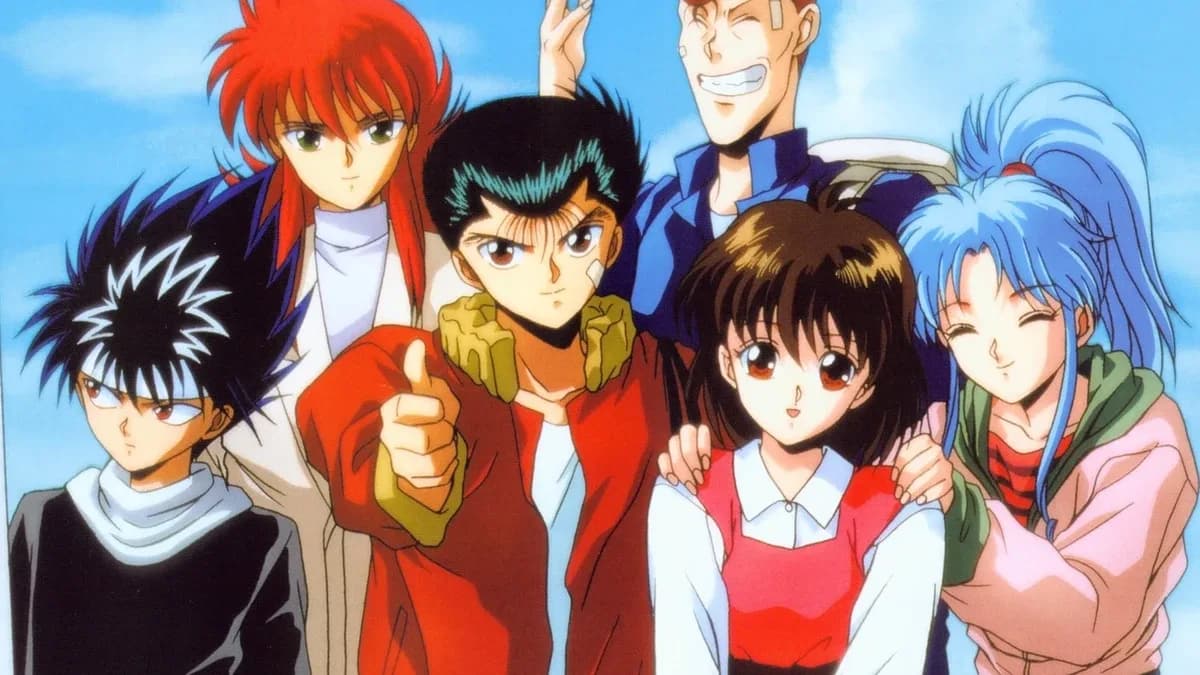
Studio Pierrot · 1992
Adapted by Studio Pierrot from Yoshihiro Togashi manga, Yu Yu Hakusho follows teenage delinquent Yusuke Urameshi, who dies saving a child and earns resurrection as a Spirit Detective. Spanning 112 episodes, the series reached its critical zenith during the Dark Tournament arc, where high-stakes martial arts bouts were backed by tactical combat mechanics and rich villain characterizations such as Younger Toguro.
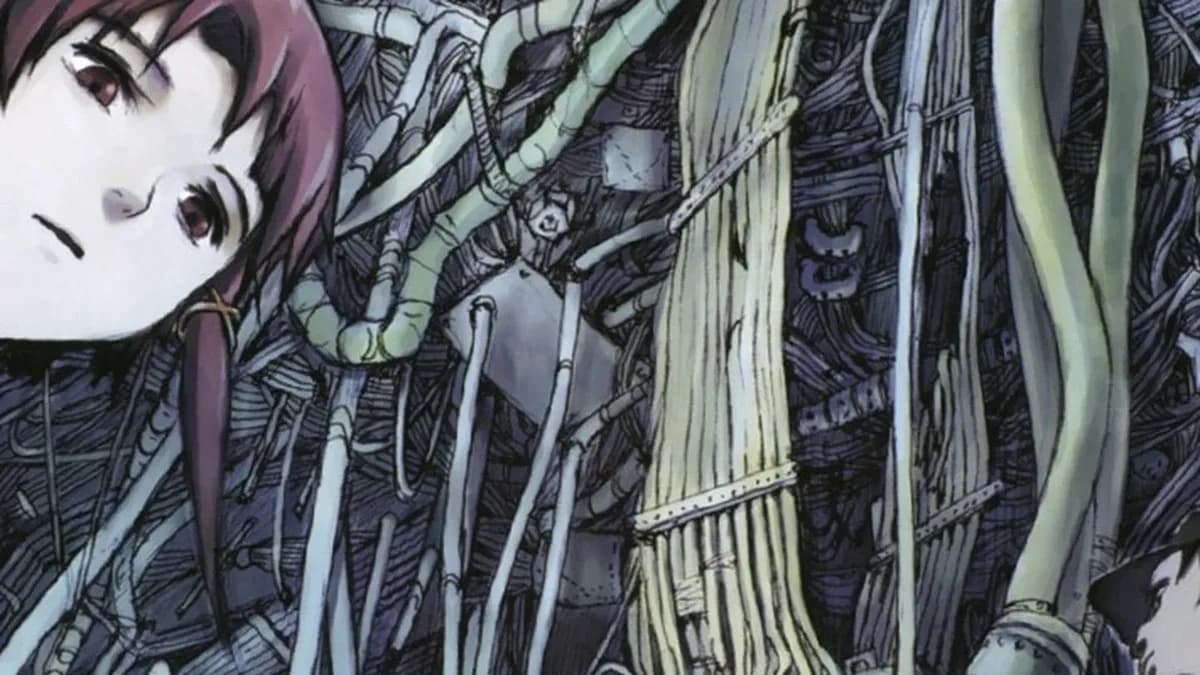
Triangle Staff · 1998
Directed by Ryutaro Nakamura and written by Chiaki J. Konaka, Serial Experiments Lain is an avant-garde thirteen-episode examination of digital ubiquity.
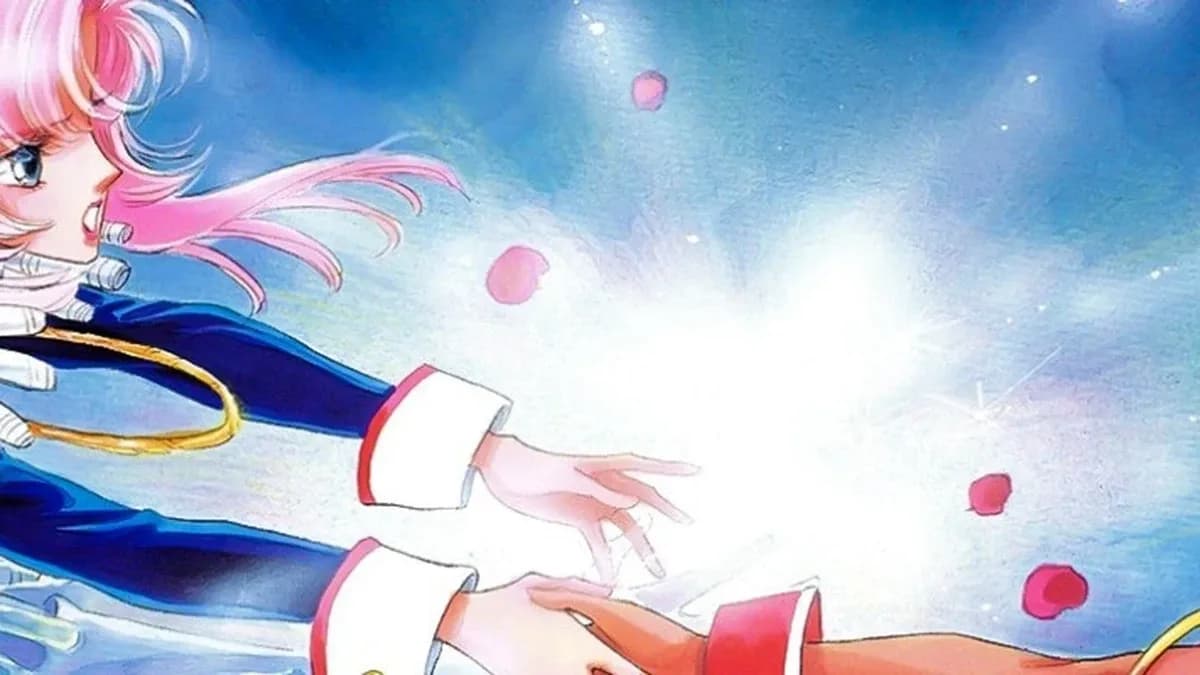
J.C.Staff · 1997
Broadcast in 1997 by J.C.Staff under the direction of Kunihiko Ikuhara, Revolutionary Girl Utena follows Utena Tenjou, a female student who dresses in boys uniform and fights duels to protect the mysterious Anthy Himemiya, the Rose Bride. Drawing inspiration from shojo classics and modernist theater, the series employs shadow girl choruses, staircases ascending into nowhere, and shifting car metamorphoses.
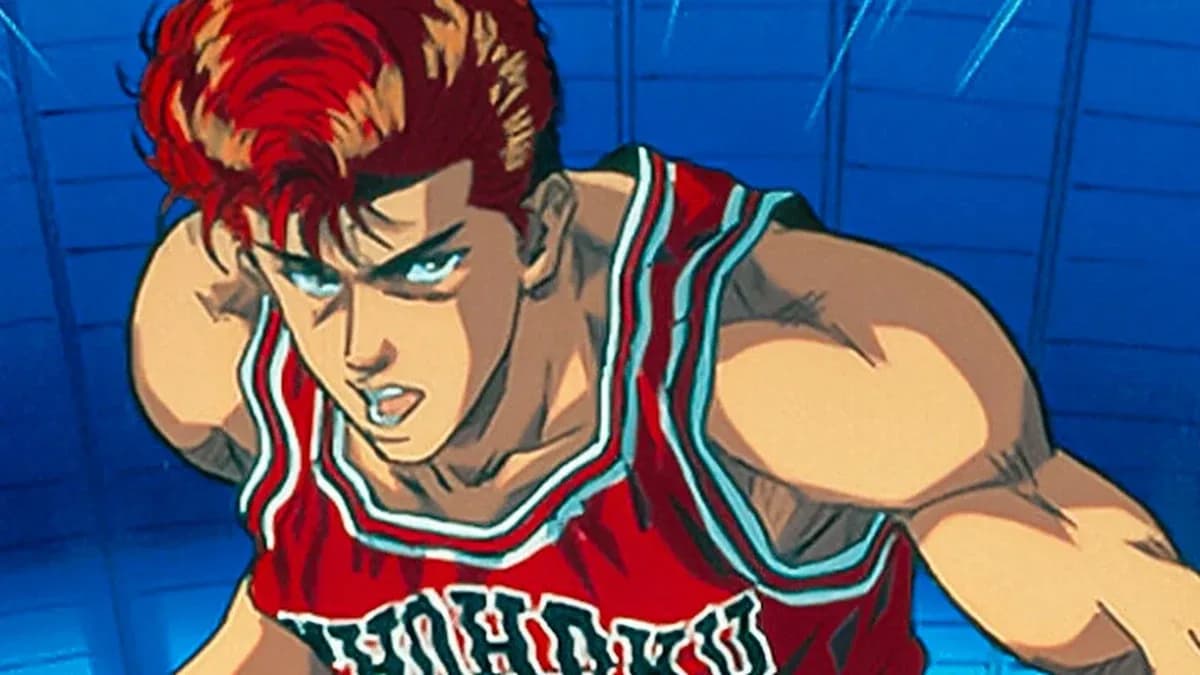
Toei Animation · 1993
Produced by Toei Animation from Takehiko Inoue manga, Slam Dunk chronicles delinquent Hanamichi Sakuragi initiation into Shohoku High School basketball team. Unlike stylized superpowers common to the era, Slam Dunk respected genuine basketball biomechanics, tactical plays, rebounding technique, and defensive rotations.
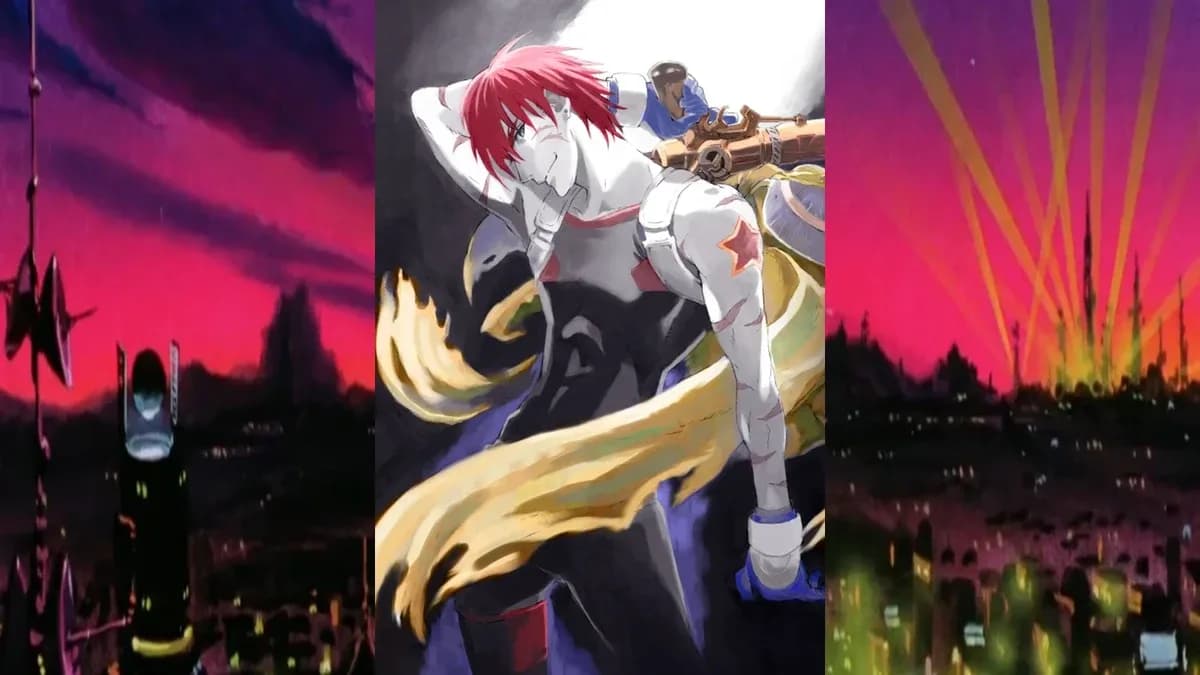
Sunrise · 1998
Broadcast in 1998 by Sunrise, Outlaw Star directed by Mitsuru Hongo tells the story of Gene Starwind and Jim Hawking aboard the experimental grappler-ship Outlaw Star. Alongside assassin Twilight Suzuka and android pilot Melfina, the crew seeks the enigmatic Galactic Leyline while fending off Space Pirates and Taoist warlocks.
Have a list idea?
Start your own list and get help drafting entries with AI. A free account is required.
Create a list with AI →Debating whether #1 Cowboy Bebop holds the top spot against #2 Neon Genesis Evangelion.
The published order is the starting point; item votes can help reshape it.
Rank Scramble: Can You Order Today's Top 10?
Drag ten shuffled picks into their live community order in under 60 seconds.
| #3Berserk (1997) | 97/100 | Enduring | 94/100 | Atmospheric |
|---|
| #4Sailor Moon (1992) | 86/100 | Worldwide | 97/100 | Expressive |
|---|
| #5Trigun (1998) | 93/100 | High | 91/100 | Kinetic |
|---|
| #6Yu Yu Hakusho (1992) | 90/100 | High | 92/100 | Solid Action |
|---|
| #7Serial Experiments Lain (1998) | 99/100 | Cult Classic | 90/100 | Avant-Garde |
|---|
| #8Revolutionary Girl Utena (1997) | 96/100 | High | 89/100 | Theatrical |
|---|
| #9Slam Dunk (1993) | 87/100 | Massive (Asia) | 93/100 | Grounded |
|---|
| #10Outlaw Star (1998) | 85/100 | Cherished | 86/100 | Dynamic |
|---|
Think something was robbed of a spot?
Nominate a missing contender — once approved, the community votes it up or down into the rankings.
Rank it your way
Remix this list into your own ranking, or head to the play hub for every game mode and community breakdown — blind mode, challenges, tier lists, and more.

Steins;Gate vs. Attack on Titan? Top 10 Best Thriller, Sc...
Explore this ranking →
Top 10 Anime Series for Newcomers
Explore this ranking →
Top 10 Best Anime Series of All Time
Explore this ranking →