#2
The Third Man (1949)
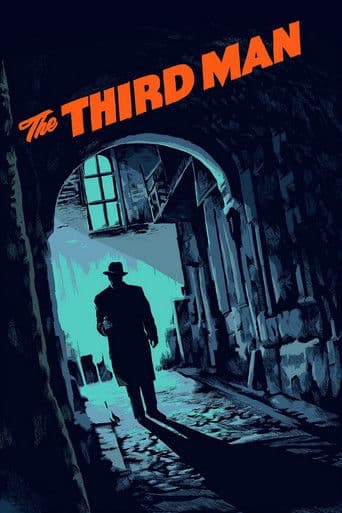
The Third Man (1949) was voted the #1 British film of all time by the BFI in 1999, a testament to Carol Reed's mastery of noir tension in post-war Vienna. Orson Welles' entrance as Harry Lime, framed by a fleeting cat and a severed smirk, occurs at exactly 58 minutes—a moment that reshaped how screen villains are introduced.
–
Photos (1)
Comments on "The Third Man (1949)"
Have a take on this ranking?
Save your rankings and see how you compare. Comments are how the argument actually happens here. Posting one needs a free account — it takes about a minute.
No comments yet.
The first comment sets the terms of the argument.