Bariatric Surgery (Sleeve Gastrectomy / Gastric Bypass)
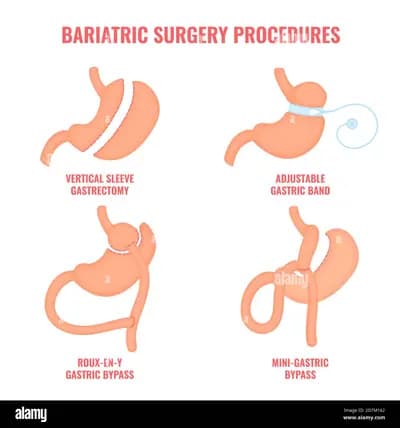
Bariatric surgery remains the most effective long-term weight loss intervention for severe obesity, with decades of data demonstrating durable outcomes that pharmaceutical treatments are still working toward matching. Sleeve gastrectomy permanently removes approximately 80% of the stomach, creating a narrow tube. It reduces capacity, decreases ghrelin (hunger hormone), and alters gut hormone signaling. Gastric bypass creates a small stomach pouch (~30 mL) connected directly to the jejunum, bypassing the duodenum -- combining restriction with malabsorption and profound hormonal changes, including a GLP-1 surge after meals, bile acid remodeling, and favorable gut microbiome shifts. Long-term outcomes: gastric bypass shows 28.3-29% mean total body weight loss sustained at 5-7 years. T2DM remission at 2 years: 63.8% (bypass) vs 53.3% (sleeve). Sleeve: 20-30% total body weight loss with some regain by year 5-10. Risks: 30-day mortality 0.1-0.3%, anastomotic leak 1-2% (bypass), GERD worsening (sleeve), lifelong vitamin supplementation required after bypass. Eligibility per 2022 ASMBS guidelines: BMI 35+ or BMI 30+ with significant metabolic disease. Insurance covers in 48 states. Cost: Sleeve $10,000-$15,000; Bypass $12,000-$30,000 self-pay.
Photos (1)
Comments on "Bariatric Surgery (Sleeve Gastrectomy / Gastric Bypass)"
Have a take on this ranking?
Save your rankings and see how you compare. Comments are how the argument actually happens here. Posting one needs a free account — it takes about a minute.
No comments yet.
The first comment sets the terms of the argument.