List 1 of 200 votes across 0 lists
Top 10 Tax Saving Strategies That Actually Work (US)
10 items · 0 comments
1
Max Out Your 401(k) — Pre-Tax Contributions
Contributing the 2026 401(k) maximum of $23,500/year ($31,000 if over 50) reduces taxable income by that amount immediately. For someone in the 32% bracket, that's $7,520 in immediate tax savings per year — plus tax-deferred compounding on the entire balance. Over 30 years at 10% average return, the tax deferral alone adds approximately $400,000 to the ending balance compared to investing the same amount in a taxable account.
2
Roth IRA Conversions — Tax-Free Growth Forever
Roth IRA contributions grow tax-free — meaning no capital gains, no dividends taxes, and no required minimum distributions. The 2026 income limits phase out Roth eligibility above $161,000 (single) / $240,000 (married), but the "backdoor Roth" strategy allows high-income earners to contribute indirectly. A Roth IRA growing from $50,000 at age 35 to $450,000 at age 65 generates $400,000 in gains that are entirely tax-free at withdrawal.
3
Health Savings Account (HSA) — Triple Tax Advantage
The HSA is the only account with triple tax benefits: contributions are pre-tax, growth is tax-free, and withdrawals for qualified medical expenses are tax-free. The 2026 contribution limit is $4,300 (individual) / $8,550 (family). HSAs can be invested in index funds and grow for decades — used in retirement for medical expenses (which average $300,000+ for a retired couple), they function as a supplemental retirement account with no income limitations.
4
Tax-Loss Harvesting — Turning Losses Into Tax Savings
Tax-loss harvesting sells investments at a loss to offset capital gains elsewhere, reducing your tax bill by up to $3,000 against ordinary income annually (with unlimited carry-forward). A disciplined tax-loss harvesting strategy across a $500,000 investment portfolio can generate 0.5-1.5% annual after-tax returns improvement — equivalent to $2,500-$7,500/year in tax savings — according to Vanguard and Betterment studies. Robo-advisors like Betterment automate this strategy.
5
Qualified Business Income (QBI) Deduction for Self-Employed
Self-employed individuals, freelancers, and pass-through business owners can deduct up to 20% of qualified business income from taxable income under the QBI deduction (Section 199A). For someone earning $150,000 in self-employment income in the 24% tax bracket, this represents $7,200 in annual tax savings. The deduction phases out for "specified service trades" (law, medicine, consulting) above $383,900 (married) — but many sole proprietors qualify fully.
6
Depreciation on Real Estate Investment Properties
Rental property owners can depreciate the building's value over 27.5 years (residential) — creating a paper loss that offsets rental income even when the property is cash-flow positive and appreciating. A $500,000 rental property generates $18,182/year in depreciation deductions, potentially making $40,000 in rental income tax-free. "Cost segregation" studies can accelerate depreciation on commercial properties to generate larger near-term deductions.
7
Charitable Donor-Advised Funds (DAF)
A Donor-Advised Fund allows you to donate appreciated stock (avoiding capital gains), take an immediate charitable deduction at full market value, then distribute the money to charities over multiple years. Donating $50,000 in stock with $40,000 of embedded gains saves $9,000-$14,800 in capital gains tax (at 20-23.8%) that you would have paid if you sold and donated cash — while receiving the same charitable deduction. Used by 1 million Americans managing $160 billion in DAF assets.
8
Solo 401(k) for Self-Employed — $69,000/Year Shelter
Self-employed individuals can contribute up to $69,000/year (2026) to a Solo 401(k) — combining an employee contribution of $23,500 plus employer contributions of up to 25% of net self-employment income. A self-employed consultant earning $200,000 can shelter $73,500 in a Solo 401(k), reducing taxable income to $126,500 and saving approximately $16,000-$23,000 in federal income tax annually. This is the most underutilized tax advantage available to freelancers.
9
Capital Gains Rate Arbitrage — 0% Rate for Some Earners
Long-term capital gains (investments held over 1 year) are taxed at 0% for taxpayers with taxable income below $47,025 (single) / $94,050 (married) in 2026. This creates a powerful strategy for early retirees and self-employed individuals managing their income: deliberately harvesting gains in years with lower income captures appreciation tax-free. A couple with $80,000 in income can realize $14,050 in capital gains at 0% — permanently eliminating that tax.
10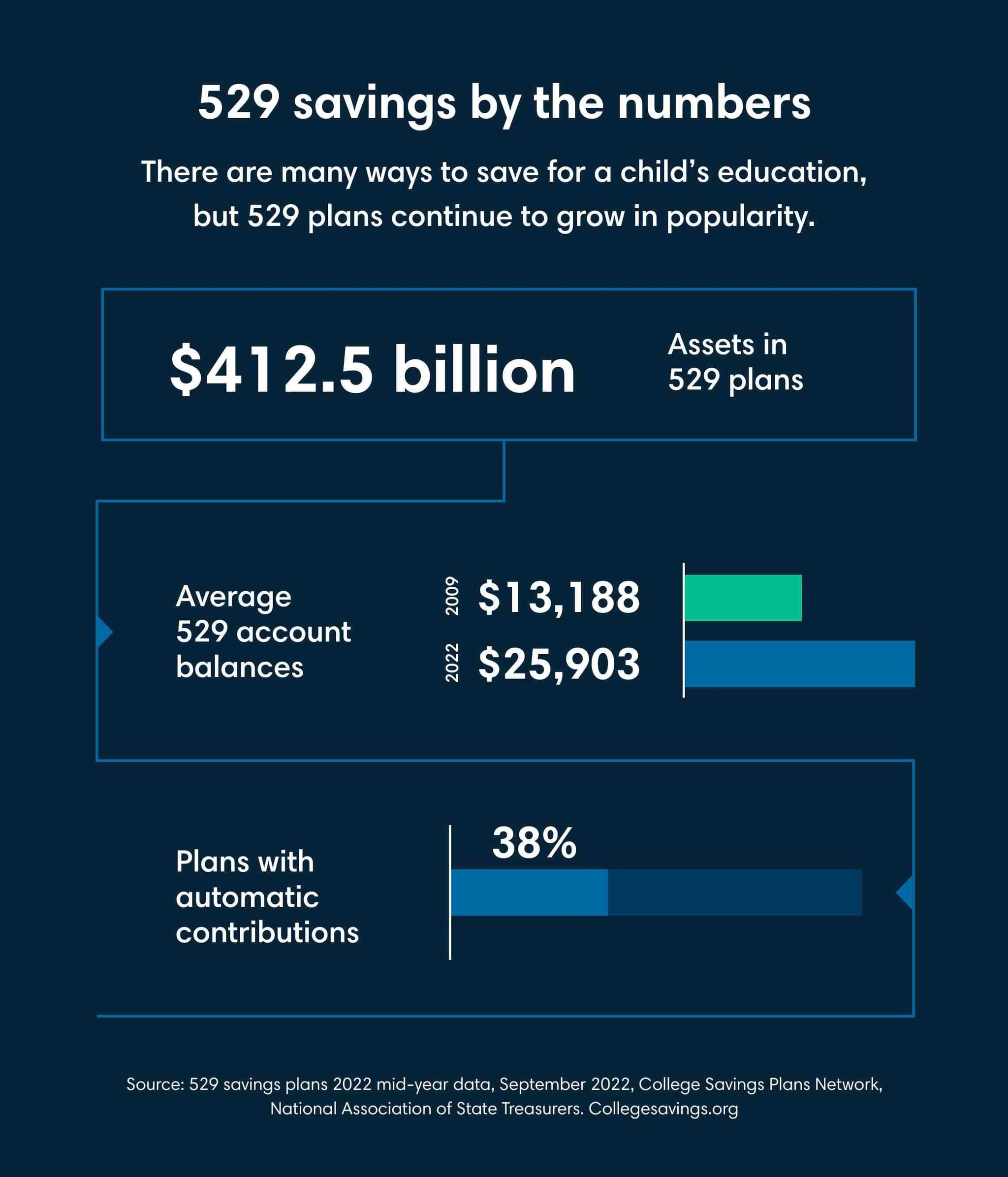
529 Plans — College Savings With State Tax Deductions
529 education savings plans grow tax-free and can be withdrawn tax-free for qualified education expenses. 36 states offer state income tax deductions for contributions — providing an immediate 3-10% return on contribution for residents. The 2022 SECURE Act expanded 529 uses to include K-12 tuition, apprenticeships, and student loan repayment. Unused 529 funds can now be rolled into a Roth IRA (up to $35,000 lifetime) — eliminating the "what if my child doesn't go to college" risk.
Next list in 30s