Photos (1)
Should this item rank higher or lower?
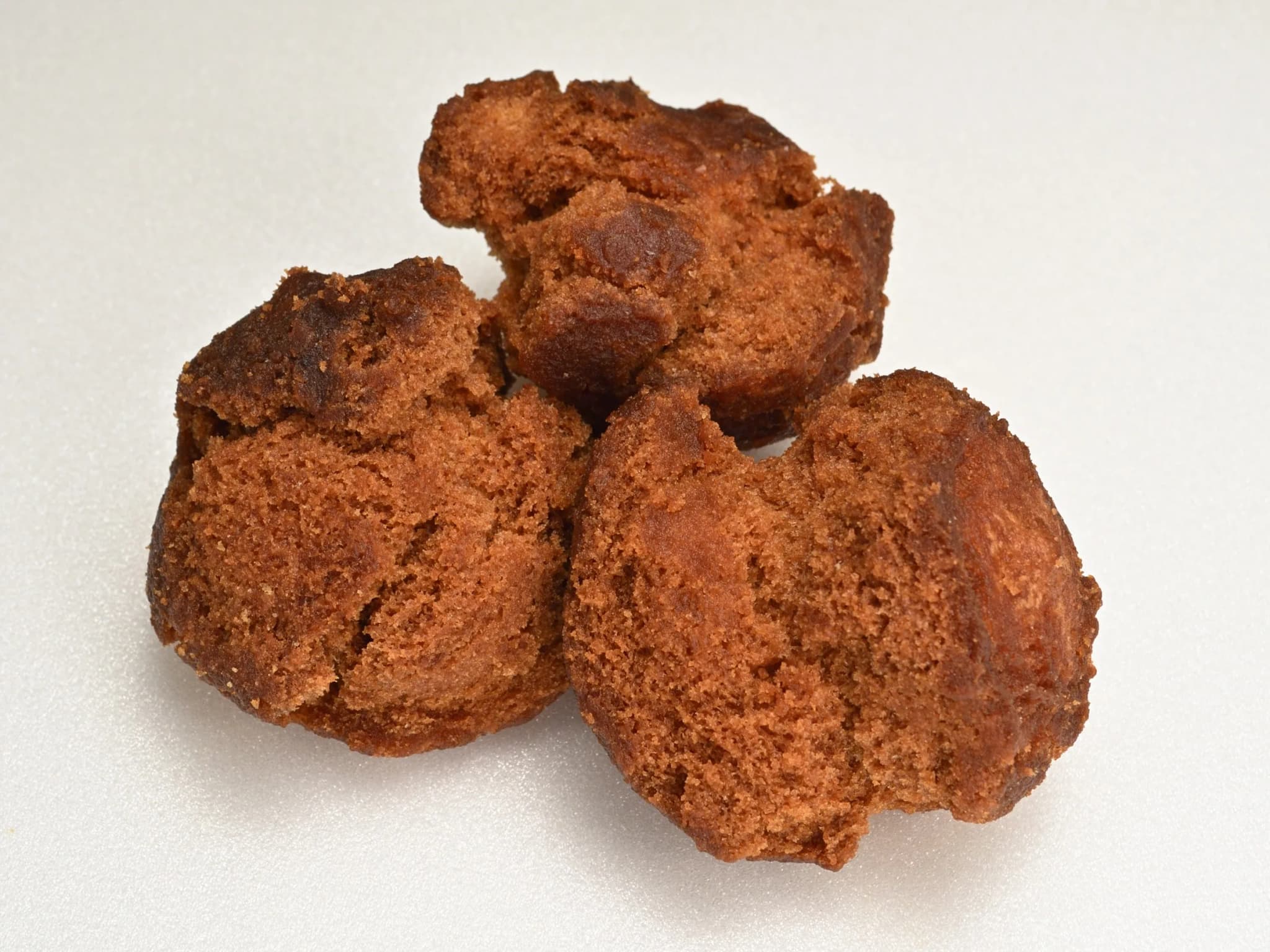
**Overview** The name tells you what to expect. Sata means sugar and andagi refers to frying. A freshly made one has a crisp outer surface with a denser interior, so the first bite is quite different from that of an airy doughnut. Okinawa’s visitor guide lists versions with brown sugar, sweet potato or pineapple. Buy one plain piece first if you want a benchmark, then decide whether a local flavor belongs in the second one or in a bag for later. **Key metrics** - Reference batch yield: About 15 pieces - Sugar in reference batch: 130 g - Flour in reference batch: 230–250 g **Pros** - It is easy to sample one piece between meals. - The plain and brown-sugar versions give a useful comparison. - It is sold fresh and as a packaged souvenir. **Cons** - Fried dough can feel heavy after a big lunch. - The texture changes as it cools. - The standard dough contains wheat and egg. **Best for** Choose it as a small afternoon snack and try the plain version warm when you have the option. **Things to watch out for** If you buy a bag to take away, keep your first piece for the same day if the just-fried shell is what you came for.
The name tells you what to expect. Sata means sugar and andagi refers to frying. A freshly made one has a crisp outer surface with a denser interior, so the first bite is quite different from that of an airy doughnut. Okinawa’s visitor guide lists versions with brown sugar, sweet potato or pineapple. Buy one plain piece first if you want a benchmark, then decide whether a local flavor belongs in the second one or in a bag for later.
Comments on "Sata Andagi"
Be the first to share your thoughts!
Have a take on this ranking?
Save your rankings and see how you compare. Comments are how the argument actually happens here. Posting one needs a free account — it takes about a minute.
No comments yet.
The first comment sets the terms of the argument.