#6
Sata Andagi
Should this item rank higher or lower?
–
**Resumen** El nombre anticipa lo que vas a comer. Sata significa azúcar y andagi alude a la fritura. Una pieza recién hecha combina una capa exterior crujiente con un centro más denso, muy distinto al de un dónut esponjoso. La guía turística de Okinawa recoge versiones con azúcar moreno, batata o piña. Compra primero una pieza natural si quieres establecer un punto de comparación. Después puedes decidir si pruebas otro sabor allí mismo o compras una bolsa para llevar y comerla más tarde. **Datos clave** - Rendimiento de la receta de referencia: Unas 15 piezas - Azúcar en la receta de referencia: 130 g - Harina en la receta de referencia: 230–250 g **Ventajas** - Es fácil probar una pieza entre comidas. - Las versiones natural y de azúcar moreno permiten comparar. - Se vende recién hecho y también envasado. **Desventajas** - La masa frita puede resultar pesada tras un almuerzo abundante. - La textura cambia al enfriarse. - La masa habitual lleva trigo y huevo. **Ideal para** Una merienda pequeña. Si puedes elegir, prueba primero la versión natural caliente. **Ten en cuenta** Si compras una bolsa para llevar, come una pieza el mismo día si lo que buscas es la corteza recién frita.
About Sata Andagi
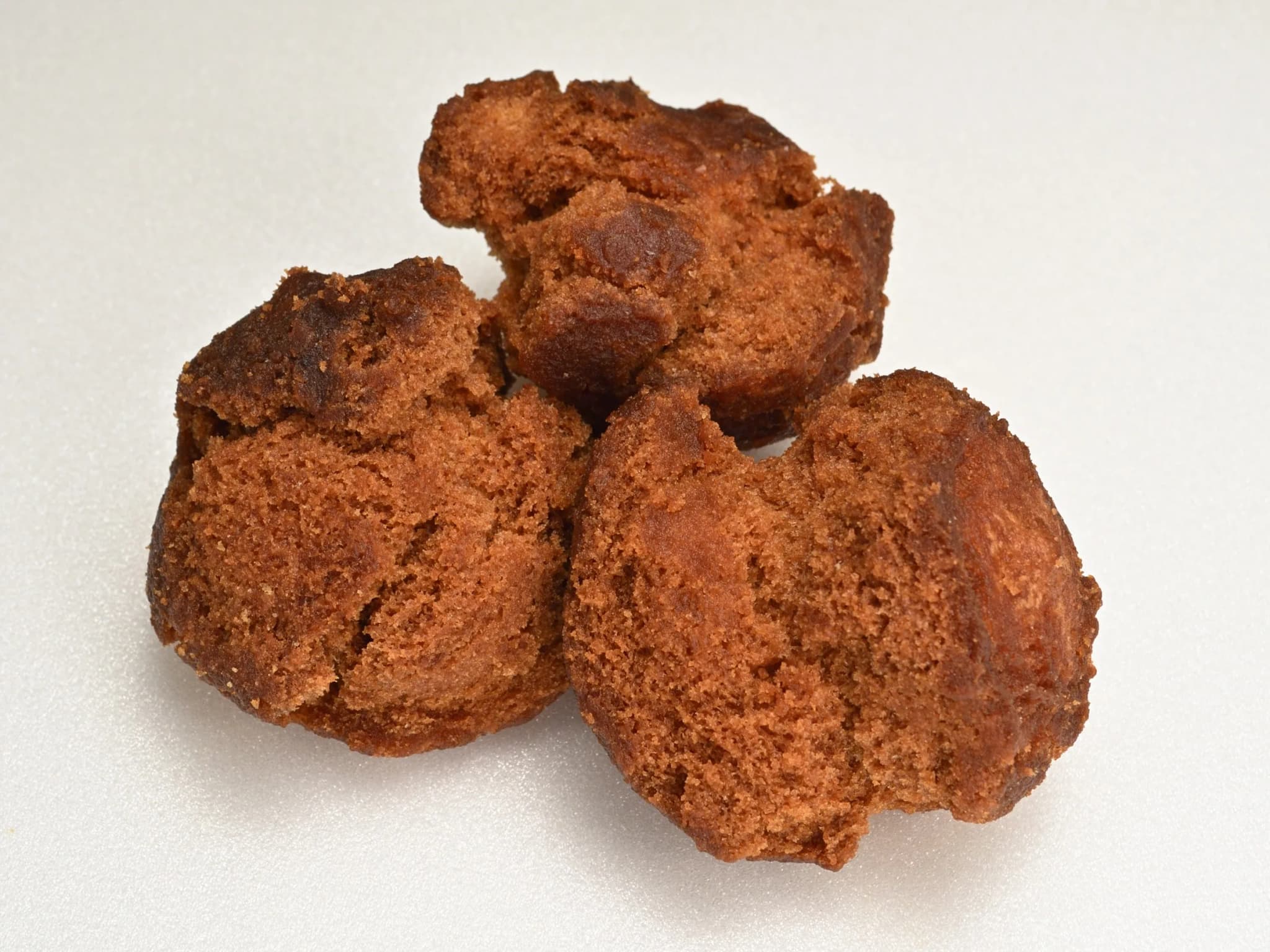
The name tells you what to expect. Sata means sugar and andagi refers to frying. A freshly made one has a crisp outer surface with a denser interior, so the first bite is quite different from that of an airy doughnut. Okinawa’s visitor guide lists versions with brown sugar, sweet potato or pineapple. Buy one plain piece first if you want a benchmark, then decide whether a local flavor belongs in the second one or in a bag for later.
Also Ranks On
View canonical entity profile (3 lists) →Photos (1)
Comments on "Sata Andagi"
Be the first to share your thoughts!
Have a take on this ranking?
Save your rankings and see how you compare. Comments are how the argument actually happens here. Posting one needs a free account — it takes about a minute.
No comments yet.
The first comment sets the terms of the argument.