#2
Miyako Island
Should this item rank higher or lower?
–
**Overview** On Miyako, start with a coastline rather than a ferry timetable. The drive between the northern and southeastern capes gives you an idea of the island’s scale, and road bridges extend the trip into the neighboring islands. Reserve time for the lighthouse at Higashi-Hennazaki or a workshop at the traditional crafts village, then leave an evening for Yonaha Maehama. Hirara and the resort coast offer different rhythms, so choose where to stay based on how much driving you want to do after dark. **Key metrics** - Island area: 159.26 km² - Naha flight: About 55 min - Cape-to-cape drive: About 45 min - Yonaha Maehama shore: 7 km **Pros** - Coastal drives combine headlands, towns and beaches. - Road bridges make Irabu and other nearby stops easy to add. - A craft or botanical garden stop gives the itinerary variety. **Cons** - Road trips are easiest with a vehicle. - A Miyako trip usually needs a separate flight from Naha. - Exposed capes and water activities can lose their appeal in strong wind. **Best for** Travelers who want a multi-night road trip with flexible stops and little dependence on ferries. **Things to watch out for** Check the airport name on your booking and arrange pickup or a rental for that airport.
About Miyako Island
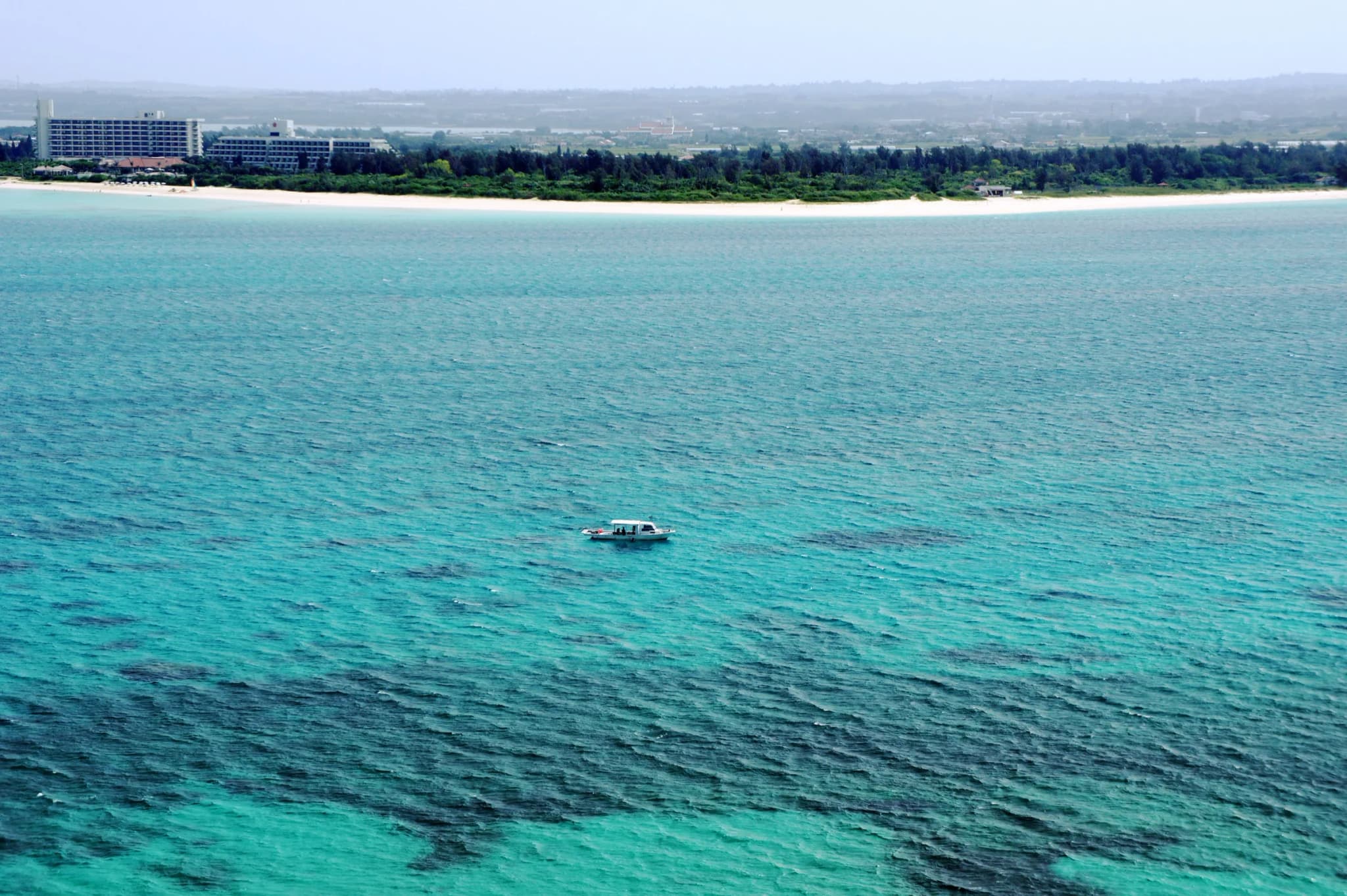
On Miyako, start with a coastline rather than a ferry timetable. The drive between the northern and southeastern capes gives you an idea of the island’s scale, and road bridges extend the trip into the neighboring islands. Reserve time for the lighthouse at Higashi-Hennazaki or a workshop at the traditional crafts village, then leave an evening for Yonaha Maehama. Hirara and the resort coast offer different rhythms, so choose where to stay based on how much driving you want to do after dark.
🌍 Destination Details
- Region / State
- Okinawa Prefecture
Also Ranks On
View canonical entity profile (3 lists) →Photos (1)
Comments on "Miyako Island"
Be the first to share your thoughts!
Have a take on this ranking?
Save your rankings and see how you compare. Comments are how the argument actually happens here. Posting one needs a free account — it takes about a minute.
No comments yet.
The first comment sets the terms of the argument.