Red Beryl
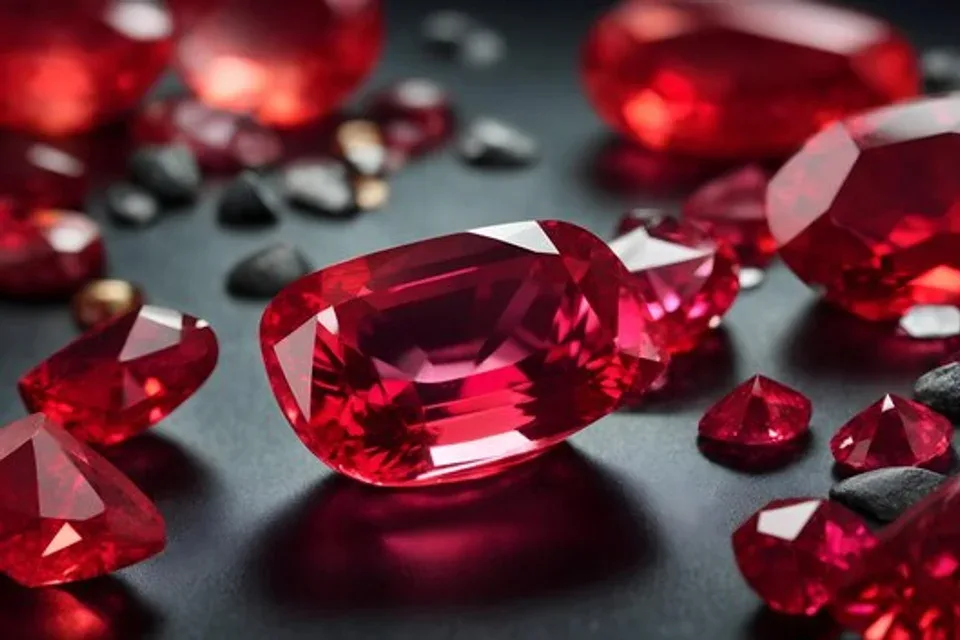
First discovered in 1904 by mineralogist Maynard Bixby in the Thomas Range of western Utah, red beryl (historically known as bixbite) is among the rarest gemstone varieties on Earth. Composed of beryllium aluminium cyclosilicate with the formula Be3Al2(SiO3)6, red beryl owes its vivid raspberry-red coloration to trace manganese ions replacing aluminium in the crystal structure under high-temperature topaz-bearing rhyolite volcanic tuff. Commercial gem-quality red beryl occurs exclusively at a single deposit on the planet: the Ruby Violet mine in the Wah Wah Mountains of Beaver County, Utah. According to official estimates from the Utah Geological Survey, 1 red beryl crystal is recovered for every 150,000 gem diamonds mined globally. Over 25 years of active commercial production, the mine yielded approximately 60,000 carats of rough crystal, of which only 10 percent could be faceted. Clean faceted red beryl stones exceeding 1 carat are exceedingly rare, making it an American gemological treasure.
- Common Aliases:
- Bixbite; Red Emerald
- Canonical Date:
- 1904
- Location:
- Thomas Range and Wah Wah Mountains, Utah, USA
Official Stats & Benchmarks
- Common Aliases
- Bixbite; Red Emerald
- Location
- Thomas Range and Wah Wah Mountains, Utah, USA
- Canonical Date
- 1904
Ask or Compare Red Beryl
Official Stats & Specifications
How high should Red Beryl rank on Top10Grid?
Cast your vote to weigh in on Red Beryl.
Be the first to vote on this ranking.